
PODCAST · arts
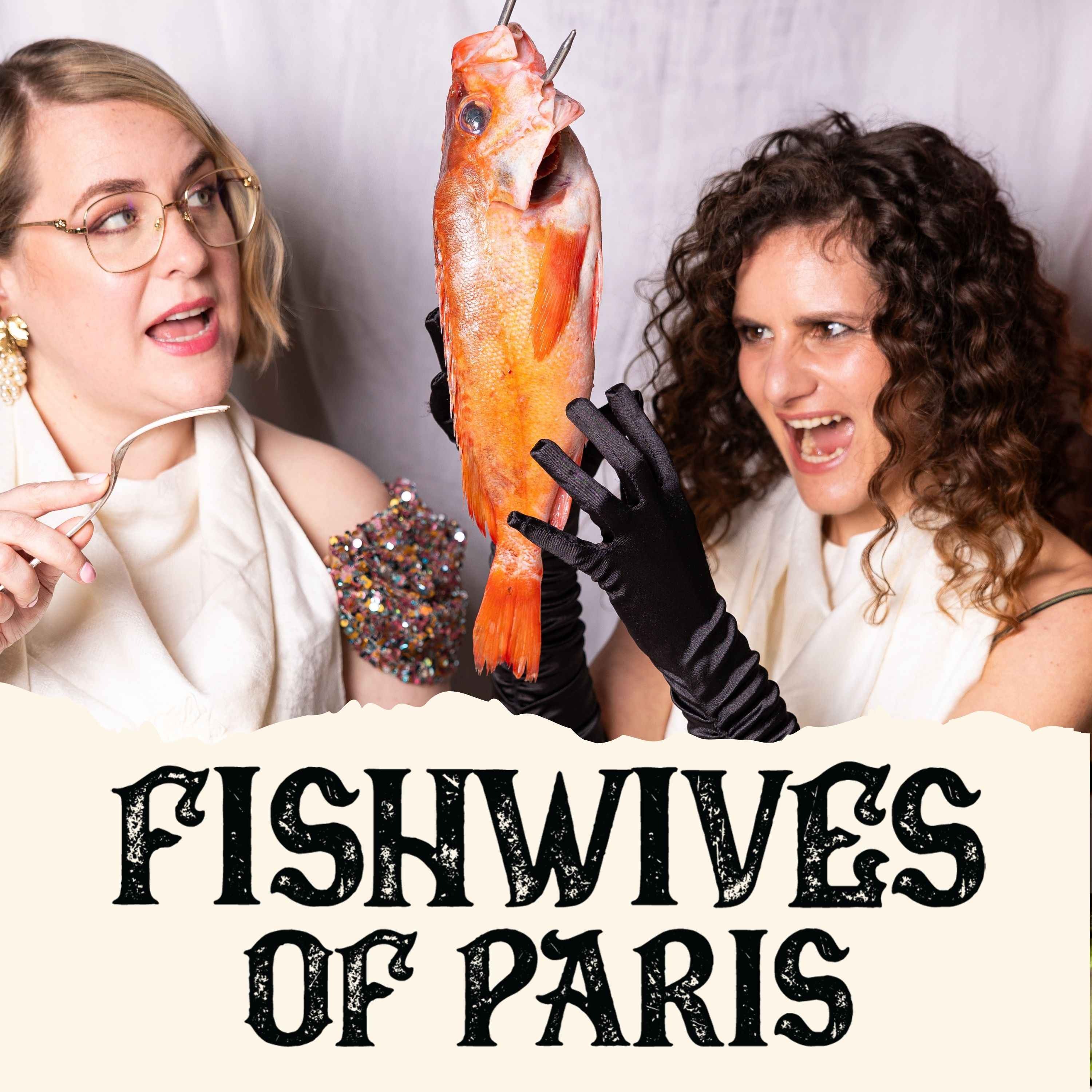
Fishwives of Paris
by Caroline Fazeli & Emily Monaco
Flipping the table on French food mythology and serving the real stories behind your favorite cuisine, with culinary journalist Emily Monaco and wine expert Caroline Fazeli. Hosted on Acast. See acast.com/privacy for more information.
-
21
Why Rotting Grapes Make Some of the World's Most Expensive Wines
Did you know some of the world's most sought-after wines are made with mold?In this episode of Fishwives of Paris, Emily Monaco and Caroline Fazeli explore the fascinating world of Botrytis cinerea, the fungus known as "noble rot." While this mold can devastate vineyards when conditions are wrong, under the right circumstances it transforms grapes into some of the world's most celebrated sweet wines.Join us as we uncover the science behind noble rot, the centuries-old legends surrounding its discovery, and the unique conditions required to produce wines like Sauternes, Tokaji, and noble rot Rieslings. Along the way, we'll discuss the challenges of harvesting these wines, the flavors that make them so distinctive, and why bottles from producers like Château d'Yquem command such extraordinary prices.From Bordeaux to Hungary, from fungal genetics to food pairings, this episode reveals how one of nature's most destructive forces became one of winemaking's greatest gifts.Wines DiscussedSauternes (Bordeaux, France)The most famous French wine made with noble rot. Produced in Bordeaux's Sauternes region, where morning fog and afternoon sunshine create ideal conditions for Botrytis cinerea.Château d'YquemWidely regarded as the most prestigious producer of Sauternes and one of the greatest sweet wines in the world. The hosts examine a bottle of 2013 Château d'Yquem during the episode.Tokaji Aszú (Hungary)One of the world's oldest and most celebrated sweet wines. The episode explores the legend that noble rot winemaking originated in Hungary during the 17th century after a delayed harvest caused by the Ottoman-Turkish wars.Noble Rot Riesling (Germany)Certain German Rieslings benefit from noble rot, producing intensely aromatic sweet wines with remarkable balance between sweetness and acidity.Chenin Blanc Dessert Wines (Loire Valley, France)Chenin Blanc is highlighted as one of the grape varieties particularly well suited to noble rot production.Ice Wine (Eiswein)Discussed as an alternative method of producing sweet wine, using grapes that freeze naturally on the vine before harvest.Vin de PailleA traditional sweet wine made from grapes dried on straw mats before pressing, another technique used to concentrate sugars without noble rot.Grape Varieties DiscussedSémillon (the principal grape of Sauternes)Chenin BlancRieslingFood Pairings MentionedRoquefort and other blue cheesesFoie grasFruit-based desserts, particularly peach and apple dessertsWatch full episodes in 4k on YoutubeFollow us on Instagram, TikTok, Facebook, and join our Facebook group.
-
20
The Croque Monsieur: Was it Really Named After Human Meat?
The croque monsieur may look like nothing more than a fancy grilled ham and cheese, but Paris' favorite café sandwich has a surprisingly strange history.This week, Emily and Caroline trace the origins of the croque monsieur from Belle Époque cafés and the bustling markets of Les Halles to modern Parisian versions topped with truffle, caviar, and artisanal cheeses. Along the way, they unpack the bizarre cannibal rumor that may have inspired its name, debate whether the croque madame is actually superior, and ask an important question: is the classic croque monsieur genuinely delicious, or are we all just nostalgic for melted cheese?Expect Paris ham, Emmental slander, Marcel Proust, Prince de Paris, and plenty of opinions about what makes a truly great crunchy mister.Fishwives of Paris is a French gastronomy podcast. We tell the real story behind the culture the world is obsessed with.Watch full episodes in 4k on YoutubeFollow us on Instagram, TikTok, Facebook, and join our Facebook group.
-
19
The Surprising History of the Restaurant
Did the French Revolution create restaurants?Not exactly.In this episode, we explore the true origins of the modern restaurant with gastronomy expert Allison Zinder. Together, we uncover how medieval taverns evolved into the first restaurants, why the earliest restaurant served restorative broth, how menus and private tables transformed dining, and why many French restaurant customs still exist today.If you've ever wondered where restaurants came from, or why dining in France hits different, this episode is for you.Podcast Show NotesIn this episode:The myth linking restaurants to the French RevolutionWhat dining looked like before restaurants existedThe story of Boulanger and the first Paris restaurantWhy "restaurant" originally referred to brothHow menus, prices, and private tables changed dining foreverThe lawsuit that helped launch the restaurant industryWhy bouillons became Paris's original fast foodFrench restaurant culture and the importance of taking your timeWhy substitutions are often discouraged in FranceWhat makes French dining unique todayGuest:Allison Zinder — gastronomy guide, culinary historian, and French food expert.Learn more about Allison here, you can even take a Paris food tour with her! https://allisonzinder.com/Key TakeawaysRestaurants existed before the French Revolution.The first restaurant opened in Paris in 1765."Restaurant" originally referred to a restorative broth.Private tables were one of the most radical innovations in dining history.Menus with prices were a major breakthrough.Restaurants made it possible to dine alone.Bouillons were early affordable restaurants for working people.Many modern French dining customs trace directly back to the origins of the restaurant.French restaurants prioritize experience and hospitality over speed.The chef's vision remains central to French restaurant culture.• • • • • • • • • •Fishwives of Paris is the podcast that dives into the surprising stories, myths, and realities behind French food, wine, and culture. Hosted by Emily Monaco and Caroline Fazeli.Don’t forget to rate, review and subscribe to Fishwives of Paris!You can watch the podcast in 4k on YouTube: https://www.youtube.com/@fishwivesofparisWebsite: https://www.fishwivesofparis.com/Instagram: https://instagram.com/fishwivesofparisTiktok: https://tiktok.com/@fishwivesofparis
-
18
How Asparagus Nearly Caused a Diplomatic Incident
Can a vegetable create an international incident?In this episode, Caroline and Emily explore the surprising story of how French president François Hollande's dislike of asparagus nearly became a diplomatic controversy during a state visit to Germany.Along the way, they examine why France pays such close attention to what political leaders eat, how asparagus became one of the country's most beloved seasonal ingredients, and why French food culture places such importance on seasonality, terroir, and waiting for the right moment to enjoy a product.From Louis XIV's obsession with year-round asparagus to modern asparagus festivals, this episode reveals how one vegetable can tell a much bigger story about France.Podcast Show NotesA French president who hated asparagus.A German chancellor serving asparagus during asparagus season.A diplomatic misunderstanding that almost became political gossip.This episode begins with a strange story from a state dinner but quickly becomes an exploration of something much bigger: the relationship between food, identity, and power in France.Caroline and Emily discuss:Why French leaders are often judged by what they eatThe François Hollande asparagus controversyMarie Antoinette food mythsLouis XIV's obsession with asparagusWhy France embraces seasonalityThe difference between green, white, and purple asparagusFrench asparagus festivals and traditionsProtected geographical status for asparagusWhy asparagus season only lasts a few weeksCaroline's unexpected asparagus origin storyKey TakeawaysFood choices can become political statements in France.François Hollande's dislike of asparagus nearly created a diplomatic controversy during a visit to Germany.Louis XIV pushed gardeners to make asparagus available year-round.White, green, and purple asparagus are not different species.France strongly values seasonality and eating products at their peak.White asparagus is particularly prized in parts of France and Germany.Some French asparagus regions have protected geographical status.Many French people see waiting for seasonal products as part of what makes them special.• • • • • • • • • •Fishwives of Paris is the podcast that dives into the surprising stories, myths, and realities behind French food, wine, and culture. Hosted by Emily Monaco and Caroline Fazeli.Don’t forget to rate, review and subscribe to Fishwives of Paris!You can watch the podcast in 4k on YouTube: https://www.youtube.com/@fishwivesofparisWebsite: https://www.fishwivesofparis.com/Instagram: https://instagram.com/fishwivesofparisTiktok: https://tiktok.com/@fishwivesofparis
-
17
Why French People Don't Eat Charcuterie Like Americans
The modern charcuterie board may be beautiful, but it isn't particularly French.This week, Caroline and Emily unpack the world of French charcuterie, from saucisson and jambon to pâté, rillettes, and pâté croûte. They explain why cheese and charcuterie were traditionally served separately, how regional pork traditions shaped French cuisine, and why the Instagram charcuterie board would surprise many French diners.Podcast Show NotesWhy French people object to the term "charcuterie board"What charcuterie actually meansFrance's major charcuterie traditionsJambon blanc, saucisson, and dry-cured hamThe Three F's of identifying quality saucissonHow French food culture values specialists and sourcingAOP, AOC, and IGP protectionsBasque, Auvergne, and Corsican charcuterieWhy Americans are uncomfortable with pâtéThe history of pâté croûtePâté vs terrine vs rilletteWhy cheese traditionally comes after the mealHow wine bars helped create the modern cheese-and-charcuterie boardThe rise of the apéro dînatoireKey TakeawaysTraditional French charcuterie is much broader than cured meats alone.Cheese and charcuterie were historically served at different points in the meal.The modern mixed charcuterie-and-cheese board is relatively recent.Regional identity is central to French charcuterie culture.Pâté, terrine, rillette, and pâté croûte are distinct products.French food culture emphasizes sourcing and curation as much as cooking.• • • • • • • • • •Fishwives of Paris is the podcast that dives into the surprising stories, myths, and realities behind French food, wine, and culture. Hosted by Emily Monaco and Caroline Fazeli.Don’t forget to rate, review and subscribe to Fishwives of Paris!You can watch the podcast in 4k on YouTube: https://www.youtube.com/@fishwivesofparisWebsite: https://www.fishwivesofparis.com/Instagram: https://instagram.com/fishwivesofparisTiktok: https://tiktok.com/@fishwivesofparis
-
16
What Even Is a Bistro?
What actually is a bistro, and why does Paris seem to have a different word for every type of restaurant?In this episode of Fishwives of Paris, Emily Monaco and Caroline Fazeli break down one of the most misunderstood concepts in French food culture. From cafés to brasseries to bouillons, the lines between these establishments used to be clear, but today, they are anything but. Along the way, they debunk the persistent myth that bistros were invented by Russian soldiers yelling “bystro,” and instead trace their real origins to waves of migration from the Auvergne into Paris.The result is a story that has less to do with tablecloths and steak frites, and more to do with community, labor, and the evolution of French comfort food. Follow us on socials for more content on our top bistro picks in Paris.What You’ll LearnWhat a bistro actually is, and why most people use the word incorrectlyThe difference between a bistro, café, brasserie, bouillon, and restaurantWhy the Russian “bystro” origin story is a mythHow migration from the Auvergne shaped Parisian food cultureWhat “bistronomy” is, and how it changed the modern bistroWhy many “bistros” today are no longer cheap or working-classWhat to look for when choosing a true bistro in ParisFrench Dining, ExplainedBistroSmall, casual, cozyHistorically no reservationsFocus on community and quick serviceNow often a mix of tradition and reinterpretationBrasserieOriginally Alsatian, beer-focusedOpen all day (continuous service)Larger, often more formal settingCan range from beautiful to very averageBouillon19th-century working-class establishmentsEarly “chain restaurants” in ParisCheap, fast, efficient mealsOften with shared tables and paper tableclothsCaféPrimarily for drinks (coffee, wine)Social and cultural institutionsHistorically key “third spaces” in ParisRestaurantMore formal diningFixed service times (lunch and dinner)Higher-end than the categories above How to Spot a Bistro (Visual + Cultural Clues)While not definitive, classic signs include:red and white checkered tableclothschalkboard menus with daily specialssmall wine glasseszinc or wooden bartiled floorsclose, convivial seatingBut remember: today, these are aesthetic signals, not guaranteesWatch full episodes in 4k on YoutubeFollow us on Instagram, TikTok, Facebook, and join our Facebook group.
-
15
Lies, Pastry, and Power: The Real Carême
In this episode of Fishwives of Paris, Emily and Caroline unpack the real story of Marie-Antoine Carême, the ambitious pastry chef who rose to cook for diplomats, emperors, and tsars, and helped shape modern French cuisine.Beyond the dramatized version, Carême was a master of image and storytelling, even spreading myths about his own life. While he was not a spy, he was deeply connected to power, using food as a tool to impress and influence Europe’s elite.We explore how Carême’s work helped define French cuisine as we know it today, from early sauce classification to his belief that pastry was a form of architecture. He played a role in shaping iconic desserts like the croquembouche, eclairs, and the modern Charlotte, and helped elevate pastry into an art form built on structure, precision, and spectacle.The episode also looks at his more modern ideas, including seasonality, balance, and a shift away from heavy spices toward fresh herbs, as well as his role in defining the image of the professional chef, including the creation of the chef’s hat.In this episode:Why Carême lied about being an orphanWhat the Apple TV series gets wrongHow he categorized sauces before EscoffierWhy he believed pastry was a form of architectureThe origins of desserts like the croquembouche, eclairs, and CharlotteWhat did Carême actually create and influence?Codifying French cuisineOne of the first to organize recipes at scaleEarly system of “mother sauces” before Escoffier (Velouté, Espagnole, Béchamel, Allemande)Wrote influential cookbooks and his own carefully curated life storyElevating pastryTreated pastry as architecture, building elaborate edible structuresCreated dramatic dessert displays using choux, marzipan, and spun sugarHelped bring spectacle into fine diningIconic pastriesPopularized the croquemboucheExpanded the use of choux pastry, including éclairsShaped ladyfingers (biscuits à la cuillère) for dipping and dessertsTransformed the Charlotte into the cold dessert we know todayCreated early versions of vol-au-ventChef identity and kitchensInvented the chef’s hat (toque)Evolved from pastry chef to full culinary authority (officier de bouche)Helped define the role of the modern chefModern food philosophyAdvocated for seasonality and peak ingredientsFocused on balance and how food makes people feelShifted French cuisine from heavy spices to fresh herbsLuxury and ingredientsHelped introduce chocolate into pastry beyond drinksCooked with luxury ingredients like champagneWorked during the rise of sugar use in FranceDining and presentationWorked during the shift from display-style dining to coursesCreated grand banquet experiences for political elitesHelped define food as both visual spectacle and social powerWatch full episodes in 4k on YoutubeFollow us on Instagram, TikTok, Facebook, and join our Facebook group.
-
14
The Great (Fake) Potato Heist
Potatoes are one of the most iconic ingredients in French cuisine today. But for centuries, the French refused to eat them.In this episode of Fishwives of Paris, Emily Monaco and Caroline Fazeli uncover the strange and fascinating story of how the humble potato went from feared outsider to beloved staple of French cooking. Once thought to cause leprosy and plague, potatoes were even banned in France for a period of time before a determined pharmacist named Antoine-Augustin Parmentier began campaigning to change public opinion.Through a mix of clever marketing, royal influence, and a staged "potato heist" at Versailles, Parmentier helped transform how the French viewed this Peruvian import. Along the way, Emily and Caroline explore how potatoes traveled from South America to Europe, why the French were so suspicious of them, and how they eventually became the foundation of classic dishes like pommes puree, gratin dauphinois, and hachis Parmentier.This episode reveals how culinary myths are created, how food traditions evolve, and how one clever campaign helped change the course of French cuisine.Places Mentioned in This Episode: Père Lachaise Cemetery (Paris)This famous Paris cemetery is the final resting place of Antoine-Augustin Parmentier. Visitors sometimes leave potatoes on his grave as a playful tribute to the man who helped introduce them to French cuisine.Versailles (Chateau de Versailles)Parmentier famously planted potato fields near Versailles and staged a fake theft of the crop to spark curiosity and convince the public that potatoes were valuable.Dishes Mentionedpommes puree (buttery mashed potatoes)gratin dauphinoishachis Parmentier (French-style shepherd's pie)French fries (possibly introduced to American diplomats at one of Parmentier's potato banquets)🎧 Fishwives of ParisHosted by Caroline Fazeli and Emily Monaco📲 Instagram: @fishwivesofparis🍷 Goguette affiliates: https://bit.ly/goguette_FWOP💌 Press & partnerships: [email protected] full episodes in 4k on YoutubeFollow us on Instagram, TikTok, Facebook, and join our Facebook group.
-
13
More Than Street Tacos
Mexican food in France is often treated as cheap street food, but chef Carla Kirsch is challenging that narrative. In this episode of Fishwives of Paris, we sit down with the Mexican-born, French-trained chef behind Alebrije in Lyon to talk about bringing Mexican cuisine into the French fine dining world.We dig into why French diners expect Mexican food to be inexpensive, why spice still scares people in France, and how many core French ingredients originally came from Mexico and the Americas. Carla also shares what it takes to source Mexican ingredients in France, from dried chilies and tomatillos to masa made from French corn, and what it’s like to open a restaurant in France as a foreign woman.Places & Institutions Mentioned in This EpisodeAlebrije (Lyon) – Carla Kirsch’s fine dining Mexican restaurantMilpa (Lyon) – Carla Kirsch’s more casual taco shopInstitut Paul Bocuse (now Institut Lyfe), Lyon – where Carla trained in classical French cuisine🎧 Fishwives of ParisHosted by Caroline Fazeli and Emily Monaco📲 Instagram: @fishwivesofparis🍷 Goguette affiliates: https://bit.ly/goguette_FWOP💌 Press & partnerships: [email protected] full episodes in 4k on YoutubeFollow us on Instagram, TikTok, Facebook, and join our Facebook group.
-
12
My Grandfather Made this Beef Bourguignon in a Barn
Is beef bourguignon really a rustic Burgundian peasant dish? Or is it one of France’s greatest culinary PR successes?In this episode, Emily Monaco and Caroline Fazeli dig into the surprisingly modern (and non-Burgundian) origins of beef bourguignon, how it became a symbol of “traditional” French home cooking, and why the version most of us recognize today owes a lot to Parisian restaurants, Escoffier, and Julia Child.They unpack how French beef has historically been used (working animals first, dinner later), why slow-cooked stews became central to French cuisine, and how the romantic idea of French “peasant food” often hides a much more complicated and urban reality. Along the way, they break down what actually matters when cooking this dish at home, and which rules are worth ignoring.In This Episode:Why beef bourguignon is not actually from BurgundyHow a Parisian fast food chain helped shape the dishWhat “à la bourguignonne” really meansWhy French beef is different from American beefHow Julia Child helped codify the modern version of the recipeCaroline’s no-fuss tips for making beef bourguignon at homeWhat the Fishwives Recommend:Wine to cook with (for the stew):You do not need Burgundy wine. “Bourguignon” refers to a red-wine style of preparation, not the Burgundy region. Use an affordable, drinkable red wine. Do not waste expensive Burgundy on cooking.Cut of beef to use:In the U.S.: Chuck (or any hardworking, collagen-rich stew cut)The goal is a tough cut that benefits from long, slow cookingWine to drink with boeuf bourguignon:Skip Burgundy here, too. The dish is rich and beefy, so it pairs better with a fuller-bodied red:SyrahCabernet SauvignonNorthern Rhône (like Saint-Joseph)Extra Bits You’ll Hear:Why marinating the beef is optional (and often unnecessary)Why French home cooks don’t obsess over pearl onionsHow this dish reflects how French people actually entertain (low-stress, make-ahead, lots of leftovers)What to do with leftover sauceIf you’ve ever been confused about whether you’re “doing it wrong” with beef bourguignon, this episode is your permission slip to relax, save your good wine for drinking, and stop taking French food myths so seriously.Watch full episodes in 4k on YoutubeFollow us on Instagram, TikTok, Facebook, and join our Facebook group.
-
11
Respect the Crêpe
Crêpes Are Not Street Food (Mostly)Crêpes may be one of France’s most iconic foods, but chances are you have been eating them wrong, or at least misunderstanding what they are. In this episode of Fishwives of Paris, Emily and Caroline break down the myths surrounding crêpes, explain why treating them as street food is mostly a tourist habit, and unpack the deep regional identity behind Brittany’s buckwheat galettes.From linguistic nitpicking (crêpes vs galettes vs krampouezh) to the surprising agricultural history of buckwheat, this episode explores how geography, language, and industrialization shaped one of France’s most misunderstood dishes. In this episode:Why crêpes are not traditionally street food in their region of originThe difference between sweet wheat crêpes and savory buckwheat galettesBrittany’s cultural independence, from language to infrastructure to foodTruly too many things about buckwheat for one bullet pointCandlemas (La Chandeleur), why France eats crêpes on February 2Where to eat galettes in ParisWe mention Breizh Café as our favorite spot in Paris and Lyon for traditional buckwheat galettes. You will also find many classic crêperies serving plated galettes around the Montparnasse area, historically where trains from Brittany arrived. One important note: traditional galette restaurants serve cider, not wine, in keeping with Breton custom.Watch full episodes in 4k on YoutubeFollow us on Instagram, TikTok, Facebook, and join our Facebook group.
-
10
Tartiflette: Humble Beginnings or Brilliant Marketing?
Tartiflette May Look Like an Old-School Dish, But It’s a Marketing Coup in DisguiseThe French are masters of après-ski delicacies like cheesy raclette, fondue, and tartiflette – hearty dishes with loads of melty cheese to help you warm up after a day on the slopes. But while tartiflette may look like a time-tested creation with deep Savoyard roots, the reality is that this casserole of potatoes, bacon, onions, and melted Reblochon cheese is a baby by French food standards, invented in the ‘80s by a clever ski resort owner looking to make good on a dairy glut. But this is no simple case of terroir-washing, as Emily and Caroline are here to share.Tune in to discover:The story of how tax evasion led to the invention of the stinky, washed-rind marvel known as ReblochonWhy the roots of tartiflette run deeper than you'd thinkHow to recreate this French specialty at home – even if you can't get your hands on raw milk French cheeseIn this episode we mention Oma cheese from the Von Trapp family in Vermont.Hosted by Lyon-based sommelier Caroline Fazeli & Paris-based food journalist Emily Monaco.Follow us on Instagram: @fishwivesofparisWe are currently seeking partnerships. If that’s you, get in touch: [email protected] full episodes in 4k on YoutubeFollow us on Instagram, TikTok, Facebook, and join our Facebook group.
-
9
The Secret Lives of French Mushrooms
Mushrooms Are Fun Guys – As Long as They Don’t Kill YaIf you see Paris mushrooms on a French menu, don't go assuming they've been grown in the French capital – these days, about 70% are actually grown in China. Their name is a reference, not to their provenance, but to their roots: Paris mushrooms first gained acclaim in the gardens of the palace of Versailles before their culture moved to the underground caverns of the Catacombs.In this episode, you’ll learn:The role French pharmacies play in foraging for mushroomsWhy the French word for mushrooms might make you pauseWhy foraging in France is treated as sacred — and tightly guardedThe unsuspecting relationship between mushrooms and the catacombs of Paris How the Loire Valley incorporates tourism into mushroom productionWhy French shoppers fiercely prioritize hyper-local produceHow the French prepare mushrooms, including our favorite spot to enjoy them stuffed with snails, garlic, and butterPlaces, people & references mentioned:La Cave des Roches – A historic mushroom farm in the Loire Valley that now relies on tourism to survive economically challenging timesBruno Zamblera – A grower who still cultivates mushrooms underground, continuing a nearly lost traditionCafé de Musée – Where Escargots à la Bourguignonne are reimagined using mushroom caps instead of snails (Emily’s favorite) Mushroom dishes & recipes discussed:Duxelles – Finely chopped mushrooms cooked down with shallots and herbsSauce à la Forestière – A classic mushroom-forward French sauceThis episode is a journey through tunnels, traditions, and taboos — revealing how something as humble as a mushroom can tell the story of Paris, French food culture, and what it means to eat locally in a globalized world.Hosted by Lyon-based sommelier Caroline Fazeli & Paris-based food journalist Emily Monaco.Follow us on Instagram: @fishwivesofparisWe are currently seeking partnerships. If that’s you, get in touch: [email protected] full episodes in 4k on YoutubeFollow us on Instagram, TikTok, Facebook, and join our Facebook group.
-
8
Lowkey, Christmas is Pagan AF
The Bûche de Noël and French Christmas Episode It’s no surprise, in structure-loving France, that the menu for Christmas dinner is pretty much set in stone – or should we say, petrified in wood? After a veritable eating frenzy of oysters, foie gras, roasted capon, and more truffle-studded cheese than any accountant (or cardiologist) would recommend, on December 24th, most French people feast on a cake shaped into a log, complete with meringue mushrooms and chocolate bark. And before you go trying to link the Yule log to a manger, know that the bûche de Noël has got nothing to do with the birth of Jesus.Tune in to discover:How and why France co-opted a pagan tradition to turn it into a pastry marvelWhy we have the English to thank for making bûche de Noël an approachable home bakeJust some of the most out-there bûches on offer from celebrity pastry chefsWhy most French people deviate from tradition with a newer version of a bûche that’s easier, cheaper, and a whole lot lighterCheck out our Instagram to see photos of Caroline's Caga Tio creation from the episode @fishwivesofparisWe collaborated with Lucy Vanel of PLUM Lyon for a gorgeous meringue mushroom recipe which you can find on our episode webpage: https://www.fishwivesofparis.com/episodes/s1/the-buche-de-noel-episode/Hosted by Lyon-based sommelier Caroline Fazeli & Paris-based food journalist Emily Monaco.Follow us on Instagram: @fishwivesofparisWe are currently seeking partnerships. If that’s you, get in touch: [email protected] are now proud partners of Goget Watch full episodes in 4k on YoutubeFollow us on Instagram, TikTok, Facebook, and join our Facebook group.
-
7
Sh*tting All Over Champagne
The Episode Where we Party Poop on ChampagneDom Pérignon’s French Wikipedia page claims he invented Champagne – but the truth is way cooler than that. The world’s best-known sparkling wine has roots in English cider-making and has a host of intrepid local widows to thank for its deliciousness, not to mention its renown.Tune in to learn:How Champagne accidentally became one of the most lauded wines in the worldWhich glassware to choose and whyWhat the heck Dom Pérignon actually did to give him such a reputationHosted by Lyon-based sommelier Caroline Fazeli & Paris-based food journalist Emily Monaco.Follow us on Instagram: @fishwivesofparisWe are currently seeking partnerships. If that’s you, get in touch: [email protected] full episodes in 4k on YoutubeFollow us on Instagram, TikTok, Facebook, and join our Facebook group.
-
6
Bread is Life
CEO Apollonia Poilâne on how Poilâne defied baguette trends, inspired Dalí, and threads a century of history into each loafWatch full episodes in 4k on YoutubeFollow us on Instagram, TikTok, Facebook, and join our Facebook group.
-
5
Hot Air Balloons & Regret: Beaujolais Nouveau Has Arrived
Every third Thursday of November, French bartenders across the hexagon pull millions of corks, unleashing aromas of banana Runts and regret: it’s time for Beaujolais Nouveau, a wine whose release date is literally written into law, and whose marketing has included everything from Japanese Beaujolais baths to hot-air-balloon deliveries.Beaujolais Nouveau has a surprisingly deep history, rooted in the 14th-century banishment of the Gamay grape from bougier Burgundy. Once dismissed as a gimmick, this glou-glou (gluggable) red has evolved and Caroline and Emily are here to defend its honor.🎙️ Tune in to learn:• The story of the man who made Beaujolais Nouveau a 1970s global phenomenon• The winemaking technique that makes Beaujolais uniquely drinkable young• Why you might be wrong about not aging Beaujolais Nouveau• And whether pairing it with Thanksgiving dinner is genius… or just a marketing myth🎧 Fishwives of Paris — where French food myths go to die.Hosted by Lyon-based sommelier Caroline Fazeli and Paris-based food journalist Emily Monaco.Follow us on Instagram: @fishwivesofparisWe are now proud Goguette affiliates. 💌Want to partner with us? We’d love to talk to you about press and sponsorship opportunities here: [email protected] full episodes in 4k on YoutubeFollow us on Instagram, TikTok, Facebook, and join our Facebook group.
-
4
Satan’s Beverage & Toasted Colonialism: A Tale of French Breakfast
Forget bacon and eggs, in France, breakfast doesn’t even come on a plate. 🥐☕️Instead, it’s all about the bowl, a ritual shaped by global trade, 17th-century aristocrats, and a serious caffeine habit.Tune in to learn:Why the French word for lunch, déjeuner, actually means breakfastThe FWOP's take on bacon and brunch in FranceHow three caffeinated plants from three corners of the world: coffee, tea, and chocolate changed French mornings foreverWhat French people actually eat for breakfast (spoiler: it’s not croissants 🫣)Plus: Caroline and Emily spill their favorite breakfast spots in Paris (5 Pailles) and Lyon (Odessa and Le Déjeuneur).🎧 Fishwives of Paris — where French food myths go to die (and breakfast gets a reality check).Hosted by Lyon-based sommelier Caroline Fazeli & Paris-based food journalist Emily Monaco.Follow us on Instagram: @fishwivesofparisWe are currently seeking partnerships. If that’s you, get in touch: [email protected] full episodes in 4k on YoutubeFollow us on Instagram, TikTok, Facebook, and join our Facebook group.
-
3
How Do You Create a New French Wine Appellation?
French wine appellations are often treated as ancient institutions, but many are surprisingly modern, and new appellations are still being created today.In this episode, legendary Northern Rhône winemaker Yves Cuilleron explains how Seyssuel, a once-famous vineyard region planted before Côte-Rôtie, disappeared completely during the twentieth century and is now being rebuilt from scratch.From Roman history and abandoned terraces to French bureaucracy and appellation politics, this is the story of what it really takes to create a new French wine appellation.Podcast Show NotesWhy French appellations are far newer than most people thinkHow Seyssuel disappeared completely before the appellation system existedThe historical evidence that inspired its revivalWhy Yves Cuilleron and other winemakers replanted the vineyard in 1996The difference between IGP, AOP, and cru statusWhat goes into an appellation cahier des chargesWhy creating an appellation can take decadesHow appellation status affects wine pricing and recognitionThe future of Seyssuel and its path toward becoming a cruKey TakeawaysFrench wine appellations were largely created during the 1930s and 1940s.Seyssuel was historically famous but had no vines when the appellation system was established.Three winemakers began replanting the region in 1996 using historically documented grape varieties.Creating an appellation requires extensive historical, geographic, legal, and technical documentation.Appellation status has significant economic consequences for producers.New French appellations can still be created today, but the process can take decades.The Northern Rhône itself nearly disappeared before being revived in the late twentieth century.
-
2
The Secret History of Camembert
Camembert is one of France's most iconic foods, but its history is far stranger than most people realize.Was it really invented by a Norman farm girl and a fugitive priest during the French Revolution? Why did trains help make it famous? Why can't Americans buy authentic Camembert de Normandie? And what happened to the original molds that once covered the cheese?Caroline Fazeli and Emily Monaco dive into the myths, history, politics, and science behind France's most popular soft cheese before putting several very different Camemberts to the test.Podcast Show NotesThe legendary origin story of CamembertThe surprising connection between Brie and CamembertHow trains and wooden boxes changed French food historyWhat AOP protection means for cheeseWhy Camembert became France's national cheeseThe battle between artisanal and industrial producersWhy authentic Camembert cannot be imported to the United StatesThe truth about the famous white rindIndustrial Camembert vs Camembert de NormandieA tasting of Livarot, Camembert, and Camembert au CalvadosKey TakeawaysCamembert likely evolved from Brie but became a distinct Norman cheese through local milk, local molds, and local traditions.The famous origin story may be partly historical and partly marketing.Camembert's popularity was driven by rail transport and standardized packaging.The protected name is Camembert de Normandie, not simply Camembert.Authentic Camembert de Normandie must be made from raw milk.Most Camembert sold today is industrially produced.The iconic white rind is a relatively modern development.Many Americans mistakenly use "Brie" to describe cheeses that are actually Camembert-style.Camembert became a symbol of French identity during the twentieth century.
-
1
The French Baguette Isn't Actually French
The baguette is one of the most recognizable symbols of France, but its origins are far more complicated than most people realize.Emily Monaco and Caroline Fazeli explore the myths surrounding the baguette, from Napoleon and Metro construction workers to labor laws and industrial baking. They uncover the Austrian influences, technological innovations, and historical events that shaped modern French bread.They also explain why the baguette tradition was only created in 1993 and how France transformed an industrial bread into a national symbol.Podcast Show NotesIntroduction to Fishwives of ParisWhy the baguette is a surprisingly recent inventionThe Napoleon mythThe Paris Metro mythThe labor law mythAustrian baker August Zang and Viennese influenceIndustrialization and fantasy breadsBread during the World WarsThe invention of the baguette traditionThe 1993 French Bread DecreeHow France judges baguettes todayFrench bread etiquetteWhy baguette consumption is decliningUNESCO protection and the future of the baguetteKey TakeawaysThe baguette emerged during the 19th century, not the Middle Ages.Napoleon did not invent the baguette.The Paris Metro knife-fight story is a myth.Austrian baking techniques played a major role in baguette development.White bread was originally a luxury product.Wartime rationing dramatically changed French bread production.The baguette tradition was created in 1993.French bread culture continues to evolve.
-
0
Introducing The Fishwives of Paris
The Real Fishwives of Paris is the French food and wine podcast that flips the table on tradition. Hosted by Lyon-based sommelier Caroline Fazeli and Parisian food journalist Emily Monaco, we bust myths, explore culinary history, and tell the untold stories of French cuisine and wine culture.🎙️ Launches September 15th!🍷 Learn about French food traditions, wine education, Paris food culture, Lyon gastronomy, and the real stories behind baguettes, Bordeaux, and beyond.Whether you’re a Francophile, foodie, wine lover, or just obsessed with France, this is your go-to podcast for bold storytelling and delicious controversy.Subscribe for behind-the-scenes looks at French food, interviews with chefs and sommeliers, French wine deep-dives, and culinary myths debunked — all with a dash of humor and a whole lot of heart.Watch full episodes in 4k on YoutubeFollow us on Instagram, TikTok, Facebook, and join our Facebook group.
We're indexing this podcast's transcripts for the first time — this can take a minute or two. We'll show results as soon as they're ready.
No matches for "" in this podcast's transcripts.
No topics indexed yet for this podcast.
Loading reviews...
ABOUT THIS SHOW
Flipping the table on French food mythology and serving the real stories behind your favorite cuisine, with culinary journalist Emily Monaco and wine expert Caroline Fazeli. Hosted on Acast. See acast.com/privacy for more information.
HOSTED BY
Caroline Fazeli & Emily Monaco
Loading similar podcasts...
Frequently Asked Questions
How many episodes does Fishwives of Paris have?
Fishwives of Paris currently has 22 episodes available on PodParley. New episodes are automatically indexed when they're published to the podcast feed.
What is Fishwives of Paris about?
Flipping the table on French food mythology and serving the real stories behind your favorite cuisine, with culinary journalist Emily Monaco and wine expert Caroline Fazeli. Hosted on Acast. See acast.com/privacy for more information.
How often does Fishwives of Paris release new episodes?
Fishwives of Paris has 22 episodes. Check the episode list to see recent publication dates and frequency.
Where can I listen to Fishwives of Paris?
You can listen to Fishwives of Paris on PodParley by clicking any episode. We provide an embedded audio player for direct listening, and you can also subscribe via your preferred podcast app using the RSS feed.
Who hosts Fishwives of Paris?
Fishwives of Paris is created and hosted by Caroline Fazeli & Emily Monaco.
URL copied to clipboard!