
PODCAST · religion
Sleepy Philosophy
by Sleepy Philosophy
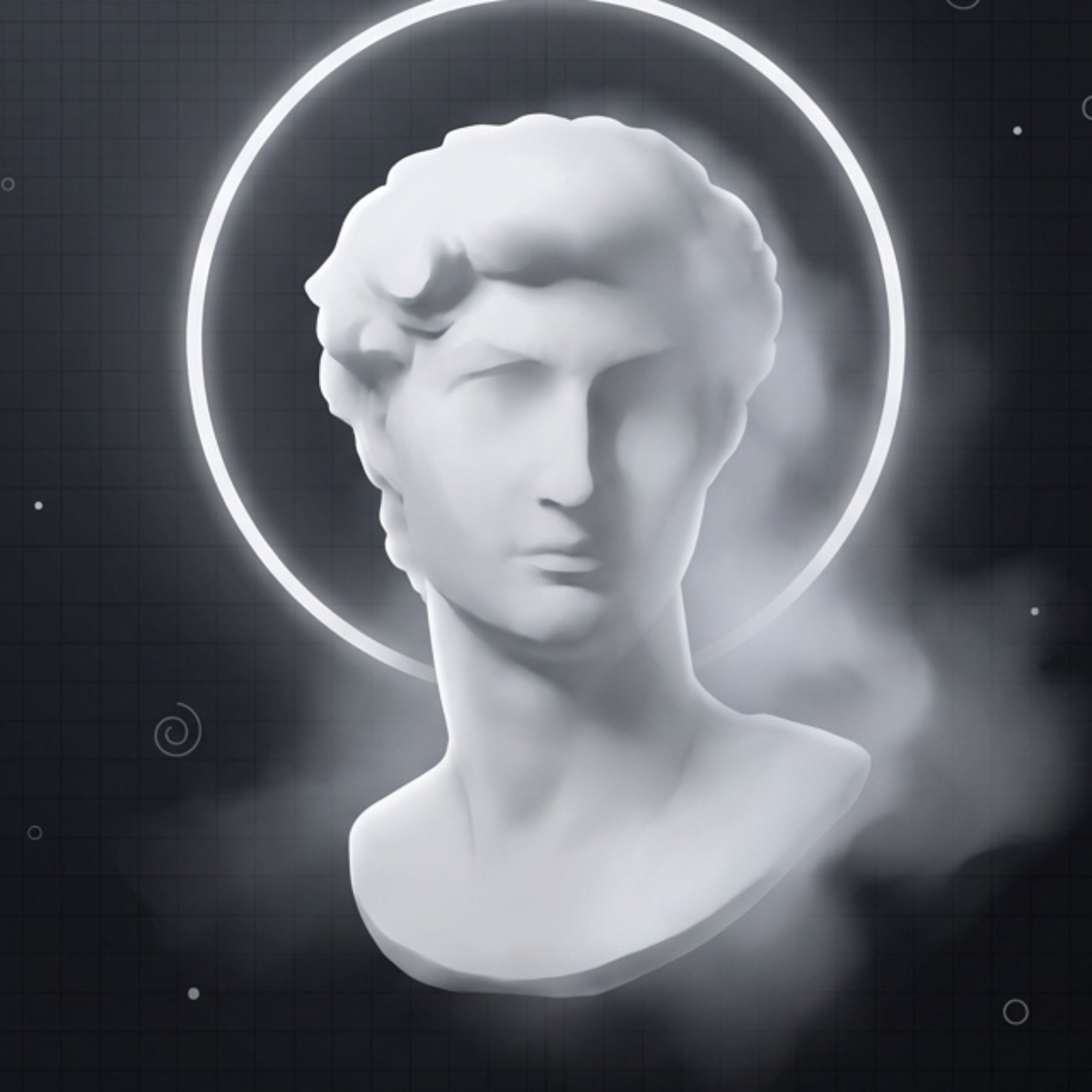
Drift off to the great questions that have shaped human thought. Each episode wanders gently through the ideas of philosophers ancient and modern from Stoic reflections to existential musings, paradoxes, and meditations on meaning, time, and the self. Soft narration, slow pacing, and thoughts worth sleeping on.
-
281
The Philosophy of Zhuangzi and the Butterfly Dream for Sleep
In the quiet stillness before sleep, this calm philosophy episode explores Zhuangzi and the famous dream of the butterfly. Long ago, the Chinese philosopher Zhuang Zhou fell asleep and dreamed he was a butterfly, drifting from flower to flower, happy and light. Then he woke, unmistakably himself, yet could not be sure whether he was a man who had dreamed of being a butterfly, or a butterfly now dreaming of being a man. What is most striking is his tone. He offers this uncertainty not with fear, but with delight. Tonight, as a butterfly wanders on a warm and drowsy night, we let its lightness soften the edges of the mind.Many of us grip tightly at certainty, at fixed answers and firm identity, uneasy until everything is pinned down. Zhuangzi, the playful Taoist sage, offered a gentler way. The rigid boundaries we defend, he saw, between waking and dreaming, self and world, this and that, are far softer than we believe, and clinging to them is a source of our unrest. Through his butterfly dream, the episode loosens the anxious need to be sure, turning uncertainty from a threat into an opening, and not-knowing into a place of ease rather than fear.There is nothing you must be certain of tonight, not even where waking ends and dreaming begins. You can loosen your grip and drift, like the butterfly, softly across the border into sleep.
-
280
The Philosophy of Carl Jung and Coming Home to Yourself for Sleep
In the quiet stillness before sleep, this calm philosophy episode explores Carl Jung and the gentle homecoming to yourself. Jung believed that the "I" we wake up as each morning is not the true center of who we are. That everyday self, the one that plans and worries and calls itself "me," he called the ego, and he placed it at the surface of the mind. Beneath it lies a deeper center that holds the whole of us, conscious and unconscious together, which he called the Self. Tonight, in a still house lit by a single warm light at its center, we turn gently toward that quiet ground.Many of us know a subtle homesickness, a sense of being estranged from ourselves, living at the surface, not quite at home in our own being. Jung offered a gentle understanding. That restlessness, he thought, may be the psyche's own pull toward a center it has lost touch with. Through the slow journey he called individuation, the ego comes into right relationship with the Self, not dissolved or erased, but finding its true place, like a small light discovering it was never meant to be the sun. Coming home, in this frame, is not arriving somewhere new, but returning to a center that was always there, quietly holding us.There is nothing you must become tonight. The center of who you are was always there, waiting, and you can settle toward it and rest in the quiet of coming home, as you drift gently into sleep.
-
279
The Philosophy of Montaigne and the Joy of Ordinary Life for Sleep
In the quiet stillness before sleep, this calm philosophy episode explores Michel de Montaigne and the joy of ordinary life. In 1571, on his thirty-eighth birthday, a French nobleman withdrew from public life to a round tower on his estate, lined its walls with books, and set out to spend his remaining years in quiet reflection. What he wrote there became the Essais, and what he discovered surprised him. He had expected wisdom in great and serious matters; instead, he found it in ordinary life, in a meal, a conversation, a walk, the plain pleasure of an unremarkable day. Tonight, in a warm room where a fire burns low and an old book rests on the table, we turn gently toward that quiet richness.Many of us live believing that real life is elsewhere, that this ordinary moment is only a wait for something greater. Montaigne came to think the opposite. A good life, he saw, is not made of glory or greatness, but of ordinary days lived well and fully, present to their simple pleasures. We squander life, he believed, by always looking past it, reaching for the extraordinary while the everyday goes untasted. Through his gentle practice of being wholly present, dancing when he danced and resting when he rested, the episode reveals that the life we keep waiting to begin is the very one passing quietly through our ordinary hours.There is nothing you must reach for tonight. The quiet richness of being here is already enough, and you can savor this ordinary evening and rest, as you drift gently into sleep.
-
278
8 Hours of Carl Jung on Finding Yourself for Deep Sleep
Settle in for eight full hours of calm Carl Jung philosophy on finding yourself, made for deep sleep, quiet reflection, and the slow journey inward. Jung spent his life mapping the hidden depths of the psyche, believing that beneath the surface self we show the world lies a fuller, truer self waiting to be discovered. Across this long and unhurried compilation, his most profound ideas about becoming who you are are softened into a companion for the quiet hours, when the day is done and the mind is finally ready to turn gently inward.Through the long night, the reflections move slowly through the heart of Jung's vision of self-discovery: the persona we wear and the truer self beneath it, the shadow that holds both our hidden darkness and our disowned light, the slow spiraling path he called individuation, and the quiet work of gathering the scattered parts of who we are into wholeness. Jung believed we do not find ourselves by striving to become someone new, but by uncovering the self already within, welcoming home the parts we had set aside. Each reflection is paced for sleep, calm and symbolic, asking nothing of you but to listen and let go.By moonlight and still water, past old doors and quiet rooms, there is nothing to become tonight and nothing to solve. You can let these eight hours carry you gently inward, toward the self that was always there, until the mind grows still and sleep arrives on its own.
-
277
The Philosophy of Heraclitus and the River of Change for Sleep
In the quiet stillness before sleep, this calm philosophy episode explores Heraclitus and the river of change. Twenty-five centuries ago, in the Greek city of Ephesus, a philosopher looked at a river and saw the shape of all things. You cannot step twice into the same river, he said, for fresh waters are ever flowing on. Heraclitus believed this was true not of rivers alone, but of everything that exists. All things flow. Nothing stays fixed. Tonight, beside a dark river moving steadily beneath the moon, we begin to loosen our grip on permanence.Many of us know the ache of wanting to hold things still, and the unrest when they change regardless. Heraclitus offered a gentler understanding. Change, he saw, is not an intruder disturbing a stable world, but the very fabric of a living one; the river is only a river because it flows. Our suffering, then, comes less from change itself than from resisting it, from clinging to a stillness the world does not offer. Yet beneath the flux he saw an underlying order, the Logos, a hidden harmony holding the ceaseless change together, so that the flow is not chaos but a kind of music we belong to.There is nothing you must hold still tonight. All things flow, and you can release your grip on permanence and let the current carry you gently into sleep.
-
276
The Philosophy of Lao Tzu and the Wisdom of Waiting for Sleep
In the quiet stillness before sleep, this calm philosophy episode explores Lao Tzu and the wisdom of waiting. There is an old question in the Tao Te Ching that lands differently at night: who can remain still while the muddy water slowly clears? The text pictures water stirred and clouded, and asks not how to fix it, but whether we can wait, whether we can leave it undisturbed long enough for the mud to settle and the water to grow clear on its own. Tonight, beside a still pool slowly clearing in the dark, we begin to loosen the urge to hurry.Many of us know the restlessness of straining against the pace of things, trying to force what can only ripen slowly. Lao Tzu offered a gentler understanding. Nature is never in a hurry, he saw, yet everything is accomplished; the seasons turn, the seed becomes the tree, all in a time that cannot be rushed. This waiting is not idle passivity but a deeper wisdom, knowing when to act and when to be still, and trusting that stillness can accomplish what force cannot. Through his image of muddy water that clears only when left to settle, the episode reveals that clarity is not made by effort, but allowed by patience.There is nothing you must hurry tonight. Things ripen in their own time, and you can release the rush and trust that this night, too, will unfold as it should, as you drift gently into sleep.
-
275
The Philosophy of Nietzsche and Beginning Again for Sleep
In the quiet stillness before sleep, this calm philosophy episode explores Friedrich Nietzsche and the gentle art of beginning again. At the very opening of Thus Spoke Zarathustra, Nietzsche tells a small parable of three transformations: the spirit becomes a camel, heavy-laden; the camel becomes a lion, who fights to be free; and the lion, at last, becomes a child, whom Nietzsche calls a new beginning, a sacred yes. We carry so much of who we have been, old failures and regrets, until it grows heavy to move beneath. Tonight, as soft snow falls and quietly covers the day's tracks, we ask whether we might set that weight down.Many of us know how each new day can feel like more of an old burden. Nietzsche offered a gentler understanding than his reputation suggests. In an earlier essay, he defended a certain kind of forgetting, not the loss of memory, but the capacity to let the past settle and release its grip, so that life and action become possible again. The child meets the world fresh, innocent not of experience but of the crushing weight of the past. Through this image, the episode reveals that beginning again is not the erasure of what happened, but a freedom from being bound by it.There is nothing you must undo tonight. You can lay the day down, like tracks going quiet under the snow, and begin again in the morning, as you drift gently into sleep.
-
274
The Philosophy of Lao Tzu and the Peace of Enough for Sleep
In the quiet stillness before sleep, this calm philosophy episode explores Lao Tzu and the peace of enough. There is a line in the Tao Te Ching that sounds almost like a riddle: the one who knows he has enough is rich. Not the one who has much, but the one who knows he has enough. We tend to believe peace waits at the end of getting more, and so we lean, always, toward the next thing. Lao Tzu saw that this reaching is a chase with no finish line, because desire always renews itself just beyond whatever we reach. Tonight, beside a simple cup filled just enough, we begin to set that chase gently down.Many of us know the quiet sense that whatever we have or become is somehow not quite enough yet. Lao Tzu offered a freeing understanding through the teaching he called knowing contentment. Enough, he saw, is not an amount to be acquired but a recognition already available, and the reaching itself, more than any real lack, is what keeps us from rest. Through his image of the cup filled just enough rather than to overflowing, the episode reveals that fullness is not the most we can pour, but the right measure, and that peace comes not from adding more but from ceasing to reach.There is nothing you must gain tonight. Enough was here all along, and you can stop the chase and rest in what you already have, as you drift gently into sleep.
-
273
The Philosophy of Buddhism and Watching Worry Pass for Sleep
In the quiet stillness before sleep, this calm philosophy episode explores Buddhist wisdom and the gentle art of watching worry pass. Nearly twenty-five centuries ago, the Buddha offered a simple diagnosis of suffering: that it arises from craving, from the mind's grasping after what it wants to hold. Sit with that at night, and it names something precise about worry. When we lie awake rehearsing tomorrow, we are grasping at a future that does not yet exist, and the grip changes nothing about tomorrow, only disturbs tonight. Tonight, at a dark window looking out on a still world, we begin to loosen that reaching.Many of us know the restlessness of a mind leaning forward into a future not yet formed. The Buddhist tradition meets this with a gentle practice, drawn from its teachings on impermanence and mindful attention. The invitation is not to solve each worry or force it away, but to watch it, to see a worry arise, recognize it as a passing movement of mind reaching toward what is not here, and let it go by without following its story. As each worry is watched rather than obeyed, the grip on tomorrow loosens, and the mind returns to the quiet present.There is nothing you must solve tonight. Worry is only the mind reaching toward a future that is not here, and you can watch it pass and rest in the quiet of now, as you drift gently into sleep.
-
272
The Philosophy of Carl Jung and the Self You Hide for Sleep
In the quiet stillness before sleep, this calm philosophy episode explores Carl Jung and the self you hide. There is a strange claim at the heart of Jung's psychology: that the part of ourselves we most carefully hide may hold not our worst, but our best. We picture the shadow as a store of faults, yet Jung insisted it holds more than darkness. Buried there, alongside what we judged as bad, lie disowned strengths, gifts, and depths we long ago learned to keep out of view. Tonight, in a quiet room where warm light glows behind a door left not quite closed, we turn gently toward that hidden light.Later readers of Jung named this buried brightness the golden shadow, the treasure in the dark. Many of us know a quiet version of it, a sense of having dimmed ourselves, of playing small to stay safe or to belong. From early on, we learn that certain gifts draw envy or expectation, and so we hide them away. This episode follows Jung's account of the shadow and the slow work he called individuation, exploring why we bury our own light, and how becoming whole means reclaiming not only our darkness but our brightness.There is nothing you must prove or become tonight. The fuller self you kept out of sight is quietly yours, waiting behind a door left open just enough, as you drift gently into sleep.
-
271
8 Hours of Ancient Greek Philosophy for Deep Sleep
Settle in for eight full hours of calm ancient Greek philosophy, made for deep sleep, quiet reflection, and the slow settling of the mind. Long before the modern world, the thinkers of ancient Greece sat with the largest questions of living, how to face fortune and loss, how to want well, how to meet death without fear, how to build a life that is genuinely good. Across this long and unhurried compilation, their most enduring ideas are softened into a companion for the quiet hours, when the day is done and the mind is finally ready to rest.Through the long night, the reflections move slowly through the wisdom of the ancient Greek world, from the questioning of Socrates and the ordered vision of Plato and Aristotle to the calm resilience of the Stoics and the gentle contentment of Epicurus. They explore how to steady the mind against what we cannot control, how happiness might come from wanting less rather than gaining more, and how a life of quiet virtue was thought to be a life well lived. Each reflection is paced for sleep, calm and grounded, asking nothing of you but to listen and let the thoughts grow still.By the steady wisdom of the ancient world, the cares of the day are gently set down. There is nothing to solve tonight and nothing to prove. You can let these eight hours steady you, releasing each thought as it passes, until the mind grows quiet and sleep arrives on its own.
-
270
The Philosophy of Nietzsche and Becoming Who You Are for Sleep
In the quiet stillness before sleep, this calm philosophy episode explores Friedrich Nietzsche and the gentle art of becoming who you are. Most of us know the quiet tiredness of living as someone we are not, carrying borrowed selves and the expectations of others. Nietzsche's famous call is often heard as a demand to strive, yet beneath it lies something softer: the sense that who you truly are is already within you, waiting to unfold. Tonight, in a quiet room where a plant leans gently toward the moonlight, we turn toward that quieter becoming.Many of us live divided between our own nature and the self we were told to be. Nietzsche offered a gentle understanding. To become who you are, echoing an ancient phrase, is not to build a grander self or reach some distant ideal, but to uncover the self already within, shedding what was laid over our own nature. Like a seed that already contains its tree, we do not force who we are so much as allow it, unfolding in its own time. Through laying down the borrowed selves and trusting our own nature, the episode turns becoming yourself from a striving into a gentle homecoming.By moonlight and quiet unfolding, the effort to be someone else is gently set down. You do not have to strive to become someone tonight. Who you truly are is already within you, unfolding in its own time, and you can stop forcing and simply let it be, as you drift into sleep.
-
269
The Philosophy of Carl Jung and Why You Feel Alone for Sleep
In the quiet stillness before sleep, this calm philosophy episode explores Carl Jung and the gentle ache of feeling alone. Most of us know moments of feeling unseen or unmet, a quiet loneliness that can visit even in a room full of people. Jung understood this feeling with real tenderness, and saw that it often points not to a simple lack of company, but to a distance from being truly known. Tonight, in a quiet house where a single lamp glows against the dark, we turn gently toward the deeper roots of feeling alone.Many of us seek to escape loneliness through others, yet the ache can linger. Jung offered a gentler understanding. Others often meet only our outer self, he saw, so we can feel unknown even among those who care for us, and when we grow distant from our own inner depths, we carry a loneliness within us wherever we go. He drew a soft distinction between loneliness, the painful sense of disconnection, and solitude, the quiet richness of being at home with oneself. Through turning inward and reconnecting with the deeper self, the episode lets the ache of feeling alone ease gently into a warm, companioned solitude.By the glow of a single lamp, the ache of aloneness is gently softened. You are less alone than you feel tonight. You can come home to your own depths and keep yourself gentle company, and the loneliness can ease into peace, as you drift into sleep.
-
268
The Philosophy of Dostoevsky and the Restless Mind for Sleep
In the quiet stillness before sleep, this calm philosophy episode explores Fyodor Dostoevsky and the restless, overthinking mind. Most of us know the mind that will not rest, that turns and turns in the dark, questioning, doubting, and arguing with itself. Dostoevsky, the great Russian novelist, understood this mind more intimately than almost anyone, and met it not with frustration but with deep compassion. Tonight, in a dim room where a lamp burns low, we turn gently toward our own restless thoughts.Many of us know the exhaustion of a mind that churns through the night, seeking a certainty that endless thinking never quite provides. Dostoevsky offered a tender understanding. Drawn from his own searching, difficult life, his work reveals the restless mind not as a flaw to be ashamed of, but often as the mark of a soul that feels and searches deeply. Peace, he sensed, comes not from winning every inner argument, but from something gentler, from acceptance, compassion, and a quiet letting-go. Through meeting our own overthinking with kindness rather than struggle, the episode lets the turning of the mind slowly soften.By the low light of a single lamp, the restless mind is gently met and eased. You do not have to win every argument in your mind or force it quiet tonight. Your restlessness is the mark of a searching soul, and meeting it with compassion lets it gently soften, as you drift into sleep.
-
267
The Philosophy of Lao Tzu and Trusting What Comes Next for Sleep
In the quiet stillness before sleep, this calm philosophy episode explores Lao Tzu and the gentle art of trusting what comes next. So many of us lie awake bracing against an unknown future, straining to see and control what has not yet come. Lao Tzu, the ancient Taoist sage, offered a softer way. He saw that life unfolds according to its own deep order, the Tao, and that the future arrives in its own time whether we grip at it or not. Tonight, on a quiet path winding gently into the dark, we begin to loosen our hold on the unknown.Many of us know the tension of tightening against uncertainty, rehearsing every turn of a road we cannot see. Lao Tzu met this struggle with deep gentleness. We cannot see the whole path ahead, he saw, and we do not need to, for the road reveals itself step by step as we walk it. Through his image of nature unfolding without anxious striving, the seasons arriving each in turn, the episode invites the listener to stop straining to see the end, to trust the natural unfolding of things, and to let the future come in its own time.By moonlight and a gently winding path, the grip on the unknown is softly loosened. You do not have to see the whole road or know what comes next tonight. Life will unfold as it should, and you can trust it and rest, as the path carries you gently into sleep.
-
266
The Philosophy of Buddhism and Releasing Regret for Sleep
In the quiet stillness before sleep, this calm philosophy episode explores Buddhist wisdom and the gentle release of regret. So many of us carry the ache of old mistakes, turning them over in the dark and wishing we had done differently. Buddhism offers a soft understanding of this ache. The past, it sees, is already gone, dissolved like every passing moment, and regret is the mind clinging to what can no longer be changed. Tonight, beside a quiet river carrying leaves gently downstream, we begin to loosen our hold on the past.Many of us know the heaviness of reliving old moments, as if gripping them tightly might somehow undo them. The Buddhist tradition met this struggle with deep gentleness. Suffering, it saw, comes not from the past itself, which has passed, but from our grasping at it in the present. Through the truth of impermanence and the practice of meeting ourselves with compassion rather than harsh judgment, the episode invites the listener to see that we acted with the understanding we had at the time, and to let old regrets drift away like leaves upon the water.By moonlit water and the quiet current, the weight of regret is gently laid down. You do not have to keep holding the past tonight. It is already gone, and you can meet yourself with compassion and let the regret drift gently away, as you slip into sleep.
-
265
The Philosophy of Carl Jung and Setting Down the Mask You Wear for Sleep
In the quiet stillness before sleep, this calm philosophy episode explores Carl Jung and the mask each of us wears to meet the world. Most of us know the quiet tiredness of holding a composed, capable self in place all day, the face Jung called the persona. He understood this mask well, seeing it as useful, even necessary, yet quietly costly to wear too long. Tonight, in a candlelit room where the day's mask rests on a table by the door, we turn gently toward the truer self beneath.Many of us know the effort of performing a polished self for the world, and the longing to set it down when evening comes. Jung offered a gentle understanding. The persona is not a lie, he saw, but a useful face that helps us belong and move through daily life. The trouble comes only when we wear it so long that we forget the fuller self beneath, and grow strangely hollow. Through the gentle laying-down of the mask when the day's roles are done, the episode reframes the unmasking not as a loss but as a homecoming, a return to the honest self who has been waiting quietly underneath.By candlelight and a mask set aside, the face the day required is gently laid down. You do not have to hold the mask in place tonight. The day is over, and a truer self waits beneath it, ready to rest as you drift gently into sleep.
-
264
8 Hours of Philosophy for Overthinkers to Fall Asleep To
Settle in for eight full hours of calm philosophy made for overthinkers, gently guiding the busy, restless mind toward deep sleep and quiet stillness. For those who lie awake with thoughts that will not slow, the world's calmest thinkers offer a softer way, not by forcing the mind quiet, but by understanding why it races and gently loosening its grip. Across this long and unhurried compilation, their most soothing ideas are woven together into a companion for the quiet hours, when the day is done and the overthinking mind is finally ready to rest.Through the long night, the reflections move slowly through the wisdom of many traditions: the Stoic release of worry over what we cannot control, the Buddhist art of watching each thought drift by like a passing cloud, the Taoist trust in the natural flow of things, and the quiet acceptance that so much of what we turn over in the dark was never ours to solve tonight. Each reflection is paced for sleep, calm and spacious, asking nothing of the overthinking mind but to listen and slowly let go.By gentle reflection and the slow rhythm of the breath, the racing mind is invited to settle. There is nothing to solve tonight and nothing to figure out. You can let these eight hours quiet the overthinking, releasing each thought as it passes, until the mind grows still and sleep arrives on its own.
-
263
The Philosophy of Nietzsche and the Fear of Being Judged for Sleep
In the quiet stillness before sleep, this calm philosophy episode explores Friedrich Nietzsche and the fear of being judged. So many of us carry an invisible courtroom within, replaying how we were seen and bracing against what others might think, even long after the day's audience has gone. Nietzsche understood this weight, and saw how heavily the imagined judgment of others can press upon us. Tonight, in a still room with the audience gone, we begin to quiet that inner courtroom.Many of us know the tiredness of shaping ourselves to escape disapproval. Nietzsche offered a freeing understanding. Much of the judgment we fear, he saw, is borrowed, the values of the crowd absorbed until we police ourselves by standards we never truly chose. His call to become who you are was, at heart, an invitation to step off the crowd's stage and stand on your own ground. Through the recognition that the feared judges are not truly ours, and that our worth is not decided by watching eyes, the episode guides the listener from anxious self-consciousness toward a calm, grounded self-belonging.By the quiet of an empty room, the fear of judgment is gently laid down. You do not have to fear the judgment of others tonight. So much of it is borrowed, and none of it decides your worth, so you can step off the stage and belong to yourself, as you drift gently into sleep.
-
262
The Philosophy of Carl Jung and Emotional Numbness for Sleep
In the quiet stillness before sleep, this calm philosophy episode explores Carl Jung and the gentle meaning of emotional numbness. Many of us know moments of feeling flat or distant from our own hearts, moving through the days as if watching life from behind glass. Jung understood this quiet state with real tenderness. He saw numbness not as a failing, but often as a shelter the mind builds when feeling becomes too much to hold. Tonight, in a still and dim room, we turn toward that quiet flatness with patience rather than alarm.Many of us grow uneasy at the distance from our own feelings, and strain to force the warmth back. Jung offered a gentler understanding. The psyche has its own protective wisdom, he saw, and sometimes turns the volume of feeling down to keep us safe. The feelings beneath do not vanish; they wait quietly, like still water beneath winter ice, until it feels safe to return. Through the understanding that we heal such numbness not by forcing ourselves to feel but by meeting it with patience, the episode softens the pressure and lets the inner life begin to thaw in its own time.By the quiet of a still room, the pressure to feel is gently laid down. You do not have to force yourself to feel tonight. The numbness is a shelter, not a failing, and your inner life can return gently, in its own time, as you drift into sleep.
-
261
The Philosophy of Lao Tzu and Letting Go of Worry for Sleep
In the quiet stillness before sleep, this calm philosophy episode explores Lao Tzu and the gentle letting go of worry. So many of us lie awake gripping at an uncertain future, trying to hold tomorrow in place before it arrives. Lao Tzu, the ancient Taoist sage, offered a softer way. He saw that life moves like a river, according to its own nature, and that much of our worry is simply the strain of fighting that current. Tonight, beside a quiet river drifting through the dark, we begin to loosen our anxious hold.Many of us know the restless tightening of a worried mind, rehearsing all that might go wrong. Lao Tzu met this struggle with deep gentleness. He taught that the future unfolds by its own way, however tightly we grip, and that anxious control only wearies the one who clutches. Through his image of water, which never worries over its path but flows softly around each stone and always finds its way, the episode invites the listener to stop gripping the future, to trust the flow of things, and to let the worries they cannot resolve simply drift downstream.By moonlit water and the quiet current, the anxious grip is gently loosened. You do not have to hold the future or resolve every worry tonight. Life will flow as it will, and you can let the current carry you gently into sleep.
-
260
The Philosophy of Nietzsche and the Quiet Release of Resentment for Sleep
In the quiet stillness before sleep, this calm philosophy episode explores Friedrich Nietzsche and the gentle release of resentment. So many of us carry old grievances quietly, replaying them in the dark long after the moment has passed. Nietzsche understood this feeling more clearly than almost anyone, and saw how such resentment slowly weighs on the very heart that holds it. Tonight, in a still and quiet room, we begin to set that old weight gently down.Many of us know how a grudge can linger, kept alive by rehearsing an old wound again and again. Nietzsche gave this brooding resentment a name, ressentiment, and saw that it binds us to the very moment and person that hurt us, weighing most heavily on the one who carries it. He pointed toward a quiet strength in being able to let it go, not for anyone else's sake, but to free our own heart. Through the understanding that releasing a grievance is not weakness but freedom, the episode gently loosens the old weight, turning the heart back, softly, toward life and rest.By the quiet of the night, the heavy stone of resentment is gently laid down. You do not have to keep carrying the old grievance tonight. Holding it only weighs on your own heart, and you are free to set it down, letting your heart grow light as you drift gently into sleep.
-
259
The Philosophy of Carl Jung and the Quiet Peace of the Unlived Life for Sleep
In the quiet stillness before sleep, this calm philosophy episode explores Carl Jung and the gentle peace of the unlived life. Almost all of us carry a soft sense of other lives we might have lived, the paths we did not take and the sides of ourselves we quietly set aside. Jung understood this feeling with great tenderness. Tonight, in a quiet house where a few doors were never quite opened, we turn gently toward the roads not taken.Many of us know the quiet ache of wondering what might have been. Jung offered a gentler understanding. To become who we are, he saw, we must choose, and each choice quietly closes the door on other lives we might have lived. Yet these unlived parts do not vanish; they remain within us, sometimes stirring as a longing, a gentle call from the deeper self toward wholeness. Through the understanding that we need not have lived every possible life to be whole, the episode reframes the unlived life not as regret or failure, but as a tender part of who we are, to be held with acceptance rather than grief.By moonlight and quiet, unopened doors, the ache of the roads not taken is gently laid down. You do not have to have lived every life to be whole tonight. The lives you did not live are not lost, but held quietly within, resting beside you as you drift gently into sleep.
-
258
The Philosophy of Lao Tzu and the Quiet Peace of Returning to Simplicity for Sleep
In the quiet stillness before sleep, this calm philosophy episode explores Lao Tzu and the gentle peace of returning to simplicity. So much of our nighttime restlessness comes from lives grown too full and minds grown too complicated, crowded with wants, plans, and the endless effort of keeping up. Lao Tzu, the ancient Taoist sage, offered a softer way. Tonight, in a simple and bare room lit by soft moonlight, we begin to set the excess gently down.Many of us know the quiet tiredness of carrying more than we can hold. Lao Tzu saw that we begin close to a natural simplicity and slowly complicate our lives, gathering more until we lose touch with the ease beneath it all. He offered a memorable image of what we can return to: the uncarved block, a piece of wood whole and simple in its natural state, before it is shaped and cut. Through the gentle shedding of the excessive and unnecessary, and the deep contentment of wanting less, the episode reveals that returning to simplicity is not a loss but a homecoming, a recovering of a calm we always carried beneath the clutter.By moonlight and quiet simplicity, all we have piled on is gently laid down. You do not have to carry so much tonight. Peace was never in the piling-on, but in the returning, in the simple ease you can always come home to, as you drift gently into sleep.
-
257
8 Hours of Calm Buddhist Philosophy for Deep Sleep and a Quiet Mind
Settle in for eight full hours of calm Buddhist philosophy, made for deep sleep, quiet reflection, and the slow releasing of the day. For thousands of years, the Buddhist tradition has offered a gentle wisdom for meeting a restless mind with softness rather than struggle. Across this long and unhurried compilation, its most enduring ideas are softened into something spacious and soothing, a companion for the quiet hours when the world has gone dark and the mind is finally ready to grow still.Through the long night, the reflections move slowly through the heart of Buddhist thought: the quiet truth of impermanence, and how every passing thought and feeling is already on its way out; the gentle release of non-attachment, holding life without gripping it; the practice of watching thoughts drift by like clouds across a wide and open sky; and the deep stillness that rises on its own once we stop stirring the waters of the mind. Each reflection is paced for sleep, gentle and spacious, asking nothing of you but to listen and let go.By moonlight and the slow rhythm of the breath, the restless mind is invited to settle. There is nothing to solve tonight and nothing to hold. You can let these eight hours carry you gently, releasing each thought as it passes, until the mind grows quiet and sleep arrives on its own.
-
256
The Philosophy of Miyamoto Musashi and the Empty Mind for Sleep
In the quiet stillness before sleep, this calm philosophy episode explores Miyamoto Musashi and the peace of the empty mind. Though he was Japan's legendary swordsman, Musashi pointed near the end of his life not toward force, but toward emptiness, a mind clear of clutter, calm and open and still. So much of our nighttime restlessness comes from a mind that is simply too full, crowded with plans, worries, and the constant effort of holding everything at once. Tonight, in a quiet and spare room, we begin to set that clutter gently down.Many of us know the tiredness of a mind too full to rest. Musashi offered a grounded and soothing answer. After a lifetime of discipline, he came to value a spacious, uncluttered clarity, reached not by adding more effort, but by letting go. In his final writing on the Void, he pointed toward a mind like still water, calm and clear, reflecting whatever passes without a ripple. Through the slow emptying of the crowded mind, the episode reveals that clarity is not found in fullness, but in a quiet, open stillness that has released all unnecessary strain.By still water and quiet emptiness, the clutter of the day is gently laid down. You do not have to hold everything tonight. The mind finds its deepest calm not in fullness but in emptiness, spacious and clear, as you drift gently into sleep.
-
255
The Complete Philosophy of Spinoza for Sleep
In the quiet stillness before sleep, this calm philosophy episode explores the complete philosophy of Baruch Spinoza and the serene peace of belonging. Among the most tranquil of all thinkers, Spinoza was a quiet man who ground lenses by day and saw, in his philosophy, one vast and unbroken whole of which we are each a small and belonging part. Tonight, beneath a wide and gentle night sky, we rest within that single, calm vision of reality.Many of us carry a quiet sense of feeling separate, alone, or adrift, and long to feel that we belong to something larger. Spinoza offered a deeply soothing answer. All of existence, he saw, is one infinite whole, which he called God, or Nature, and nothing is truly separate from it, no more than a wave is separate from the ocean. The episode moves gently through the great pillars of his thought: the understanding that frees us from being ruled by our feelings, the calm that comes from flowing with the order of things rather than fighting it, the wide view from which our small troubles soften, and the deep blessedness of a serene love of the whole.By starlight and the sense of one unbroken reality, the lonely, separate self is gently dissolved into the greater unity. You do not have to feel alone or adrift tonight. You are part of one vast and unbroken whole, held within it, belonging completely, as you drift gently into sleep.
-
254
The Philosophy of Nietzsche and the Quiet End of the Fear of Failure for Sleep
In the quiet stillness before sleep, this calm philosophy episode explores Friedrich Nietzsche and the gentle end of the fear of failure. Often imagined as the thinker who demanded we never fall, Nietzsche understood failure more deeply, and more kindly, than that. He saw it woven into any life worth living, and saw that our fear of it keeps us small and restless. Tonight, in a still lamplit room, we let the dread of falling short slowly soften and grow quiet.Many of us know the fear that grows loud in the dark, replaying past stumbles and bracing against tomorrow's risks, as if a single failure could undo us. Nietzsche offered a freeing understanding. Failure, he saw, is not the opposite of growth but part of it, the necessary stumbling of anyone reaching toward something. His idea that what does not destroy us can strengthen us reveals our falls not as endings but as passages, teaching and deepening us. Through the recognition that the fear shrinks us more than failure ever could, the episode guides the listener from dread toward a quiet, steady courage, unafraid to reach and unafraid to fall.By soft lamplight and the fading of the fearful voice, the dread of falling short is gently laid down. You do not have to fear failure tonight. It is not the end of you but part of how you become who you are, and in that quiet courage, sleep gently arrives.
-
253
The Philosophy of Lao Tzu and the Gentle Art of Not Forcing Life for Sleep
In the quiet stillness before sleep, this calm philosophy episode explores Lao Tzu and the gentle art of not forcing life. So much of our restlessness comes from pushing, straining, and trying to bend the world to our will, gripping tightly to how things ought to go. Lao Tzu, the ancient Taoist sage, offered a softer way. Tonight, beside slow-moving water in the dark, we learn to stop forcing, and to move instead with the quiet current of things.Many of us know the tiredness of struggling against life, of forcing outcomes and fighting the natural flow. Lao Tzu met this struggle with deep gentleness through his idea of wu wei, often described as effortless action, or doing without forcing. He saw that water, the softest thing in the world, wears away the hardest stone not by struggling but by yielding and flowing. Through his image of the sage who acts like water, moving around obstacles rather than fighting them, the episode invites the listener to release the gripping and straining, and to trust that life, like a river, knows how to find its own way.By moonlight and quiet water, the whole effort of forcing is gently laid down. You do not have to push or struggle tonight. Like water, you can simply yield, and flow, and let the current carry you softly into sleep.
-
252
The Philosophy of Carl Jung and Feeling Empty for Sleep
In the quiet stillness before sleep, this calm philosophy episode explores Carl Jung and the quiet meaning of feeling empty. That hollow sense that something is missing, that life has lost its color or meaning, is one many of us carry into the dark. Jung understood it with surprising gentleness. He saw emptiness not as a sign that something is broken in us, but often as a quiet message from the deeper self, a signal that we have drifted too far into the surface of life. Tonight, in a still and open room, we rest in that gentler understanding.Many of us know the ache of feeling hollow, and our first instinct is to rush and fill it with more, with busyness, possessions, or distraction. Jung offered a softer path. These fillings never quite reach the hollow, he saw, because they are aimed at the surface, while the emptiness lives in the depths. What we are missing is not something out in the world, but a lost connection to our own soul. Through the gentle turning inward, away from the empty surface, the episode reframes the hollow not as a void to fear but as a doorway home, and lets it slowly begin to fill from within.By soft light and quiet stillness, the frantic filling is gently laid down. You do not have to fill the emptiness tonight. It is not a void but a doorway, and simply resting in it, turning gently inward, is the beginning of coming home as you drift into sleep.
-
251
The Philosophy of Carl Jung and the Quiet Return to Your True Self for Sleep
In the quiet stillness before sleep, this calm philosophy episode explores Carl Jung and the gentle return to your true Self. So much of our quiet unease comes from living at the surface, from the masks, roles, and expectations we have worn so long that we have lost touch with who we truly are underneath. Jung believed that beneath all these layers lives a deeper, truer Self, quiet and whole, that has been there all along. Tonight, beside still water in a darkened room, we begin the slow descent inward toward it.Many of us carry a quiet longing to know who we truly are beneath all we have gathered over a lifetime. Jung offered a reassuring answer. The true Self, he taught, is not something we must build or achieve, but something already waiting to be uncovered, like the calm depths beneath the shifting surface of still water. Through the gentle setting-aside of the persona, the roles we play, and the expectations we carry, the episode guides the listener down through the layers toward the quiet center where there is nothing to perform or become.By moonlight and still water, the outer layers are gently laid down, one by one. You do not have to become anyone tonight. Who you truly are is already within you, quiet and whole, waiting to welcome you home as you drift gently into sleep.
-
250
8 Hours of Stoic Philosophy for Deep Sleep
Settle in for eight full hours of calm Stoic philosophy, made for deep sleep, quiet reflection, and the slow letting go of the day. For thousands of years, the Stoics offered a steady, grounded wisdom for meeting life with a calm and untroubled mind. Across this long and unhurried compilation, their most enduring ideas are softened into something gentle and reassuring, a companion for the quiet hours when the world has gone dark and the mind is finally ready to rest.Through the long night, the reflections move slowly through the heart of Stoic thought, drawing on Marcus Aurelius, Seneca, and Epictetus. They explore the simple, freeing difference between what we can control and what we cannot; the quiet release of worry over a future not yet here; the understanding that we suffer more in imagination than in reality; and the steady peace that comes from accepting the world as it is. Each reflection is paced for sleep, calm and grounded, asking nothing of you but to listen and let the mind grow still.By candlelight and the quiet of the night, everything you have been holding too tightly is gently set down. There is nothing to solve tonight and nothing to control. You can let these eight hours steady you, releasing worry one soft breath at a time, until the mind grows calm and sleep arrives on its own.
-
249
The Philosophy of Nietzsche and Ending Self-Doubt for Sleep
In the quiet stillness before sleep, this calm philosophy episode explores Friedrich Nietzsche and the gentle ending of self-doubt. Often imagined as the loud champion of confidence, Nietzsche beneath the fire understood the quiet, corrosive voice of the inner critic, the one that grows loudest at night, questioning our choices and whispering that we are not enough. Tonight, in a still lamplit room, we let that doubting voice slowly soften and grow quiet.Many of us know the ache of self-interrogation, the endless questioning of our worth and our way. Nietzsche offered a freeing understanding. So much of our doubt, he saw, was never truly ours, but borrowed from the crowd's standards and the harsh voices we absorbed long ago. His call to become who you are was, at heart, an invitation to reclaim your own ground and trust yourself beneath that inherited noise. Through the recognition that the critic is only one voice among many, the release of borrowed judgments, and the quiet courage to walk forward without needing certainty, the episode guides the listener from restless doubt toward steady self-trust.By soft lamplight and the fading of the critic's voice, the endless questioning is gently laid down. You do not have to resolve every doubt or be certain of everything tonight. Your worth was never something to prove to the voice that questions it, and in that quiet trust, sleep gently arrives.
-
248
The Philosophy of Carl Jung and the Divided Self for Sleep
In the quiet stillness before sleep, this calm philosophy episode explores Carl Jung and the gentle healing of the divided self. So many of us know the ache of feeling split, pulled between competing desires, at odds with our own choices, as if two people lived inside a single heart. Jung understood this feeling with great tenderness. Tonight, in a still house whose many rooms have long been at odds, we begin to make peace within.Jung believed we feel divided because parts of ourselves have been disowned and pushed into exile, sent to distant rooms of the psyche because they once felt unwelcome. The inner conflict we feel at night, he saw, is often these estranged parts still quietly longing to belong. Healing was never about one side of us defeating the other, but about ending the civil war entirely. Through the gentle welcoming home of our anger and our softness, our wildness and our fear, the episode guides the listener to stop taking sides and open every closed door, until the warring voices soften and the self becomes one.By moonlight and quiet rooms, the long war within is gently laid down. You do not have to win the battle inside you tonight. Peace was never on one side or the other, but in welcoming every part of yourself home, as you drift gently into sleep.
-
247
The Philosophy of Nietzsche and Accepting Life for Sleep
In the quiet stillness before sleep, this calm philosophy episode explores Friedrich Nietzsche and the deep peace of accepting life. Often imagined as fierce and thundering, Nietzsche beneath the fire longed for something gentle and profound: that we might accept our lives fully and wholeheartedly, not merely enduring them, but embracing them with a great, quiet yes. Tonight, beneath a wide sky full of soft stars, we begin to say that yes to the whole of our own story.Many of us carry the quiet weight of a life only partly accepted, the chapters we still wish away, the moments we cannot quite embrace. Nietzsche offered a beautiful way toward peace through his thought of the eternal return, imagined here as a gentle question rather than a doctrine: could you welcome this life again, exactly as it was? Through the understanding that the sweet and the bitter are woven into a single cloth that cannot be unstitched, the episode invites the listener to gather even the difficult chapters back into the whole, until the long ache of wishing things had been otherwise finally quiets.By starlight and open sky, the war with your own story is gently laid down. You do not have to change your life tonight, only to accept it. In that warm, wholehearted yes, a deep and freeing peace begins to hold you as you drift into sleep
-
246
The Philosophy of Marcus Aurelius and Letting Go for Sleep
In the quiet stillness before sleep, this calm philosophy episode explores Marcus Aurelius and the gentle art of letting go. Though he ruled an empire, with the weight of a whole world on his shoulders, Marcus wrote again and again about releasing what we cannot hold. Tonight, in a candlelit room at the close of the day, we notice all the things we are still gripping, and slowly, one by one, we begin to open our hands.Many of us carry a quiet exhaustion into the dark, the tiredness of holding on, gripping the past we cannot change, the future we cannot control, the opinions of others, and the way we wish things were. Marcus offered a steady, freeing wisdom. Letting go, he taught, is not resignation or defeat, but the recognition of how little we truly need to hold, and how much lighter we become when we loosen our grip. Through the gentle release of the past, the future, the need to be right, and the demand that things be otherwise, the episode guides the listener to set each burden down, one finger at a time, until the hands and the heart are finally empty and at rest.By candlelight and the quiet of the night, everything we clutch too tightly is gently laid down. You do not have to hold anything tonight. So little of it was ever yours to grip, and you are lighter and freer with open hands.
-
245
The Philosophy of Buddhism and Quieting the Mind for Sleep
In the quiet stillness before sleep, this calm philosophy episode explores Buddhist wisdom and the gentle quieting of the mind. So much of our nighttime struggle comes from trying to force the mind to be still, wrestling it toward silence and growing more restless with every failed attempt. Buddhist philosophy offers a softer way. Tonight, beside a still pool slowly growing calm, we learn that the mind quiets not by force, but by understanding.Many of us know the frustration of a chattering mind that will not settle. This ancient tradition meets that struggle with deep gentleness, revealing that our very effort to silence the mind only stirs it further, the way reaching into troubled water only clouds it more. Stillness, the Buddhist teachers understood, is not something we must create, but something already there beneath the noise, waiting to be uncovered like the calm at the bottom of a settling pool. Through the soft returning to the breath and the gentle releasing of each passing thought, the episode guides the listener to stop stirring the mind and simply let it clear on its own.By moonlight and still water, the whole struggle to silence the mind is gently laid down. You do not have to force your mind quiet tonight. Stillness is its natural state, rising softly on its own as you drift gently into sleep.
-
244
The Philosophy of Carl Jung and the Quiet Meaning of Feeling Lost for Sleep
In the quiet stillness before sleep, this calm philosophy episode explores Carl Jung and the quiet meaning of feeling lost. Jung believed that the times when we lose our way, unsure of who we are or where we are going, are not failures or detours, but meaningful passages in the deep journey toward becoming whole. Tonight, in a soft dark wood where the familiar path has disappeared, we rest in the strange peace of not knowing the way.Many of us know the quiet ache of feeling adrift, and our first instinct is to panic and rush back toward certainty. Jung offered a gentler understanding. These lost periods, he taught, are fertile thresholds, times when an old sense of self is dissolving so a truer one can slowly emerge, like a seed doing its deepest growing underground and unseen. Through his trust in the deeper self that guides us even when the conscious mind cannot see the way, the episode reframes being lost as part of being found, and invites the listener to surrender to the darkness rather than fight it.By faint starlight and the quiet of the trees, the panic to be found is gently laid down. You do not have to find your way tonight. The darkness has its own quiet wisdom, and it is working on your behalf as you drift gently into sleep.
-
243
8 Hours of the Philosophy of Carl Jung for Deep, Restful Sleep
Settle in for eight full hours of calm, reflective Carl Jung philosophy, made for deep sleep and the slow quieting of the mind. Jung spent his life exploring the hidden depths of the psyche, its shadows and symbols, its dreams and its quiet longing toward wholeness. Across this long and unhurried compilation, his most profound ideas are softened into something gentle and dreamlike, a companion for the quiet hours when the world has gone dark and the mind is finally ready to turn inward.Through the long night, the reflections move slowly through the heart of his thought: the persona we wear for the world and the shadow we keep hidden in the dark; the quiet union of opposites within us; the child we once were, still waiting to be welcomed home; and the slow, spiraling path toward becoming who we truly are. Jung believed that we do not find peace by fixing ourselves or striving to be perfect, but by gathering the scattered parts of who we already are and letting them come gently home. Each reflection is paced for sleep, calm and symbolic, asking nothing of you but to listen and let go.By moonlight and candlelight, past old doors and still water, there is nothing to solve tonight and nothing to become. You can let these eight hours carry you inward, releasing the effort of being anyone at all, until the mind grows still and sleep arrives on its own.
-
242
The Philosophy of Nietzsche and the Peace of No Longer Proving Yourself for Sleep
In the quiet stillness before sleep, this calm philosophy episode explores Friedrich Nietzsche and the deep peace of no longer proving yourself. Often imagined as the fierce prophet of strength, Nietzsche beneath the fire understood the exhaustion of a life spent seeking approval. So much of our restlessness comes from an invisible audience we carry everywhere, comparing, measuring, performing for eyes that may not even be watching. Tonight, in a still room where the audience has finally gone home, we set the whole performance down.Many of us know the quiet tiredness of always trying to be enough in others' eyes, of measuring our worth against the crowd. Nietzsche offered a freeing answer. His call to become who you are was, at heart, an invitation to stop living for the herd's approval and to belong, instead, to yourself. Through the fading of the crowd's noise, the release of endless comparison, and the understanding that your worth was never something to be earned, the episode guides the listener back to the quiet, unwatched self who has nothing left to prove.By the calm of an empty room and the softening of every watching eye, the long performance is gently laid down. You do not have to prove anything to anyone tonight. You belong to yourself, and in that quiet freedom, sleep gently arrives.
-
241
The Philosophy of Carl Jung and the Quiet Path Toward Inner Wholeness for Sleep
In the quiet stillness before sleep, this calm philosophy episode explores Carl Jung and the slow, unhurried path toward inner wholeness. Jung believed that each of us is walking a lifelong journey toward becoming who we truly are, a path he called individuation. Tonight, on a moonlit road winding gently through the dark, we set down the pressure to arrive and simply walk, trusting the quiet way beneath our feet.Many of us carry a restless impatience, the feeling that we should already be further along, more whole, more finished with the work of becoming ourselves. Jung offered a gentler understanding. Wholeness, he taught, is never completed in a rush or achieved by force, but grows slowly, like a tree ring by ring, along a path that spirals softly inward rather than running straight. Through the deep self that quietly guides the journey like a warm light glowing ahead, and the patient gathering of every scattered part of who we are, the episode invites the listener to trust the road rather than race toward its end.By moonlight and soft footsteps in the dark, the need to arrive is gently released. You do not have to complete the journey tonight. The path itself is carrying you home, and it is enough to simply keep walking softly into sleep.
-
240
The Philosophy of Buddhism and the Peace of Watching Thoughts Pass for Sleep
In the quiet stillness before sleep, this calm philosophy episode explores Buddhist wisdom and the peace of watching thoughts pass. So much of our nighttime restlessness comes from being tangled inside every passing thought, believing each one, following each one, becoming each one. Buddhist philosophy gently reveals another way. Tonight, at a quiet window in the dark, we learn to step back and simply watch the mind, the way we might watch travelers move along a distant road.Many of us know the exhaustion of being caught in our own thinking, swept from worry to memory to plan without pause. This ancient tradition offers a soft and freeing discovery: that we are not our thoughts, but the quiet awareness that watches them. Through gentle images of birds crossing an open sky, leaves drifting down a slow stream, and clouds passing over the still blue, the episode invites the listener to rest as the calm observer rather than the restless traffic. As each thought is watched without being chased, believed, or fought, the mind slowly settles on its own into a deep and spacious calm.By moonlight and quiet breath, the whole stream of thinking is allowed to drift gently by. You do not have to follow your thoughts anywhere tonight. You are the peaceful awareness watching them pass, and in that stillness, sleep quietly arrives.
-
239
The Philosophy of Thich Nhat Hanh and the Quiet Practice of Deep Rest for Sleep
In the quiet stillness before sleep, this calm philosophy episode explores Thich Nhat Hanh and the gentle practice of deep rest. So much of our exhaustion is not only in the body, but in a mind that never truly stops, still running quietly in the background even as we lie still. Thich Nhat Hanh taught that rest is not a reward we earn after all our work is done, but a sacred practice in itself. Tonight, by the light of a low candle, we give ourselves permission to finally, fully stop.Many of us lie down tired yet keep working inwardly, still solving, still bracing, still holding on to the day. This gentle Zen monk offered a softer way. He invited us to rest the way nature rests, like a seed quiet beneath the winter soil, or a still, deep pool along a rushing river, restored not by effort but by stillness. Through the gentle releasing of the body into the support beneath it, and the tender permission to be cared for by the present moment, the episode guides the listener beyond ordinary tiredness into a deep and healing rest that asks nothing at all.By candlelight and quiet breath, the whole self is finally allowed to let go. There is nothing left to carry tonight, nothing left to do. You are held, you are safe, and you are allowed to rest completely.
-
238
The Philosophy of Alan Watts and the Peace of Simply Being for Sleep
In the quiet stillness before sleep, this calm philosophy episode explores Alan Watts and the peace of simply being. So much of our restlessness comes from the feeling that we must always be getting somewhere, becoming something, justifying our existence through endless doing. Watts, drawing gently on Zen and Eastern thought, invited us to lay that struggle down. Tonight, beside still water beneath the moon, we let the forward-lean of striving slowly relax into simple presence.Many of us know the tiredness of always feeling we should be further along, more accomplished, more complete. Watts offered a softer way of seeing. Life, he suggested, is not a problem to be solved or a race toward some final note, but more like music or a dance, something to be enjoyed in the moment rather than hurried through. Through his gentle image of the self as a wave that was never separate from the ocean, and his invitation to stop gripping and trust the flow, the episode dissolves the exhausting project of becoming and returns us to the ease of just being here, now.By moonlight and still water, the whole effort of striving is gently set down. You do not have to get anywhere tonight, or become anything at all. Simply being here is already enough.
-
237
The Philosophy of Carl Jung and Making Peace With the Child Within for Sleep
In the quiet stillness before sleep, this calm philosophy episode explores Carl Jung and the tender work of making peace with the child within. Jung believed that the young self we once were is not merely a memory, but a living presence still dwelling in the psyche, carrying our earliest wonder, our first small wounds, and a spontaneity many of us have long forgotten. Tonight, through an old door opening onto earlier years, we walk gently back to sit beside the child we used to be.Many of us carry a quiet distance from that younger self, from the parts of us that once felt deeply and were told to grow up and put such things away. Jung offered a gentler path. Healing, he taught, does not come from abandoning this child further, but from turning toward them with warmth, becoming the calm and kind presence they may have long been waiting for. Through wonder, old wounds, and the slow return of a more spontaneous self, the episode traces a soft reunion between the grown self and the child within, until the two are no longer strangers but companions in one whole life.By candlelight and gentle memory, old self-judgment is laid down in favor of compassion. You do not have to fix anything tonight, only to sit beside your younger self and let them know they are no longer alone.
-
236
8 Hours of the Philosophy of Nietzsche for Peaceful, Reflective Sleep
Settle in for eight full hours of calm, reflective Nietzsche philosophy, made for deep sleep and the slow quieting of the mind. Often imagined as fierce and thundering, Nietzsche beneath the fire longed for a radical peace with life exactly as it is. Across this long and unhurried compilation, his most powerful ideas are softened into something gentle and grounding, a companion for the quiet hours when the world has gone dark and the thinking mind is finally ready to rest.Through the long night, the episodes move slowly through the heart of his philosophy: amor fati, the warm and courageous love of one's fate; the quiet strength of no longer fighting what has already been; the idea of becoming who you truly are; and the deep acceptance of a life embraced in full, with all its joys and sorrows woven together. Each reflection is paced for sleep, calm and steady, asking nothing of you but to listen and let go.There is nothing to solve tonight and nothing to fight. You can let these eight hours carry you gently, releasing the struggle with life one soft breath at a time, until the mind grows still and sleep arrives on its own.
-
235
The Philosophy of Nietzsche and the Peace of No Longer Fighting Life for Sleep
In the quiet stillness before sleep, this calm philosophy episode explores Friedrich Nietzsche and the deep peace of no longer fighting life. Often imagined as fierce and thundering, Nietzsche beneath the fire longed for a radical peace with life exactly as it is. So much of our suffering comes from a constant, quiet resisting, wishing the past were different, straining against the shape our lives have taken. Tonight, on a still moonlit road, we let that fighting gently fall away.Many of us know the tiredness of wrestling with our own story in the dark, replaying what went wrong and wishing things had been otherwise. Nietzsche offered a beautiful answer he called amor fati, the love of one's fate. It is not the peace of giving up, but the brave and warm embrace of everything that has made us who we are. Through the understanding that our struggles and joys grew from the same soil and cannot be pulled apart, the episode invites the listener to stop dividing life into what they accept and what they reject, and to say a quiet yes to the whole of it.By moonlight and open sky, the long war with life is gently laid down. You do not have to win against your own life tonight. In simply saying yes to it, a deep and unexpected peace begins to open.
-
234
The Philosophy of Carl Jung and the Quiet Union of Opposites for Sleep
In the quiet stillness before sleep, this calm philosophy episode explores Carl Jung and the gentle union of opposites within us. So much of life is spent feeling pulled in two directions at once, torn between light and shadow, strength and softness, the self we show the world and the self we keep hidden. Jung believed these opposites were never meant to be enemies. Tonight, like moonlight and candlelight resting together on the same still floor, we let the divided parts of the self quietly meet.Many of us carry a quiet exhaustion into the dark, the tiredness of being at war with ourselves, always choosing one half and fighting the other. Jung offered a softer path. Wholeness, he taught, is not about defeating one side and winning the war, but about letting the opposites soften and become one, the way two long-divided rivers join at last into a single calm current. Through the meeting of reason and feeling, striving and yielding, the outer face and the inner depth, the episode traces this slow reconciliation happening within the psyche, guided by the dreamlike symbols Jung found echoed across old stories and the language of dreams.By moonlight and still water, the inner war is gently laid down. You do not have to choose between the halves of yourself tonight. In the quiet place where they meet, you are already whole.
-
233
The Philosophy of Marcus Aurelius and the Quiet End of Worry for Sleep
In the quiet stillness before sleep, this calm philosophy episode explores Marcus Aurelius and the gentle end of worry. In the late hours, when the day's work is done and the house grows still, the mind often reaches ahead into tomorrow, rehearsing all that might go wrong. Marcus knew this restlessness well. Though he ruled an empire, he wrote his gentlest words late at night, only to himself, steadying his own heart against the very worries that keep us awake.Many of us know the exhausting habit of bracing against a future that has not yet come and may never arrive. Stoic philosophy meets this struggle with quiet, grounded wisdom. Marcus reminds us that we suffer more in imagination than in reality, that we can choose the meaning we give to any event, and that so much of our worry is spent reaching for what was never ours to control. Through his simple division between what we can and cannot change, the episode invites the listener to loosen their grip on tomorrow and rest in the calm of the present moment.By candlelight and the steady quiet of the night, the mind is invited to set down what it was never meant to carry. Most of what you fear is not here, and may never come. You can release it now, and rest.
-
232
The Philosophy of Thich Nhat Hanh and the Peace of the Present Moment for Sleep
In the quiet stillness before sleep, this calm philosophy episode explores Thich Nhat Hanh and the peace of the present moment. In the late hours, when the day is finished and the house grows still, the mind often refuses to rest with the body. It leans forward into tomorrow, drifts back into the day that has passed, and lives everywhere but here. Thich Nhat Hanh offered a gentle way home, teaching that peace is not a distant place we must reach, but a doorway we can step through in this very breath.Many of us know the quiet ache of a mind that is never fully here, always traveling into what comes next or what has already gone. This Zen monk met that restlessness with extraordinary softness. Through the simple miracle of mindful breathing, the practice of doing one thing at a time, and his tender reminder that we already have enough for happiness right now, the episode invites the listener to set down the weight of everywhere else and simply arrive. His idea of interbeing offers a deeper comfort still, the sense of being gently held by the earth, the air, and the whole living world.By candlelight and soft rain, with the slow tide of the breath, the wandering mind is welcomed home. There is nowhere else you must be tonight. You are already here, and here is enough.
We're indexing this podcast's transcripts for the first time — this can take a minute or two. We'll show results as soon as they're ready.
No matches for "" in this podcast's transcripts.
No topics indexed yet for this podcast.
Loading reviews...
ABOUT THIS SHOW
Drift off to the great questions that have shaped human thought. Each episode wanders gently through the ideas of philosophers ancient and modern from Stoic reflections to existential musings, paradoxes, and meditations on meaning, time, and the self. Soft narration, slow pacing, and thoughts worth sleeping on.
HOSTED BY
Sleepy Philosophy
CATEGORIES
Loading similar podcasts...
Frequently Asked Questions
How many episodes does Sleepy Philosophy have?
Sleepy Philosophy currently has 50 episodes available on PodParley. New episodes are automatically indexed when they're published to the podcast feed.
What is Sleepy Philosophy about?
Drift off to the great questions that have shaped human thought. Each episode wanders gently through the ideas of philosophers ancient and modern from Stoic reflections to existential musings, paradoxes, and meditations on meaning, time, and the self. Soft narration, slow pacing, and thoughts worth...
How often does Sleepy Philosophy release new episodes?
Sleepy Philosophy has 50 episodes. Check the episode list to see recent publication dates and frequency.
Where can I listen to Sleepy Philosophy?
You can listen to Sleepy Philosophy on PodParley by clicking any episode. We provide an embedded audio player for direct listening, and you can also subscribe via your preferred podcast app using the RSS feed.
Who hosts Sleepy Philosophy?
Sleepy Philosophy is created and hosted by Sleepy Philosophy.
URL copied to clipboard!