
PODCAST · religion
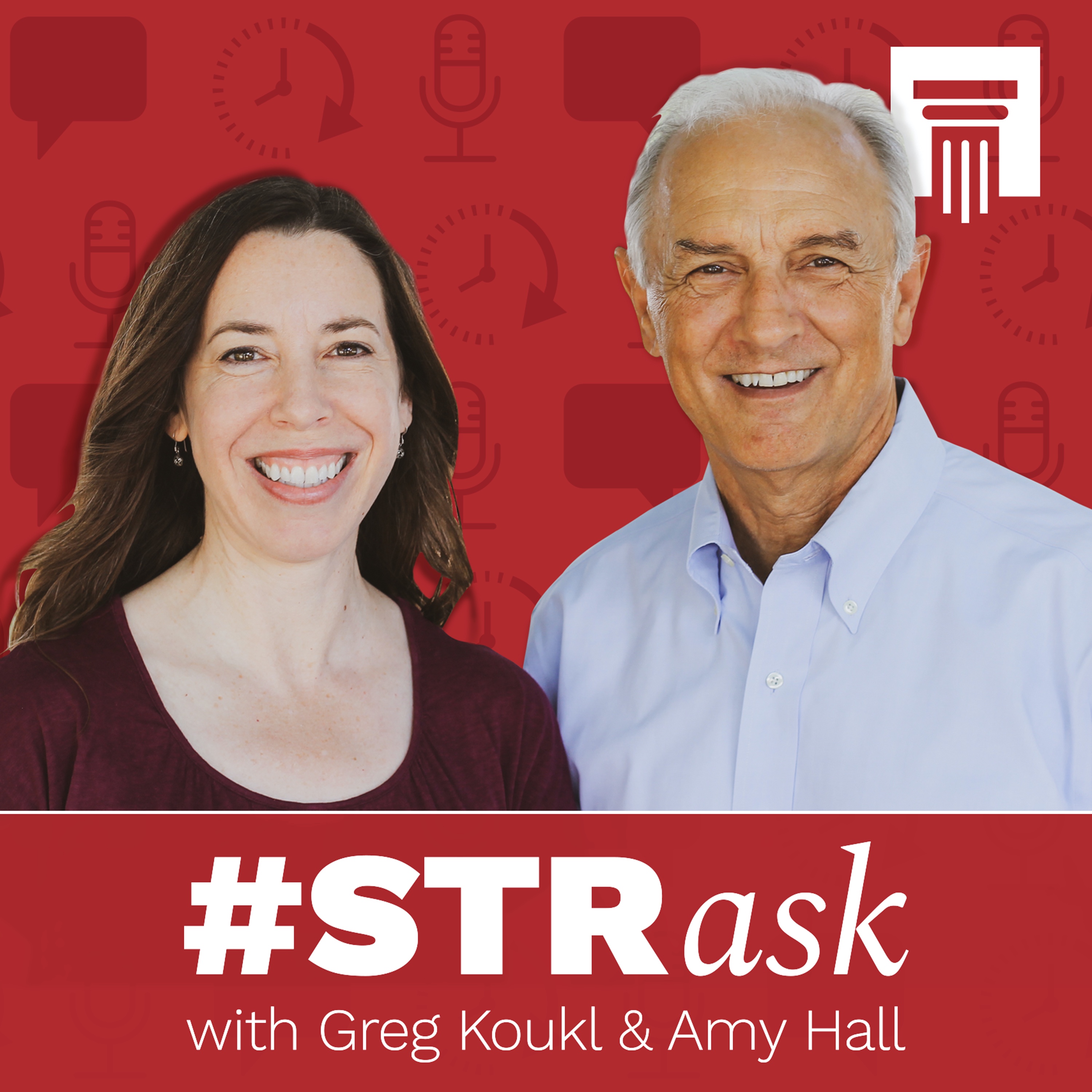
#STRask
by Stand to Reason
Stand to Reason’s Greg Koukl and Amy Hall answer questions on ethics, theology, apologetics, and culture from a Christian perspective. Submit your questions on Twitter using the hashtag #STRask.
-
100
If I’m Uncomfortable with People Seeing Me Pray, Does That Mean I’m Ashamed?
Questions about whether feeling uncomfortable when people see you pray means you’re ashamed, and advice for a single person who feels like church is pointless since it’s set up for couples and families. I have no problem talking to people about Jesus and my faith, but I am very uncomfortable with people seeing me pray. Is that wrong, and does it mean I am ashamed? Church seems pointless to me since it’s all set up for couples and families and I don’t have any of that. Do you have any advice for me?
-
99
How Should We Balance Hating Evil with Loving Our Enemy?
Questions about how to balance hating evil and protecting the innocent with loving our enemy, and how we can be salt and light in the world while also resting in the fact that God is in control. How should we balance hating evil and wanting to protect the innocent with loving our enemy? How can we be salt and light in the world but at the same time rest in the fact that God is in control—i.e., how much should we be involved in the world around us, and is self-care a sin?
-
98
Should People Have Fewer Babies Because of Overpopulation?
Questions about how Christians should regard the argument that the family structure should change and we should have fewer babies since the world is overpopulated, and whether charitable works like feeding the poor are acts of justice as well as love. How should Christians regard the argument that the family structure should change and we should have fewer babies since the world is overpopulated? Are charitable works like feeding the poor and rescuing victims of abuse acts of justice as well as love?
-
97
Can We Ever Really Know What Scripture Says on Controversial Topics?
Questions about how to respond to a pro-LGBTQ pastor who says we can’t really know what Scripture says about homosexuality or other controversial topics since we’re not apostles or prophets, and how to understand and apply prophetic books of the Bible like Jeremiah and Ezekiel. How can I respond to a pro-LGBTQ pastor who says we can’t really know what Scripture says about homosexuality or other controversial topics since we’re not apostles or prophets? How do I study the prophetic books of the Bible? I’m struggling to understand—let alone apply—books like Jeremiah and Ezekiel.
-
96
Is the Belief That We’re All Broken and Need a Savior a Sad Way to View Life?
Questions about how to respond to an unbeliever who says the belief that we’re all broken is a sad way to view life, how to reconcile Zechariah and Elizabeth being blameless with Jesus being the only sinless man, and whether the psalms about delighting in God’s Law are outdated and legalistic. What’s the best way to respond to an unbeliever who says the belief that we’re all broken and need a Savior is a very sad way to view life? If Zechariah and Elizabeth were righteous and observed all the the Lord’s commands blamelessly (per Luke 1), how can we say Jesus was the only sinless man? Is all the talk in the Psalms about delighting in God’s Law and meditating on it and doing things to help you follow it better outdated and legalistic?
-
95
How Do You Know There Aren’t Three Distinct Divine Beings?
Questions about how we know that God is one being instead of three distinct divine beings in perfect unity, and why God would give notable miracles to Oneness Pentecostals if their theology is truly heretical. I see real distinctions between the persons of the Trinity—Father, Son, and Spirit interacting, speaking, and acting in different roles—but what specifically makes God one being instead of three distinct divine beings in perfect unity? Why would God give such notable miracles to Oneness Pentecostals if their theology is heretical? I can’t help but wonder if they’re seeing this kind of power because they know who Jesus really is.
-
94
What Book Should I Give a Strong Pantheist?
Questions about suggestions for a book to give a strong pantheist who’s a fan of Neale Donald Walsch, and how karma is different from the parable of the sower in Matthew 13 or the teaching about reaping what you sow in Galatians 6. My neighbor, who is a strong pantheist, gave me Conversations with God by Neale Donald Walsch. Do you have any suggestions for what I could give him in return? How is karma different from the parable of the sower in Matthew 13 or the teaching about reaping what you sow in Galatians 6?
-
93
How Would You Argue That the Unity of the Bible Is Evidence It’s from God?
Questions about how the unity of the Bible can be evidence it’s from God if the books could have been cherry-picked later, whether the fact that some passages in our Bibles aren’t canonical means every part of the Bible can be called into question, and why the Gospels don’t tell who wrote them. How would you argue that the unity of the Bible is evidence it’s from God? Couldn’t a skeptic object that one could come up with any unified story given enough ancient sources and a good deal of cherry-picking? If certain passages in our Bibles are not true, canonical, or inspired, doesn’t that mean every part of the Bible can be called into question? When I’m asked why the Gospels don’t tell who wrote them, what is the best way to answer?
-
92
The Reason Why Science Can’t Explain the Supernatural Is That the Supernatural Doesn’t Happen
Questions about the claim that science explains things that happen and that’s why it can’t explain the supernatural, whether there will be morality in Heaven, and reconciling the idea that we all intuitively know morality with the argument that Christianity gave our culture its morality. If science explains things that happen, then the reason it can’t explain the supernatural is that the supernatural doesn’t happen, for if the supernatural happened, then science would explain it. Will there be morality in Heaven? If there are no bad choices, would it only be free will and not morality? How do we reconcile the idea that morality is objective and we all just know it with the idea that Christianity gave us our Western moral values—i.e., if we all intuitively know morality, why do we argue Christianity gave it to our culture?
-
91
Are Other Religions Different Expressions of the Same God?
Questions about whether other religions are different expressions of the same God, and how to reconcile the idea that people who have never heard the gospel are guaranteed to go to Hell with the fact that God is a good judge who shows mercy on whom he chooses to show mercy. Are other religions different expressions of the same God? If the Bible centers on one region, how did isolated people come to know him? Could their native religions have been another way God revealed himself? How do you reconcile the idea that people who have never heard the gospel are guaranteed to go to Hell (per Romans 10) with knowing God is a good judge who shows mercy on whom he chooses to show mercy?
-
90
Why Is It Okay for God to Keep a Record of Wrongs?
Questions about how to reconcile 1 Corinthians 13:5, which says that love doesn’t keep a record of wrongs, with God keeping a record of everything we have done and judging us by it, and how the idea that people are condemned for their sin, not for lack of belief in Jesus, squares with John 3:18. How do we reconcile 1 Corinthians 13:5, which says that love doesn’t keep a record of wrongs, with Revelation 20, which says that God keeps a record of everything we have done and will judge us by it? How does your idea that people who haven’t heard of Jesus are condemned for their sin rather than for not believing in Jesus square with John 3:18, which says that anyone who does not believe in him is already condemned?
-
89
How Can God Lump Non-Criminals in with Murderers and Rapists?
Questions about what to say to someone who finds it hard to believe in a God that lumps non-criminals in with murderers and rapists when he sends them to Heaven or Hell, and whether all receive the same punishment in Hell. What could you ask a non-believer who finds it hard to believe in a God that lumps non-criminals in with murderers and rapists when he sends them to Heaven or Hell? Do all receive the same punishment in Hell? Does Hitler receive the same eternal punishment as a Buddhist?
-
88
Why Did God Give Moses the Ten Commandments Instead of Sending Jesus?
Questions about why God gave Moses the Ten Commandments instead of sending Jesus, and what it means to call Jesus Christ the “Lamb of God.” What are your thoughts on why God gave Moses the Ten Commandments instead of sending Jesus? What does it mean to call Jesus Christ the “Lamb of God”?
-
87
How Do You Deal with Someone Whose Mission Is to Tear Down Everyone Else’s Belief in Jesus?
Questions about how to deal with someone whose mission is to tear down everyone else’s beliefs about Jesus, how to help a child or teen who seems liable to turn away form God due to peer pressures, and how to reach a daughter who says she wouldn’t be a Christian even if it were true. How do you deal with a Christian who has deconstructed and whose mission is to try to tear down everyone else’s beliefs about Jesus? What should parents do to help a child or teen who seems liable to turn away from God due to peer pressures? How can I reach my daughter, who professed to be saved as a child but now is out of church, in a relationship with a trans man, and says she would not be a Christian even if Christianity were true?
-
86
How Do We Know God Isn’t Lying About His Character?
Questions about how we know God is who he says he is and isn’t lying about his character, how to trust God when it seems like he’s working against us, and how to respond when it feels like God hates you. How do we know God is who he says he is and isn’t lying about his character? How does a person trust God when it seems like he’s working against us? How should you respond when it feels like God hates you?
-
85
What Does It Mean to Be Holy?
Questions about what it means to be holy, how to fight your sins without slipping into a works-based mindset, and whether, as a Christian, it’s better to be humble, meek, and self-deprecating because none of us does good or bold and confident because we’ve been saved by the Creator. What does it mean to be holy, and why is this important? How do I rest in Jesus’ completed work and still fight my sins without slipping into a works-based mindset? As a Christian, is it better to be humble, meek, and self-deprecating since none of us does good, or can we be bold and confident since we are saved by and loved by the Creator of the universe?
-
84
Does Genesis 1 Indicate That We Are Basically Good?
Questions about whether Genesis 1 indicates that humans are basically good and that we’ve emphasized sin too much, and how, if the heart is “desperately wicked,” anyone could believe in their heart that God raised Jesus from the dead and be saved. Since, in Genesis 1, God made humans in his image and called us “very good,” does that mean humans are basically good and we’ve emphasized sin too much? If the heart is “desperately wicked,” why does God search the heart, and why does Romans 10:9 say, “Believe in your heart that God raised Jesus from the dead, and you will be saved”? How could a desperately wicked heart do this?
-
83
How Would You Respond to Someone Claiming the Quran Is the True Word of God?
Questions about how to respond to someone claiming the Quran is the true word of God and how one can discuss the gospel with a Baháʼí. How would you respond to someone claiming the Quran is the true word of God? How can I discuss the gospel with a Baháʼí?
-
82
Can You Explain Verbal Plenary Inspiration When the New Testament Writers Quote the Septuagint?
Questions about inspiration when the New Testament writers quote the Septuagint rather than the original text, whether we could add books to the Bible if new letters from the apostles were found, and how to handle passages like John 7:53–8:11 that were added to the original biblical text. Can you explain verbal plenary inspiration with regard to the New Testament writers quoting the Septuagint in places where it’s different from the original Hebrew text? Would it be inappropriate to add books to the Bible if new letters from the apostles were found? How should we handle passages like John 7:53–8:11 and Mark 16:9–20 that seem to have been added to the original biblical text?
-
81
How Are We Any Different from Christians Who Lived Near Concentration Camps and Failed to Resist Them?
Questions about whether Christians are complicit in abortion if they shop at companies whose health plans cover it, the claim that putting up Christmas decorations at work discriminates against other religious holidays, and an employer that won’t work around an employee’s religious obligations. Many are appalled by Christians who lived near World War II concentration camps who failed to resist them or even profited from their evils, yet how are we any different if we invest in or use companies like Amazon that offer health care plans that cover abortion? What is a polite response to the claim that putting up Christmas decorations at work “discriminates” against other religious holidays? How do we navigate a hostile work culture that denies us the hours and funds we need simply because we have church obligations that limit our availability?
-
80
Where Did Jesus Go When He “Ascended into Heaven”?
Questions about where Jesus went when he “ascended into Heaven” in Acts 1, the idea that Jesus has already returned, whether we’ll see or hear from Jesus after we die, and whether Jesus would have ceased to exist at the cross if annihilation is the punishment required for our sins. Where did Jesus go when he “ascended into Heaven” in Acts 1? What do you think about the idea that Jesus has already returned? If I won’t see or hear from Jesus while I’m alive, is it going to be like that after I die too? If annihilationism is true, then wouldn’t Jesus have ceased to exist at the cross since he was receiving God’s judgment for us?
-
79
What Do You Make of the Book of Mormon, and Why Do You Consider It “Another Gospel”?
Questions about what we make of the eyewitnesses to Joseph Smith’s golden plates, our thoughts on the Book of Mormon itself, and why we consider Latter-day Saint theology to be “another gospel.” What do you make of the eyewitnesses to the golden plates, what do you make of the Book of Mormon itself, and why do you consider it “another gospel”?
-
78
How Would You Respond to the Claim That the Bible Is Full of Contradictions?
Questions about how to respond to the claim that the Bible is full of contradictions, and how to answer a Jewish person who knows and speaks Hebrew and says our Bibles weren’t translated properly and the New Testament is made up. How would you respond to the claim that the Bible is full of contradictions? How would you answer a Jewish person who knows and speaks Hebrew and says our Bibles weren’t translated properly and the New Testament is made up?
-
77
Is “Satan” Merely the Propensity of Humankind to Commit Evil Acts?
Questions about the idea that “Satan” is merely the propensity of humankind to commit evil acts, why Satan and the demons would want to keep storing up wrath for themselves if they know they’ll be defeated, and whether a “spirit of divorce” can be carried from generation to generation. What would you say to someone who believes that Satan is not a being but rather the propensity of humankind to commit evil acts? If Satan and the demons know they’ll ultimately be defeated and tormented, why would they want to keep storing up wrath for themselves? I’ve heard Christians talk about a “spirit of divorce," but is that biblical, could it be carried from generation to generation, and does Exodus 20:5 support that view?
-
76
How Right Do I Need to Be About Theology to Enter the Kingdom?
Questions about how right a person’s theology needs to be to enter the kingdom, whether it’s okay to baptize a cognitively challenged person who isn’t able to explain salvific concepts, and whether an intellectually disabled person can be saved if they can’t understand the theology of salvation. Considering there are a lot of Christians who say they’re right that don’t agree with each other, how “right” do I need to be to enter the kingdom? Is it okay to baptize a young man who really wants to be baptized but who has cognitive challenges and isn’t able to explain salvific concepts like God’s grace or why Jesus needed to die on the cross? Can my intellectually disabled daughter be saved if she can’t understand the concepts involved with Jesus personally dying for her sins?
-
75
Are You About to Tell Me You Know the One and Only True Denomination on Earth?
Questions about claiming to know the one and only perfectly true denomination on earth and how a person can know they are going to Heaven. Are you about to tell me you know the one and only perfectly true denomination on earth? How can a person know they are going to Heaven?
-
74
Should Confidence in a Belief Be Informed by How Long the Belief Has Been Held?
Questions about whether confidence in a belief should be informed by how long the belief has been held or by how many have held it, and whether it’s irrational and illogical to believe in God and one has to go against reason to believe in him. Should confidence in a belief be informed by how long the belief has been held or by how many have held it? Is it irrational and illogical to believe in God, and does one have to go against reason to believe in him?
-
73
How Do You Tell the Difference Between Someone Who Is Righteously Offended by Homosexuality and a Bully?
Questions about how to tell the difference between someone who is righteously offended by homosexuality and a bully, and how to challenge cultural Christians to think more deeply about the Christian worldview when they complain about men wearing women’s dresses in public. How do you tell the difference between someone who is righteously offended by homosexuality and a bully? How can I challenge my cultural-Christian friends to think more deeply about the Christian worldview when they complain about people dressing in bizarre ways in public (like men in women’s dresses)?
-
72
What Would You Do If Your Child Came Home and Told You They Were Gay?
Questions about what to do if your child came home and told you they were gay, and whether it’s strategically wiser to set emotionally charged sexual ethics aside at first and begin with other sins when evangelizing. What would you do if your child came home and told you they were gay? Given how emotionally charged sexual sin is today, is it strategically wiser to set sexual ethics aside at first and begin with less identity-loaded sins (lying, theft, etc.) to establish repentance and regeneration—letting sexual ethics follow as a result of new birth?
-
71
If the Idea of Intrinsic Human Value Came from Christianity, Then What Happened with Germany in World War II?
Questions about what happened with Germany in World War II if the idea of intrinsic human value came from the Christian worldview, and how to explain the fact that Christians on both sides of World War II slaughtered each other while claiming to fight in the name of God. If the idea of intrinsic human value came from the Christian worldview, then what happened with Germany in World War II? How do you explain the reality that World War II saw roughly 40 million Christians slaughtering other Christians—both sides claiming to fight in the name of God?
-
70
What Should a Christian Think About Capitalism?
Question about what Christians should think about capitalism. What should a Christian think about capitalism?
-
69
What Are the Benefits of Not Expecting to Hear Special Messages from God?
Questions about the benefits of holding Greg’s view on not expecting to hear special messages from God, and how the ideas of God putting something on someone’s heart and prompting someone to pray a certain thing fit with Greg’s theology. What are the positive benefits of holding Greg’s view on not expecting to hear the voice of God and using more appropriate language for describing how the Holy Spirit interacts with us? In light of your view on hearing the voice of God, what did Greg mean when he talked about God putting something on someone’s heart, and what did Amy mean when she said God might prompt someone to pray a certain thing? How do these ideas fit with your theology?
-
68
What Does Hebrews 7 Mean When It Says Jesus Became a Priest Forever in the Order of Melchizedek?
Question about what Hebrews 7 means when it says Jesus became a priest forever in the order of Melchizedek. What does Hebrews 7 mean when it says Jesus became a priest forever in the order of Melchizedek?
-
67
Why Does Jesus Compare Himself to Those Who Are Merely Called Gods?
Questions about what Jesus meant in the passage where he says, ”It is written that you are called gods” (John 10:34–36), and why he would compare himself to those who are merely called gods. Can you give a more detailed explanation of the passage where Jesus says, “It is written that you are called gods” (John 10:34–36)? It seems like he’s downplaying the fact that he’s God by comparing himself to those who are merely called gods.
-
66
Where Does Scripture Teach Unambiguously That Jesus Is God?
Question about where Scripture teaches unambiguously that Jesus is God. Where does Scripture teach unambiguously that Jesus is God? Jesus also said he wasn’t God when being called a blasphemer, so when you say “unambiguously,” what do you actually mean?
-
65
How Does the New Earth Tie in with Going to Heaven After We Die?
Questions about how the new earth ties in with the the teaching that we go to Heaven after we die, whether the Isaiah 65:17–25 passage about the new earth is metaphor, whether people in Heaven are aware of things happening on earth, and the prohibition against communicating with the dead. How does the new earth and the new Jerusalem mentioned in Revelation tie in with the teaching that we go to Heaven after we die, how can we be taken directly into God’s presence if we’re not as worthy as Elijah and Enoch, and are we misleading people about the afterlife because of unbiblical assumptions? Is the Isaiah 65:17–25 passage about the new earth metaphor, especially the part about having babies? Are people in Heaven and Hell aware of things happening on earth? Is the prohibition against communicating with the dead merely against our trying to get them to respond, or should we not talk to them at all, even if we’re not expecting a response?
-
64
Someone Who Died Saving the Life of Another Shouldn’t Be Punished with Hell
Questions about responding to the claim that someone who died saving the life of another shouldn’t be punished with Hell, and answering someone who says they don’t need a relationship with God and that if there’s a just God, then we should all be judged according to our deeds. How would you respond to the claim that someone who died saving the life of another shouldn’t be punished with Hell? What would you say to someone who says they don’t need a relationship with God and that if there’s a just God, then we should all be judged according to our deeds?
-
63
How Is God’s Divine Prerogative in Romans 9 Different from the Capriciousness of Allah?
Questions about how God’s divine prerogative in Romans 9 differs from the capriciousness of Allah, why we should bother with evangelism if God draws those whom he draws and no one has a choice, and the role of faith in the elect in Reformed theology if God guaranteed their salvation. How is God’s divine prerogative shown in Romans 9 different from the capriciousness of Allah? If God already knows who goes to Heaven, and he draws those whom he draws, then why bother with evangelism since it isn’t like someone can have the choice to choose God? In Reformed theology, what’s the role of faith in the elect if God guaranteed their salvation?
-
62
Would a Human Clone Have a Soul?
Questions about whether or not a human clone would have a soul, when each identical twin receives a soul, whether anencephalic babies have a soul, and whether the fact that scientists can use AI to decode people’s thoughts by analyzing their brain activity disproves the soul. Would a human clone have a soul? When identical twins form from a single-cell fertilized egg, when does each receive a soul? Do anencephalic babies have a soul? Does the fact that scientists have been able to decode people’s thoughts by using AI to analyze their brain activity disprove the idea that the soul is real and that consciousness is an immaterial, private experience?
-
61
This Culture Turned Our Dear Daughter Away from the Faith
Questions about advice for parents whose daughter was turned away from the faith by the culture, and what to do when you’ve been a Christian for 35 years and are feeling cold to evangelism and a deeper understanding of Scripture. Do you have any advice for us after this culture turned our dear daughter away from the faith she grew up in? As someone who’s been a Christian for approximately 35 years, I'm feeling very cold to evangelism and a deeper understanding of Scripture, and I’m looking for some advice on where to get started.
-
60
If We’re Not Under the Old Testament Laws, Why Are We Using Them to Condemn People?
Questions about why people are using the Old Testament laws to condemn people if we’re not under those laws, thoughts on Christians celebrating the feasts of the Law out of obedience to the Lord, and whether we should keep the feasts so we’ll recognize Christ at his second coming. If the Old Testament laws were not even meant for us, then why are so many using the old laws to condemn people now? What do you think about my friends insisting that Christians celebrate and honor the various feasts of the Mosaic Law—not out of a spirit of legalism, but merely out of obedience to the Lord who saved them? Just as part of the purpose of the Mosaic Law and sacrificial system was to teach God’s people how to recognize Jesus when he came, should Christians be keeping the Feast of Tabernacles and other commands so we can recognize Christ at his second coming?
-
59
Everyone Deserves Love and Happiness
Questions about how to answer someone who says, “Everyone deserves love and happiness,” in response to objections to same-sex weddings, and how to think about same-sex adoption when looking through the lens of the greater good. How would you answer someone who said, “Everyone deserves love and happiness,” in response to my objections to same-sex weddings? How should I think about same-sex adoption when looking through the lens of the greater good? If same-sex marriage is legal, what is the greater good in terms of children—giving a child a home or fighting against same-sex adoption ever occurring?
-
58
What Is a Biblical Case for Submitting to God’s Good Design for Our Bodies?
Questions about how to make a biblical case for God’s good design in creating two genders and the rightness of submitting to his design for our own bodies, and how “gender-affirming” care can be wrong if it’s not discussed in the Bible. Would you make a biblical case for God’s good design in creating two genders and the rightness of submitting to his design for our own bodies? My trans, Episcopal brother is asking why “gender-affirming care” is wrong and harmful if it’s not discussed in the Bible.
-
57
Is the Despair Portrayed in Psalms and Job Descriptive or Prescriptive?
Questions about whether the despair portrayed in Psalms and Job is descriptive, prescriptive, or something else, whether the Beatitudes are descriptive or prescriptive, how to meditate on God’s Word, and whether reading the Bible gives us information about God or a relationship with him. Should we view the despair of believers portrayed in Psalms and Job descriptively, prescriptively, or some other middle way? Are the Beatitudes found in Matthew 5 descriptive, prescriptive, or both? How do we meditate on God’s Word just by reading it, and how is meditating on God’s Word different from yoga? How should I respond to someone who says, “The Bible gives us information about God. You can’t read it again and again and say you have a relationship with God.”
-
56
What Is the Difference Between Believing and Knowing?
Questions about the difference between believing and knowing from a biblical perspective, why it’s considered bad manners to ask for testable, repeatable evidence for the existence of gods, and why Christians don’t prove God exists by asking him to change carbon dioxide into hydrogen. How would you understand the difference between believing and knowing from a biblically informed Christian perspective, with knowing from a secular perspective being that which one can see, smell, touch, or demonstrate empirically? Why is it considered very bad manners to ask for testable, repeatable, consistent evidence that gods and goddesses do exist? What prayer can anyone say over a small amount of baking soda so that when vinegar is poured onto it, the bubbles test positive for hydrogen instead of carbon dioxide, thereby giving evidence that the supernatural being to whom the prayer is offered does exist?
-
55
What Is Your Best Answer When Asked to Prove God Exists?
Questions about our best answer when an atheist asks us to prove God exists, how God can be merciful and forgiving without the existence of fallen humanity, and why, if God is complete in himself and already receives glory from the angels, he would create us to witness his glory. What is your best answer when an atheist asks you to “prove God exists”? Since God is a Trinity, he can be love without needing creation, but how can he be, by nature, merciful and forgiving without fallen humanity, and wouldn’t that make us necessary? If God is complete in himself, he didn’t need to create us, and if his angels are there, he already receives glory, so why is it to the benefit of an uncreated creation that they should be created and witness the glory of God?
-
54
Why Did the Sadducees and Pharisees Want to Kill Jesus?
Questions about why the Sadducees and Pharisees wanted to kill Jesus and why God doesn’t say anything when we pray to him. Why did the Sadducees and Pharisees want to kill Jesus? Why doesn’t God say anything when we pray to him?
-
53
Can a Person Be Saved but Have Nothing to Show for It?
Questions about whether 1 Corinthians 3:15 indicates that a person can be saved but have nothing to show for it in the way they live, and whether a lack of good works after salvation means the person is not really saved. Does 1 Corinthians 3:15 indicate that a person can be saved but have nothing to show for it in the way they live, and if so, how does this fit with passages like James 2 and John 15? If good works demonstrate/follow salvation, does that mean I’m not saved since I still fail so much when it comes to selfishness, not helping others much, not giving much, etc.?
-
52
What Questions Do We Need to Answer to Help Keep Our Youth in the Faith?
Question about the questions we need to answer for our youth to help keep them from walking away from the faith. What questions do we need to answer for our youth to help keep them from walking away from the faith?
-
51
How Do We Love Those Who Hate Us?
Question about how to love those who hate us. How would you answer the question my former professor says is the most pressing question his students are asking right now: How do we love those who hate us?
We're indexing this podcast's transcripts for the first time — this can take a minute or two. We'll show results as soon as they're ready.
No matches for "" in this podcast's transcripts.
No topics indexed yet for this podcast.
Loading reviews...
ABOUT THIS SHOW
Stand to Reason’s Greg Koukl and Amy Hall answer questions on ethics, theology, apologetics, and culture from a Christian perspective. Submit your questions on Twitter using the hashtag #STRask.
HOSTED BY
Stand to Reason
CATEGORIES
Loading similar podcasts...
Frequently Asked Questions
How many episodes does #STRask have?
#STRask currently has 50 episodes available on PodParley. New episodes are automatically indexed when they're published to the podcast feed.
What is #STRask about?
Stand to Reason’s Greg Koukl and Amy Hall answer questions on ethics, theology, apologetics, and culture from a Christian perspective. Submit your questions on Twitter using the hashtag #STRask.
How often does #STRask release new episodes?
#STRask has 50 episodes. Check the episode list to see recent publication dates and frequency.
Where can I listen to #STRask?
You can listen to #STRask on PodParley by clicking any episode. We provide an embedded audio player for direct listening, and you can also subscribe via your preferred podcast app using the RSS feed.
Who hosts #STRask?
#STRask is created and hosted by Stand to Reason.
URL copied to clipboard!