
PODCAST · health
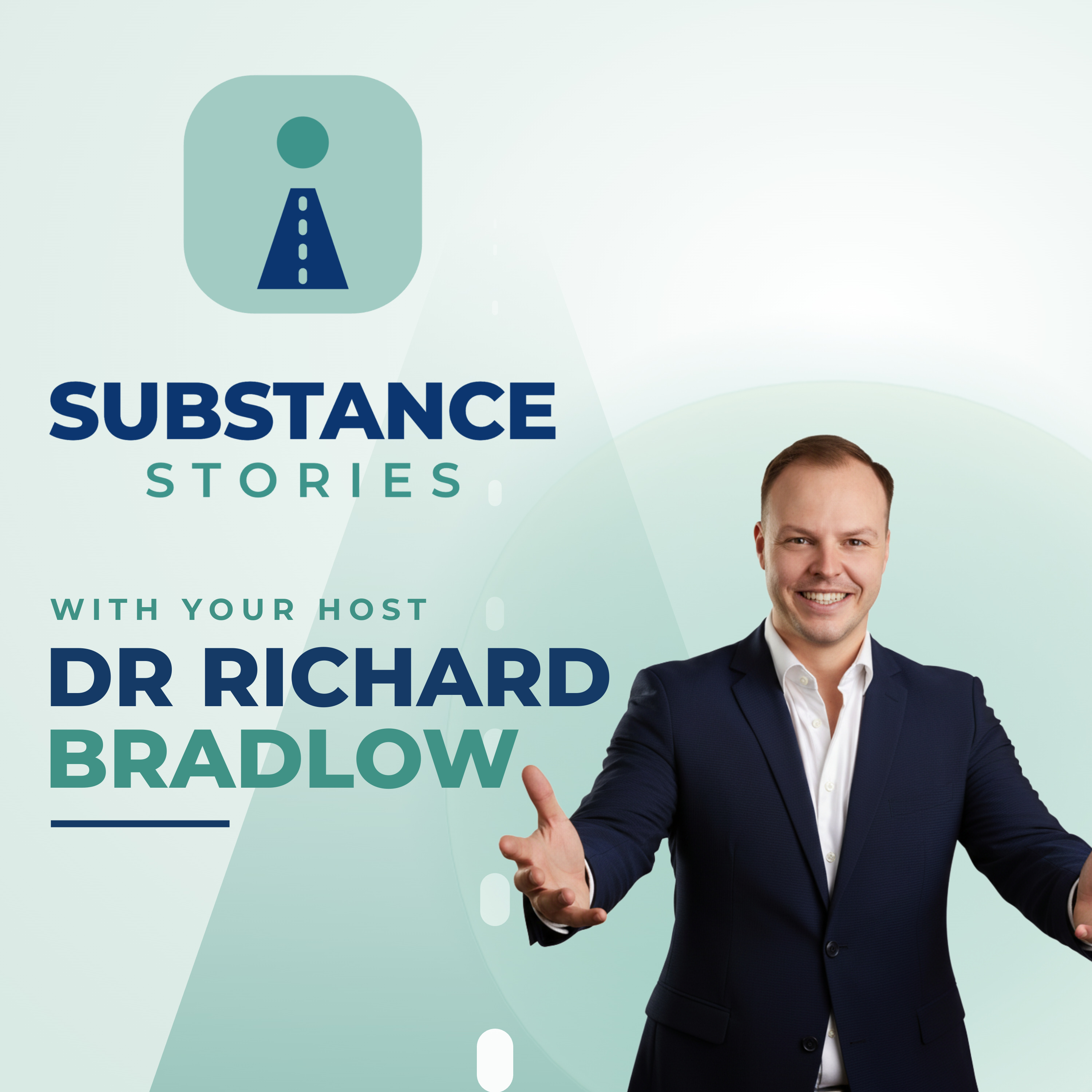
Substance Stories
by Meducate
Substance Stories is a podcast that explores the multifaceted world of addiction. Hosted by Dr. Richard Bradlow, an expert in psychiatry and neuropsychiatry, the podcast dives into the psychological, social, and biological aspects of addiction. Each episode aims to educate, empower, and support listeners by offering insights and real-world solutions.
Episodes
-
Can Borderline Personality Disorder Get Better? Yes, Here's How
Understanding the complex link between self-disorder and Borderline Personality Disorder.We examine why medical professionals often struggle with this diagnosis and how that creates unnecessary BPD stigma. This breakdown focuses on the clinical reality of the condition rather than the negative...
-
Why Can't I Drink Normally After Addiction?
Building a robust identity helps you navigate life changes when your primary plans fall through. Learn how to diversify your interests to maintain stability.When your personal identity relies on a single pillar, any disruption to that area—such as a career-ending injury or a sudden shift in...
-
Is your brain lying to you about pleasure?
Why dopamine and addiction are actually about wanting, not pleasure.We explain how the brain reward system shifts from enjoyment to compulsive desire by hijacking the dopamine wanting pathway. Learn how addiction works to alter your decision-making and why the first experience sets such a high...
-
Hangxiety and Alcohol: How a Big Night Out Depletes GABA and Triggers Morning Dread
Ever wonder why a big night out leaves you wide awake at 3am with a racing heart and a sense of dread about what you might have said? It's not just regret. Alcohol floods your brain's calming GABA system, making you feel relaxed and social. But once it wears off, you're left GABA-depleted. That...
-
Pregabalin Overdose: Why Mixing with Other Meds Turns Deadly
Pregabalin (Lyrica) is prescribed for anxiety and nerve pain, but mixing it or stopping suddenly carries critical risks you need to know. Here is what happens when it interacts with other medications, why standard emergency treatments fail against it, and how to stay safe.
-
Should We Care About a Politician's Drug Past?
Does past drug use actually make someone unfit for public office? We break down the media hypocrisy surrounding recent political scandals, the arbitrary divide between alcohol and illicit substances, and why historical substance use tells us nothing about someone's ability to govern.
-
Are ADHD Meds Dangerous for Your Heart? A Doctor Explains the Real Risk
Are pharmaceutical stimulants for ADHD safe? We examine the risks of addiction and the medical reality of these medications.Doctors prescribe stimulants to manage ADHD symptoms, but patients often worry about long-term dependency. We contrast how pharmaceutical delivery methods function compared…
more -
Can You Really Get Addicted to Doctor-Prescribed Ketamine?
Can you develop a ketamine addiction even when it is prescribed by a doctor? Learn the factors that influence safety and risk.Many patients ask if it is possible to become dependent on medication used for depression treatment. This video explores the reality behind ketamine use, focusing on how...
-
Can GLP-1s Actually Cure Addiction?
Can GLP-1 inhibitors treat addiction? Learn how these drugs work beyond weight loss to potentially dampen cravings and substance use.This breakdown explains the science behind GLP-1 inhibitors and their emerging role in addiction treatment. Rather than just limiting calorie intake, these...
-
Cannabis addiction facts: Is weed really addictive? What the research says
Just got back from a US conference and couldn't believe how many people think cannabis isn't addictive. Here’s what the evidence actually shows: THC is highly reinforcing, and any substance used to escape hardship can become an addiction. The bigger surprise? Heavy use can raise your risk of...
-
Long vs Short Rehab: What Actually Works for Addiction Recovery
Most drug withdrawals won't kill you. It's a shock, right? The dangerous ones are alcohol, benzos, and GHB. Those can be deadly. For everything else, like cannabis or opioids, the withdrawal is brutal but not physically lethal. So why do people still choose detox? It's the circuit breaker. Detox...
-
Is Vaping Bad for You? What the Evidence Actually Shows
Most people think vaping is worse than cigarettes. They've got it backwards. Vaping is much, much less harmful than smoking, that's not an opinion, that's what the evidence shows. Now, that doesn't make vaping good. It absolutely hooks you on nicotine, and that can convert into cigarette smoking,...
-
Methadone and Buprenorphine: The Cure Society Refuses
One injection a month — sometimes stretched to every six or seven weeks. Long-acting injectable buprenorphine is quietly changing what opioid agonist therapy looks like. Dr. Richard Bradlow breaks down why methadone and buprenorphine aren't 'just another drug' — they're evidence-based medicine…
more -
Cannabis Use Is Getting Riskier | Here's Why
Cannabis harm reduction — the facts people don't want to hear. 🌿Dr. Richard Bradlow breaks down what the evidence actually says:🫁 Smoking method matters — dry herb vaporising and edibles are far easier on your lungs than bongs🚫 Holding smoke in? It increases lung damage with zero extra…
more -
Opioid Overdose Signs: Why Feeling Sleepy Can Mean You're in Danger
Harm reduction saves lives — and it starts with honest information. 💙In this episode of Substance Stories, Dr. Ferghal Armstrong covers the essential opioid safety advice that doesn't always get said out loud:→ Why mixing opioids with benzos or alcohol is how most overdose deaths happen→ The...
-
Xanax Withdrawal: How Your Brain Changes After Daily Use
The reality of benzodiazepine withdrawal that every patient should know 👇• Physical dependence develops in just 4 weeks• Daily use for 3 months can cause BIND• Neurological dysfunction can last 2 years post-cessation• Withdrawal can be life-threateningDr. Richard breaks down the clinical reality...
-
Exercise Motivation: Why Most People Quit & How to Keep Going Long-Term
Most people think they lack motivation to exercise. But here's what they don't tell you: motivation isn't the problem. I'm joined today with exercise coach Steph Saltis, we're revealing why someone can enjoy lifting 300 kilograms while another person hates every second under a 20-kilogram bar —…
more -
Stimulant Psychosis: Can One Episode Change Your Brain Forever?
One episode of stimulant-induced psychosis can permanently change your brain. Here's what Dr. Richard Bradlow wants you to know: If you experience psychosis from stimulants like cocaine or amphetamines just once, you're much more likely to get it again. And here's the terrifying part — if it...
-
How Much Alcohol Is Too Much — Australian Guidelines Explained
Did you know alcohol withdrawal is one of the few withdrawals that can be deadly? 😳 In our latest SubstanceStories episode, Dr. Bradlow breaks down practical harm reduction strategies for Australia's most commonly used (and most harmful) drug. From the surprising truth about standard drinks...
-
Drug Safety: Doctor's Medical Guide to Using Drugs Safely
Here's a myth that's literally killing people: 'Teaching someone how to use drugs safely encourages drug use.' The neuroscience tells us the complete opposite. When we activate the prefrontal cortex through education and planning — the same brain region damaged by addiction — we're actually...
-
Stop Addiction: Change Your Environment, Not Just Yourself
Think addiction recovery is all about willpower and changing yourself? Your brain disagrees. New neuroscience research shows that 73% of relapse occurs not because of personal failure, but because we're fighting our environment with our prefrontal cortex tied behind our back. The most powerful...
-
Drug Absorption: How Speed to Brain Affects Addiction Risk
Most people think addiction is about willpower or the drug itself. But here's what neuroscience actually shows us: it's not what you take — it's how you take it. The same substance can be barely habit-forming when eaten, but incredibly reinforcing when smoked or injected. This isn't about the…
more -
War on Drugs: How Governments Created Modern Drug Policy Failures
Addiction isn't about 'evil drugs' – it's about dopamine dysregulation and societal trauma. Dr Richard Bradlow exposes how drug panics distract from real recovery science. 🧠 THE MYTH EXPOSEDFor centuries, society has blamed specific substances for addiction – from gin in the 1700s to ice, crack,...
-
Addiction Recovery: 360 on Shame, Drugs, and Finding Faith
Addiction recovery, cravings, and shame take center stage in this raw conversation with rapper 360. The myth Addiction is just bad choices, weak willpower, or a party lifestyle that someone can stop anytime. Fame, money, or even treatment alone will automatically remove cravings, relapse risk…
more -
Religion and Recovery: What a Rabbi, Priest, and Muslim Scholar Agreed On
Addiction recovery, spirituality, and religion come together in this wrap-up episode of our three-part Substance Stories series exploring faith and recovery. In the previous episodes, we spoke with a rabbi, a Christian leader, and a Muslim scholar about how religion, spirituality, connection, and...
-
3 Boundary Types That Make or Break Recovery (Neuroscience)
Boundaries in addiction recovery aren't about isolation—they're about rewiring neural pathways that support long-term sobriety. Learn the 3 types and the neuroscience behind healthy boundary-setting for recovery. 🧠 THE COMMON MYTH Many believe setting boundaries in recovery means cutting…
more -
Rabbi’s View on Addiction Recovery and Real Healing
A lot of people still think addiction is mainly about bad choices or weak willpower. But in recovery work, shame, cravings, emotional pain, and disconnection often matter far more than people realize.One powerful idea from this conversation: recovery is not just stopping a substance. It is...
-
Christian Spirituality in Addiction Recovery: What Actually Helps?
A lot of people think addiction recovery is just about saying no, trying harder, or having more willpower. But what if recovery is also about healing broken relationships, rebuilding routine, and finding meaning beyond cravings? In this week’s episode, we talk about spirituality, relapse, and...
-
Why Willpower Fails in Addiction Recovery: An Islamic Perspective
Islamic spirituality, addiction recovery, and relapse hope are at the heart of this first episode in our 3-part series on religion and addiction. Many people still believe addiction recovery is mainly about willpower. But this episode challenges that myth. From an Islamic perspective, recovery is...
-
Addiction and the Brain: Why You Need a Higher Power
Addiction recovery, brain health, and lifestyle medicine are deeply connected—and most people misunderstand why. The Misconception Many people believe addiction recovery is about willpower. Just try harder. Make better decisions. Be more disciplined. But addiction is not a motivation problem.It’s…
more -
Prefrontal Cortex vs. Pokies: Why Willpower Isn’t Enough
Addiction neuroscience reveals how dopamine and the reward system drive gambling addiction. Most people believe gambling addiction is about money or a lack of willpower. But that’s not what the brain science shows. The Myth: “They Just Want to Win” In reality, people hooked on slot machines...
-
Controlled Drinking vs Abstinence: What Actually Works
🚦 Do you actually control your drinking—or does it control you?This episode breaks down:👉 When moderation works👉 When it becomes dangerous👉 And how mental health changes everythingIf you’ve ever said “I don’t have a problem, but…”—this one’s for you.🧠 Honest. Practical. Judgment-free.▶️…
more -
Exercise Is the Most Underrated Tool in Addiction Recovery
Exercise might be the most powerful mental health and recovery tool you’re not fully using. If you’ve ever felt stuck, unmotivated, depressed, or trapped in cycles of craving or relapse, this episode will completely reframe how you think about movement. In this episode of Suds and Stories…
more -
Psychodynamic Therapy Explained: Why You Keep Repeating the Same Patterns
Why do we repeat the same patterns—even when we KNOW better? This week on Substance Stories, we unpack psychodynamic psychotherapy—the therapy that explains what CBT often can’t. 🔥 You’ll learn: • Why insight actually matters • How unconscious defenses shape addiction • Why “quick fixes” usually...
-
Sleep Deprivation Is Destroying Your Mental Health | Here's Why
Sleep might be the missing piece behind your anxiety, depression, and burnout.And the harder you try to “fix” it, the worse it often gets. In this episode of Substance Stories, you’ll discover why sleep is the foundation of mental health, not an optional wellness upgrade. If you’ve been…
more -
These 2 Types of Cravings Secretly Control You — Here’s How to Stop Them!
These 2 Types of Cravings Secretly Control You — Here’s How to Stop Them! Understanding cravings is one of the most important parts of addiction recovery, relapse prevention, and early sobriety. In this video, we explain the two primary types of cravings that people commonly experience during...
-
Your Default Mode Network Is Destroying Your Mental Health
Meditation isn’t optional anymore—it’s neurological self-defence.If anxiety, stress, or mental overload feels like your default setting, this video may change how you see your mind forever. You’ve probably heard meditation is “good for you.” But why does it work—and why do just 5–10 minutes a day...
-
Exercise Works Better Than Antidepressants—Here's Why Nobody Knows
Today on Substance Stories, we're talking about the fantastic physical activity benefits of regular exercise and its connection to a healthy lifestyle. This video emphasises that good mental health is a mindset and a lifestyle, which can reduce the likelihood of developing mental illness. It…
more -
Is Your Grocery Store Making You Depressed?
🧠 Your diet isn’t about weight—it’s about your mind. Ultra-processed food is everywhere… And it may be quietly damaging mental health, focus, and resilience. In this episode of Substance Stories, we break down: ✅ Why modern food is different ✅ How diet affects mental wellbeing ✅ Simple…
more -
Family, Booze, Trauma: How to Protect Your Sobriety This Christmas
Christmas in recovery can hit like a trap—here’s how you get through it sober. If you’re in early recovery, Christmas isn’t “just a holiday.” It’s a trigger season: family dynamics, old memories, alcohol everywhere, loneliness, and the pressure to pretend you’re fine. This episode breaks down the...
-
The Fastest Way to Feel Better: Stop Waiting and Start Doing
Purpose is the recovery “vitamin” you didn’t know you were deficient in. If you’ve ever hit early sobriety and suddenly felt flat, unmotivated, or stuck in bed—this explains why, and what to do next. You’ll hear a powerful truth: addiction can feel like purpose—but it’s a hollow, treadmill…
more -
Why Meaningful Social Connections Matter More Than Ever
Why Meaningful Social Connections Matter More Than Ever Part 2 of our powerful three-part series on mental health and recovery. In this episode of Substance Stories, we explore the life-changing power of meaningful social connections and how they play a critical role in preventing and managing...
-
Self-Care for Mental Health: The Secret Habit That Changes Everything
Self-Care for Mental Health: The Secret Habit That Changes EverythingIn this powerful first episode of the Substance Stories series, Dr. Richard Bradlow breaks down one of the most misunderstood concepts in mental wellness—real self-care. This isn’t the social-media version of SelfCare. No bubble...
-
Why Cravings Aren't Kittens—They're Tigers
Why Cravings Aren't Kittens—They're Tigers Join us and the brilliant Angelika von Sanden as we unpack the hidden world of cravings—from subtle cues like familiar places or people to the emotional rollercoaster triggered by stress. We explore: • Why avoiding triggers isn't always possible • How...
-
How Drama Triangles Trap Us in Bad Habits
How Drama Triangles Trap Us in Bad Habits.Drama Triangles: The Hidden Trap Holding Back Your RecoveryIn our latest Substance Stories episode, Annie returns to expose how family roles and emotional systems—like being the “black sheep” or always needing a “rescuer”—can quietly sabotage your…
more -
Sports Betting Addiction: Ego, Illusion, and Loss
Are You Really Winning at Sports Betting?Most gamblers think they’re in control. But here’s the truth—99% lose money over time. In our latest Substance Stories episode, we dive into the hard-hitting realities of sports gambling in Australia and around the world.From the psychology of competition...
-
From Party Person to Purpose: Reclaiming Your Identity in Sobriety
From Party Person to Purpose: Reclaiming Your Identity in Sobriety. What if your recovery journey started not with willpower—but with identity?In this deeply insightful episode of Substance Stories, hosts Dr Richard Bradlow and Nathan Akoka dive into the transformative power of identity in...
-
Why Are Synthetic Drugs So Dangerous?
What are novel psychoactive agents, and why are they sparking alarm across public health circles? In this episode of Substance Stories, we dive deep into the murky, rapidly evolving world of synthetic drugs — also known as novel psychoactive substances (NPS). You’ve probably seen them: “spice,”...
-
The Surprising Truth About Negative Reinforcement!
The Surprising Truth About Negative Reinforcement! Why do we really use substances—and what does it say about our mental health? This eye-opening episode of Substance Stories with Dr Richard Bradlow takes a deep dive into the hidden psychological force known as negative reinforcement. Often...
-
Are Prescription Drugs Really Safe?
Are Prescription Drugs Really Safe?Are you unknowingly addicted to your prescription medication? In this eye-opening episode of Substance Stories, Dr. Richard Bradlow exposes the hidden dangers of prescription drug dependence and how it can quietly take control of your life. From painkillers…
more
We're indexing this podcast's transcripts for the first time — this can take a minute or two. We'll show results as soon as they're ready.
No matches for "" in this podcast's transcripts.
No topics indexed yet for this podcast.
Loading reviews...
ABOUT THIS SHOW
Substance Stories is a podcast that explores the multifaceted world of addiction. Hosted by Dr. Richard Bradlow, an expert in psychiatry and neuropsychiatry, the podcast dives into the psychological, social, and biological aspects of addiction. Each episode aims to educate, empower, and support listeners by offering insights and real-world solutions.
HOSTED BY
Meducate
Loading similar podcasts...
Frequently Asked Questions
How many episodes does Substance Stories have?
Substance Stories currently has 75 episodes available on PodParley. New episodes are automatically indexed when they're published to the podcast feed.
What is Substance Stories about?
Substance Stories is a podcast that explores the multifaceted world of addiction. Hosted by Dr. Richard Bradlow, an expert in psychiatry and neuropsychiatry, the podcast dives into the psychological, social, and biological aspects of addiction. Each episode aims to educate, empower, and support...
How often does Substance Stories release new episodes?
Substance Stories has 75 episodes. Check the episode list to see recent publication dates and frequency.
Where can I listen to Substance Stories?
You can listen to Substance Stories on PodParley by clicking any episode. We provide an embedded audio player for direct listening, and you can also subscribe via your preferred podcast app using the RSS feed.
Who hosts Substance Stories?
Substance Stories is created and hosted by Meducate.
URL copied to clipboard!