
PODCAST · health
The Hanley Effect Podcast - Addiction and Mental Health
by Hanley Foundation
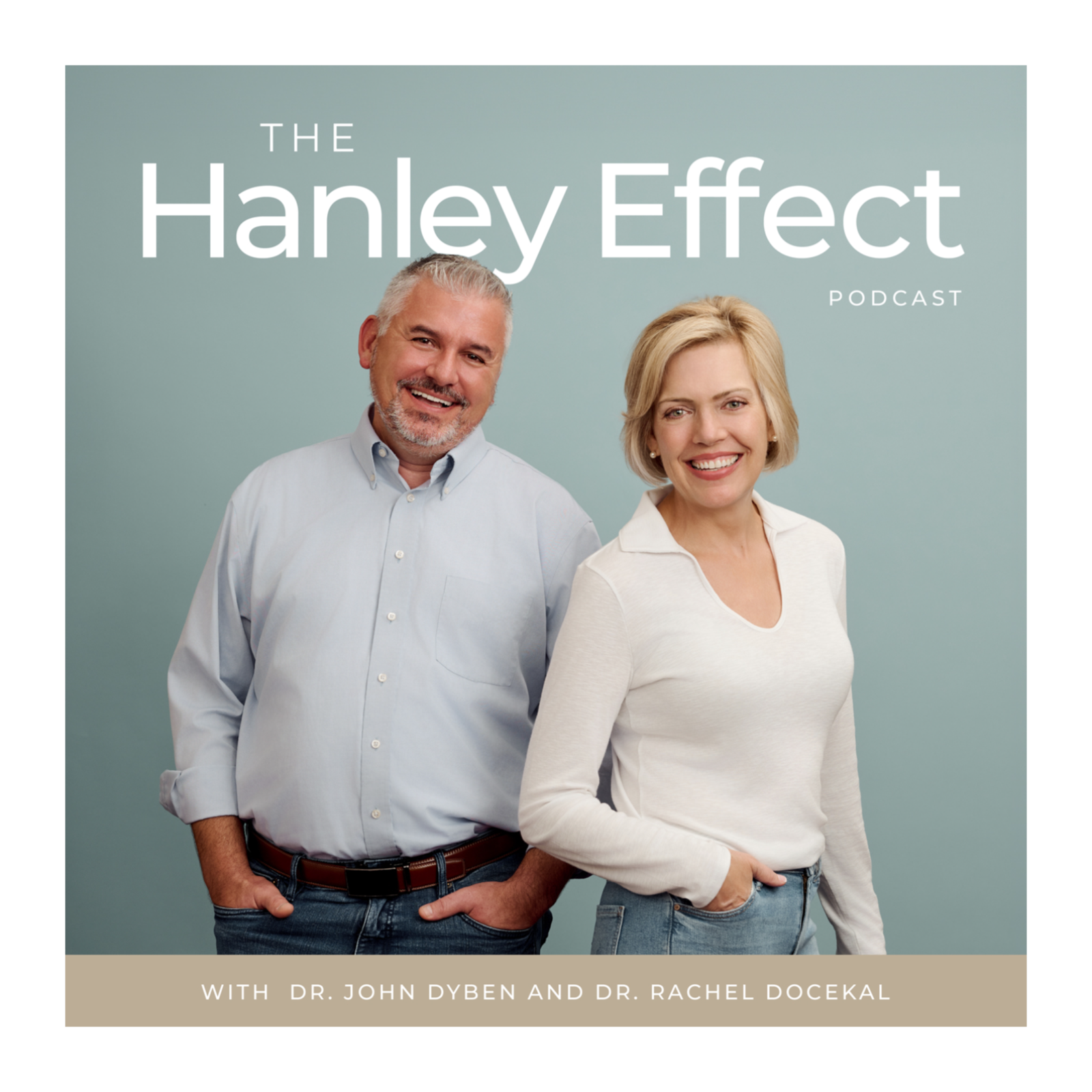
The Hanley Effect is a weekly addiction recovery and mental health podcast hosted by Dr. John Dyben, Chief Clinical Officer at Hanley Center, and Dr. Rachel Docekal, CEO of the Hanley Foundation.This trauma-informed podcast explores substance use disorder (SUD), addiction treatment, neuroscience, co-occurring mental health disorders, overdose prevention, adolescent mental health, and long-term recovery through evidence-based conversations with leading experts, clinicians, policymakers, and individuals with lived experience.Featured guests include leading neuroscientists, healthcare executives, policymakers, law enforcement leaders, and nationally recognized advocates shaping the future of addiction treatment and prevention.Produced by the Hanley Foundation, a nonprofit leader in prevention, education, treatment, and advocacy, The Hanley Effect delivers trusted insight, practical tools, and real-world perspectives for behavioral health professionals, educators, f
-
77
Sober Travel: How to Travel, Celebrate, and Live Fully in Recovery with Teresa Bergen
What does it look like to build a full, adventurous life in recovery?In this inspiring episode of The Hanley Effect, Dr. John Dyben and Dr. Rachel Docekal welcome Teresa Bergen, sober travel writer and author of Sober Travel Handbook, for a conversation about what it means to travel alcohol-free with confidence, purpose, and joy. Teresa shares her personal recovery story, how getting sober at a young age opened the door to a bigger life, and why recovery should never mean shrinking your world.Together, they explore one of the most common fears people face in sobriety: How do I still have fun, celebrate, connect, and travel without alcohol? Teresa offers practical advice for navigating weddings, vacations, cruises, holidays, and social events while protecting recovery and staying grounded. From bringing your own mindset into the room to planning an exit strategy and finding support while away from home, this episode is full of real-world guidance for anyone wondering how to live fully without substances.This conversation is especially meaningful for people in early recovery, those preparing for sober travel for the first time, and families looking to better understand how to support a loved one in recovery. Teresa’s message is clear and hopeful: you did not get sober to have a small life.In This Episode, You’ll Hear:Why addiction can make your world feel smaller — and how recovery helps you rebuild itThe emotional fear many people have about having fun, traveling, or celebrating without alcoholWhy early recovery is a time to rebuild your foundation before jumping into high-risk situationsHow to prepare for weddings, cruises, reunions, and other alcohol-centered environmentsSimple ways to participate in celebrations without drinkingThe importance of accountability, support people, and sober connection while travelingWhat “Friends of Bill W.” means on cruises and why those meetings can matterWhy having an exit strategy can be a powerful recovery toolTeresa’s encouragement for people in recovery who want a better, bigger lifeAbout Teresa BergenTeresa Bergen is a sober travel writer and author who writes and speaks about traveling alcohol-free. In her book, Sober Travel Handbook (Microcosm Publishing, February 2026), she shares practical strategies for navigating common travel situations without alcohol, including airport bars, business networking, social pressure, and travel planning in recovery. Through her work, Teresa helps nondrinkers build confidence, reduce relapse risk, and explore the world without compromising their sobriety. To learn more about Teresa visit: https://teresabergen.com/Learn more about Hanley Foundation at hanleyfoundation.org or call 844-502-4673.
-
76
Laurie Dhue on Addiction, Recovery & Breaking the Stigma
In this episode of The Hanley Effect, hosts Dr. John Dyben and Dr. Rachel Docekal sit down with acclaimed broadcast journalist, speaker, and recovery advocate Laurie Dhue for an honest conversation about addiction, recovery, stigma, and hope.Known for her years as an anchor on CNN, Fox News, and MSNBC, Laurie shares the deeply personal story behind her recovery journey, from childhood trauma and high-pressure broadcasting to surviving an overdose and ultimately finding sobriety nearly 19 years ago. Laurie speaks candidly about the role of shame and stigma in addiction, the importance of connection and community in recovery, and how going public with her story transformed both her life and the lives of countless others. She also opens up about the heartbreaking experience of losing her father to addiction and the difficult reality families face when a loved one is unwilling or unable to seek help.Throughout the conversation, Laurie emphasizes a message of compassion: addiction is not a moral failing, but a disease deserving of dignity, treatment, and support. Her vulnerability, insight, and advocacy shine through as she reminds listeners that recovery is possible and that no one has to struggle alone.In This Episode:Laurie Dhue’s journey from national news anchor to recovery advocateThe connection between trauma, addiction, and mental healthNavigating sobriety in the high-pressure world of broadcast journalismWhy shame and stigma continue to harm people seeking helpThe impact addiction has on families and relationshipsThe importance of recovery communities and support systemsWhy addiction must be treated like any other chronic illnessHope, healing, and the power of sharing your storyAbout Laurie DhueLaurie Dhue is a former CNN, Fox News, and MSNBC anchor and current Managing Director of Family Health and Wellness for Family Office Growth Partners. She works closely with families navigating mental health and substance use challenges and has partnered with organizations including the White House Office of National Drug Control Policy (ONDCP), SAMHSA, FAVOR, and NCADD. Laurie has spoken at the White House on behalf of ONDCP and remains a passionate advocate for recovery awareness and reducing stigma surrounding addiction. Learn more about Hanley Foundation at hanleyfoundation.org or call 844-502-4673.
-
75
You Can Influence Someone to Want Recovery with Amber Hollingsworth
What if the way we talk about addiction recovery is actually pushing people away from getting help?In this episode of The Hanley Effect, Dr. John Dyben sits down with Amber Hollingsworth, LPC, MAC, LPS, founder of Hope for Families Recovery Consultants, and creator of the popular YouTube channel Put the Shovel Down.With more than two decades of experience working with individuals and families affected by substance use disorder, Amber shares a refreshingly hopeful and practical perspective on addiction, recovery, and family dynamics. Together, she and Dr. Dyben explore why “waiting for rock bottom” can be dangerous, how families can positively influence a loved one toward change, and why compassion and humility are essential in recovery conversations.Amber also opens up about growing up in a family impacted by addiction, her unconventional path into the field, and the lessons she learned working in inpatient treatment, detox, and private practice. Most importantly, she offers families actionable guidance on how to approach difficult conversations without shame, blame, or confrontation.This episode is a powerful reminder that addiction is not the whole story of a person and that recovery is possible for everyone involved.In This Episode:Why Amber rejects the “they have to want help first” mindsetHow families can influence motivation for recoveryThe importance of “raising the bottom” before devastating consequences occurCommon mistakes families make when talking to loved ones about addictionWhy humility works better than confrontationHow addiction treatment and counseling have evolved over the yearsThe problem with negative recovery statistics and fear-based messagingWhy addiction is something a person has not who they areAbout Amber HollingsworthAmber Hollingsworth is a Licensed Professional Counselor (LPC), Master Addictions Counselor (MAC), and Licensed Professional Supervisor (LPS) with more than 20 years of experience in addiction treatment and family recovery support. She is the founder of Hope for Families Recovery Consultants and the creator of the YouTube channel Put the Shovel Down, where she provides education and practical tools for families navigating addiction and recovery.Resources & LinksAmber Hollingsworth’s YouTube Channel: Put the Shovel DownAmber's Website: https://www.familyrecoveryacademy.online/ Learn more about Hanley Foundation at hanleyfoundation.org or call 844-502-4673.
-
74
Addiction, Trauma, and Family Recovery with Dr. Michael Barnes
In this episode of The Hanley Effect, hosts Dr. John Dyben and Dr. Rachel Docekal welcome Dr. Michael F. Barnes, Ph.D., LAC, LPC, a nationally recognized expert in addiction, trauma, and family systems. Dr. Barnes is a nationally recognized speaker, author, and consultant, and the founder of the Michael Barnes Family Institute. With more than 40 years of experience in addiction treatment and family therapy, he brings deep insight into how substance use disorder affects not only the individual but the entire family system. This conversation explores why family recovery is essential in addiction treatment, how trauma shapes family dynamics, and why loved ones often need healing alongside the person receiving care. Dr. Barnes also discusses secondary trauma, chronic disease management, enabling as a trauma response, and the importance of trauma-integrated addiction treatment. About This EpisodeAddiction is often described as a family disease, but what does that really mean in treatment and recovery? Dr. Barnes explains how families can become deeply impacted by a loved one’s addiction, especially when trauma, fear, and survival patterns influence how they respond. Rather than viewing families only as support systems, this episode reframes recovery as something the entire family may need to participate in. Listeners will gain a better understanding of how family members can move from crisis management into healing, why old patterns can continue after treatment, and how trauma-informed support can improve long-term recovery outcomes.In This Episode, You’ll LearnHow addiction impacts the entire family systemWhat secondary trauma means for loved onesWhy family involvement matters in addiction treatmentHow trauma can influence enabling behaviorsWhy recovery is more than abstinence from substancesHow chronic illness models can help families understand addictionThe difference between rehabilitation and habilitationWhy family members also deserve support, education, and healingWhat families can ask treatment providers when seeking careResources MentionedWhen the Solution Becomes the Problem: Helping Families Who Struggle with Addiction and Trauma by Dr. Michael Barnes - https://www.drmikebarnes.com/bookMichael Barnes Family Institute - https://www.drmikebarnes.com/ Learn more about Hanley Foundation at hanleyfoundation.org or call 844-502-4673.
-
73
How Breathwork Heals Trauma, Anxiety & Stress With Jon Paul Crimi
What if one of the most powerful tools for healing, emotional regulation, and recovery was something you already do every moment of your life?In this episode of The Hanley Effect, we sit down with breathwork expert Jon Paul Crimi, who shares how intentional breathing can transform mental health, release stored trauma, and reconnect us to ourselves.With over 26 years in recovery, Jon Paul’s journey, from actor and personal trainer to sober coach and breathwork facilitator, reveals the profound impact of learning how to regulate emotions in healthy, sustainable ways. After discovering breathwork 15 years ago, he experienced a shift so powerful that others immediately noticed—and began seeking the same transformation.Together, we explore:How breathwork calms the nervous system in real timeThe connection between breathing patterns and emotional statesWhy trauma lives in the body, and how breath can help release itThe role of discomfort in growth and healingHow simple breathing techniques can improve relationships, reduce stress, and support recoveryThis episode is both practical and deeply inspiring, offering tools you can use immediately and a new perspective on healing that starts with something as simple as your next breath.Key TakeawaysBreathwork is an accessible, powerful tool for regulating emotions and reducing stressChanging your breathing pattern can directly shift your emotional stateTrauma is often stored in the body and breathwork helps release and integrate itEmotional discomfort is often a necessary part of growth and healingSelf-compassion is essential: “Work hard on yourself, but don’t be hard on yourself”About Our GuestJon Paul Crimi is a breathwork facilitator, recovery advocate, and former sober coach with over 26 years of sobriety. After discovering breathwork 15 years ago, he experienced a profound personal transformation that led him to teach others around the world. Known for his energetic and accessible approach, Jon Paul blends science, lived experience, and practical tools to help people regulate emotions, release trauma, and reconnect with themselves. Learn more about Jon Paul’s work at https://breathewithjp.com/. Learn more about Hanley Foundation at hanleyfoundation.org or call 844-502-4673.
-
72
The Hidden Impact of Childhood Domestic Violence with Brian Martin
In this powerful and eye-opening episode of The Hanley Effect, hosts Dr. John Dyben and Dr. Rachel Docekal sit down with Brian Martin, founder and CEO of the Childhood Domestic Violence Association, to explore a deeply overlooked form of trauma: childhood domestic violence.Brian shares his personal story of growing up in a home impacted by domestic violence and how, for years, he didn’t even have the language to describe what he experienced. That lack of awareness, he explains, is part of the problem. When we can’t name something, we can’t begin to heal from it.This conversation dives into the long-lasting impact of adverse childhood experiences (ACEs), particularly the trauma of witnessing violence between caregivers. Brian explains that even without direct physical abuse, simply being in an environment of unpredictability, fear, and instability can fundamentally shape how a person sees themselves and the world.The episode also explores the “10 common negative beliefs” that often develop in individuals who grow up in these environments, beliefs like guilt, shame, unworthiness, and disconnection. These internal narratives can persist into adulthood, influencing relationships, mental health, and even increasing vulnerability to substance use.This episode is a must-listen for anyone in recovery, working in mental health, or seeking to better understand how early life experiences shape adult behavior and how healing begins with awareness.Key TakeawaysChildhood domestic violence is one of the least recognized forms of trauma, yet incredibly impactful.You don’t need to be physically abused to be deeply affected; witnessing violence is enough.Trauma doesn’t disappear with age; “time does not heal all wounds.”The brain forms beliefs in childhood before it’s fully developed, and then seeks evidence to reinforce them.Many individuals carry persistent negative beliefs like guilt, shame, and unworthiness into adulthood.Addiction can be rooted in a search for certainty and emotional stability.Healing begins with naming, understanding, and acknowledging these early experiences.About our GuestBrian Martin is the founder and CEO of the Childhood Domestic Violence Association (CDVA), a nonprofit dedicated to raising awareness and providing resources for individuals who grew up in homes impacted by domestic violence. Drawing from both personal experience and extensive research, Brian has become a leading advocate for recognizing childhood domestic violence as a distinct and significant form of trauma. Through his work, including his book Invincible: The 10 Lies You Learn Growing Up with Domestic Violence, Brian helps individuals understand the lasting impact of early experiences and guides them toward healing and self-awareness. Learn more at: https://cdv.org/Learn more about Hanley Foundation at hanleyfoundation.org or call 844-502-4673.
-
71
Digital Minimalism & Mental Health: How to Break Screen Addiction with Kelsey Green
In this episode of The Hanley Effect, Dr. John Dyben and Dr. Rachel Docekal sit down with strategist, speaker, and digital minimalist Kelsey L. Green to explore the growing impact of technology on our mental health, relationships, and sense of self.Kelsey shares her personal journey from burnout and constant connectivity to intentionally redefining her relationship with technology. Through the lens of digital minimalism, she challenges the idea that we need to be “always on” and offers practical ways to create healthier boundaries with our devices, without rejecting technology altogether.Together, they dive into the parallels between screen use and addiction, the role of dopamine and compulsive checking, and why so many of us feel out of control with our devices. From “Screen-Free Sundays” to small, realistic habit changes, this conversation offers both insight and actionable tools to help you reclaim your focus, creativity, and connection.If you’ve ever felt distracted, overwhelmed, or disconnected despite being constantly plugged in, this episode is for you.What You’ll Learn in This EpisodeWhat digital minimalism really means (and what it doesn’t)How technology impacts dopamine, attention span, and behaviorWhy constant phone use can mirror patterns of addiction and compulsivityThe hidden ways screens affect relationships and presenceSimple, practical strategies to reduce screen time and regain controlWhy core values, not just hacks, are key to lasting changeKey TakeawaysTechnology isn’t the problem, unintentional use isIf you can’t step away from your phone, even briefly, it may signal a deeper issueMany apps are designed to trigger dopamine and reinforce compulsive behaviorEven having your phone nearby can reduce focus and presenceSmall boundaries like putting your phone out of sight can create meaningful changeTrue transformation comes from asking: “Who do I want to be in relation to my technology?”Episode HighlightsKelsey introduces digital minimalism as a values-based approach to technology using tools intentionally while letting go of what doesn’t serve your well-being. The conversation draws powerful parallels between substance use and screen use, highlighting compulsivity, loss of control, and the impact on relationships. Listeners are encouraged to experiment with small steps, like reducing notifications, creating phone-free spaces, or trying a Screen-Free Sunday, to better understand their habits and regain autonomy. Ultimately, this episode is a reminder that the most meaningful parts of life: connection, creativity, presence, and purpose can’t be downloaded.About Our GuestKelsey L. Green is a strategist, speaker, and community builder focused on helping people reclaim their focus, creativity, and real-world connection in an increasingly distracted world. Through her work in digital minimalism, she guides individuals and groups in creating intentional relationships with technology so they can live more present, purposeful lives. She is the creator of Summit in Six and How to Build Your Circle, programs designed to foster accountability, creativity, and authentic connection. To learn more visit: https://www.kelseylgreen.com/Learn more about Hanley Foundation at hanleyfoundation.org or call 844-502-4673.
-
70
How Early Childhood & Birth Trauma Shape Addiction, Anxiety, and Behavior with Dr. Annie Brook
In this episode of The Hanley Effect, Dr. John Dyben and Dr. Rachel Docekal sit down with psychologist, educator, and author Dr. Annie Brook, Ph.D, LPC, MSME (ISMETA), to explore a groundbreaking perspective on trauma, addiction, and mental health.What if the patterns you struggle with today, anxiety, reactivity, disconnection, or even addiction, didn’t start in childhood as you remember it, but before you could think, speak, or form memories at all?Dr. Brook specializes in somatic and developmental trauma, helping people uncover how early experiences, including birth and infancy, are encoded in the nervous system and continue to shape behavior, relationships, and emotional regulation throughout life.Together, they unpack:How pre-verbal and birth experiences influence the brain and bodyWhy many patterns are not cognitive and can’t be “talked away”The role of the nervous system, brainstem, and survival responses (fight, flight, freeze)How early disruptions, like lack of touch, feeding struggles, or medical interventions, can show up decades laterWhy traditional approaches sometimes fall short and what it takes to truly healDr. Brook shares her own journey of healing after trauma and explains how somatic practices, movement, and awareness can help “update” old survival patterns through neuroplasticity and relational repair.This episode offers a deeply compassionate reframe:You are not broken.Your patterns are adaptations.And with the right tools, they can change.Whether you're in recovery, a clinician, a parent, or someone seeking deeper self-understanding, this conversation will expand how you think about healing.Key Topics & TakeawaysSomatic therapy and the body’s role in trauma healingBirth trauma and early attachmentPre-verbal memory and the brainstemAddiction as an adaptation, not a failureNervous system regulation and emotional resilienceHow early unmet needs shape adult behaviorsWhy awareness + sensation = lasting changeAbout Our Guest Dr. Annie Brook, Ph.D., LPC, MSME (ISMETA), is a psychologist, educator, and author specializing in somatic and developmental trauma. As the founder of The Brook Institute and former director of the somatic psychology master’s program at Naropa University, Dr. Brook has spent decades helping individuals and clinicians understand how early experiences—including birth and infancy—shape the nervous system and influence behavior throughout life. Her work integrates neuroscience, movement, attachment science, and applied neuroplasticity to help people move from overwhelm and reactivity toward regulation, resilience, and connection. She is the author of Birth’s Hidden Legacy and is passionate about empowering others with practical tools to heal deeply rooted patterns and rediscover a sense of safety and well-being. Learn more at: https://www.anniebrook.com/Learn more about Hanley Foundation at hanleyfoundation.org or call 844-502-4673.
-
69
What Is Somatic Experiencing? How Trauma Lives in the Body with Jennifer Goggin
In this episode of The Hanley Effect, Dr. John Dyben and Dr. Rachel Docekal welcome Jennifer Goggin, LPC, LMHC, SEP, for a powerful conversation about trauma, healing, nervous system regulation, and the role the body plays in recovery.Jennifer shares her personal story of adoption, early separation, and how her own healing journey shaped the work she does today. She explains how somatic therapy helps people process trauma not just through words, but through sensations, regulation, and connection. Together, the conversation explores why trauma often lives in the body, why healing does not begin by diving straight into the hardest memories, and why real human connection remains essential in therapy.The episode also touches on the limits of AI in mental health care, the growing impact of technology on the nervous system, and why hope remains central no matter where someone is in their recovery or healing journey.This is a meaningful episode for anyone interested in trauma-informed care, addiction recovery, somatic therapy, adoption, nervous system healing, and mental health treatment that addresses the whole person.In this episode, you’ll hear:What somatic experiencing is and how it supports trauma healingHow trauma can be stored in the body, even before a person has words for itJennifer’s personal story of adoption and how it shaped her understanding of healingWhy nervous system regulation is foundational in recovery and mental health treatmentHow somatic work can help people process trauma without starting with the most painful memoryWhy the therapeutic relationship cannot be replaced by artificial intelligenceHow screen overload and digital life can impact empathy, stress, and emotional regulationWhy healing looks different for every personKey TakeawaysJen explains that somatic experiencing focuses on helping people build regulation and resilience in the nervous system before revisiting traumatic experiences. Rather than forcing someone to relive the most painful moments first, this approach helps create safety, trust, and internal resources so the body can begin to release what it has been holding.Her story also highlights a powerful truth: sometimes the body carries experiences long before the mind fully understands them. Through both her personal healing and professional work, Jen offers a compassionate perspective on trauma, therapy, and the possibility of change.One of the most memorable parts of the episode is the discussion around AI and therapy. Jen emphasizes that healing happens in relationship. Eye contact, attunement, presence, and human connection are essential parts of trauma recovery that technology cannot replicate.About Our GuestJennifer Goggin is a licensed mental health counselor, licensed professional counselor, and Somatic Experiencing practitioner who helps clients work through trauma, stress, and nervous system dysregulation with a compassionate, body-based approach. Her work integrates clinical expertise, lived experience, and a deep understanding of how healing happens through both insight and connection.To learn more about Jennifer and her work, visit: https://jennifergogginlmhc.com/Learn more about Hanley Foundation at hanleyfoundation.org or call 844-502-4673.
-
68
Trauma, PTSD, and Healing: Why Triggers Happen and How Recovery Really Works - Dr. Christal Badour
In this episode of The Hanley Effect, hosts Dr. John Dyben and Dr. Rachel Docekal sit down with Dr. Christal Badour, PhD, clinical psychologist, academic researcher at the University of Kentucky, and founder of Science for Survivors.Dr. Badour has spent her career studying how people recover from trauma and how science can make that recovery more compassionate and effective. Her research focuses on the intersection of trauma, PTSD, and substance use, including the best treatment approaches for individuals facing co-occurring mental health and addiction challenges.Drawing from her work as a therapist, professor, researcher, and forensic psychological evaluator, Dr. Badour explains how traumatic experiences affect the brain, why triggers and retraumatization occur, and how survivors can begin to process and integrate their experiences.The conversation also explores how public perception and cultural narratives impact survivors of domestic violence and sexual assault, why victim-blaming remains a barrier to healing, and how media coverage of violence can retraumatize individuals who have experienced similar events.Dr. Badour also discusses the impact of trauma on children and families, including the ways trauma can show up differently in young people through withdrawal, behavioral challenges, or risk-taking behaviors later in life.For families and loved ones, she shares practical guidance on how to respond when someone discloses a traumatic experience, including why the most powerful response is often simply listening, validating, and saying “I believe you.”This thoughtful and compassionate conversation offers both science-backed insight and hope, reminding listeners that trauma may always be part of someone’s story — but it is never the whole story.To learn more about Dr. Christal Badour and her work, visit: ScienceForSurvivors.comLearn more about Hanley Foundation at hanleyfoundation.org or call 844-502-4673.
-
67
How Angela Kennecke Turned Loss Into Hope in the Fight Against Fentanyl and Addiction
In this episode of The Hanley Effect, hosts Dr. John Dyben and Dr. Rachel Docekal sit down with Angela Kennecke, award-winning investigative journalist, founder of Emily’s Hope, and host of the Grieving Out Loud podcast.Angela shares the heartbreaking story of losing her 21-year-old daughter, Emily, to accidental fentanyl poisoning. What began as Angela’s reporting on the overdose crisis became deeply personal, and in the wake of unimaginable loss, she transformed grief into action, creating the non-profit Emily's Hope.This conversation explores the realities of substance use disorder, the dangers of the illicit drug supply, and why fentanyl awareness, naloxone access, and evidence-based prevention education are more important than ever. Angela also discusses how Emily’s Hope is expanding access to treatment scholarships, distributing naloxone across South Dakota, supporting overdose survivors, and building a K–12 substance use prevention curriculum designed to protect the next generation.This episode is a moving conversation about addiction, loss, resilience, stigma, recovery, hope, and a reminder that no family should have to suffer in silence.In This Episode, We CoverAngela Kennecke’s journey from journalist to advocateEmily’s story and the devastating impact of fentanyl poisoningHow stigma keeps families silent about addiction and overdose lossWhy naloxone/Narcan saves lives and belongs in every communityThe importance of early, age-appropriate, evidence-based preventionHow peer support, youth empowerment, and family advocacy can change outcomesWhat resilience looks like after profound lossLearn more about Emily's Hope: Learn more about Emily’s Hope at emilyshope.charity.Learn more about Hanley Foundation at hanleyfoundation.org or call 844-502-4673.
-
66
Choose Yourself: Hakeem Bourne Mcfarlane on Identity, Addiction Recovery, and Turning Pain Into Purpose
What happens when the identity that once defined your life disappears?In this powerful episode of The Hanley Effect, hosts Dr. John Dyben and Dr. Rachel Docekal sit down with speaker, author, and founder of the Choose Yourself Movement, Hakeem Bourne Mcfarlane, to explore how personal loss, trauma, and identity struggles can lead to addiction, and how radical accountability can lead to transformation.Hakeem shares the deeply personal experiences that shaped his path: the devastating loss of his younger brother, the pressure of athletic success, and the collapse of his identity when his dream of becoming a professional athlete ended. Without the structure sports once provided, he found himself spiraling into destructive patterns that many high performers face when achievement becomes their entire sense of self.Through years of reflection, recovery work, and rebuilding his life, Hakeem developed what he calls the “Choose Yourself” philosophy, a framework for reclaiming identity, healing unresolved pain, and creating purpose through personal responsibility and contribution.In this conversation, Hakeem breaks down the five pillars of his Choose Yourself process, explaining how identifying emotional triggers, changing environments, and building daily discipline can transform how we see ourselves and our potential.This episode dives into the deeper truth often discussed in recovery: addiction is rarely just about substances, it’s often about the unresolved void underneath. Healing that void requires awareness, accountability, and the courage to choose a different path.If you’ve ever struggled with identity, purpose, or breaking destructive patterns, this conversation offers both practical insight and powerful motivation.Episode HighlightsHakeem McFarlane’s personal journey from grief and identity loss to recovery and purposeWhy addiction is often a symptom of deeper emotional voidsThe Choose Yourself Movement and its mission to help people reclaim their identityThe TEFIC framework: Triggers, Environment, Foundation, Investment, and ContributionHow daily discipline and self-awareness help break destructive cyclesWhy contribution and helping others is a key part of lasting recoveryThe difference between performing a role and living authenticallyKey TakeawayTrue transformation begins when we stop waiting to be chosen by others and instead choose ourselves—our healing, our purpose, and the life we want to build.Resources & LinksLearn more about the Choose Yourself Movement at chooseyourself.infoLearn more about Hanley Foundation at hanleyfoundation.org or call 844-502-4673.
-
65
Show Up and Shimmy: Bruce W. Brackett on Recovery, Positivity, and Self-Forgiveness
In this uplifting and heartfelt episode of The Hanley Effect, Dr. John Dyben and Dr. Rachel Docekal welcome Bruce W. Brackett, author, artist, motivational speaker, life coach, and advocate for recovery, positivity, and mental health.Bruce shares his powerful story of moving from early trauma, addiction, and self-sabotage toward sobriety, healing, and purpose. With honesty, humor, and compassion, he opens up about what it took to stop running, ask for help, and begin showing up for himself day by day. His message is clear: no matter what you’ve been through, you are still worthy of growth, self-forgiveness, and a meaningful life.The conversation explores Bruce’s recovery journey, the life-changing impact of therapy and 12-step programs, and the mindset shift behind his newest book, Show Up and Shimmy. He explains that “shimmying” is more than a fun phrase; it is a practice of self-care, self-love, courage, and taking the next right step even when fear, doubt, or pain are present.This episode is full of hope for anyone navigating addiction recovery, mental health challenges, trauma, or the ongoing work of becoming who they were meant to be. Bruce’s perspective is both inspiring and practical, reminding listeners that healing is not linear, support matters, and the version of you that you dream about is already waiting.If you or someone you love is on a recovery journey, this conversation offers encouragement, validation, and a powerful reminder that you do not have to do it alone.In This Episode, You’ll Hear:Bruce W. Brackett’s story of sobriety, recovery, and healingHow childhood trauma and addiction shaped his early lifeWhy positivity is a practice, not a personality traitThe importance of therapy, community, and 12-step recoveryWhat “Show Up and Shimmy” really means in everyday lifeHow self-forgiveness can become part of the healing processWhy sitting with hard feelings is different from staying stuck in themHow one supportive person can make all the difference in recoveryWhy doing no harm to yourself is a powerful place to beginKey TakeawaysBruce reminds listeners that recovery is not about having everything figured out. It is about continuing to move forward, even through discomfort, uncertainty, and fear. He speaks candidly about relapse, radical acceptance, and the value of asking for help. Throughout the episode, he emphasizes that healing is possible, purpose is real, and every person is worthy of love and a better future.About Our GuestBruce W. Brackett is an author, international motivational speaker, certified life coach, artist, entrepreneur, and advocate for positivity, recovery, and mental health. He is the author of How to Breathe While Suffocating and Show Up and Shimmy, and he shares messages of hope, resilience, and possibility with a social media community of more than 1.4 million people. Through his art, writing, and speaking, Bruce encourages others to reclaim their worth and step into their full potential.Guest ResourcesWebsite: bwbart.com Socials: @bwb.positivity Books: How to Breathe While Suffocating and Show Up and ShimmyLearn MoreTo learn more about Hanley Foundation programs, visit hanleyfoundation.org or call 844-502-4673.
-
64
Palm Beach County State Attorney Alexcia Cox on Addiction, Recovery, and Public Safety
What happens when the justice system treats addiction and mental health as public safety priorities without losing sight of compassion?In this episode of The Hanley Effect, hosts Dr. John Dyben and Dr. Rachel Docekal sit down in person with Alexcia Cox, State Attorney for Palm Beach County (and longtime prosecutor and community leader), for a grounded conversation about what it looks like to balance accountability with care.Alexcia shares her journey as a Palm Beach County native who chose a life of public service, and why protecting residents includes safeguarding people seeking help, especially in the behavioral health and addiction treatment space. She reflects on the community’s progress since the height of the opioid crisis, the importance of ethical, evidence-based treatment, and the continued role of the State Attorney’s Addiction Recovery Task Force in identifying and prosecuting bad actors.They also explore why collaboration across agencies and community partners is one of the most powerful tools we have, whether that’s through the Criminal Justice Commission (CJC), problem-solving courts like drug court, or prevention efforts that help young people navigate peer pressure and risk.If you care about recovery, prevention, and building safer communities, this episode offers real insight into how systems can work better together.Episode Highlights Why ethical addiction treatment is a public safety issue, and how Palm Beach County confronted treatment fraud The ongoing work of the State Attorney’s Addiction Recovery Task Force, including reporting pathways for suspected wrongdoing New initiatives launched under Alexcia’s leadership, including a focus on violent repeat offenders and protections for vulnerable residents Why drug court and diversion efforts matter in long-term recovery and community outcomes The role of community collaboration in reducing stigma and improving outcomes across systems Alexcia’s personal “why”: service, mentorship, and building a safer Palm Beach County for familiesAbout Our GuestAlexcia Cox is the State Attorney for Palm Beach County and a longtime public servant with nearly two decades of prosecutorial experience. She has served in leadership roles across the justice system, helped advance behavioral health-informed strategies, and supports efforts that balance public safety with intervention and recovery-focused solutions.Learn MoreTo learn more about Hanley Foundation programs, visit hanleyfoundation.org or call 844-502-4673.
-
63
From NFL Front Office to Crisis Text Line: Megha Parekh on Trauma, Anxiety, and Leading With Empathy at Work
What does it look like when a high-performing organization treats mental health as health—not a side conversation? In this episode of The Hanley Effect, Dr. John Dyben and Dr. Rachel Docekal sit down with Megha Parekh, Executive Vice President and Chief Legal Officer of the Jacksonville Jaguars, for a powerful conversation about crisis readiness, trauma recovery, and leading with empathy in high-stakes environments.Megha shares how volunteering with Crisis Text Line transformed the way she shows up at work and in life, replacing the “fix it” reflex with active listening, grounded presence, and one essential question: “What would be most helpful to you?” She also opens up about surviving a home burglary and battery, how trauma reshaped her sense of safety, and the real, practical “toolbox” that helped her move through anxiety and regain stability.Together, the conversation explores what workplaces can do when employees face suicidality, addiction, domestic violence, eating disorders, isolation, and overwhelming stress—and why compassion and business judgment aren’t opposites. They’re a leadership advantage.Episode HighlightsMental health in the workplace: Why training matters before a crisis happens and how it supports performance and trustCrisis Text Line training: What Megha learned (the hard way) and how it changed her approach to leadership and supportThe key question that helps: Why “What would be most helpful to you?” can be more effective than adviceAddiction and recovery at work: A real story of helping an employee get to rehab and what recovery can make possible afterwardTrauma recovery is personal: Megha’s experience surviving a violent home invasion and how trauma can show up as anxiety, hypervigilance, and disrupted routinesHealthy coping without shame: From comfort TV to repeat playlists, why regulation tools don’t need to “look normal” to workRedefining success: “The effort belongs to me, but the results do not” how to support someone without trying to control the outcomeMeaning after loss: How losing a friend to heroin addiction helped shape Megha’s commitment to prevention, support, and honest conversationsAbout Megha ParekhMegha Parekh is the Executive Vice President and Chief Legal Officer of the Jacksonville Jaguars. She oversees major legal and business initiatives including compliance, risk management, government relations, technology, security, employee development, and stadium and real estate projects. A Harvard undergraduate and law graduate, Megha is also a dedicated volunteer with Crisis Text Line, supports community initiatives including Habitat for Humanity, and advocates for survivors of trauma and greater access to mental health resources.To learn more about Hanley Foundation programs, visit hanleyfoundation.org or call 844-502-4673.
-
62
Somatic Trauma Therapy Explained: Why Insight Isn’t Enough to Heal Complex Trauma, With Dr. Trisha Wolfe
In this solo-hosted episode of The Hanley Effect, Dr. John Dyben sits down with trauma therapist and researcher Dr. Trisha Wolfe, Ph.D., LPCC, SEP, NARM for a clear, science-grounded conversation about complex trauma, developmental trauma, and why so many people feel stuck even after years of insight-based therapy.Dr. Wolfe specializes in working with high-achieving perfectionists, people pleasers, and chronic overthinkers, the ones who can explain their patterns perfectly (“I know why I do this…”) but still can’t create lasting change. In this episode, she explains why that’s not a personal failure. It’s biology.Together, they unpack what trauma really is (and what it isn’t), why trauma is often shaped by perception and nervous system context, and how somatic therapy helps by including the body’s language, sensations, impulses, and survival responses, alongside thoughts and emotions. If you’ve ever wondered why logic doesn’t shut off anxiety, why reassurance doesn’t stop panic, or why “trying harder” only makes you more exhausted, this episode offers a practical roadmap: nervous-system-friendly change, one small experiment at a time.What You’ll Learn in This EpisodeWhat “trauma” actually means and why the “everything is trauma vs. nothing is trauma” debate misses the pointThe difference between single-incident trauma and complex/developmental traumaWhy two people can experience the same event, yet only one develops a lasting trauma responseWhat somatic means in therapy (in plain language) and how body sensations can guide healingHow the body sends messages to the brain, and why focusing only on thoughts can miss major cluesWhy people can have deep insight but still feel stuck: insight doesn’t automatically change the nervous systemHow survival strategies like intellectualizing, over functioning, shutdown, and people pleasing start as protection, not character flawsA powerful reframe: self-sabotage is often self-protection that can be updatedWhat families can do to support healing: connection without pressure, with boundariesEpisode HighlightsTrauma is about perception and impact: It’s not only what happened, it’s how the nervous system experienced it and what lasting impairment remains.Somatic therapy basics: Thoughts and emotions matter, but body sensations are a third “doorway” into healing.Your brain can “hide” things: The nervous system keeps survival learning behind the curtain, so the body may reveal what words can’t.Why reassurance doesn’t work on panic: “It’s safe” is language; the body responds to sensations and threat templates.The path forward: Change happens through small, nervous-system-friendly experiments that build new neural pathways over time.For families: Validation, presence, and connection without pressure can create the safety where healing becomes possible.To learn more about Dr. Wolfe visit: https://www.cbustherapy.com/To learn more about Hanley Foundation programs, visit hanleyfoundation.org or call 844-502-4673.
-
61
Why No One Brings a Casserole: Stigma, Shame, and Family Mental Health Support - with Dr. Michelle Sherman
In this episode of The Hanley Effect, Dr. John Dyben and Dr. Rachel Docekal sit down with renowned family psychologist Dr. Michelle Sherman, a clinical psychologist with more than 30 years of experience supporting families navigating addiction, mental illness, trauma, and PTSD. Named the American Psychological Association’s Family Psychologist of the Year (2022), Dr. Sherman shares both her professional expertise and personal lived experience as a family member impacted by mental illness, addiction, and loss.Together, they explore what families in crisis often feel but rarely say out loud: confusion, helplessness, worry, stigma, shame, and isolation, and why the healthcare system has historically missed a critical piece of the recovery puzzle: supporting the family system and, especially, the children.Dr. Sherman also highlights her long-standing collaboration with her mother, writing practical, workbook-style resources that help adults and teens feel less alone and more equipped to face the realities of living with a loved one’s mental illness or trauma history. The conversation closes with a powerful call to action: making it the norm, not the exception, to ask about a patient’s children and connect families with resources.Episode HighlightsWhy family work matters: How addiction and mental illness ripple through the entire family—and why treatment must address more than the identified patient.The “waiting room” wake-up call: What Dr. Sherman saw in VA hospital waiting rooms that sparked decades of family-focused programming and advocacy.The emotions families carry: Loneliness, fear, anger, grief, stigma, shame, and “Why won’t they just stop?”—and why these reactions are so common.The “casserole” difference: Why communities often show up for physical illness—but fall silent when the crisis is mental illness, addiction, or psychiatric hospitalization.Supporting kids impacted by addiction: Dr. Dyben and Dr. Docekal share how Hanley Center’s Children’s Family Program helps kids ages 7–12 understand addiction in developmentally appropriate ways—and learn it’s not their fault.Honesty without fear: How to talk to kids about family history, genetics, and risk in ways that empower rather than scare them.A gap in teen resources: Dr. Sherman explains why teens living with a parent’s mental illness or trauma are often “invisible” in the U.S. system—and what other countries are doing differently.Research + real-world impact: How even a small grant can launch meaningful change and why measurement and program evaluation matter in behavioral healthcare.Resources MentionedDr. Sherman’s website includes free family resources, handouts, activities, and more: seedsofhopebooks.comFeatured books discussed: Loving Someone with a Mental Illness or History of Trauma: Skills, Hope, and Strength for Your Journey I’m Not Alone: A Teen’s Guide to Living with a Parent Who Has a Mental Illness or History of TraumaTo learn more about Hanley’s Children's program, visit hanleyfoundation.org
-
60
What Is Sex Addiction and How Is It Connected to Substance Use and Shame? with Kim Litton
In this episode of The Hanley Effect, Dr. John Dyben and Dr. Rachel Docekal explore the question: What is sex addiction, and how is it connected to substance use and shame? Joined by Kim Litton, LCSW, CAP, CSAT (Certified Sex Addiction Therapist) and author of I Do It for Her: A Memoir of Recovery and Redemption from Sex, Love, and Substances, they break down how compulsive sexual behavior can become an obsession-and-compulsion cycle that persists despite consequences, often alongside alcohol and drug use. Kim explains why sex addiction is frequently rooted in intimacy wounds, how it can present differently for women through emotional attachment and validation-seeking, and why shame keeps people silent and stuck. With both clinical expertise and lived experience in recovery, she offers a powerful reminder that healing starts when we bring secrets into the light, because shame loses power when we tell one safe person.Kim explains how sex addiction can be minimized or joked about culturally, even though it commonly co-occurs with substance use disorders and can deeply impact relationships, mental health, and long-term recovery.The conversation explores why sex addiction is often described as a disorder of intimacy, and how women’s experiences can look different, more emotionally entangled with attachment, validation, and the longing for love. Kim also discusses how early exposure to pornography can affect the developing adolescent brain, the role of dopamine, and why shaming kids is harmful, even while boundaries and guidance are essential.Kim’s story is rooted in honesty: from adolescent acting out and substance use, to achieving sobriety, to later recognizing patterns of sex and love addiction that surfaced after drugs and alcohol were removed. She also speaks openly about writing her memoir as a path to freedom, both to help other women feel seen and to strip shame of its power.The episode closes with a memorable message that applies to anyone carrying secrets: “Your shame does not own you. Tell one person—then it loses power.”Kim Litton, LCSW, CAP, CSAT, is a therapist in Palm Beach Gardens specializing in trauma, addiction, and compulsive sexual behavior. Kim is also the author of I Do It for Her: A Memoir of Recovery and Redemption from Sex, Love, and Substances.Resources & LinksLearn more about Hanley’s programs by visiting hanleycenter.org Call: 844-502-4673 * Book: I Do It for Her: A Memoir of Recovery and Redemption from Sex, Love, and Substances (Kim Litton) https://a.co/d/0e9KJm2u
-
59
Is Addiction a Trauma Response? Understanding Addiction as Adaptation
In this trauma-informed episode of The Hanley Effect, Dr. John Dyben and Dr. Rachel Docekal welcome Vidya Nair, MSW, LCSW, and returning guest Lyanne Azqueta, LMHC, NCC, MAC, to explore a perspective that can change everything: addiction as an adaptation, not a moral failure. Together, they unpack how early experiences shape the nervous system, how “survival mode” becomes a lifelong blueprint, and why healing requires more than abstinence, it requires safety, connection, and new pathways in the brain.Vidya shares how her early work with homeless children in India shaped her clinical lens and why the core human need is the same across all ages: to feel safe. Lyanne adds practical clarity around the brain’s role in trauma responses, how dysregulation takes us “offline,” and why substances can feel like instant relief. The episode also highlights what sets Hanley apart: a culture rooted in trauma-informed care, organizational humility, and a commitment to treating the “why” beneath the addiction.Episode Highlights* Addiction as Adaptation: Why substances and compulsive behaviors often begin as survival tools developed in response to trauma and chronic unsafety.* Trauma Lenses & “Schemas”: How childhood experiences shape the way we interpret the world, like wearing “glasses” that color everything we see.* The “Adaptive Child” & the “Wise Adult”: Understanding why we don’t “get rid” of our inner child and what it really means to heal and re-parent those wounded parts.* The Body Keeps the Score: How trauma lives in the nervous system, resurfaces through triggers, and can drive reactive patterns long after the danger is gone.* Neuroplasticity & New Pathways: A memorable metaphor: the old coping route is a worn path, recovery is learning to clear a new one, again and again.* Trauma-Informed vs. Trauma Therapy: The difference between being trauma-informed as a culture (admissions, advocates, first contact) and providing specialized trauma treatment.* EMDR Readiness: Why EMDR can be transformational, but only when a patient has enough stability and support to safely reprocess trauma.* Recovery as Connection: How true recovery moves from object-centered living (substance as primary relationship) to relationship-centered living rooted in presence, trust, and meaning.* A message of hope: If you’re struggling, or love someone who is, this episode offers compassionate truth: it’s not your fault, and you don’t have to do this alone.Memorable Takeaways* “Addiction is not a moral failure.” It’s often the nervous system doing what it learned to do to survive.* You’re not responsible for the first thought, but you are responsible for what comes next. Healing is learning to pause and choose a different response.* Connection regulates. Sustained recovery is built through connection with self, others, community, and meaning.* Trauma work isn’t an excuse for behavior; it’s an explanation. Understanding the “why” can reduce shame and open the door to change.About Our GuestsVidya Nair, MSW, LCSW, is the Clinical Director of Hanley Center’s women’s services, including Headwaters and Casa Flores, Hanley’s specialized perinatal program. She brings a deep trauma-informed lens, a background in play therapy, and a passion for building safety and healing for both mothers and families.Lyanne Azqueta, LMHC, NCC, MAC, is a Hanley Foundation Board Member and full-time volunteer counselor who has spent decades working in addictions and trauma. A returning guest on The Hanley Effect, Lyanne is known for her compassionate, relational approach and her commitment to helping patients build lasting connection-centered recovery. Watch Lyanne's previous episode here: https://youtu.be/nhNh0yIpKlYResources & SupportTo learn more about Hanley Center’s programs, visit
-
58
How Can Addiction Recovery Lead to Public Service and Legislative Change? With Senator Darryl Rouson
In this deeply moving and inspiring episode of The Hanley Effect, Dr. John Dyben and Dr. Rachel Docekal welcome Florida State Senator Darryl Rouson, a Hanley Center alumnus, longtime recovery advocate, and dedicated public servant, whose journey powerfully illustrates that recovery is not only possible but life-changing.Senator Rouson shares his remarkable path from addiction and repeated treatment attempts to long-term recovery, public leadership, and legislative impact. With honesty, humility, and profound insight, he reflects on the “gift of desperation” that brought him to Hanley Center in March of 1998, and how that moment became the foundation for a life devoted to service.Growing up in a supportive family, attending Catholic schools, and becoming the first African American prosecutor in Pinellas County, Senator Rouson’s early success masked a deepening struggle with alcohol and cocaine addiction during the height of the 1980s. After nine years and eight treatment programs, it was at Hanley where recovery finally took root, through dignity, accountability, spirituality, and connection.From sleeping on the floor of an office building early in recovery to leading the NAACP, serving eight years in the Florida House of Representatives, and now the Florida Senate, Senator Rouson speaks candidly about owning his story, living with integrity, and refusing to let his past define his future.Today, his lived experience informs his legislative work, particularly around mental health and substance use disorders. He discusses two of the bills he is most proud of:Senate Bill 282, which formally recognizes and supports peer recovery specialists, andSenate Bill 1620 is landmark legislation improving access, accountability, and quality of care for mental health and substance use treatment in Florida.Throughout the conversation, Senator Rouson emphasizes the irreplaceable value of peer recovery, the importance of recovery support after treatment, and the need to treat addiction as healthcare, not a moral failing or a crime.He also shares the deeply personal practice of carrying the journals he began writing during his first days at Hanley, a reminder of where he started and why he continues to give back. Looking ahead, Senator Rouson reflects on his upcoming book, A Journey Through Addiction to Public Service, and the honor of having the Darryl E. Rouson Center for Substance Abuse and Mental Health Research named after him at the University of South Florida.This episode is a powerful message of hope for individuals in recovery, families, clinicians, policymakers, and anyone who believes in redemption, second chances, and the transformative power of compassion.As Senator Rouson reminds us: “We do recover.”To learn more about Hanley Center visit www.hanleycenter.org.
-
57
Can Talking About Suicide Save Lives? With Frank King, The Mental Health Comedian
Content note: This episode includes discussion of suicide and suicidal ideation. Listener discretion advised. If you’re struggling, call or text 988 (U.S.).Comedy and mental health collide in this powerful, heartfelt episode of The Hanley Effect with Frank King, The Mental Health Comedian. Frank shares how a lifelong career in stand-up and joke-writing, including 20 years writing for Jay Leno and The Tonight Show, evolved into a mission: using humor to help people talk about suicide, reduce stigma, and save lives.Frank speaks candidly about living with major depressive disorder and chronic suicidal ideation, and why naming those experiences can be life-changing for people who have silently carried similar thoughts. With hosts Dr. Rachel Docekal and Dr. John Dyben, the group unpacks why asking directly about suicide does not “plant the idea” and why meaningful prevention often starts with something simple: showing up, noticing, and starting the conversation.In this episode, you’ll hear:- Why Frank calls himself “The Mental Health Comedian” and what that really means- Chronic suicidal ideation and how hearing it named can reduce shame and isolation- How humor can create emotional “breathing room” so people can absorb difficult truths- Frank’s story of hitting bottom during financial collapse, and the unexpected moment that helped interrupt his plan- A moving story from a construction site that illustrates why workplace suicide prevention is essential- Why “Are you OK?” can be one of the most important questions you ever ask- The role of peer mentorship and lived experience in recovery and healing- A simple way to help someone in crisis: encourage them to reach out before their “time runs out”Crisis support mentioned in the episode:If you or someone you love is struggling or in crisis, call or text 988 in the U.S. the Suicide & Crisis Lifeline. Help is available 24/7 and connects you to trained support.About our GuestFrank King is a comedian, TEDx speaker, and suicide prevention speaker with 30 years of experience helping audiences laugh, learn, and leave presentations loving life. He began stand-up in 1985 and holds a record for 2,629 consecutive nights on the road performing without a home, just a PO Box and an answering service. He has shared the stage with many of the biggest names in comedy and entertainment and spent two decades writing for Jay Leno and The Tonight Show. Today, Frank uses his lived experience and comedic skill to make suicide prevention conversations more approachable and actionable.Frank’s Website: mentalhealthcomedian.comHow to ConnectLearn more about Hanley's mental health and substance use treatment programs visit: hanleycenter.orgAdmissions & info: 844‑502‑4673
-
56
Is Addiction a Brain Disease? A Neurologist Explains the Science and Stigma With Dr. Carolyn Larkin Taylor
In this episode of The Hanley Effect, neurologist Dr. Carolyn Larkin Taylor shares how three decades in practice shaped her view of addiction as a brain disease, not a moral failing. She traces her path from early training in Philadelphia to many years of practice in Washington State, explains why the developing brain is especially vulnerable (“wet cement”), and offers concrete examples of how addiction shows up in neurology clinics (e.g., withdrawal‑related seizures, B12 deficiency from nitrous oxide). Together, hosts Dr. John Dyben and Dr. Rachel Docekal with Dr. Taylor unpack the “rock bottom” myth, the fine line between compassion and enabling, and why family education changes outcomes.What We CoverDr. Taylor’s path in neurology: From training and early practice in Philadelphia to decades of patient care in Washington State, including building group practice and an MS‑focused center.Addiction is a brain disease: Why language matters, how stigma blocks care, and the role of dopamine pathways, stress reactivity, and metabolism in vulnerability.Genetics & risk: Twin/adoption research suggests 40–60% heritability; we can’t predict which young person will be most at risk, so prevention and education are essential.The adolescent brain (“wet cement”): Early exposure can re‑wire maturing circuitry and raise adult addiction risk (4–6×); abstinence and healthy routines can still support re‑wiring, but it’s harder later.What neurologists see:Alcohol/benzodiazepine withdrawal seizures in teens and adults.B12 deficiency (e.g., from nitrous oxide) presenting as numbness/tingling.Seizures are misattributed to other conditions when withdrawal is the driver.Rock bottom is not a treatment plan: Why earlier intervention saves lives; how families can “raise the bottom” with boundaries and support.Compassion vs. enabling: Understanding survival‑driven brain changes (craving feels like “air/water”) while guiding loved ones toward care.Systems & solutions: Family education (including intensive family programs), the limits of punishment/incarceration, and the urgent need for more mental‑health resources.Continuing education for clinicians: How required CME around substance use (spurred by the opioid crisis) is improving clinical literacy.How to ConnectLearn more about Hanley Foundation treatment programs and family education: hanleycenter.orgAdmissions & info: 844‑502‑4673
-
55
Is Advertising Contributing to Addiction? With Dr. Jean Kilbourne
In this episode of The Hanley Effect, pioneering activist, speaker, and author Dr. Jean Kilbourne joins hosts Dr. John Dyben and Dr. Rachel Docekal to unpack how advertising and media shape our beliefs, behaviors, and public health, especially around addiction, gender, and youth.Jean Kilbourne, Ed.D. is a National Women’s Hall of Fame inductee and one of the world’s most influential voices on advertising’s impact on public health. Her films and lectures have reached millions, and her research helped mainstream media literacy as a core prevention strategy.Kilbourne, creator of the landmark film series Killing Us Softly: Advertising’s Image of Women and author of Can’t Buy My Love, explains why simply showing “scared‑straight” health images rarely works, and how media literacy can. Drawing on decades of research (and her own story of getting sober in 1976), she shows how alcohol and tobacco marketers have long targeted kids and women, erased negative consequences, and even positioned products as stand‑ins for community, romance, and “freedom.” The episode closes with a look at today’s landscape, social media, filters, algorithms, and AI, and what families, schools, and prevention programs can do that truly helps.What You’ll LearnMedia literacy as prevention: Teaching kids how to understand ads, instead of just telling them to “say no,” helps delay when they start and lowers the risks.How ads target emotions, not logic: Advertisers design campaigns to influence us without us noticing, linking their products to feelings of belonging, celebration, and identity.Gendered marketing tactics: Alcohol is marketed differently to men and women, and objectifying women in ads leads to bigger problems.From billboards to social media: Filters, algorithms, and content made by peers increase pressure and make substance use seem normal.Hope in practice: Evidence‑based prevention models rooted in Jean’s work, like Hanley’s Alcohol Literacy Challenge and Prevention Research Institute’s Prime for Life. Resources & MentionsJean Kilbourne, Ed.D. – Films & resources: jeankilbourne.comAlcohol Literacy Challenge – Hanley Foundation’s classroom program teaching media literacy around alcohol.Prime For Life – Prevention Research Institute’s evidence‑based curriculum.Learn more: hanleyfoundation.org | Call: 844‑502‑4673
-
54
RE-RELEASE: How Do You Break the Cycle of Addiction? A Conversation with Niki T.
In this powerful episode of The Hanley Effect, Dr. Rachel Docekal and Dr. John Dyben are joined by Turner Benoit, Chief Philanthropy Officer at Hanley Foundation, and Niki T, a former Hanley Center patient whose journey through recovery has transformed her life, and the lives of others.Niki shares her deeply personal story of addiction, recovery, and rebuilding. Today, she is not only a devoted mother but also a professional in the field of forensic social work and a passionate advocate for women and families impacted by substance use disorder. Her story is a testament to what’s possible when compassionate, comprehensive care meets determination and hope.Turner Benoit offers insight into Hanley’s mission-driven programming and the life-changing impact of Casa Flores, a specialized, family-centered treatment program designed to support pregnant women and mothers while keeping families together. Casa Flores addresses the unique needs of women and children, helping break generational cycles of addiction through trauma-informed care, parenting support, and long-term recovery planning.This episode highlights the power of recovery, the importance of supporting mothers, and the profound ripple effect that healing one person can have on an entire family.Resources MentionedHanley Center ProgramsCasa Flores Program: Providing a pathway to recovery and family reunification for mothers in recovery.Mark Garwood Phoenix Scholarships: Scholarships and support services for individuals seeking purpose through recovery.Contact Information For more information about Hanley Foundation’s programs or to contribute to their mission, visit Hanley Foundation or call 844-502-4673.This episode was originally released on 12/26/2024.
-
53
RE-RELEASE: What Role Does Spirituality Play in Addiction Recovery? A Conversation with Chaplain Lance Woodley
In this special re-release of The Hanley Effect, we return to a heartfelt conversation with Lance Woodley, Hanley Center’s well-loved Clinical Chaplain. Alongside Dr. John Dyben and Dr. Rachel Docekal, Lance shares his personal and professional story and talks about how spirituality can make a real difference in addiction recovery.Lance talks about growing up in Bell Glade, Florida, and how his experiences in music, theology, and clinical social work led him to his role at Hanley. He explains with compassion and insight how spiritually informed therapy can help people in recovery work through grief, find self-worth, and reconnect with meaning.This episode takes a closer look at what it means to heal the whole person—mind, body, and spirit—and explains why presence, ritual, and purpose are so important for lasting recovery.What You’ll Hear in This EpisodeLance’s JourneyLance talks about his journey from studying music at Bethune-Cookman University to earning advanced degrees in theology and clinical social work. He explains how he combines spirituality with evidence-based care in his work at Hanley Center.Spirituality as a Healing ForceThe conversation looks at how spirituality can help people in treatment work through loss, grief, shame, and identity, which are often at the core of addiction.The Neuroscience of Spiritual PracticeLance talks about research on meditation and prayer, sharing insights from neuroscientists like Andrew Newberg. He explains how spiritual practices can have a positive effect on the brain and help with emotional regulation.The Power of RitualListeners hear about meaningful therapeutic rituals, such as the Stone Key Ritual, that help people express pain, let go of resentment, and move toward forgiveness and healing.Holistic Care at Hanley CenterThis episode shows how Hanley Center combines strong clinical care with spiritual support to create a caring, personalized, and life-changing recovery experience.Key TakeawaysRecovery is more than just stopping substance use; it’s also about finding meaning and self-worth again.Spiritual care and clinical science can work together to support deep and lasting healing.Rituals and being present can help people process pain and build hope.When we treat the whole person, recovery becomes more compassionate and effective.Why We’re Re-Releasing This EpisodeLance Woodley’s wisdom, warmth, and steady presence continue to make a difference in the Hanley community. This re-release gives both new and returning listeners a chance to revisit a conversation that gets to the heart of healing and the lasting power of hope.Learn More:Visit https://www.hanleycenter.org/ or call 844-502-4673 to explore programs and services designed to inspire hope and foster recovery.This episode was originally released on 1/22/2025.
-
52
What Is QEEG Brain Mapping and How Does It Improve Addiction Treatment? With Dr. Asheh and Dr. Alexakis
What actually happens in the brain during addiction, anxiety, depression, or trauma, and how can we measure it in ways that meaningfully guide treatment? In this episode, hosts Dr. John Dyben and Dr. Rachel Docekal sit down with Hanley Center’s Chief Clinical Officer, Dr. Angelo Asheh, M.D., and neuropsychologist Dr. Yianoula Alexakis, Psy.D., to demystify the brain–behavior connection. Dr. Alexakis explains how neuropsychological testing, quantitative EEG (QEEG or “brain mapping”), and neurofeedback provide objective data to tailor interventions, while Dr. Asheh shares how those findings improve medical decision‑making and outcomes for people with co‑occurring substance use and mental health disorders.Along the way, Dr. Alexakis shares her first‑generation story (and a few accents!), then brings it back to hope: the brain’s capacity for neuroplasticity means recovery can be measured, trained, and strengthened over time, when clinicians work together around the whole person.What you’ll learnNeuropsychology 101: How brain–behavior assessment looks beyond symptoms to attention, memory, executive function, mood, and personality, so treatment is individualized, not one‑size‑fits‑all.Objective data that matters: Why cognitive testing + clinical observation + medical labs/imaging create a clearer diagnostic picture than any single data point alone.QEEG (brain mapping) explained: How quantitative EEG visualizes over‑ or under‑activation in brain networks related to sleep, anxiety, attention, and more, and how it becomes a baseline to track change.Neurofeedback & “neuro‑restorative” care: Training the brain toward healthier patterns to support mood regulation, focus, and recovery stability.Co‑occurring realities: Why treating substance use and the underlying drivers (trauma, anxiety, depression) is essential, and how integrated teams align around that.Whole‑system health: The gut–brain axis, sleep hygiene, stress physiology, psychotherapy, and medication, how they intersect with brain function and recovery.Hope through neuroplasticity: The brain can adapt. Measuring progress over time helps patients see change and stay engaged.Episode highlightsThe role of a neuropsychologist on a treatment team, and why data‑informed care improves outcomes.Distinguishing ADHD‑like symptoms from anxiety or depression during assessment.Practical uses of QEEG in residential treatment and aftercare planning.How neuropsych findings support smarter prescribing and case formulation.“Two Dr. A’s” on collaboration: medicine, psychology, therapy, sleep, nutrition, and brain training working in concert.Closing message: a clear, compassionate case for measured hope.Learn MoreLearn about our programs visit: hanleycenter.orgSpeak with our admissions team at: 844‑502‑4673
-
51
What Is Resilience and How Can You Build It After Trauma? With Dr. Carol Chu-Peralta
In this episode of The Hanley Effect, hosts Dr. John Dyben and Dr. Rachel Docekal sit down with clinical psychologist Dr. Carol Chu‑Peralta, PhD., Founder & Clinical Director of the Center for Resiliency, to unpack the science and practice of bouncing back after trauma.What We DiscussResilience, defined: Not a personality trait, but a capacity to respond effectively to stress, and it can be developed.How to build it (especially in kids): Allow “life experiments” (small, everyday challenges) so children practice recovering and problem‑solving.Post‑traumatic growth: The shift from feeling stuck in symptoms to reclaiming agency and integrating new resources.Intergenerational transmission of trauma: How unaddressed trauma responses can pass behaviorally and biologically across generations, and how to interrupt the cycle.Trauma is subjective: Two people can face the same event and have different outcomes; it’s about whether the stressor exceeds one’s current capacity.A helpful analogy (STAIR‑NST): Two houses on the same shoreline, one on stilts, one on bricks, weather the same storm differently; foundations = internal resources.Dr. Carol also shares her own path, from early trauma work to launching a group practice during the pandemic when requests for care surged. Her message to anyone who’s curious but hesitant: you don’t need a label to ask for help, and you don’t have to be in crisis to start.About Our GuestDr. Carol Chu‑Peralta is a Clinical Psychologist and Founder of the Center for Resiliency, specializing in trauma, parenting, anxiety, depression, and neuro/psychological evaluation. Trained at NYU and Bellevue Hospital, she helps individuals and families break generational patterns and build durable emotional resilience.Resources & ContactCenter for Resiliency: centerforresiliency.comHanley Foundation: hanleyfoundation.org | 844‑502‑4673
-
50
What Is Florida’s Managing Entity Model and How Does It Support Behavioral Health? with SEFBHN's Ann M. Berner
In this episode of The Hanley Effect, hosts Dr. Rachel Docekal and Dr. John Dyben sit down with one of Florida’s most influential behavioral health leaders, Ann M. Berner, CEO and President of Southeast Florida Behavioral Health Network (SEFBHN).With over three decades of service to the community, Ann shares her remarkable journey. from working with the Department of Children and Families to helping pioneer Florida’s Managing Entity model. Today, she oversees $56 million in funding for substance use and mental health services across five counties: Indian River, Martin, Okeechobee, Palm Beach, and St. Lucie.In this episode:The evolution of Florida’s behavioral health system and the power of local controlHow SEFBHN provides care for 27,000+ individuals annuallyThe crucial role of peer support specialists in inspiring hopeWhat “validation” means when it comes to funding and accountabilityAnn’s leadership statewide and her deep commitment to community collaborationWhy systems thinking, evidence-based care, and empathy are key to healingWith humility and passion, Ann reminds us that the most impactful leaders often work behind the scenes and that hope is never out of reach.To learn more about Southeast Florida Behavioral Health Network visit: https://sefbhn.org/To learn more about Hanley Foundation visit: https://hanleyfoundation.org/
-
49
RE-RELEASE: Navigating the Holidays in Recovery
The holidays can be joyful, but for individuals in early recovery, they can also be filled with pressure, unfamiliar situations, and unexpected triggers. In this special Thanksgiving re-release, our hosts unpack practical, compassionate ways to navigate holiday gatherings, whether you’re newly sober, supporting someone in recovery, or simply wanting to create a more inclusive and mindful celebration.Through candid conversation, humor, and real-life scenarios, this episode offers tools to help you show up with confidence, communicate your needs, and protect your sobriety during one of the most emotionally charged times of the year.
-
48
Can Comedy and Laughter Improve Mental Health? With David Granirer
In this inspiring and thought-provoking episode of The Hanley Effect, hosts Dr. John Dyben and Dr. Rachel Docekal sit down with award-winning mental health advocate, stand-up comic, and counselor David Granirer. David is the founder of Stand Up for Mental Health. This groundbreaking program teaches stand-up comedy to individuals living with mental health conditions—empowering them to find healing through humor.A champion for destigmatizing mental illness, David shares his personal journey living with bipolar disorder, his early struggles with undiagnosed depression, and how a brave step into comedy changed everything. From performing onstage to helping others rewrite their narratives with laughter, David’s work has reached thousands worldwide.Topics CoveredDavid’s personal experience with mental health and recoveryHow comedy became a healing force in his lifeThe creation and impact of Stand Up for Mental Health™The power of storytelling and humor in reducing stigmaWhy laughter can be deeply therapeutic (even if it’s not “therapy”)Encouraging alternative pathways to self-esteem, confidence, and connectionDavid’s work with diverse audiences—from the Secret Service to cancer patientsA few great one-liners from David himself (spoiler alert: he’s hilarious)About Our Guest: David GranirerDavid is a counselor, author of The Happy Neurotic, and founder of Stand Up for Mental Health. He lives with bipolar disorder and has used his lived experience and talents to educate and entertain while helping others recover. He has trained groups across 50+ cities worldwide and has been featured in the award-winning documentaries Cracking Up and Crack Up.Learn MoreVisit standupformentalhealth.com to explore David’s program and bring this powerful, life-affirming comedy movement to your community.To learn more about Hanley Foundation visit hanleyfoundation.org.
-
47
How Can Early Intervention Help Teens Struggling With Addiction and Mental Health? With Austin Davis
In this insightful episode of The Hanley Effect, Dr. John Dyben and Dr. Rachel Docekal welcome Austin Davis, MA, LPC-S, founder and CEO of Clearfork Academy, a Christ-centered residential treatment facility for teens struggling with substance use and mental health challenges in Texas.Austin shares his inspiring journey from youth ministry to counseling and ultimately to building Clearfork Academy from the ground up. Motivated by a calling to reach young people before addiction and trauma take deeper root, Austin discusses how his experiences working with adults in recovery led him to focus on adolescents, helping families change their futures by intervening early.Episode Highlights:From Calling to Career: How Austin’s pastoral roots shaped his therapeutic approach and led him to combine faith and clinical care.The Birth of Clearfork Academy: The incredible story of selling everything to create a safe, healing space for teens—and how that leap of faith became a thriving program.Adolescent Identity & Mental Health: Why understanding “Who am I?” is central to teen recovery, and how identity confusion, social media, and disconnection fuel today’s youth crisis.Family Healing: How Clearfork treats the entire family system, not just the child, through weekly sessions, intensives, and experiential work that rebuild trust and connection.Parenting Tools: The “Shoulder-to-Shoulder vs. Knee-to-Knee” method, Austin’s powerful communication framework for parents to foster openness and recognize warning signs of distress.A Message of Hope: Austin’s closing wisdom for anyone facing a crossroads, five steps inspired by Jeremiah 6:16: Stand. Look. Ask. Walk. Rest.To learn more about Austin and Clearfork Academy, visit: https://clearforkacademy.com/
-
46
How Can You Heal After Losing a Child to Addiction and Suicide? With AnneMoss Rogers
In this moving and empowering episode of The Hanley Effect, Dr. John Dyben and Dr. Rachel Docekal sit down with mental health advocate, author, and suicide prevention trainer AnneMoss Rogers to explore the deep emotional terrain of grief, addiction, suicide loss, and post-traumatic growth.AnneMoss shares her personal story of losing her son, Charles, to addiction and suicide and the powerful journey that followed. Through raw honesty, AnneMoss explains how she found a path forward by embracing healthy coping mechanisms, reframing grief, and connecting with others in healing community spaces. She highlights the role of peer support, the importance of feeling difficult emotions, and how forgiveness and self-compassion became essential steps in her recovery and advocacy.Listeners will gain insight into:What post-traumatic growth truly means—and how it can emerge from tragedyThe importance of connection in mental health and addiction recoveryHow families can process guilt, grief, and shame in the wake of lossThe impact of peer-led support and family-based recovery programsStrategies for holding space for those in pain without trying to fix itAnneMoss reminds us that “no feeling is permanent,” and that healing often begins by simply sitting with discomfort—and realizing you’re not alone.Learn more about AnneMoss Rogers at: https://mentalhealthawarenesseducation.com/
-
45
How Can Mind-Body Medicine Help Heal Trauma? With Dr. James Gordon
In a fascinating episode of The Hanley Effect, hosts Dr. John Dyben and Dr. Rachel Docekal are joined by renowned psychiatrist and trauma expert Dr. James Gordon, M.D., founder and CEO of The Center for Mind-Body Medicine. With over 50 years of experience in the mental health field, Dr. Gordon has led healing initiatives in war zones, disaster-stricken areas, and underserved communities, offering trauma relief through an approach that blends self-awareness, self-care, and community support.The conversation begins with Dr. Gordon's origin story, which includes his early exposure to compassion-driven medicine through his surgeon father and his dissatisfaction with the limitations of traditional psychiatric models. From there, he shares how his work evolved into a whole-person, mind-body approach that treats individuals not as diagnoses, but as human beings living in a complex world.Dr. Gordon describes the development and reach of the Center for Mind-Body Medicine (CMBM). This groundbreaking organization has trained over 10,000 professionals and community members worldwide to support recovery from trauma. He offers powerful examples of how teachers in Kosovo, veterans in the U.S., school shooting survivors, and Indigenous leaders have all been trained to bring healing tools to their own communities, regardless of whether they had professional credentials.Key topics covered include:Population-wide trauma healing in places like Ukraine, Uvalde, Kosovo, and Sandy HookThe lasting mental health impacts of COVID-19Using virtual platforms to maintain intimacy in therapeutic settingsHow anyone with the proper training and heart can become a trauma-informed community leaderDr. Gordon's latest book, Transforming Trauma: The Path to Hope and Healing, offers readers evidence-based tools for healing emotional wounds. It's written to reach those who may never have access to professional care, making it a powerful resource for both personal growth and community resilience.Whether you're a clinician, a parent, an educator, or simply someone who wants to help, this episode will open your eyes to what's possible when trauma care is rooted in connection, dignity, and empowerment.Learn more about The Center for Mind-Body Medicine at cmbm.orgTo learn more about Hanley's Treatment Programs visit HanleyCenter.org or call 844-502-HOPE (4673)
-
44
How Can Listening Improve Youth Mental Health and Family Connection? With Dr. Zee
What if the key to improving youth mental health, strengthening family connections, and even shaping the future of our communities was as simple as listening?In this episode of The Hanley Effect, hosts Dr. Rachel Docekal and Dr. John Dyben sit down with Dr. Zabina Bhasin, M.D., better known as Dr. Zee, a child and adolescent psychiatrist, global mental health advocate, and founder of Listen to the KidZ (LTTK).Dr. Zee joins Dr. Rachel Docekal and John Dyben for a heartfelt and insightful conversation about:Her powerful personal story of growing up as the only girl in a South Asian immigrant familyThe early experiences with dyslexia, academic struggle, and lack of voice that shaped her pathHow cultural expectations shaped her journey into medicine and youth advocacyThe founding of Listen to the KidZ and why listening, genuinely listening, is the foundation of all supportWhy adults need to be the ones to set boundaries and listen with intentHow social media is not the villain, but how we use it mattersCreating guidelines, structure, and mentorship that empower, not stifle, our youthKey TakeawaysListening with intention signals interest, and interest builds connection.Kids don’t need to be coddled; they need to be heard and guided.All adults, not just parents, have a role in shaping the mental health and self-worth of young people.Social media is a tool; it’s up to adults to model responsible use and create boundaries.Empowerment begins with respect, and that starts by validating the voices of youth.Learn more about Dr. Zee’s work at www.dr-zee.comVisit hanleyfoundation.org to learn more about our programs.
-
43
What Is Benzodiazepine-Induced Neurological Dysfunction (BIND)? Understanding Long-Term Benzo Use and Recovery with D E Foster
In this episode of The Hanley Effect, hosts Dr. John Dyben and Dr. Rachel Docekal sit down with medical researcher, author, and podcaster D E Foster, founder of the online support community Uneven Life and host of the Benzo Free and Uneven podcasts.After taking clonazepam (Klonopin) for 12 years as prescribed, D E Foster found himself facing debilitating symptoms from what is now called Benzodiazepine-Induced Neurological Dysfunction (BIND), a condition he later co-identified in groundbreaking research. He shares his personal journey of loss, recovery, and advocacy, as well as his ongoing work to educate medical professionals and support thousands of individuals affected by benzodiazepine dependence.Together, John, Rachel, and D E discuss:The difference between physical dependence and addiction, and why it matters.The signs, symptoms, and realities of BIND and it's neurological effects.Why benzodiazepines remain a “hidden epidemic” in addiction and behavioral health.How stigma, misunderstanding, and a lack of education impact patient care.Strategies for safer tapering, support, and community-based recovery.What families, friends, and caregivers can do to believe, support, and empower their loved ones.This episode is a must-listen for clinicians, family members, and anyone interested in understanding the complex world of benzodiazepines and the hope of healing from long-term use.Resources & LinksLearn more about D.E. Foster’s work at UnevenLife.comCheck out the Benzo Free Podcast and Uneven Podcast wherever you listen to podcasts.Read D.E.’s book: Benzo Free: The World of Anti-Anxiety Drugs and the Reality of WithdrawalTo learn more about Hanley's programs, visit HanleyCenter.org or call 844-502-4673.
-
42
Is Medication-Assisted Treatment (MAT) the Right Approach for Opioid Use Disorder?
In this powerful and thought-provoking episode of The Hanley Effect, Dr. John Dyben and Dr. Rachel Docekal explore one of the most pressing and complex issues in addiction medicine today: the treatment of opioid use disorder (OUD) and the role of medication-assisted treatment (MAT).Fresh from a conference focused on OUD, Dr. Dyben shares insights that sparked a deeper dialogue around the medical, ethical, and systemic challenges of treating opioid addiction, particularly the “medication-first” model, which often begins patients on opioid agonists or partial agonists, even if they’ve been sober for extended periods.What You’ll Learn in This Episode:The “Why” Behind MAT: A nuanced breakdown of why MAT has become the standard for many, and why it may be necessary in a system where access to quality residential care is limited.Agonists, Antagonists, and Partial Agonists Explained: Understand the science behind commonly used medications like Suboxone and Vivitrol, and how they interact with the brain’s opioid receptors.Addiction vs. Dependence: Clarifying a critical distinction: being physiologically dependent on a medication doesn’t always equate to being addicted.Hanley’s Individualized Approach: Learn how Hanley Center integrates MAT into detox and residential treatment, always prioritizing patient dignity, preference, and long-term recovery outcomes.The Importance of Patient Choice: Why patient education, not fear, should guide decisions around medication.Systemic Gaps in Care: Why insurance restrictions, treatment hierarchies, and stigmatizing language are all part of the problem, and how Hanley is working to offer a different path.Treating Addiction Like the Chronic Disease It Is: Dr. Dyben compares addiction recovery to physical trauma recovery, reminding us that intensive support should be the default, not the last resort.The episode offers an honest reflection on Hanley’s decades-long philosophy of treating the whole person — body, mind, and spirit — and why comprehensive residential care makes all the difference. From flexible detox to long-term tapering protocols and scholarship-based support, Hanley’s commitment to dignity and personalized treatment shines through.Learn more about Hanley Center’s Treatment programs at: hanleycenter.orgCall for more information: 844-502-HOPE (4673)
-
41
Why Is Dignity Essential in Addiction Recovery and Healing?
In this intimate episode of The Hanley Effect, hosts Dr. John Dyben and Dr. Rachel Docekal dive into one of the most powerful, yet often overlooked, elements in addiction treatment and recovery: dignity.John unpacks the Latin root of the word (“dignus,” meaning “worthy”) and reflects on how acknowledging a person’s inherent worth, regardless of their status, past, or circumstances, is not only essential in treatment, but transformational in life. Together, John and Rachel explore how dignity sets the stage for empathy, forgiveness, and ultimately healing, both in relationships and within ourselves.They also share how dignity shapes Hanley’s approach, from the moment someone enters treatment to how families are reconnected through group therapy. It’s a deeply human episode that reminds us: every person has value simply because they are alive.Key Topics:• The definition and power of dignity in recovery work• How shame often obscures our own sense of worth• What it means to treat every person as a moral equal• Why forgiveness is a process, not a performance• The role dignity plays in family systems and Hanley's family program• A powerful story about a therapy group with a prince, a rock star, and a grocery store clerk, each equally worthy“Anybody listening who breathes in and breathes out can know that they have worth and value, as much as anyone else in this entire universe.” - Dr. John DybenLearn more about Hanley Center’s Treatment programs at: hanleycenter.orgCall for more information: 844-502-HOPE (4673)
-
40
Lessons from The Recovery Roadmap with Michael Herbert
In this episode of The Hanley Effect, Dr. John Dyben and Dr. Rachel Docekal sit down with Michael Herbert, a seasoned addiction counselor, interventionist, recovery coach, and author of The Recovery Roadmap: A Guide to Freedom and Adventure. With over 30 years of experience helping people heal, Michael brings not only deep professional insight but also a remarkable personal journey of transformation.From running 155 miles through the Sahara Desert to feeding wild hyenas in Ethiopia, Michael's life is anything but ordinary, and so is his approach to recovery.He shares why he believes the first months of sobriety are a time of discovery, not recovery, how he helps clients design their own unique path, and why traditional cookie-cutter methods often fall short when it comes to building a sustainable, joyful life.Whether you're someone in recovery, a loved one, or a clinician, Michael's grounded wisdom and compassionate perspective offer hope, humor, and practical tools for real-life change.What You'll LearnWhy Michael thinks "recovery" isn't the right word for the early months of sobrietyHis thoughts on how to move beyond the 12-step script and find your pathWhy integrity isn't about being perfect, it's about being realHow adventure and service have helped Michael and his clients grow strongerWhat families and professionals often overlook in early recoveryHow to build a life rooted in meaning, connection, and purposeAbout Our GuestMichael Herbert has worked with CEOs, parolees, families in crisis, and individuals desperate for change. He's known for his Recovery Roadmap approach, practical, adaptable, and full of real-life strategies that meet people where they are.He's run across deserts, climbed volcanoes, built schools, and walked with clients through some of the darkest moments of their lives. His work is about more than just sobriety; it's about rediscovery, authenticity, and building a life worth staying sober for.Learn more about Michael's work at https://coachmichaelherbert.com/ and purchase his book The Recovery Roadmap: A Guide to Freedom and Adventure at https://a.co/d/4auZLAr
-
39
How Does Peer Support Improve Mental Health Care for Individuals and Families? With NAMI Palm Beach County's Katherine Murphy
In this episode, we sit down with Katherine Murphy, CEO of NAMI Palm Beach County (NAMI PBC), to talk about what’s working now in community mental health. Katherine shares how NAMI’s peer-led model reduces stigma, connects people to care sooner, and supports families from first questions to long-term recovery. We delve into local programs, crisis navigation, and simple ways anyone can contribute to making Palm Beach County a safer and more informed place for individuals living with mental health conditions.What You’ll Learn:Why peer support matters: How lived experience shortens the path from fear to help.You don’t have to wait for a diagnosis to seek support, early conversations save time and pain.Free programs you can use today: A quick tour of NAMI PBC offerings, from education classes to support groups and school presentations.Families & caregivers: Practical ways to show up, set boundaries, and avoid burnout.How peer-led education gives families and individuals the tools to navigate care and advocate confidently.Access in Palm Beach County: Gaps, new collaborations, and how NAMI PBC is meeting rising demand.How to help: Volunteering, training, advocacy, and supporting NAMI PBC events.Resources & LinksNAMI Palm Beach County: Search local classes, support groups, and events. https://namipbc.org/NAMI HelpLine: Information & support (M–F) 800-950-6264988 Suicide & Crisis Lifeline: Call or text 988 (24/7).Share this episode with a friend or caregiver who might need it.
-
38
What Is Transcranial Magnetic Stimulation (TMS) and Can It Treat Addiction and Depression?
In this episode of The Hanley Effect, hosts Dr. John Dyben and Dr. Rachel Docekal sit down with Dr. Antonello Bonci, Founder & Chief Scientific Officer of GIA Healthcare, and Terry Shapiro, Co-CEO and Partner of GIA Healthcare, to discuss the groundbreaking use of Transcranial Magnetic Stimulation (TMS) in addiction and mental health treatment.They explain how TMS works, why it offers hope beyond traditional medications, and share inspiring patient stories of recovery from depression, PTSD, OCD, insomnia, and substance use disorder.You’ll also learn about:- The science and history behind TMS- Why it’s a game-changer for people resistant to medication- The challenges and barriers to access in the U.S.- How GIA Healthcare is working to expand its availability worldwideThis conversation blends science, innovation, and compassion—a powerful glimpse at the future of mental health and addiction care.Learn more about GIA Healthcare: https://giahealthcare.comLearn more about Hanley Foundation: https://hanleyfoundation.org#AddictionRecovery #MentalHealth #TMS #TheHanleyEffect
-
37
How Can Grief Be Transformed Into Hope? The Mark Garwood Foundation Story
In this heartfelt episode of The Hanley Effect, hosts Dr. Rachel Docekal and Dr. John Dyben sit down with Erica and John Garwood to share the powerful story behind the Mark Garwood Foundation.After losing their son Mark in 2014 to complications of substance use disorder and type 1 diabetes, Erica and John Garwood turned unimaginable grief into purpose. Inspired by Mark’s final message of forgiveness and strength, they created a foundation dedicated to helping individuals in recovery pursue their educational dreams.Listeners will hear how the foundation has awarded over $590,000 in scholarships to men and women committed to long-term sobriety, providing not just financial aid, but hope, purpose, and the chance to thrive after addiction. Erica and John Garwood share inspiring success stories, including their very first scholarship recipient, who went from waitress to registered nurse.You’ll also learn about:• How the foundation partners with Hanley Foundation through the Mark Garwood Recovery Model.• The “Now What?” moment in recovery—and why education can be the bridge to a new life.• Upcoming fundraisers, including Shoot for the Moon and Rackets for Recovery.• Their call to action for donors, employers, and community members to embrace second chances.This episode is a moving reminder that there is no such thing as a throwaway person—and with the right support, recovery can lead to extraordinary new beginnings.Resources & Links:www.markgarwoodfoundation.org – Apply for a scholarship through September 15 or donateHanleyFoundation.org – Learn more about our treatment programs & services
-
36
How Is Florida Fighting the Fentanyl Crisis? Inside the Push for Awareness, Test Strips, and Life-Saving Laws with Senator Tina Polsky
In this impactful episode of The Hanley Effect, hosts Dr. John Dyben and Dr. Rachel Docekal sit down with Florida Senator Tina Polsky, a dedicated public servant representing the state’s 29th District. Known for her relentless advocacy on public health and safety issues, Senator Polsky has become a leading voice in Florida’s fight against fentanyl-related deaths.She shares the personal connections and community tragedies that motivated her to pass Fentanyl Awareness Day (August 21), legalize fentanyl test strips, and co-sponsor Gage’s Law, requiring hospitals to test for fentanyl in suspected overdose cases. Each of these legislative victories represents a crucial step toward saving lives in a state that ranks #2 in the nation for drug overdose mortality rates.Listeners get a behind-the-scenes look at the legislative process—the “sausage-making” that turns community ideas into actionable policy. Senator Polsky explains how bills move forward, the compromises sometimes needed to get them passed, and why bipartisan cooperation is essential in tackling the fentanyl crisis.Along the way, she urges Floridians to understand the real-life impact their elected officials have, stay informed, and use their voices—whether by voting, advocating, or bringing forward life-saving ideas.Key Topics CoveredHow Senator Polsky’s background and personal experiences led her into politics.Florida’s alarming fentanyl statistics and why awareness matters.The story behind Fentanyl Awareness Day and how it came from a student’s idea.Why legalizing fentanyl test strips was a game-changer for prevention efforts.The heartbreaking case that inspired Gage’s Law.Navigating legislative challenges and building bipartisan support.How communities, schools, and parents can spread awareness and prevent tragedies.Resources & Links:Learn more about Hanley Foundation’s prevention programsLearn where to find free Narcan and how to use Narcan.Call Hanley for help or resources: 844-502-4673
-
35
How Can Parents Raise Resilient Kids in a World of Stress and Social Media? With Dr. Michele Borba
In this inspiring episode of The Hanley Effect, Dr. Michele Borba joins hosts Dr. John Dyben and Dr. Rachel Docekal for a heartfelt and practical conversation about how to raise kids who thrive, not just survive. Dr. Borba is an educational psychologist, is a best-selling author who has authored 27 books, and Today Show contributor. Drawing on 40 years of experience and decades of research, Dr. Borba breaks down what children truly need to build resilience, regulate emotions, and navigate a fast-changing world.The conversation covers:Why prevention and protective factors matter more than everThe three “P’s” every child needs: a person, a place, and a protective bufferThe top seven character strengths that correlate with resilienceWhat parents can do, just one to three minutes at a time, to model emotional regulationSocial media's impact on empathy, sleep, and self-controlReal-world parenting strategies that help foster independence and self-confidenceHow to build a family culture that supports growth and mental wellnessDr. Borba also shares stories from her books, discusses the science behind raising emotionally strong children, and offers immediately actionable tips for parents and caregivers who want to build connections and character in their kids.Learn more about Dr. Michele Borba and download free parenting resources at www.micheleborba.comLearn more about Hanley Foundation's prevention programs at www.hanleyfoundation.orgListen now and discover how we can all raise a generation that thrives, even in the face of adversity.
-
34
What Does Neuroscience Tell Us About Addiction? With Dr. Judith Grisel
In this episode of The Hanley Effect, Dr. Judith Grisel, behavioral neuroscientist, professor at Bucknell University, and author of the best-selling book Never Enough: The Neuroscience and Experience of Addiction, joins Dr. Rachel Docekal and Dr. John Dyben for an eye-opening discussion on addiction, brain science, and healing.Dr. Grisel shares her remarkable personal journey from homelessness and active addiction to recovery and groundbreaking neuroscience research. Now a nationally recognized expert and TED-Ed speaker, she focuses on the biology behind addiction vulnerability, exploring how genetics, development, and environment influence who becomes addicted and why.Together, the group dives into:Why some people are biologically more prone to addictionThe dangers of early drug use on developing brainsThe similarities between addictive drugs and modern digital stimuli (social media, pornography, and gaming)How our brains adapt to overstimulation—and what we lose when they doThe importance of presence, real-world relationships, and sensory experiences in rewiring the brain for recoveryWhy there is always hope for healing—and how paying attention is a form of medicineDr. Grisel also reflects on her early recovery experience and shares a heartfelt connection to Hanley Foundation, where she was evaluated during her own journey to wellness.Learn more about Dr. Judith Grisel’s work: Never Enough on AmazonNeed help? Visit hanleycenter.org or call 844-502-4673.Whether you’re a clinician, a parent, or someone in recovery, this conversation is rich with insight, compassion, and scientific clarity.
-
33
How Can Families Help a Loved One in an Addiction or Mental Health Crisis? with Mike & Mike of CCM
When families face addiction and mental health crises, knowing where to turn can be life-changing. In this episode of The Hanley Effect, Dr. John Dyben and Dr. Rachel Docekal sit down with Michael Appel and Michael Walsh, two renowned interventionists and leaders from Crisis Case Management (CCM)—for a powerful conversation about the importance of long-term support, family systems, and the real heart of recovery.With decades of experience between them, Mike and Mike bring a compassionate, no-nonsense approach to guiding families through their darkest moments. They share their personal journeys into recovery, the evolution of intervention from a one-time event to an ongoing relationship, and how true healing involves the entire family—not just the identified patient.You’ll hear stories of redemption, resilience, and second chances—including a woman who got sober at 89 and a family who sent baby pictures from the delivery room to the interventionist who helped them find hope. From practical advice to deeply moving anecdotes, this episode offers inspiration and insight for anyone touched by addiction.Key Topics:What crisis case management really looks likeThe shift from traditional interventions to long-term family supportWhy recovery is never a one-size-fits-all journeyThe importance of spiritual and emotional self-care for professionalsWhy you should never give up on someone you loveResources & Links:Crisis Case Management: www.crisiscm.comHanley Foundation: www.hanleyfoundation.orgIf you or someone you love is struggling with addiction, you’re not alone. Help is available. Call Hanley at 844-502-HOPE (4673).
-
32
Why Doesn’t Success Guarantee Happiness? Overcoming Trauma, Addiction, and Imposter Syndrome with Jerry Henderson
In this powerful episode of The Hanley Effect, Dr. John Dyben and Dr. Rachel Docekal are joined by Jerry Henderson—Master Certified Transformational Life Coach, author, speaker, and host of the Permission to Love podcast.Jerry shares his deeply personal journey of overcoming childhood trauma, addiction, and burnout, and how those experiences led him to a life of purpose, healing, and service. Now, he specializes in helping high achievers and professionals navigate the hidden burdens of success—imposter syndrome, perfectionism, anxiety, and shame—using tools like positive psychology, Internal Family Systems (IFS), trauma-informed care, and Neuro-Linguistic Programming (NLP).Together, the hosts and Jerry explore:Why external success doesn’t always translate to internal peaceHow impostor syndrome manifests differently in men and womenThe emotional cost of burnout and how to heal from itWhat it means to be present in relationships when your worth is tied to achievementHow transformational coaching supports lasting change from the inside outWhether you’re a leader, a clinician, or someone seeking a more authentic life, this episode offers deep insight, emotional resonance, and hope for building a life that feels as good as it looks.Learn more about Jerry Henderson at jerryhenderson.orgFor more on Hanley’s treatment and recovery programs, visit hanleycenter.org or call 844-502-4673.
-
31
How Can Community Events Help Fund Addiction Treatment and Save Lives? - Bartle BBQ Hang
In this heartfelt and inspiring episode, we’re joined by two remarkable guests—Mike Rogers, pro skateboarder and founder of Grind for Life, and James Bartle, CEO of Sandy James Fine Foods. Together, they share stories of resilience, community, and purpose as they gear up for the 2025 Bartle BBQ Hang, an annual event that brings people together to raise awareness about addiction and support individuals in recovery.Mike opens up about surviving cancer twice, achieving over 27 years of sobriety, and his commitment to helping others heal through action sports and community. James shares the deeply personal story of losing his nephew Cory to an overdose and how that grief transformed into action with the creation of the Cory Bartle Memorial Fund, which funds lifesaving treatment scholarships through Hanley Foundation.Host Dr. Rachel Docekal emphasizes the extraordinary impact of the Bartle BBQ Hang—not just because of the awareness it raises, but because James Bartle and his company, Sandy James Fine Foods, underwrite the entire event. That means every single dollar raised goes directly to treatment scholarships, helping people access the care they need to begin their recovery journey.Tune in to hear how food, skateboarding, and recovery intersect in powerful ways—and how one event is saving lives while creating space for hope, healing, and fun.Learn more and get tickets for the Bartle BBQ Hang: https://hanley.info/bbq#BartleBBQ #TheHanleyEffect #AddictionAwareness #RecoveryIsPossible #GrindForLife #Skateboarding
-
30
Is Moderate Drinking Really Safe? What the Latest Science Says About Alcohol and Health - with Dr. Angelo Asheh, M.D.
In this episode of The Hanley Effect, hosts Dr. John Dyben and Dr. Rachel Docekal sit down with Hanley Center's Chief Medical Officer, Dr. Angelo Asheh, M.D., to explore his unconventional journey from finance to the frontlines of addiction medicine.Dr. Asheh shares how a desire for deeper purpose led him from a career in finance to the emergency room, and eventually into the field of addiction treatment.You'll hear how his early experiences as a physician assistant shaped his empathy and leadership, and how his medical expertise now guides Hanley Center's patient care strategy.The conversation also tackles the latest science around alcohol and health, including groundbreaking studies on the risks of alcohol use and the outdated myths surrounding moderate drinking.Dr. Asheh breaks down what the most recent data tells us about the links between alcohol and cancer, liver damage, mental health, and more.Whether you're a clinician, someone in recovery, or a curious listener seeking evidence-based insights on addiction and wellness, this episode offers wisdom, warmth, and an inspiring reminder that it's never too late to pursue purpose.For support, call 844-502-HOPE (4673) or visit hanleyfoundation.org
-
29
What Is Post-Traumatic Growth and How Can Veterans Heal After Trauma? With Garrett Biss
In this episode of The Hanley Effect, Dr. John Dyben and Dr. Rachel Docekal talk with Garrett Biss, retired Marine Corps pilot, addiction recovery coach, and TEDx speaker—to explore the unseen emotional toll of military service and the inspiring potential for post-traumatic growth.Garrett shares his personal story of transition after retiring from the Marines, including struggles with identity loss, suicidal ideation, and the critical role that meaning, connection, and authenticity play in recovery. He offers an enlightening explanation of how trauma doesn’t just lead to suffering—but can also become the seed for transformational healing and growth.Together, they discuss:• The trauma of losing identity and purpose after military or first responder service• The difference between PTSD and Post-Traumatic Growth (PTG)• Why meaning is essential to endurance, healing, and thriving• How clinicians and civilians alike can better support transitioning veterans• The importance of mental fitness tools and peer support in recoveryGarrett also introduces his free resource, The Warrior Reset—a toolkit for non-clinical daily practices that support well-being and growth.Listen in for practical insights, emotional truths, and empowering reminders that growth is possible—even after deep suffering.Learn more about Garrett’s work at TheWarriorReset.com.Visit hanleyfoundation.org or call 844-502-4673 to explore our prevention, treatment, and recovery programs.
-
28
How Can Parents Prevent Teen Substance Use and Build Resilience? With Jessica Lahey
In this episode of The Hanley Effect, Dr. John Dyben and Dr. Rachel Docekal chat with bestselling author and education expert Jessica Lahey to explore the powerful intersections of parenting, education, addiction prevention, and resilience.Jessica—author of The Gift of Failure and The Addiction Inoculation—shares her personal journey through recovery, the science behind adolescent substance use prevention, and why failure is essential to raising capable, confident kids. Drawing from decades of research, writing, and personal experience, she offers a compassionate and practical framework for parenting in a culture of dependence.Highlights include:Why early prevention starts with toddlers (and toothpaste!)The importance of modeling healthy coping mechanismsWhy “just say no” doesn’t work—and what doesHow parents can use scripts to have powerful, age-appropriate conversationsThe gift of failure and how it fosters long-term resilienceWhether you're a parent, educator, clinician, or in recovery, this episode offers actionable insights and heartfelt inspiration to help raise healthier, happier kids.🔗 Learn more about Jessica’s work and resources at jessicalahey.com📘 Check out her books The Gift of Failure and The Addiction Inoculation wherever books are sold.🌐 Visit hanleyfoundation.org or call 844-502-4673 to explore our prevention, treatment, and recovery programs.
We're indexing this podcast's transcripts for the first time — this can take a minute or two. We'll show results as soon as they're ready.
No matches for "" in this podcast's transcripts.
No topics indexed yet for this podcast.
Loading reviews...
ABOUT THIS SHOW
The Hanley Effect is a weekly addiction recovery and mental health podcast hosted by Dr. John Dyben, Chief Clinical Officer at Hanley Center, and Dr. Rachel Docekal, CEO of the Hanley Foundation.This trauma-informed podcast explores substance use disorder (SUD), addiction treatment, neuroscience, co-occurring mental health disorders, overdose prevention, adolescent mental health, and long-term recovery through evidence-based conversations with leading experts, clinicians, policymakers, and individuals with lived experience.Featured guests include leading neuroscientists, healthcare executives, policymakers, law enforcement leaders, and nationally recognized advocates shaping the future of addiction treatment and prevention.Produced by the Hanley Foundation, a nonprofit leader in prevention, education, treatment, and advocacy, The Hanley Effect delivers trusted insight, practical tools, and real-world perspectives for behavioral health professionals, educators, f
HOSTED BY
Hanley Foundation
Loading similar podcasts...
Frequently Asked Questions
How many episodes does The Hanley Effect Podcast - Addiction and Mental Health have?
The Hanley Effect Podcast - Addiction and Mental Health currently has 50 episodes available on PodParley. New episodes are automatically indexed when they're published to the podcast feed.
What is The Hanley Effect Podcast - Addiction and Mental Health about?
The Hanley Effect is a weekly addiction recovery and mental health podcast hosted by Dr. John Dyben, Chief Clinical Officer at Hanley Center, and Dr. Rachel Docekal, CEO of the Hanley Foundation.This trauma-informed podcast explores substance use disorder (SUD), addiction treatment, neuroscience,...
How often does The Hanley Effect Podcast - Addiction and Mental Health release new episodes?
The Hanley Effect Podcast - Addiction and Mental Health has 50 episodes. Check the episode list to see recent publication dates and frequency.
Where can I listen to The Hanley Effect Podcast - Addiction and Mental Health?
You can listen to The Hanley Effect Podcast - Addiction and Mental Health on PodParley by clicking any episode. We provide an embedded audio player for direct listening, and you can also subscribe via your preferred podcast app using the RSS feed.
Who hosts The Hanley Effect Podcast - Addiction and Mental Health?
The Hanley Effect Podcast - Addiction and Mental Health is created and hosted by Hanley Foundation.
URL copied to clipboard!