
PODCAST · society
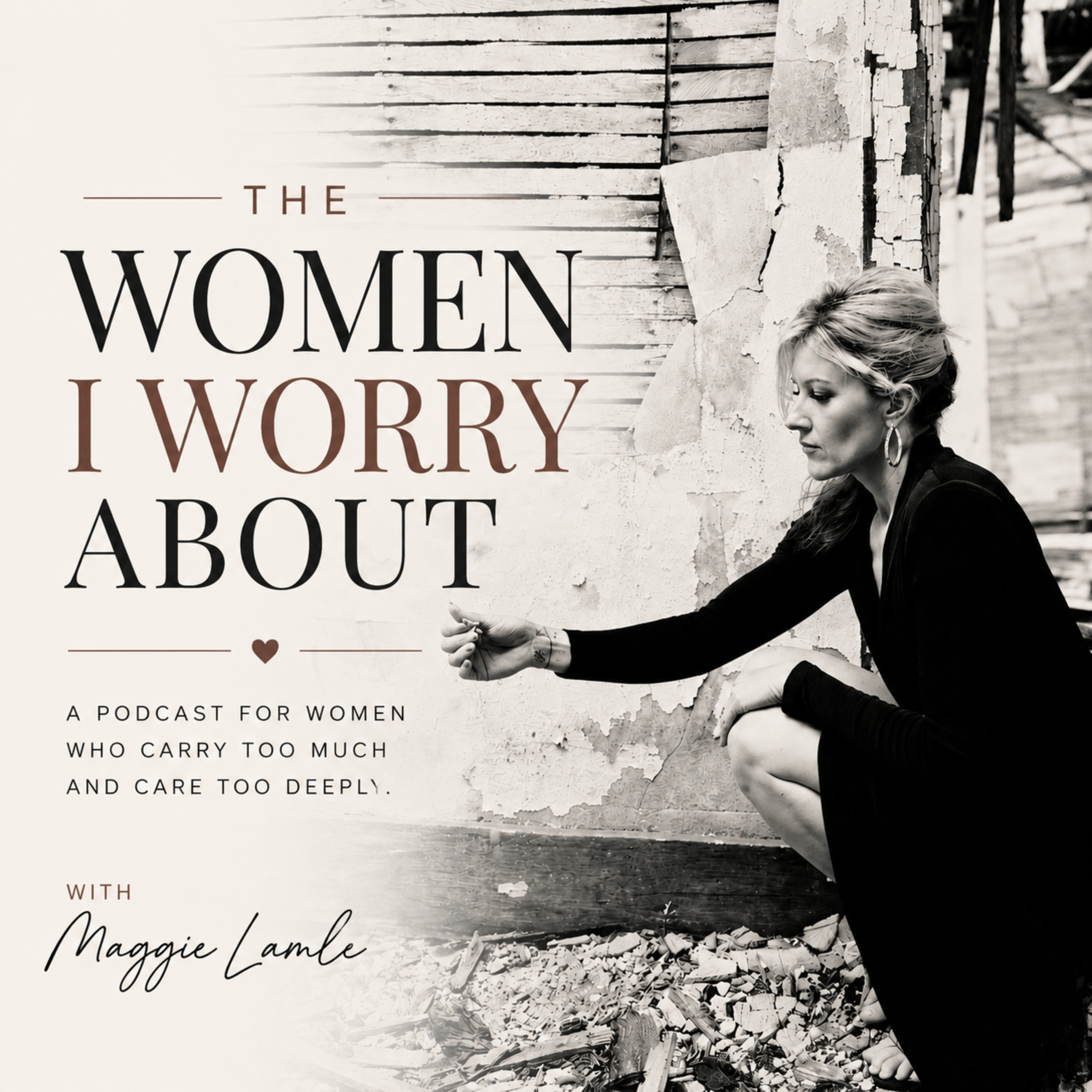
The Women I Worry About.
by Maggie Lamle
The women I worry about is for the women. Everyone depends on the women carrying more than anyone realizes hosted by Maggie Lamle, a former ER and ICU nurse this podcast, explores burnout, resilience, faith, healing, loss, purpose, and what happens when the strong ones finally tell the truth through honest conversations and personal stories you'll find perspective Hope and the reminder that you were never meant to carry everything alone.
-
9
Episode 8: Five Lies Strong Women Believe.
In this episode of the Women I Worry About podcast, Maggie Lamle discusses the five lies that strong women often believe, which can hinder their well-being and personal growth. She emphasizes the importance of recognizing these myths and replacing them with healthier truths. The conversation covers themes of self-care, boundaries, and the need for support, ultimately encouraging women to embrace their worth beyond their roles and responsibilities.Takeaways: Strong women often believe they should handle everything alone.Rest is not a reward; it's a necessity for well-being.Believing that if you don't do it, it won't get done can lead to burnout.Saying no is not selfish; it's a necessary boundary.Your worth is not defined by your productivity or usefulness.Allowing others to help can be a sign of strength.It's important to recognize the lies we tell ourselves.Setting boundaries can be uncomfortable but is essential for self-care.Your identity should not be solely based on your roles and responsibilities.Embracing new truths can lead to personal growth and empowerment.Reach out to us at: [email protected] Follow us: IG @thewomeniworryaboutpodcast @hgfitmaggieFB: The Women I worry About Podcast. You can also find us on ApplePodcastand Spotify. Please Subscribe, Like and Follow it helps us more than you know. Thank youfor listening.Maggie May Lamle
-
8
Episode 7: What Healing Actually Looked Liked
In this episode of the Women I Worry About podcast, Maggie Lamle shares her personal journey of healing, emphasizing the messy and complex nature of recovery. She discusses the importance of facing uncomfortable truths, rebuilding trust with oneself, and the necessity of taking responsibility for one's life. Maggie highlights the significance of grieving past relationships and experiences while also recognizing the power of small, repeated choices in the healing process. Ultimately, she conveys a message of hope and resilience, encouraging listeners to embrace their own healing journeys. Healing is a gradual process, not a sudden transformation.It's essential to face uncomfortable truths about oneself.Rebuilding trust with oneself is crucial for healing.Grieving past relationships and experiences is a part of the healing journey.Taking responsibility for one's life is empowering, but it doesn't mean taking all the blame.Healing involves making small, repeated choices every day.It's important to let go of the belief that one's value comes from how much they can carry.Finding peace amidst chaos is possible through self-care and boundaries.Acknowledging the connection between mental and physical health is vital.Healing is a continuous journey, not a destination.Reach out to us at: [email protected] Follow us: IG @thewomeniworryaboutpodcast @hgfitmaggieFB: The Women I worry About Podcast. You can also find us on ApplePodcastand Spotify. Please Subscribe, Like and Follow it helps us more than you know. Thank youfor listening.Maggie May Lamle
-
7
Episode #6:Looking Back I Can Finally See.
In this episode, Maggie Lamle shares her journey through personal struggles, emphasizing how herworst experiences shaped her into a stronger individual. She discusses theimportance of recognizing one's worth beyond external validation, the necessityof asking for help, and the transformative power of faith and resilience.Through her story, she encourages listeners to hold on during tough times, asthese challenges can lead to profound personal growth.TakeawaysThe worst season ofmy life helped prepare me for the next. I built an identity on sand, which led to my downfall. I had to learn to ask for help and lean on others. My worth is not tied to how much I can carry. Becoming emotionally stronger is crucial forresilience. Hitting rock bottom was necessary for my transformation. I realizedI needed to change to support my family. Surviving tough seasons is part of thejourney. Faith played a significant role in my recovery. Challenges can build us up for future struggles.Reach out to us at: [email protected] Follow us: IG @thewomeniworryaboutpodcast @hgfitmaggieFB: The Women I worry About Podcast. You can also find us on ApplePodcastand Spotify. Please Subscribe, Like and Follow it helps us more than you know. Thank youfor listening.Maggie May Lamle
-
6
Episode 5: The Cost Of Carrying Everything
Carrying Too Much: Understanding the Hidden Costs for WomenIn our fast-paced world, women often find themselves shouldering more than they can bear. Whether it’s family responsibilities, work obligations, or social commitments, many women feel the weight of their roles. But what happens when this burden becomes too heavy? In this post, we’ll explore the hidden costs of carrying too much and provide insights on how to break free from the cycle of overwhelm. The Weight of ResponsibilityWomen are often praised for their ability to manage multiple responsibilities simultaneously. However, this strength can become a double-edged sword. When we mistake survival for strength, we risk losing touch with our emotional and physical well-being. It’s crucial to recognize the signs of emotional exhaustion, which often manifests as fatigue or numbness rather than overt distress. Key Insight:Recognizing that enduring stress is not a badge of honor is the first step toward reclaiming your well-being. The Emotional Cost of Carrying It AllCarrying too much can lead to significant emotional costs. Chronic stress can diminish our joy, patience, and ability to engage in life fully. Women often express feelings of tiredness instead of acknowledging deeper emotional struggles. This subtle exhaustion can be a sign of burnout, affecting both mental health and daily functioning. Key Insight:Understanding that emotional exhaustion doesn’t always look dramatic is essential. Sometimes, it’s simply a sign of survival. The Physical Toll of StressThe physical repercussions of prolonged stress are profound. Chronic stress can impact sleep, digestion, hormone levels, and overall health. The body is designed for short bursts of stress, not continuous pressure. When stress becomes a constant state, it can lead to serious health issues, including cardiovascular problems and weakened immune response. Key Insight: Prioritizing recovery and healing is vital. Your body cannot thrive in a constant state of stress. The Impact on RelationshipsWhen women carry the weight of responsibility alone, it can strain relationships. Loved ones may stop checking in because they perceive you as managing well, leading to feelings of isolation and resentment. It’s essential to communicate your needs and allow others to support you. Key Insight: Opening up about your struggles can strengthen relationships and create a support network. Reclaiming Your IdentityMany women find their identity tied to their roles as caregivers and problem-solvers. This can lead to an identity crisis when they step back from these responsibilities. It’s essential to reconnect with oneself outside of these roles. Reflecting on who you are beyond your obligations can be liberating and healing. Key Insight: Embracing your identity beyond caregiving is crucial for personal growth and fulfillment. The journey to understanding the hidden costs of carrying too much is vital for every woman. Acknowledging the emotional, physical, and relational tolls of excessive responsibility can lead to profound changes in your life. Remember, it’s okay to seek help and prioritize your well-being. By doing so, you not only enhance your life but also become more present and effective in the roles you cherish. Disclaimer: This is for education purposes only. Not medical advice. We would love to hear from you please email us at: [email protected] or drop us a comment.
-
5
Episode #4: Nobody Talks About High-Functioning Burnout
High Functioning Burnout: Understanding and Overcoming the Silent StruggleWelcome back to the Women I Worry About podcast! I’m Maggie Lamle, and today we’re diving into a topic that’s often overlooked yet profoundly impactful: high functioning burnout. This issue affects many women, particularly those in demanding roles, and it's crucial to understand what it is and how to recognize it.What is High Functioning Burnout?High functioning burnout is a state of chronic physical, mental, and emotional exhaustion. You may appear successful and capable on the outside, but internally, you’re running on empty. It’s a condition that often goes unnoticed, even by those who suffer from it. If you’re a mother juggling family responsibilities, a nurse picking up extra shifts, or a woman managing a demanding career, you might be experiencing high functioning burnout without even realizing it.Why Does It Happen?Women are particularly vulnerable to high functioning burnout due to several factors:- The Second Shift: Many women work full-time while also managing household responsibilities. This “second shift” can lead to overwhelming stress and a feeling of carrying an invisible load.- Perfectionism: Society often teaches women that their worth is tied to their productivity and dependability. As a result, many feel guilty or lazy when taking time to rest or ask for help.- Lack of Recognition: In high-stress professions, particularly in healthcare, hard work is often rewarded with more work rather than acknowledgment and support.The Consequences of High Functioning BurnoutLiving in a state of high functioning burnout can lead to severe physical and mental health issues. Chronic stress can cause:- Sleep Disturbances: High levels of stress hormones like cortisol disrupt sleep patterns, leading to insomnia and fatigue.- Cognitive Overload:You may find it difficult to concentrate or make decisions, as your mind feels cluttered with responsibilities.- Physical Health Issues: Prolonged stress can lead to chronic inflammation, increasing the risk of various health problems such as heart disease and autoimmune disorders.Recognizing the SignsIt’s essential to recognize the signs of high functioning burnout before it escalates. Some indicators include:- Feeling emotionally drained or detached- Difficulty sleeping or concentrating- Increased anxiety or mood swings- Physical symptoms like headaches or fatigueHow to Combat High Functioning Burnout1. Acknowledge Your Feelings: Accept that you’re feeling overwhelmed and that it’s okay to seek help. Talking to someone you trust can be a great first step.2. Set Boundaries: Learn to say no and prioritize your well-being. It’s essential to carve out time for self-care and relaxation.3. Seek Professional Help: If you’re struggling, consider reaching out to a therapist or counselor who can help you navigate these feelings.4. Practice Mindfulness:Techniques such as meditation, yoga, or deep-breathing exercises can help reduce stress and ground you in the present moment.5. Connect with Others: Don’t underestimate the power of community. Connecting with friends or joining support groups can provide a sense of belonging and understanding.Key TakeawaysHigh functioning burnout is a serious issue, particularly among women balancing multiple roles. Recognizing the symptoms and understanding the underlying causes can help you take proactive steps toward recovery. Remember, it’s okay to prioritize your health and well-being; you are not alone in this journey. For Educational Purposes Only. NOT medical Advice!Follow us on IG @thewomeniworryaboutpodcast or on FB at The Women I Worry About Podcast. Email us your story, questions, or topics you'd like to see on the show at [email protected] you are interested in longevity and peptide therapies here is the link: elliemd.com/MaggieL Be sure to create a free account to have exclusive access! Thank you for listening!
-
4
Episode #3: The Women I Truly Worry About.
In this episode of the Women I Worry About podcast, Maggie Lamle discusses the struggles faced by women who often carry the weight of the world on their shoulders without asking for help. She emphasizes the importance of acknowledging one's struggles, finding what fills you, creating a peaceful life, and reclaiming one's identity. Maggie shares her personal journey of self-discovery and encourages listeners to reflect on what parts of themselves they may have lost and are ready to reclaim.TakeawaysWomen often carry too much and don't ask for help.Acknowledgment of struggles is the first step to healing.Putting oneself first can feel selfish but is necessary.Creating a life that doesn't require constant recovery is essential.Reclaiming one's identity is a journey, not a destination.Self-talk and boundaries are crucial for mental health.Surrounding oneself with supportive people is vital.It's important to identify what drains your energy.Healing is a long process that requires honesty and effort.Finding oneself is about uncovering the person you already are.
-
3
Episode #2: Why Strong Women Don't Ask For Help.
If you’ve ever felt overwhelmed yet too proud to ask for assistance, you're not alone. Many strong women, especially those in caregiving professions, grapple with the burden of independence. In this post, I’ll explore the reasons why strong women like nurses often hesitate to seek help, drawing from personal experiences and insights gained throughout my nursing career. The Weight of Responsibility As a nurse with over 16 years of experience in ER and ICU settings, I understand the pressure to be the one who can handle it all. From the moment we step into the profession, we are positioned as pillars of strength and competence. This expectation can lead us to believe that asking for help is a sign of weakness. The Trust Factor Nurses are among the most trusted professionals. Families rely on us during their most vulnerable moments, which creates an ingrained belief that we must always be strong. My mother once told me, "Maggie, people call you because you are a fixer." While it’s a compliment, it also adds to the pressure to maintain that facade of strength, even when we’re crumbling inside. The Experience of Isolation Interestingly, even within a team, nurses can feel isolated in their struggles. I recall a fellow nurse who mentored me. After years of working alongside one another, she revealed that she, too, had been struggling throughout COVID. We faced similar challenges but never reached out to each other for support. This experience highlighted how vital it is for us to recognize that we are not alone in our struggles. The Fear of Being a Burden One of the biggest fears that prevents strong women from asking for help is the concern of being perceived as a burden. We pride ourselves on being the ones who provide support, not seek it. This fear can be paralyzing and prevent us from reaching out, even when it’s critical for our well-being. The Role of Independence Strong women often fiercely guard their independence. I identify with the meme of a woman single-handedly carrying a refrigerator because she doesn’t want to wait for anyone else. That independence can be empowering, but it can also lead to self-neglect when we refuse to accept help. The Impact of Trauma Working in high-stress environments like the ER and ICU can lead to emotional and psychological trauma. Many nurses experience PTSD due to the nature of our work, yet we often don’t acknowledge it. The cumulative effect of caring for patients during their worst moments takes a toll, and without proper support, it can lead to burnout or worse. The Silent Struggles The pandemic exacerbated these issues, highlighting the need for mental health support among healthcare workers. I’ve seen colleagues suffer silently, leading to tragic outcomes, including suicides. It’s a stark reminder that we must prioritize our mental health and seek help when needed. Finding Strength in Vulnerability While asking for help can feel uncomfortable, it’s important to recognize that vulnerability is a strength. Acknowledging our struggles is the first step toward healing. I’ve learned that sharing my experiences and seeking support has not only benefited me but has also encouraged others to do the same. Building a Supportive Community Creating a culture where asking for help is normalized is essential. By sharing our stories and being open about our difficulties, we can foster a supportive community where strong women feel safe to seek help when needed. In conclusion, understanding why strong women often hesitate to ask for help can pave the way for change. It’s time to break down the barriers that keep us silent and start a conversation about mental health and support in our communities.
-
2
Episode #1: The Day I Realized I Couldn't Carry It All Anymore.
For years, I was the woman everyone depended on. I was an ER and ICU nurse, a wife, a mom, and the one who always found a way to keep going. Then COVID happened. The long shifts, the loss, the fear, the impossible expectations… I told myself I was fine because I didn’t know any other way to survive.But I wasn’t fine.What started as carrying a little too much slowly became carrying everything. I didn’t fall apart overnight. I disappeared one small piece at a time beneath the weight of everyone else’s needs. Depression, alcohol, and hopelessness became part of my story until I reached a moment that changed everything.In this first episode, I share the story I’ve never fully told, the day I hit rock bottom, what finally woke me up, and why I believe so many women aren’t broken. They’re simply carrying more than any one person was ever meant to carry.If you’ve ever looked like you had it all together while quietly falling apart, this episode is for you.
-
1
Trailer-The Women I Worry About
Welcome to The Women I Worry About. This podcast is for the women everyone depends on. The women carrying more than anyone realizes. After 16 years in the ER and ICU, surviving loss, depression, suicidal ideation, alcohol abuse, recovery, and so much more I've learned that the women I worry about most aren't the ones asking for help. They're the ones quietly holding everything together while convincing everyone they're fine. In this trailer, I'll share why I created this podcast and what you can expect in the weeks ahead. If you've ever felt like you're carrying too much, you're in the right place.Episode one drops next week.
We're indexing this podcast's transcripts for the first time — this can take a minute or two. We'll show results as soon as they're ready.
No matches for "" in this podcast's transcripts.
No topics indexed yet for this podcast.
Loading reviews...
ABOUT THIS SHOW
The women I worry about is for the women. Everyone depends on the women carrying more than anyone realizes hosted by Maggie Lamle, a former ER and ICU nurse this podcast, explores burnout, resilience, faith, healing, loss, purpose, and what happens when the strong ones finally tell the truth through honest conversations and personal stories you'll find perspective Hope and the reminder that you were never meant to carry everything alone.
HOSTED BY
Maggie Lamle
Loading similar podcasts...
Frequently Asked Questions
How many episodes does The Women I Worry About. have?
The Women I Worry About. currently has 9 episodes available on PodParley. New episodes are automatically indexed when they're published to the podcast feed.
What is The Women I Worry About. about?
The women I worry about is for the women. Everyone depends on the women carrying more than anyone realizes hosted by Maggie Lamle, a former ER and ICU nurse this podcast, explores burnout, resilience, faith, healing, loss, purpose, and what happens when the strong ones finally tell the truth...
How often does The Women I Worry About. release new episodes?
The Women I Worry About. has 9 episodes. Check the episode list to see recent publication dates and frequency.
Where can I listen to The Women I Worry About.?
You can listen to The Women I Worry About. on PodParley by clicking any episode. We provide an embedded audio player for direct listening, and you can also subscribe via your preferred podcast app using the RSS feed.
Who hosts The Women I Worry About.?
The Women I Worry About. is created and hosted by Maggie Lamle.
URL copied to clipboard!