
PODCAST · arts
It's Never JUST Food!
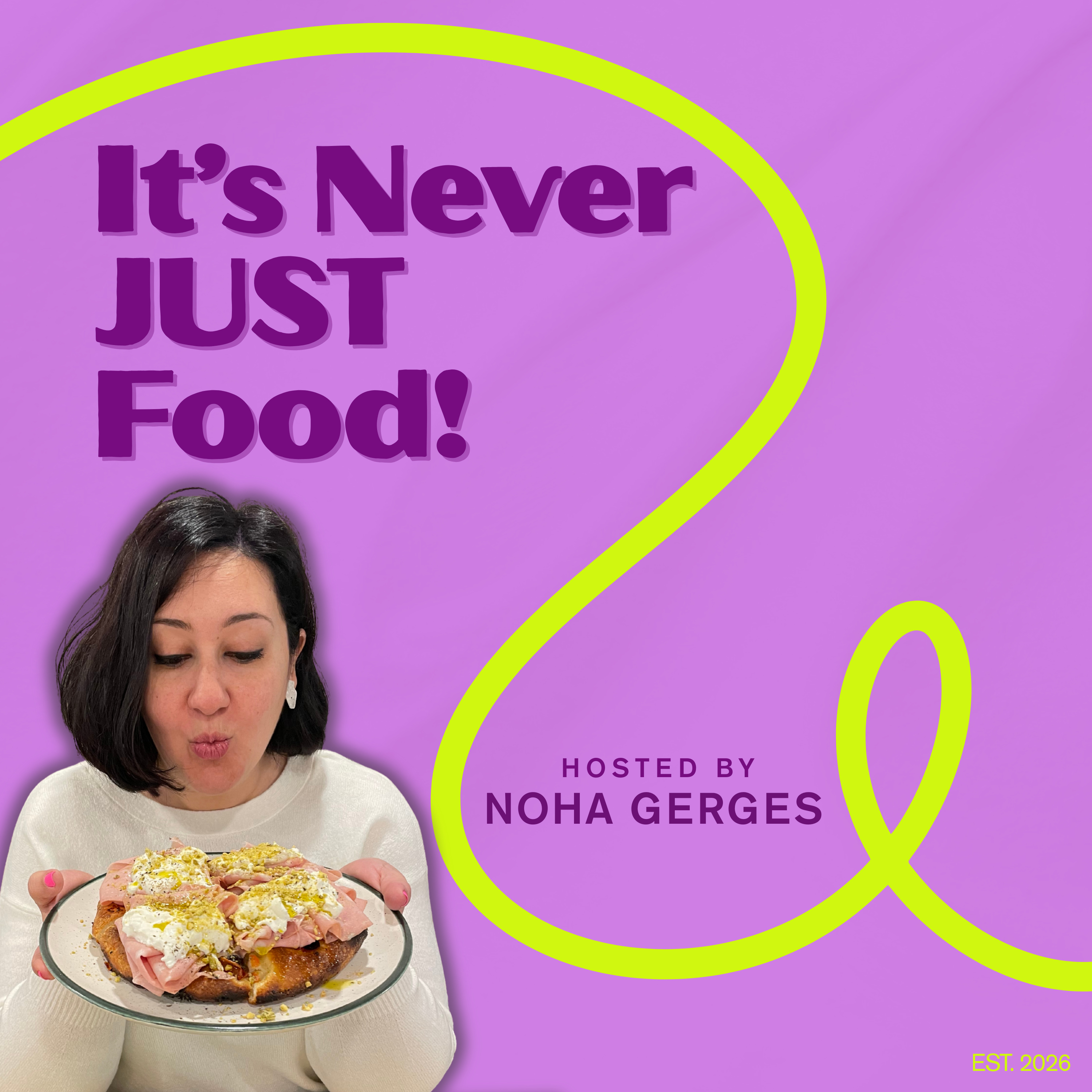
by Noha Gerges
It’s Never JUST Food is for people who love to eat and also love to ask, “but WHY is it like this?”I'm your host Noha, a corporate escapee turned meal prep coach.As a lifelong self-proclaimed foodie, I love everything about food. Here we talk the whats, whys, and hows behind it: why we crave certain eats, how certain recipes came to be, what’s cultural, and why some of our choices run on autopilot.Some episodes get science-y. Some are story-driven. Some are pure history and curiosity. Most will combine all of these.So, grab a snack and come hang out with me, fellow foodie!
-
12
Episode 11: Kimchi. History, fermentation science and why it’s more than “spicy cabbage”
Episode DescriptionKimchi is often treated like a trendy fermented side dish, but it started as a practical survival food and became a cultural cornerstone long before it hit Western grocery stores. In this episode, we go deep into kimchi’s historical roots, how it evolved over time, the science of fermentation, what “probiotics” actually means and what human research suggests about potential health effects. In this episodeWhat kimchi is The early history of kimchi and how it evolved over timeThe chili pepper timelineTraditional kimchi-making and storage methods vs modern refrigeration and commercial productionFermentation scienceProbiotics: what kimchi can be, and what that word actually requiresWhat human studies and RCT reviews suggest about potential health effects The major types of kimchi Connect with NohaTopic requests: [email protected] the podcast on Instagram Follow Noha on: Instagram and TikTok Learn more about working with Noha here References mentioned in the episodeSurya, R., et al. (2023). Kimchi throughout millennia: a narrative review on the early history and evolution of kimchi. UNESCO Archives (2012). Kimjang, Making and Sharing Kimchi. UNESCO Intangible Heritage multimedia archive. Cho, J., Lee, D., Yang, C., Jeon, J., Kim, J., Han, H. (2006). Microbial population dynamics of kimchi, a fermented cabbage product. Lee, S.H., et al. (2015). Source tracking and succession of kimchi lactic acid bacteria during fermentation.Song, E., et al. (2023). Effects of kimchi on human health: a scoping review of randomized controlled trials. Lee, W., et al. (2024). Effects of kimchi consumption on body fat and intestinal microbiota in overweight and obese adults: a randomized, double-blind, placebo-controlled trial. Cha, J., et al. (2024). Does kimchi deserve the status of a probiotic food?
-
11
Episode 10: Pizza and its 1000 years of evolution
Episode DescriptionBelieve it or not, pizza didn’t start as a global “fast food.” It started as practical street food in Naples, then became a craft, then became a symbol and eventually became a mass-produced product category in a lot of places. In this episode, we explore the history behind pizza, a popular legend, cultural trends and everything in between.In this episodeThe earliest known written mention of “pizza” Pizza in Naples during the 1700s–1800sThe first pizzeria and what we know from historical recordsThe Margherita story The UNESCO recognition of Neapolitan pizza-making as a cultural practicePizza styles beyond Neapolitan (Italy + global styles)How pizza became industrializedPizza meal prepConnect with NohaTopic requests: [email protected] the podcast on Instagram Follow Noha on: Instagram and TikTok Learn more about working with Noha here References mentioned in the episodeMattozzi, Antonio. (2015). Inventing the Pizzeria: A History of Pizza Making in Naples. National Geographic. (2022). Pizza Margherita may be fit for a queen, but was it really named after one?UNESCO Intangible Cultural Heritage. (2017). Art of Neapolitan ‘Pizzaiuolo’. Bon Appétit. (2018). What Is the Difference Between a Calzone and a Stromboli? History Today. (2016). History of Pizza.
-
10
Episode 9: The fascinating world of ultra-processed foods, Part 2
In Part 2 of this ultra-processed foods series, we go behind the curtain. Not the boring org chart stuff. The unexpected roles and design choices that shape the experience of eating ultra-processed foods, like crunch sound, texture engineering, aroma design, and how foods are built to dissolve and “go down” fast. In this episodeWhat it really means to “design” a food experienceThe crunch and sound piece Texture engineeringAroma designMelt and flavor releasePackaging as a crunch and texture protector Connect with Noha:Topic requests: [email protected] the podcast on Instagram Follow Noha on: Instagram and TikTok Learn more about working with Noha here References mentioned in the episodeMonteiro, C. A., et al.(2019). Ultra-processed foods: what they are and how to identify them. Public Health Nutrition. Fazzino, T. L., et al.(2019). Hyper-palatable foods: development of a quantitative definition and application to the US food system database. Obesity. Spence, C. (2017). Crispness, the sound of food, and the perception of texture. Flavour. Foodspiracy: Why ultra-processed foods are irresistible and how they impact our health. The Nature of Things
-
9
Episode 8: The fascinating world of ultra-processed foods, Part 1
Ultra-processed foods are everywhere, but most people don’t fully know what the term means. In Part 1 of this two-part series, we start from the beginning: how the modern ultra-processed food concept emerged, why it was created, and how the NOVA classification system defines ultra-processed foods today. In this episodeThe history behind processed foodsWhat “ultra-processed” means The modern origin of the term and why researchers introduced itNOVA 101: the four groups and what makes a food ultra-processedConnect with Noha:Topic requests: [email protected] the podcast on Instagram Follow Noha on: Instagram and TikTok Learn more about working with Noha here References mentioned in the episodeMonteiro, CA. (2009). Nutrition and health. The issue is not food, nor nutrients, so much as processing. Public Health Nutrition. Monteiro, CA., et al. (2010). Increasing consumption of ultra-processed foods and likely impact on human health: evidence from Brazil. Public Health Nutrition. Monteiro, CA., et al. (2019). Ultra-processed foods: what they are and how to identify them. Public Health Nutrition. Braesco, V et al. (2022). Ultra-processed foods: how functional is the NOVA system? European Journal of Clinical Nutrition. Sadler, CR., et al. (2022). Processed food classification: conceptualisation and challenges in practice. European Journal of Clinical Nutrition.da Silva, JT., et al. (2025). Defining ultra-processed foods: a systematic review of classification systems and operational definitions. United States Department of Health and Human Services, United States Department of Agriculture. (2025). Ultra-Processed Foods: Request for Information. Federal Register.Health Canada. (2022). Limit highly processed foods. Canada’s Food Guide.
-
8
Episode 7: Why cilantro tastes like soap to some people!
Coriander is either fresh, citrusy, and full of bursts of happiness or it tastes like soap and ruins your entire meal. There seems to be no in-between.In this episode, we unpack what coriander is, why it has different names, where it comes from, how it shows up in so many cuisines and what the peer-reviewed science says about the soap tasting situation. We also break down coriander leaves vs coriander seeds, compare it to other herbs and get practical with recipes, storage, and substitutions.In this episodeCoriander, cilantro, dhania, coriandre, and كزبرةWhere coriander likely originated The genetics: the 2012 genome-wide association study and OR6A2The chemistry behind the soap issueLeaves vs seedsCoriander compared to other herbsPractical and common uses How to cook around cilantro if it tastes like soap Connect with Noha:Topic requests: [email protected] the podcast on Instagram Follow Noha on: Instagram and TikTok Learn more about working with Noha here References mentioned in the episodeEriksson, N. et al. (2012). A genetic variant near olfactory receptor genes influences cilantro preference. Flavour. Robino, A. et al. (2019). A Brief Review of Genetic Approaches to the Study of Food Preferences. (Mentions OR6A2 as a candidate receptor activated by aldehydes linked to cilantro odor. Spence, C. (2023). Coriander (cilantro): A most divisive herb. Kumar, S. et al. (2022). Chemical composition of fresh coriander leaves headspace aroma and essential oils. Shahwar, M.K. et al. (2012). Characterization of coriander seeds and leaves volatile extracts. Serious Eats (2019). What is culantro, and how to use it.
-
7
Episode 6: Rice vs potatoes - why different cultures experience them differently!
One of my listeners, Emily, shared a question that sent me down a nerdy rabbit hole. She grew up in Canada eating potatoes as a staple and can eat a lot of them with no problem but rice makes her full really fast. Her Indonesian friends are the opposite: they can eat a lot of rice, but potatoes shut them down fast.In this episode, we explore whether there’s any scientific reason behind this so come join me and find out what the data really says!In this episode:Where potatoes and rice originated, how they spread globally and how many varieties existHow we define fullnessExpected satietyGastric emptying explained and what it implies for rice vs potatoesWhy rice and potatoes aren’t single foods The genetics angleThe answer to the questionConnect with Noha:Topic requests: [email protected] the podcast on Instagram Follow Noha on: Instagram and TikTok Learn more about working with Noha here References mentioned in the episode:Spooner, D.M., & colleagues (overview chapters / syntheses on potato domestication and diversity). Cambridge / academic syntheses on potato biodiversity and domestication.Zheng, Y. et al. (2016). Rice Domestication Revealed by Reduced Shattering of Archaeological rice from the Lower Yangtze Valley. Scientific Reports.Irvine, M.A. et al. (2013). Increased familiarity with eating a food to fullness underlies increased expected satiety. Appetite.Amr, A.M. et al. (2024). Potatoes Compared with Rice in Meals with either Animal or Plant Protein Reduce Postprandial Glycemia and Increase Satiety in Healthy Adults: A Randomized Crossover Study. Journal of Nutrition.Debry, G. et al. (1988). Relationship between rate of gastric emptying and glucose and insulin responses to starchy foods. American Journal of Clinical Nutrition.Holt, S.H.A. et al. (1995). A satiety index of common foods. European Journal of Clinical Nutrition.Perry, G.H. et al. (2007). Diet and the evolution of human amylase gene copy number variation. Nature Genetics.
-
6
Episode 5: Chocolate wasn't meant to be sweet!
Today, we're exploring everything chocolate which wasn't something that ever started out with an intention to be used in sweet concoctions! In this episode: Where chocolate originated and what it looked like How chocolate made its way to Europe Cacao vs cocoa vs chocolate Where cacao grows, harvesting, and the supply chain situation How chocolate is made The different types of chocolate out there Why people crave chocolate Health benefits vs risks How to temper chocolate at home Connect with NohaTopic requests: [email protected] the podcast on Instagram Follow Noha on: Instagram and TikTok Learn more about working with Noha here References mentioned in the episode: History.com. History of Chocolate NOAA Climate.gov. Climate and Chocolate International Cocoa Organization (ICCO). Fine or Flavour Cocoa Encyclopaedia Britannica. How Is Chocolate Made? FDA. Standard of Identity for White Chocolate Barry Callebaut. Ruby chocolate launch/overview Hormes, J.M. (2017). Does culture create craving? Evidence from the case of menstrual chocolate craving. PLOS ONE.Arisi, T.O.P. et al. (2024). Effects of Cocoa Consumption on Cardiometabolic Risk Markers.Valrhona (L’École Valrhona). Tempering chocolate
-
5
Episode 4: Sushi started as WHAT?
If you think sushi started in the same format you know and love today, you’re not alone but, its origins are totally different. Tune in to learn more! In this episode:Sushi’s origin story What counts as sushi The main types of sushi: Kimbap is not “Korean sushi” How sushi became popular outside JapanWhat it takes to be a sushi chef and what omakase meansThe health side: benefits & risksMaking sushi at home safely, what tools you need, and what imitation crab actually isConnect with NohaTopic requests: [email protected] the podcast on Instagram Follow Noha on: Instagram and TikTok Learn more about working with Noha here References mentioned in the episode:PBS. The History of Sushi Michelin Guide. A Brief History of Sushi in America Japan Experience. The job of sushi chef in Japan Michelin Guide. What is omakase?Healthline. Imitation Crab: Is It Real Crab and Should You Eat It?
-
4
Episode 3: The delicious world of dumplings
Dumplings are everywhere, and people love arguing about what counts, what doesn’t, and what the “best” dumpling is.So, today we’re covering these delicious bites, but with one rule: this is not a competition and there will be no winner, because I have never met a dumpling I didn’t enjoy.In this episode, we’re taking a historical and cultural trip around the dumpling world. We’re covering what counts as a dumpling, how so many cultures have their own versions, wrapper and filling differences, cooking methods, dipping sauce options, a quick health check, and a few meal-prep friendly dumplings that are worth freezing.In this episode:What counts as a dumpling How dumplings exist everywhereA world tour of dumplings Wrappers vs fillings vs cooking methods Dipping saucesAre dumplings healthy?Connect with Noha:If you have a topic you want covered next, send an email to [email protected] Follow the It’s Never JUST Food podcast on Instagram Follow Noha on Instagram and TikTokLearn more about working with Noha hereReferences mentioned in the episode:Britannica Dictionary. “Dumpling” definition Monash University. About FODMAPs and IBS (what FODMAPs are and why they can trigger IBS symptoms).
-
3
Episode 2: Bread, the 14,000 year old bite!
Every time you bite into bread, you’re taking part in something ANCIENT.In this episode, we go deep on bread as the ultimate “never just food” food. We’re talking what early bread looked like, how bread evolved through civilizations, and the science behind why yeast bread and sourdough taste and behave differently. Then we zoom out to the cultural side of bread, including why it shows up everywhere, and how it’s often tied to hospitality.In this episode:The oldest evidence of bread making (before agriculture was even a thing)What early bread likely looked likeBread in Ancient Egypt and what we’ve learned from scientific analysis of preserved loavesPompeii’s carbonized loavesFermentation 101Yeast vs sourdough, and why sourdough can taste so differentBread as culture and hospitalityConnect with Noha:If you have a topic you want covered next, send an email to [email protected] the It's Never Just Food Podcast on InstagramFollow Noha on Instagram and TikTokLearn more about working with Noha hereReferences mentioned in the episode:Arranz-Otaegui, A. et al. (2018). Archaeobotanical evidence reveals the origins of bread 14,400 years ago in northeastern Jordan. PNAS.Samuel, D. (1996). Investigation of Ancient Egyptian baking and brewing methods by correlative microscopy.Science.Food and Agriculture Organization of the United Nations (FAO). Cereals and other starch-based staples: are consumption patterns changing? FAO.Engström, N. et al. (2015). Sourdough fermentation of wheat flour does not prevent the interaction of transglutaminase 2 with α2-gliadin or gluten.Mesta-Corral, M. et al. (2024). Technological and nutritional aspects of bread production. Nutrients.
-
2
Episode 1: WHY do we eat?
Meet Noha and learn about WHY we eat the way we eat. In Episode 1, I’m breaking down 5 reasons food is never JUST food. I'll cover reasons spanning biology, cravings, stress, culture and the modern food environment. Expect nerdy facts, real-life examples, and at least one “I had no idea” moment.Connect with Noha:If you have a topic you want covered next, send an email to [email protected] the It's Never Just Food Podcast on Instagram Follow Noha on Instagram and TikTokLearn more about working with Noha here
No matches for "" in this podcast's transcripts.
No topics indexed yet for this podcast.
Loading reviews...
ABOUT THIS SHOW
It’s Never JUST Food is for people who love to eat and also love to ask, “but WHY is it like this?”I'm your host Noha, a corporate escapee turned meal prep coach.As a lifelong self-proclaimed foodie, I love everything about food. Here we talk the whats, whys, and hows behind it: why we crave certain eats, how certain recipes came to be, what’s cultural, and why some of our choices run on autopilot.Some episodes get science-y. Some are story-driven. Some are pure history and curiosity. Most will combine all of these.So, grab a snack and come hang out with me, fellow foodie!
HOSTED BY
Noha Gerges
Loading similar podcasts...
URL copied to clipboard!