
PODCAST · health
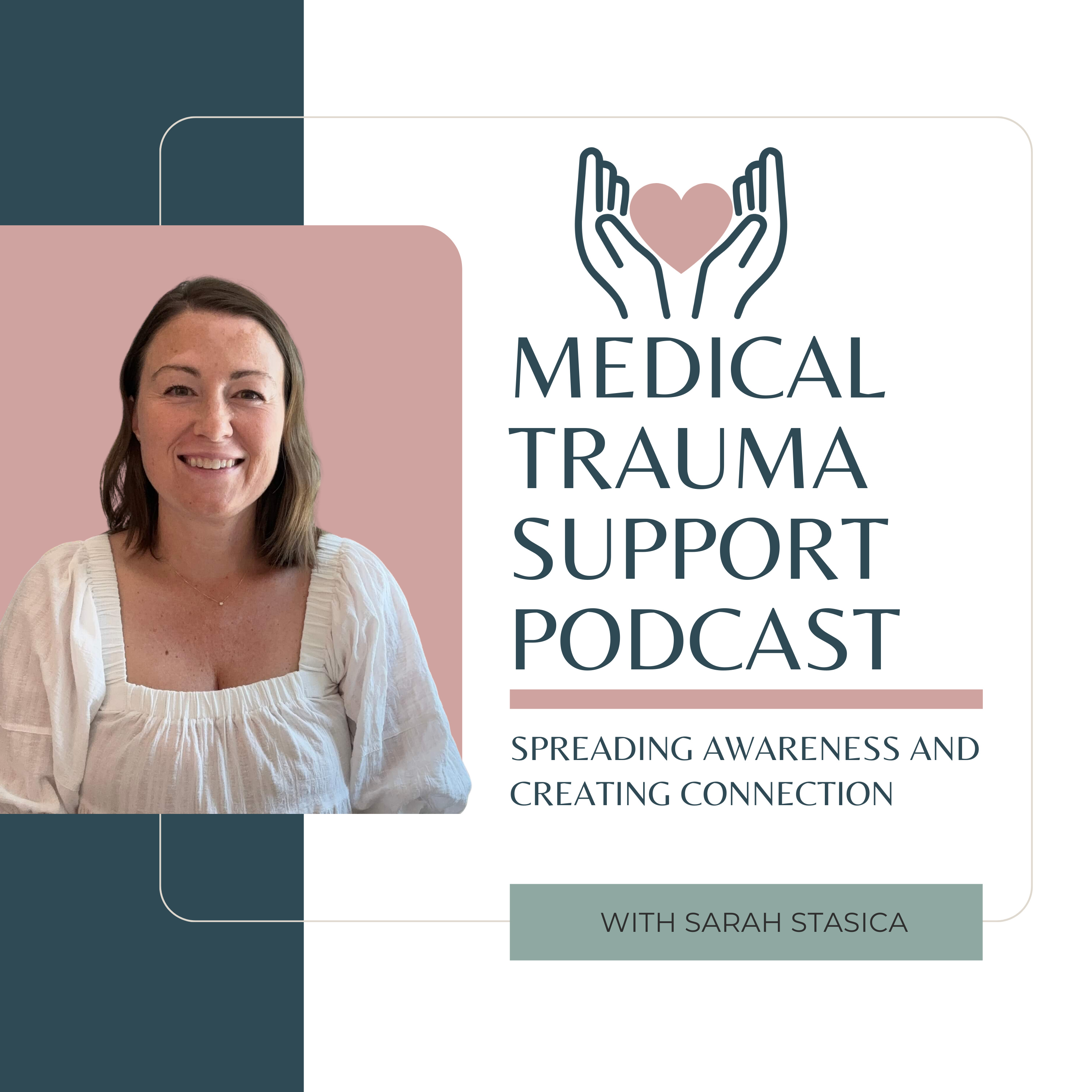
Medical Trauma Support
by Sarah Stasica
The Medical Trauma Support Podcast explores the human impact of medical experiences for patients, parents, and healthcare professionals.Through human-centered, nervous-system-informed conversations, the podcast examines how medical care can impact the body, trust, and sense of safety. Episodes explore medical trauma, fear, shutdown, compassion in care, provider wellbeing, and the changes needed within healthcare systems to better support everyone involved.This podcast offers education, reflection, and hope — honoring our shared humanity and the body’s responses to medical experiences.
-
48
You Can Be Okay: Medical Trauma, Avoidance, and the Path Forward with Dr. Jim Jackson
Medical trauma is real. Millions of people are living with it. And most of them don't even have a name for it yet.In this episode, Sarah sits down with Dr. Jim Jackson, neuropsychologist at Vanderbilt University and author of Reclaiming Your Life from Medical Trauma, for a deeply human conversation about what medical trauma actually looks like, why avoidance is so much more dangerous than we realize, and why you don't have to be symptom-free to live a meaningful life.Dr. Jackson has spent over 25 years working with ICU survivors, long COVID patients, and people navigating the aftermath of life-altering medical experiences. He brings both clinical expertise and his own lived experience with OCD to a conversation that is honest, warm, and genuinely hopeful.In this episode, you'll hear:Why medical trauma is "hiding in plain sight" and what it costs people to not have a name for itHow avoidance quietly shrinks your world (and what actually helps you move through it)What acceptance and commitment therapy offers people who can't imagine returning to medical careThe "beach ball in the pool" approach to distressing symptomsWhy shame keeps people stuck, and how to begin gently moving out of itJim's own story of being diagnosed with OCD and what it taught him about healing without a cureWhy post-traumatic growth isn't about gratitude, it's about finding a new opportunityResources mentioned:Reclaiming Your Life from Medical Trauma by Dr. Jim Jackson (available on Amazon, Barnes & Noble, and wherever books are sold, including an audio version)ICU Recovery Center at Vanderbilt UniversityCritical Illness Brain Dysfunction and Survivorship Center at VanderbiltMedical Trauma Support Circle: https://your-bc-befriend.mn.co/landing/medicaltraumasupport.orgThe Medical Trauma Support Podcast is a human-centered, nervous-system-informed space for anyone whose relationship with their body, safety, and trust has been shaped by medical experiences. Because your experience deserves recognition.
-
47
From Misdiagnosed and Dismissed to Reclaiming Her Voice: Deborah Weed's Medical Trauma Story
Have you ever been dismissed by a doctor, told your pain wasn't real, or watched the people you love begin to doubt you? You are not alone — and this episode is for you.Sarah sits down with Deborah Weed, founder of the Self Worth Initiative, author, artist, and creator of the upcoming musical Paisley: The Fashion Forest — a story born directly out of her own experience with medical trauma. Deborah spent three excruciating years bedridden, told by doctors she might have MS or ALS, and ultimately dismissed as making it all up. All while a grapefruit-sized tumor hidden behind her uterus was slowly hemorrhaging her body to near death.What Deborah discovered on that journey, about self-worth, the difference between self-esteem and self-worth, and the healing power of creativity, is something every survivor of medical trauma needs to hear.In this episode, you will hear:What it felt like to be disbelieved by doctors and by the people closest to herThe difference between self-esteem and self-worth, and why losing one does not mean losing the otherHow gadolinium poisoning and a mismanaged black-box antibiotic added to her medical traumaWhy she believes creativity is what saved her life — not once, but three timesThe Broadway-bound musical she is building as a movement for women who have lost their voiceSarah's vision for a peer support certification program so no one ever faces a medical procedure aloneWhether you are healing from a misdiagnosis, navigating a mystery illness, supporting a loved one, or working in healthcare, this conversation will remind you: your quills grow back. So does your power.Connect with Deborah: paisleysfashionforest.comKeywords: medical trauma, misdiagnosis, dismissed by doctors, chronic illness support, medical PTSD, self-worth, mystery illness, long COVID, rare disease, reclaiming your voice, women's health, gadolinium poisoning, peer support
-
46
When the System That's Supposed to Help You Causes Harm: Medical Trauma, Endometriosis, and Healing
If you've ever left a doctor's appointment feeling worse than when you walked in — not from the news you received, but from how you were treated — this episode is for you.I sat down with Casey Berna, licensed clinical social worker, endometriosis advocate, and author of Endometriosis: From Harm to Hope, A Chronic Illness Guide, for a deeply honest conversation about medical trauma, the nervous system, and what it really means to heal.We talk about: the 7–10 year diagnostic delay so many endometriosis patients face, why gaslighting in medical settings is a form of emotional abuse, how your nervous system responds to repeated harm (and why that's not your fault), a simple nervous system regulation tool called finger breathing, the layered grief of living with chronic illness, what truly trauma-informed care looks like — from providers AND from the people in your life, and Casey's powerful message about learning to believe yourself again.Whether you're living with endometriosis, another chronic illness, or have experienced medical trauma of any kind, this conversation will remind you: your experience deserves recognition.Resources mentioned: CaseyBerna.com | @EndoSocialWorker | Endometriosis: From Harm to Hope (available at bookshop.org) | Below the Belt documentary at https://www.projectendo.org/
-
45
“I’m Proud of You for Coming In Today”: How Compassion Changes Healthcare
In this episode, I talk with family nurse practitioner Alec Bradbury about compassionate care, chronic pain, street medicine, and what it really means to make patients feel heard.We talk about the power of simple human connection in healthcare — eye contact, listening, validation, and even saying something as simple as, “I’m proud of you for coming in today.”If you have experienced medical trauma, dismissal, or feeling unheard in healthcare, this conversation is for you. There are compassionate providers out there, and conversations like this are part of how healthcare is changing.We discuss:Medical trauma and trustChronic pain and the nervous systemThe pain–fear cycleStreet medicine and meeting patients where they areBurnout, empathy, and clinician wellbeingHow healing happens in relationshipThis conversation is compassionate, validating, and full of hope.To connect with Alec you can find him at the following link: https://linktr.ee/alecbradburyfnp?utm_source=linktree_profile_share&ltsid=a5ce4795-a0a9-4860-a549-0757fee615f5#MedicalTrauma#ChronicPain#TraumaInformedCare#PatientAdvocacy#NervousSystem
-
44
From Clinician to Patient: A Nurse Practitioner’s Journey Through Medical Trauma
Disclaimer - This episode shares one individual’s personal medical experience. It is not intended as medical advice. The goal of this conversation is to explore the human experience of illness and the importance of compassionate care within healthcare systems.In this episode of the Medical Trauma Support Podcast, Sarah speaks with family nurse practitioner Shaun Barcavage about what happens when a healthcare provider suddenly becomes the patient.After receiving a COVID vaccine during the early rollout of the pandemic, Shaun began experiencing a cascade of complex neurological and cardiovascular symptoms. What followed was not only a medical mystery—but also a deeply challenging journey through the healthcare system.Shaun shares his experience of navigating chronic illness, searching for answers, and encountering one of the most common contributors to medical trauma: not being believed.Together, Sarah and Shaun explore:What it feels like when a clinician suddenly becomes the patientThe layers of trauma that can occur in medical settingsHow dismissal and gaslighting can compound medical sufferingThe importance of listening to patients, even when answers are unclearFinding purpose, meaning, and moments of joy during long-term illnessThis conversation is not about politics—it is about the human experience inside healthcare and the importance of compassion, curiosity, and support when patients are navigating complex and unexplained symptoms.If you have ever felt dismissed, unheard, or alone in a medical experience, this episode is for you.
-
43
Grief, Legacy & Gratitude: Healing Conversations After Medical Trauma with Ellie Vincent
In this episode of the Medical Trauma Support Podcast, I’m joined by licensed clinical social worker Ellie Vincent, founder of Manna Moments conversation cards.Ellie shares how working with patients and families facing end-of-life moments inspired her to create prompts that help people talk about grief, legacy, values, and gratitude — before it’s too late.Together, we walk through three powerful prompts from her decks and reflect on:• Disenfranchised loss and unrecognized grief• Living in alignment with your values• Practicing gratitude toward your body• Supporting yourself as a clinician in the medical system• How intentional conversations can regulate the nervous systemWhether you are healing from medical trauma, supporting a loved one, or working in healthcare, this episode offers gentle reflection and meaningful tools for connection.You can learn more about Ellie and her cards at:Instagram: @by.mannamomentsWebsite: https://www.manna-moments.com/Pause the episode, journal, and let yourself reflect alongside us.Because your experience deserves recognition.
-
42
“You Are Not Broken.” Healing After Medical Trauma with Kim Black
In this powerful and deeply human conversation, Sarah Stasica sits down with Kim Black, founder of Scarred and Fabulous, to talk honestly about healing after medical trauma and surgery.Kim shares her story of childhood surgery, nervous system survival responses, and the long journey of learning how to feel safe in her body again. Together, Sarah and Kim explore why medical experiences can feel traumatic — even when procedures “go well” — and how powerlessness, avoidance, shame, and control patterns can show up long after hospital stays are over.This episode offers gentle, practical tools for:✨ Preparing emotionally for medical appointments✨ Understanding fight, flight, and shutdown responses✨ Rebuilding trust with your body after trauma✨ Releasing stored stress and fear✨ Practicing self-compassion on the healing journeyIf you’ve ever felt disconnected from your body, anxious about doctors, overwhelmed after surgery, or wondered, “Why am I still struggling?” — this conversation is for you.You are not broken. Your nervous system adapted to protect you. And healing is possible.More about Kim: Kim Black is a Post Surgery Confidence Coach and author who helps women heal from the PTSD no one warned them about after surgery. After 30 years of misdiagnosed 'anxiety,' 'IBS,' and 'anger issues,' Kim discovered she had Medical PTSD from childhood surgeries—a condition affecting up to 20% of patients that doctors rarely mention. Now she teaches women the research-backed tools she wishes she'd had, combining neuroscience with raw honesty (zero toxic positivity). Founder of Scarred & Fabulous and previously featured on BBC Radio 5 Live. Kim's Book Launch GroupJoin the Befriend Your Body Community
-
41
Medical Trauma in Children: Why Supporting Parents Matters
When a child experiences medical trauma, parents are often overlooked—but their role is powerful.In this episode of the Medical Trauma Support Podcast, I’m joined by neuropsychologist and founder of Parenting Kids with CHD, Dawn Ilardi, who has spent over 16 years working in pediatric healthcare. Together, we explore how parents’ nervous systems, emotional responses, and sense of agency directly shape a child’s medical experience.We talk about:Why parents are often “the missing patient” in pediatric careHow parental stress, anxiety, and trauma affect children’s outcomesThe power of co-regulation, presence, and advocacyWhy dissociation can be protective—and how healing happens gentlyHow asking for “the pause” can change everythingThis conversation is for parents navigating medical systems, clinicians wanting to understand family dynamics, and anyone impacted by medical trauma .Learn more about Dawn's work, Parenting Kids with CHD, https://parentingchd.podia.com/Learn more about the Befriend Your Body Community, where you can access peer support, nervous system education and a Foundation Course: https://your-bc-befriend.mn.co/landing#MedicalTrauma#MedicalTraumaSupport#ChildhoodMedicalTrauma#TraumaInformedCare#NervousSystemHealing
-
40
Post-ICU PTSD (PICS) + Healing After Medical Trauma: Danielle’s Story
In this episode, Sarah sits down with Danielle Ford, who opens up about a life-altering medical crisis: after an MS diagnosis and years on a high-efficacy disease-modifying treatment, Danielle developed a “run-of-the-mill” infection that rapidly became life-threatening—resulting in 97 days in the ICU, 12 surgeries, months of wounds and recovery, and a permanent colostomy.Together, we explore what it means to survive—and then return to a life that doesn’t look the same. Danielle shares the mental and emotional aftermath (including post-ICU trauma/PICS and PTSD symptoms), the difficulty of seeing scars in the mirror, and how therapy, community support (including ostomy communities), and faith helped her reclaim purpose. We also talk about a rare but deeply hopeful experience: a surgeon who went beyond medical care—checking in emotionally, advocating for her readiness, and helping her feel seen when she was most vulnerable.If you’ve been through an ICU stay, a medical emergency, or a body-changing procedure, this conversation is a reminder: you’re not alone—and healing is possible.Mentioned in this episode: Post-Intensive Care Syndrome (PICS), trauma therapy, exposure/support, ostomy community support.To reach out to Danielle: Email - [email protected] - https://www.instagram.com/d.b_ford/FB - https://www.facebook.com/share/16zzudq61U/?mibextid=wwXIfrTo join us in the Befriend Your Body Community - https://your-bc-befriend.mn.co/landing/
-
39
Supporting the Healers: How Support and Care for Nurses Changes Patient Outcomes
What happens when healthcare providers are truly supported—and how does that ripple out to patient care?In this powerful and deeply human conversation, I’m joined by three heart failure nurses from Christ Hospital Health Network who are quietly transforming what compassionate, trauma-informed care can look like from the inside of the system.Together, we talk about:Why medical trauma can occur even when “everything goes right”How chronic illness and hospitalization impact both patients and providers.The importance of peer support—for patients and cliniciansWhat patients are really processing after they go homeWhy being seen, believed, and supported by medical staff matters so deeplyHow systems that care for their staff create better outcomes for everyoneThese nurses also share how they run a heart failure support group that welcomes both inpatients and community members—creating connection, hope, and healing during some of the hardest moments of life. We explore grief, nervous system overwhelm, and the simple yet powerful practices that help people feel safer in medical spaces.This episode is especially meaningful to me as I continue expanding my work supporting medical providers, knowing that when clinicians are resourced, regulated, and supported, patients feel it.Whether you’re:A medical professional navigating burnout or moral injuryA patient or caregiver recovering from a traumatic medical experienceOr part of a healthcare system looking to do betterTo connect with the Christ Hospital Heart Failure Support Group you can call the Heartlink Line at 513-585-0378or email Pam at [email protected] you are looking for a peer support group for medical trauma, please join us in the Befriend Your Body Community where you can feel seen and validated with others who "get it".
-
38
Medical Trauma, Chronic Illness, and the Reality of Returning to Care — with Emma Tynan
What happens when the place that caused trauma is also the place you must return to for care?In this episode of the Medical Trauma Support Podcast, Sarah Stasica is joined by Irish psychotherapist and former emergency department nurse Emma Tynan for a deeply compassionate conversation about medical trauma, chronic illness, and the nervous system.Emma shares her journey from working in emergency care to becoming a trauma-informed therapist specializing in medical trauma and chronic illness. Together, they explore why medical trauma is uniquely complex — because unlike many other forms of trauma, healing often requires returning to the very environment where harm occurred.This episode gently unpacks:Why returning to hospitals and medical settings can feel terrifying — even years laterHow medical trauma and chronic illness impact the nervous systemWhat it means to “fall apart” in medical settings — and why that response makes senseThe importance of co-regulation, support people, and realistic expectationsWhy “good news” medically doesn’t always mean emotional reliefHow caregivers and loved ones are often traumatized tooWhy compassion — not self-judgment — is essential for healingWhether you’re living with chronic illness, navigating medical trauma, supporting a loved one, or working in healthcare, this conversation offers validation, nervous-system wisdom, and a powerful reminder:Your experience deserves recognition — even when healing isn’t linear.If you’ve ever avoided medical care, felt ashamed of your reactions, or wondered why your body responds the way it does — this episode is for you.Connect with Emma Tynan Emma Tynan Instagram Emma's Therapy Academy CourseMidlands Counselling ClinicConnect with Sarah at Medical Trauma SupportBefriend Your Body Community
-
37
Finding Light After Catastrophic Trauma: A Conversation with Seantae Jackson of the Sandal Blue Foundation
In this episode, I’m joined by Seantae Jackson, speaker and co-founder of the Sandal Blue Foundation, who shares the life-changing story of the catastrophic car accident that reshaped her family’s world — and how that moment led to the creation of a nonprofit supporting survivors after severe crashes.We talk about:• Navigating medical trauma and long-term recovery• Parenting a child with a severe TBI and rediscovering hope• The healing power of community and nervous system regulation• Why asking “What can I do?” can transform the recovery journey• Support for caregivers and the unseen layers of traumaWe also pause for a grounding straw-breath exercise to help listeners regulate as the story unfolds.This episode is emotional, inspiring, and full of hard-earned wisdom. If you’ve ever felt alone in your healing, may this conversation help you look up and see that your island is closer to others than you think.Connect with Seantae at sandalbluefoundation.org or @seantaejacksonperspectives or [email protected] out more about Sarah's support community, the Befriend Your Body Community.
-
36
Medical Trauma, Endometriosis, and Finding Healing Through Community with Shakira O’Garro
In this episode, Sarah sits down with therapist and founder Shakira (Kira) O’Garro to talk about her powerful journey through endometriosis, medical gaslighting, and reclaiming trust in her body. Together, they explore how trauma responses like shutdown and fawning show up in medical settings, the importance of somatic healing, and the transformative power of community and faith.Whether you’ve experienced medical trauma yourself or support others on their journey, this conversation will leave you feeling seen, validated, and hopeful. Please share this episode with anyone who would benefit, the more we share, the more we spread awareness of medical trauma as well as the awareness that we can recover. Get in touch with KiraCheerful Heart Mental Health Counseling Get in touch with SarahMedical Trauma Support Website Befriend Your Body Community
-
35
Helping Kids Feel Safe During Medical Care: How Play Can Prevent Fear and Anxiety with Mary Jenner, RN, BSN
Many kids feel anxious or afraid during medical visits — and parents often feel helpless watching it happen. In this powerful conversation, Sarah talks with Mary A. Jenner, pediatric nurse and founder of The Butterfly Pig, about how medical play can help children feel safe, brave, and confident during medical care.They explore how fear, anxiety, and even trauma can develop from medical experiences — and how parents and providers can take small but meaningful steps to prevent it.You’ll learn:• How to prepare kids for medical visits through play• What parents can say and do during procedures to reduce fear• Why simple tools like the Buzzy Bee or toy medical devices make a big difference• How to advocate gently but effectively for your child’s emotional safetyWhether you’re a parent, healthcare provider, or someone who’s had your own difficult medical experiences, this episode offers hope, compassion, and practical tools to help you and your loved ones feel safer in care settings.Guest: Mary A. Jenner, RN, Founder of The Butterfly PigLinks: Parent ResourcesKeywords: fear of doctorschild anxiety at doctorpreparing kids for medical procedureshow to help kids feel safepreventing trauma in healthcarepediatric medical playnervous system regulationsupporting children through medical care
-
34
Children Remember: The Lasting Impact of Childhood Medical Trauma
Many children experience medical procedures that leave lasting emotional wounds — even when everyone involved had the best intentions. In this episode, Sarah talks with Christina Gonzalez, MSW, who wrote her graduate thesis on childhood medical trauma. Christina shares her own story of growing up chronically ill and what her research revealed about how forced procedures, lack of informed consent, and emotional neglect impact children for life.Together, Sarah and Christina explore what medical trauma looks like through a child’s eyes, how parents and providers can do better, and what healing can look like — for both children and parents.You can find Christina's thesis project here: https://www.medicaltraumasupport.org/all-about-medical-traumaYou can reach Christina's blog post on Childhood Medical Trauma here: https://www.medicaltraumasupport.org/blogYou can read more about ACES here: https://www.cdc.gov/aces/about/index.htmlLearn more and access parent resources at medicaltraumasupport.comTopics covered:Violation of bodily autonomy in pediatric careThe missing emotional care that children need after medical experiencesHow it can feel to the child like their parents have betrayed them — and how parents can rebuild trustWhat parents can do now to support their children before, during, and after medical experiences
-
33
Medical Trauma and Chronic Illness with Destiny Davis, LPC, CRC
In this heartfelt conversation, Sarah sits down with licensed professional counselor and chronic illness therapist Destiny Davis to explore what happens when medical systems fail to see, believe, or support you.Together, they unpack the layers of medical trauma, chronic illness, and the emotional toll of being dismissed or disbelieved. Destiny shares her lived experience growing up with parents who had disabilities, the trauma of being labeled “hypochondriac,” and how that shaped her path as a therapist and advocate.They talk about the importance of accommodations, neurodiversity, and how society’s “push through” mentality harms those living with invisible illnesses. You’ll also hear powerful insights on:How medical trauma isn’t always what was done to you, but also what you didn’t receiveRebuilding trust in a system that has caused harmThe overlap between medical and attachment traumaSimple, somatic ways to begin feeling safe in your body againWhether you live with chronic illness, support someone who does, or work in healthcare, this conversation will help you see medical trauma through a more compassionate, nuanced lens.Show Links: Georgia Vocational Rehabilitation Agency - https://gvs.georgia.gov/Connect with Destiny Davis:Website: thechronicillnesstherapist.comMembership: thechronicillnesstherapist.com/membershipPodcast: The Chronic Illness Therapist PodcastLearn more about Medical Trauma Support: medicaltraumasupport.com
-
32
Humanizing Healthcare: Dr. Laura Vater on Medical Trauma, Compassion, and Changing the System
In this powerful episode of the Medical Trauma Support Podcast, Sarah Stasica is joined by Dr. Laura Vater, oncologist, writer, and advocate for compassionate, patient-centered care. Dr. Vater shares her journey into medicine, the personal story that inspired her to become a physician, and her work to bring humanity back into healthcare.Together, they explore:The impact of medical trauma on patients and providersHow sleep deprivation and burnout affect empathy and compassion in cliniciansWhat patients wish for in vulnerable moments, from being believed about pain to feeling truly seenPractical ways to improve the healthcare system for both patients and medical professionalsWhy honoring the humanity of both patients and providers is essential for healingWhether you’ve experienced the pain of not being heard as a patient or the weight of burnout as a clinician, this episode explores how we can reimagine healthcare with empathy at its center.Check out the Medical Trauma Support website for more resources and support - medicaltraumasupport.com
-
31
Navigating the Journey of Congenital Melanocytic Nevi with Nevus Outreach
In this episode of the Medical Trauma Support Podcast, Sarah speaks with Lauren Isbell and Whitney Casal from Nevis Outreach, a patient advocacy organization focused on Congenital Melanocytic Nevi (CMN). They discuss their personal connections to CMN, the challenges families face when navigating medical decisions, and the importance of community support. The conversation highlights the medical risks associated with CMN, the need for shared decision-making in healthcare, and the emotional weight of making treatment choices for children. The episode emphasizes the value of connection and understanding among families dealing with rare diseases, and encourages listeners to seek out supportive communities.Nevus Outreach - https://www.nevus.org/Shared Decision Making - https://collaborativecare.wustl.edu/items/shared-decision-making-about-congenital-nevi/Medical Trauma Support - https://www.medicaltraumasupport.comBefriend Your Body Community - https://www.medicaltraumasupport.org/befriend-your-body-community
-
30
What Does It Mean to Befriend Your Body?
In this episode of the Medical Trauma Support podcast, Sarah talks about what Befriending Your Body really means. She also responds to the question, "how can I become friends with a body I am disconnected from or a body that I hate?". And the answer is that it isn't an overnight process, it is a slow, gentle way of being with yourself after learning about your nervous system and building capacity to turn toward your body. Befriending your body is like coming home to yourself and feeling the safety and wisdom that has been inside of you all along. Please follow this podcast to be notified when new episodes come out. We have some fabulous guests lined up for the fall. To find out more about Medical Trauma Support, you can find us here: MTS website: https://www.medicaltraumasupport.comYouTube - https://www.youtube.com/@MedicalTraumaSupportIG - https://www.instagram.com/medicaltraumasupport/Facebook - https://www.facebook.com/profile.php?id=61561327602614
-
29
From ICU to Lifelong Bond: A Doctor and Patient’s Story of Healing, Humanity & Hope
In this deeply moving episode, we bring together patient Vanessa Abraham and her ICU doctor, Dr. Jared Rosen, for an honest, tender conversation about what it means to show up with humanity in medicine.Vanessa shares how Dr. Rosen’s attunement, compassion, and presence helped her through one of the scariest moments of her life. Dr. Rosen opens up about how this experience shaped his entire medical career — and how he protects his own mental health to continue showing up for patients with empathy and care.Together with host Sarah, they explore:What makes a medical experience feel safe, even during traumaThe emotional impact of being truly seen by your care teamHow medical professionals can protect themselves from burnout and compassion fatigueWhy little human gestures — like music, photos, and presence — can be life-changingWhether you're a patient, a loved one, or a healthcare provider, this conversation will stay with you.🎧 Listen now and follow for more stories that humanize medical care and support healing after trauma.Here are the ways you can contact Vanessa and Sarah if you need help finding support. Vanessa's WebsiteVanessa's Instagram Account Vanessa's Book: SpeechlessMedical Trauma Support Website Befriend Your Body Community Medical Trauma Support Instagram Account#MedicalTrauma #ICUStories #HumanizingHealthcare #DoctorPatientBond #CompassionateCare #VanessaAbraham #BefriendYourBody #SomaticHealing #HealthcareBurnout #TraumaSupport
-
28
Parenting Through Medical Trauma: Surviving the ICU and Finding Your Way Back
In this episode of the Medical Trauma Support podcast, Sarah speaks to Vanessa Abraham, a mother and medical trauma survivor, about the untold impact of ICU hospitalization, medical PTSD, and parenting during and after illness. From the shock of sudden critical illness to the emotional pain of being separated from her young daughter and the worry that she would not live to raise her daughter, Vanessa shares her story with raw honesty and deeply earned wisdom.Together, they explore:The experience of post-intensive care syndrome (PICS) and family post-intensive care syndrome (PICS-F)What it feels like to parent through and after a medical crisisThe hidden layers of grief, guilt, and identity loss that accompany serious illnessHow medical systems often miss the emotional and nervous system needs of patients and familiesThe role of nervous system regulation in healing trauma after an ICU stayHow to begin feeling safe in your body again after medical traumaIf you're navigating medical PTSD, recovering from an ICU experience, parenting while ill, or supporting a loved one who's been hospitalized, this conversation offers compassion, understanding, and practical insight.Search terms & support topics in this episode:medical trauma, ICU trauma, medical PTSD, post intensive care syndrome, family post intensive care syndrome, parenting while ill, nervous system regulation, somatic healing, parenting after ICU, grief after medical crisis, how to cope with medical trauma
-
27
ICU Survivor Shares the Truth About Medical Trauma, Grief & PICS
What happens after you survive the ICU? For Vanessa Abraham — a speech pathologist, author, and ICU survivor — the real trauma began after she came home.In this powerful episode, we talk about:Vanessa’s sudden illness that left her paralyzed and unable to speakThe grief, identity loss, and depression she faced after ICUThe emotional cost of being a caregiver and navigating life after medical traumaWhat PICS (Post-Intensive Care Syndrome) is — and why no one talks about itHealing tools: nervous system support, community, somatic practices, and moreWhether you're a survivor, caregiver, or provider, this conversation offers validation, education, and hope.Get Vanessa’s book “Speechless”: https://a.co/d/0Ks1DSeAre you looking for support and community with others who understand medical trauma? Join the Befriend Your Body Community: https://www.medicaltraumasupport.org/befriend-your-body-community✨ You are not alone. There is hope, healing, and support waiting for you.
-
26
What No One Tells You About Medical Trauma
Medical trauma is real — and you are not alone.In this podcast, we talk about the emotional and nervous system impact of medical procedures, ICU stays, chronic illness, and caregiving. Whether you’re healing from your own experience or supporting someone else, these conversations will help you feel seen, supported, and less alone.Hosted by Sarah from Medical Trauma Support, each episode offers gentle insight, nervous system tools, and stories from people who truly understand.🎧 Subscribe and start your healing journey.
-
25
From Psychologist to Patient: What Medical Trauma Taught Me About Healing with Dr. Rachel Allen
In this deeply personal and validating episode of the Medical Trauma Support Podcast, host Sarah Stasica welcomes psychologist Rachel Allen for a heartfelt conversation about healing from medical trauma—both as a professional and as someone with lived experience.Rachel shares her journey through a traumatic birth and her role as a caregiver during her husband’s cancer diagnosis, highlighting the emotional weight of being unseen in medical systems. Sarah and Rachel explore what it means to feel safe in your body again, how to build supportive care systems, and the importance of sitting in discomfort to access healing.From navigating the medical system to the power of community care and showing up for others without needing to be asked, this episode is a reminder that healing is possible—and we need community on our journey. You can find more about Dr. Rachel Allen at https://www.everwellbehavioralhealth.com/https://www.instagram.com/resetwithdrrachelFind out more about the Medical Trauma Support Community at https://www.medicaltraumasupport.org/befriend-your-body-community
-
24
Childhood Medical Trauma: Consent, Nervous System Healing & Community Support with Kelsey Wesley
In this powerful episode of the Medical Trauma Support Podcast, Sarah Stasica is joined by leadership and wellness consultant Kelsey Wesley for an honest conversation about the emotional complexities of childhood medical trauma.Kelsey shares her lived experience of undergoing multiple childhood surgeries and how those early medical experiences significantly impacted her. Together, Kelsey and Sarah explore how medical trauma impacts not only the child—but also the parent making heart-wrenching decisions in high-stakes moments.They discuss:The emotional aftermath of childhood medical traumaThe importance of consent and agency in healthcare, even for childrenHow parents can co-regulate and support their child without bypassing their own emotionsWhy understanding the nervous system is a crucial part of trauma-informed parentingThe healing power of presence, storytelling, and communityHealing doesn’t happen in isolation. If you’re navigating medical trauma—whether as a parent, patient, or practitioner—the Befriend Your Body Community offers steady support, trauma-informed guidance, and a space where your story is understood.➡️ Learn more and join the communityLearn more about Kelsey Wesley here! InstagramWebsiteKeywords: medical traumaparenting and traumamedical PTSDchildhood medical traumanervous system regulationtrauma-informed careemotional resilienceparenting challengeshealthcare consentcommunity support for traumahealing journeysomatic practicesparental guilt and shamemedical practitioners and traumapresence after procedures
-
23
The Power of Owning Your Story: Dana’s Path Through Scleroderma and Into Advocacy
In this powerful episode of the Medical Trauma Support Podcast, I’m joined by Dana Hammerstrom, a journalism student at USC, who shares her deeply personal story of being diagnosed with scleroderma, a rare autoimmune disease, as a child. Dana opens up about the medical trauma she experienced — from frightening medical experiences and painful treatments to the emotional impact of being a young child facing a complex chronic illness.Together, we explore how childhood medical trauma can leave lasting emotional scars, especially when it’s misunderstood or minimized. Dana also discusses how revisiting her medical history through the lens of her college capstone project helped her reclaim her voice and begin to heal.This conversation sheds light on:What it’s like to grow up with a rare pediatric autoimmune conditionChildhood medical trauma and situations that can cause itHow unprocessed medical trauma can show up years laterThe healing power of telling your story and raising awarenessWhether you're navigating your own healing or supporting a child through chronic illness, this episode offers insight, validation, and hope.You can find Dana's childhood medical trauma website here. Learn more about the medical trauma community, Befriend Your Body to Heal from Medical Trauma.
-
22
Healing After Infant Loss: A Mother's Journey Through Grief, Movement, and Medical Trauma
In this heartfelt episode of the Medical Trauma Support Podcast, host Sarah Stasica speaks with dancer and choreographer Allison Thomas about her powerful healing journey after the devastating loss of her infant. Together, they explore the deep layers of medical trauma, infant loss, and the complex emotions of grief, and how movement—especially dance—became a transformative outlet for Allison's healing.Allison shares how her body carried both her pain and her path toward recovery. Through somatic practices, breath awareness, and nervous system support, she began to process her trauma and reconnect with her inner wisdom. The episode also touches on the isolation that often comes with loss, and the critical role of community, remembrance rituals, and gentle self-expression in the healing process.Whether you are navigating your own experience with infant loss, supporting a loved one through grief, or healing from medical trauma, this episode offers hope, validation, and a reminder that your journey matters—and you don’t have to walk it alone.You can find Allison on Instagram @all_is_on_the_moveIf you would like to see the short film she made for her son, Indy, you can view it here.
-
21
Infertility & Medical Trauma: Finding Healing Through Mindfulness and Support with Dr. Emily Guarnotta
In this powerful episode of the Medical Trauma Support Podcast, Sarah Stasica is joined by Emily Guarnotta, clinical psychologist and founder of Phoenix Health, for an honest conversation about the often-unspoken emotional and medical trauma of infertility. Emily shares her personal experience with postpartum depression and how it led her to create a supportive space for others navigating infertility and perinatal mental health challenges.Together, they explore the deep isolation and anxiety that can come with fertility treatments and medical interventions, and the crucial role that mindfulness, breathwork, and community support play in the healing process. Whether you're in the middle of your infertility journey or supporting someone who is, this episode offers compassion, coping strategies, and a reminder that you are not alone.Keywords: infertility, medical trauma, perinatal mental health, mindfulness, breathwork, support systems, coping strategies, emotional healing, Phoenix Health
-
20
Detoxing Stress: Lymphatic Support for Trauma Healing with Leah Levitan
In this episode of the Medical Trauma Support Podcast, host Sarah Stasica welcomes Leah Levitan, certified lymphatic therapist and founder of Lymph Love Club, for an empowering conversation about lymphatic system health and its vital role in healing after medical trauma.Leah shares her personal story of how her mother’s breast cancer diagnosis led her to explore the world of lymphatic drainage, somatic healing, and nervous system regulation. Together, Sarah and Leah discuss how the lymphatic system supports detoxification, immune function, and trauma recovery—especially for those living with autoimmune conditions or recovering from chronic illness and medical interventions.You’ll learn about the connection between movement, breathwork, self-care, and community in supporting lymphatic flow, and Leah offers a powerful, beginner-friendly somatic practice called The Big Six to help you connect with your body and support your healing.This episode is a must-listen for anyone curious about lymphatic healing, body awareness, and finding accessible tools for post-trauma recovery.Lymph Love ClubHow to Change Your Body by Saga BriggsStop Chasing Pain
-
19
Tapping into the Wisdom of Your Body to Heal with Devon Hornby
In this episode of the Medical Trauma Support Podcast, we explore the wisdom of the body with Devon Hornby, a manual therapist and Chinese medicine practitioner at Tao Health Clinic in Austin, TX. We discuss how somatic awareness, nervous system regulation, and trauma-informed healing can help rebuild trust and safety within the body. Learn why there is no wrong place to start your healing journey, how slowing down fosters deep healing, and why you have more agency in your recovery than you realize. Tune in for expert insights on befriending your body, accessing its innate wisdom, and using somatic practices to heal from medical trauma.To learn more about Devon's work you can visit his website at https://taohealthclinic.com/ and you can follow him on Instagram @taohealthclinic
-
18
Befriending the Body with Jenn Wooten of Via Somatic
In this episode of the Medical Trauma Support Podcast, Sarah Stasica and Jenn Wooten discuss the profound impact of medical trauma on the nervous system and the importance of understanding this relationship for healing. There is so much wisdom in the body but it takes nervous system capacity to be able to turn toward the body. When we can increase our nervous system capacity, it allows us to turn in and befriend the body. Jenn shares her expertise in somatic practices to heal the nervous system and the Via Somatic methodology, emphasizing self-regulation, resilience, and the significance of community support in navigating medical trauma. They explore practical techniques for managing stress responses, the role of deep rest in recovery, and the necessity of advocating for trauma-informed care in healthcare settings. Jenn and Sarah also discuss the journey of post-traumatic growth and the power of lived experience in fostering compassion and understanding in both practitioners and patients.You can learn more about Jenn and her work at:Viasomatic.com Keywords for this episode: medical trauma, nervous system, trauma-informed care, somatic practices, healing, resilience, self-regulation, post-traumatic growth, peer support, yoga therapy
-
17
Medical Trauma and Anger with Dr. Sacha McBain
In this episode of the Medical Trauma Support Podcast, I speak with Dr. Sasha McBain about medical trauma and the emotions that often go along with it. We particularly focus on anger because it is such a common experience for those of us who have experienced medical trauma. We discuss Sasha's journey into this field, the psychological impact of medical experiences, and the importance of addressing trauma in healthcare settings. We also address the need for systemic change in healthcare to better support patients and their families. In this conversation, Sacha McBain, PhD, and I explore the complex emotions surrounding medical trauma, particularly focusing on anger and its underlying causes. We discuss how ableism affects perceptions of illness and recovery, the importance of recognizing and processing anger, and the role of self-compassion in healing. The conversation emphasizes that while anger can be a protective emotion, it is crucial to understand its roots and transform it into constructive actions. We also highlight the significance of acceptance and the various coping strategies available for individuals navigating these challenges. Medical Trauma Support Podcast
-
16
Holistic Healing for Medical Trauma with Kim Humphrey of Vibrational Body
In this episode of the Medical Trauma Support Podcast, I had the pleasure of speaking with Kim Humphrey, an Austin based speech therapist, yoga teacher, sound healer and all around magic person, about her personal journey through medical trauma and how it led her to healing practices that she now shares with others. Kim shares her medical trauma experiences and the emotional toll of her medical journey, and we talked about the importance of finding words to describe medical trauma. We explored the role of yoga in healing, how yoga nidra helps with finding peace, and the connection between emotions and somatic experiences. Kim and I talked a lot about the importance of connecting with one's body to uncover deep-seated beliefs and emotions and the wisdom that the body holds. We explored Kim's transition from personal healing to teaching others, and the significance of lived experience in guiding others through their struggles. She shared a lot of resources during the episode, you can find links to those resources here: Vibrational Body (Kim's Business)iRest Yoga NidraJenn Wooten Via SomaticPeter LevineBessel Van Der KolkHolographic Memory ResolutionAtma Buti School
-
15
Dr. Christen Mullane's Medical Stress and Trauma Workbook Release!
In this episode of the Medical Trauma Support Podcast, I welcome back Christen Mullane to discuss her new book, Medical Stress and Trauma: A Mindfulness-Based Approach To Reclaiming Safety And Empowerment. Our conversation explores the themes of safety, empowerment, and the importance of understanding medical stress for patients, caregivers, and providers. Christen shares insights on how her workbook can serve as a tool for healing and reflection, and everyone can benefit from its content, regardless of their role in medical trauma or stage in the healing journey. The episode also includes an experiential exercise on safety, highlighting the significance of building authentic relationships and emotional safety in the healing process. In this conversation, Christen Mullane and I explore the complexities of medical trauma, emphasizing the importance of safety, empowerment, and mindfulness in healthcare settings. We discuss how caregivers and medical providers can navigate their own experiences of trauma while supporting patients. Our conversation really highlights the significance of trauma-informed care and the need for personalized mindfulness practices that cater to individual experiences and challenges. I hope you enjoy this episode and that you buy Christen's workbook as a companion on your healing journey! Please follow and review our podcast.Show Links:Click here to order Christen's bookGinko Leaf Health - Christen's practiceCaregivers Support Group
-
14
How to Heal from Birth Trauma with Shelley Freeman, MS, LCMHC
In this episode of the Medical Trauma Support Podcast, I’m joined by Shelley Freeman, MS, LCMHC, to explore three transformative pathways to heal from birth trauma: building a supportive community, engaging in somatic practices, and exploring therapy. Together, we discuss the power of connecting with others who truly understand your experience, how somatic practices can help regulate your nervous system and create a sense of safety in your body, and why therapy can be a powerful tool for processing and releasing trauma. Whether you're in the thick of postpartum struggles or reflecting on your own birth story, this episode offers compassionate guidance and actionable steps to support your healing journey. Links: Shelley Freeman's Website Postpartum Support International Touchstone Institute Peanut App for Moms Birth Trauma Support Group
-
13
Birth Trauma and Postpartum Mental Health with Shelley Freeman
In this engaging conversation with Shelley Freeman, we delve into the often-overlooked postpartum period following birth trauma. We explore the emotional toll of trauma and shame and how they contribute to postpartum mood disorders. We also emphasize the vital need for “mothering the mother”—providing compassionate, gentle care to support recovery and emotional well-being. Whether your birth experience was recent or many years ago, this episode offers an insightful look into the hidden struggles of postpartum life and the power of nurturing support systems.
-
12
Birth Trauma Part One with Shelley Freeman, MS, LCMHC
Join us for episode one of a three part series on birth trauma. I talk with Shelley, a therapist who works with moms, about the prevalence of birth trauma, some factors that increase the likelihood of birth trauma and how healing is possible. Click here to learn more about the four week birth trauma group. Shelley's website. Shelley's IG page Medical Trauma Support on Instagram. Medical Trauma Support website
-
11
How Susan's Medical Trauma Led to Post Traumatic Growth
In this episode, Susan shares her medical trauma healing journey. She has so many beautiful strategies that I think could be helpful to the many people who are really struggling with medical trauma. We discuss Somatic Experiencing, re-entering the medical system after trauma, the importance of support and gratitude filled medication rituals. One of the biggest things that stood out to me in this conversation is the sense of empowerment and agency that Susan was able to tap into on her journey of healing. I hope that this episode is helpful to you and please share it with anyone who might benefit from it. Together we can spread awareness of medical trauma as well as the tools to heal.
-
10
Naming Medical Trauma as a Part of the Healing Journey with Erin Bradshaw of Healthcare Revolution Collective
I was so lucky to get to talk with Erin Bradshaw of Healthcare Revolution Collective and talk about how just being able to name medical trauma is an important part of healing. We also discuss protective factors to prevent medical trauma and how important it is to validate someone's experience of trauma. We also offer ideas for how to support yourself and others in the medical system. You can find out more about Erin and Healthcare Revolution Collective here.
-
9
Supporting Parents When a Child Has Cancer: A Conversation with Pediatric Oncology Social Worker Ellie
When a child is diagnosed with cancer, the entire family enters a world of fear, overwhelm, and uncertainty. In this powerful episode, I talk with Ellie, a pediatric oncology social worker, about what emotional support really looks like for parents and caregivers during their child’s cancer treatment.We explore the vital role of caregiver support in pediatric cancer care, how social workers help families navigate resources, and what friends and loved ones can do to offer meaningful support during such an isolating time. Whether you're a parent in the thick of it or want to better support someone you love, this episode offers insight, validation, and hope.🎧 Keywords: pediatric cancer, childhood cancer support, parenting through cancer, caregiver support, childhood medical trauma, pediatric oncology social worker, emotional support for parents, trauma-informed cancer care, cancer diagnosis child, support for families🔗 Free Resource:Download the free guide, 8 Steps to Help Your Child Feel Safe Before a Medical Procedure — designed to support nervous system regulation for children and caregivers navigating medical trauma:Eight Steps to Help Your Child Feel Safe Before a Medical Procedure Guide
-
8
How Deborah's Near Death Experience Impacted her Healing from Medical Trauma
Deborah shares her medical trauma story and how her near death experience impacted her journey to healing and how she lives her life. This was such a beautiful experience that really felt like it was all about the importance of love and sharing love and how that can be so incredibly healing. Deborah has also started a support group in Canada for people with ostomy bags. Click here if you would like to contact Deborah about her support group. Find out more about medical trauma and the support options we offer at the Medical Trauma Support website. We offer peer support groups as well as one on one support and trauma informed yoga with somatic practices. We also offer an affordable online course to support you on your healing journey.
-
7
My Medical Trauma Support Journey
In this powerful episode, Matt Maxwell interviews Sarah Stasica, founder of Medical Trauma Support, about her personal journey through medical trauma as a mother—and how it led her to create a healing space for others navigating similar paths.Sarah shares how her child’s medical diagnosis and the overwhelming experience of medical procedures revealed the deep emotional and somatic impact of medical trauma—both for children and their caregivers. As a trauma-informed professional, yoga teacher, and somatic practitioner, Sarah now supports individuals and families in understanding how medical trauma affects the nervous system and what steps we can take to heal.Together, Matt and Sarah explore:How to recognize signs of childhood medical traumaPractical ways to help your child feel safer during medical proceduresThe importance of nervous system regulation for both kids and caregiversWhat Sarah wishes she had known 14 years ago during her own family’s journeyHow to prevent medical trauma when possible and support healing when it’s already happenedThis episode is filled with compassionate insight and practical tools to help caregivers, parents, and professionals better understand and address medical trauma—especially for children.🎁 Free Resource: Download 8 Steps to Help Your Child Feel Safe Before a Medical ProcedureOther helpful links: Medical Trauma Support websiteBefriend Your Body CommunityMatt Maxwell's Coaching Website How to Hold a Cockroach Book
-
6
What Parents Need During Their Child’s Medical Journey: A Conversation with a Mom Who’s Been There
In this heartfelt episode, I talk with a mother whose child has undergone multiple surgeries starting at just eight months old. She shares the emotional toll of navigating pediatric medical interventions and the crucial (but often overlooked) need for parental support during these experiences.We explore how hard it is to care for yourself while you're also advocating for your child, managing appointments, and coping with the fear and uncertainty that come with medical trauma. Her story is an important reminder that caregivers deserve care too—and that self-regulation and support are key to helping both you and your child through these difficult moments.🎧 Keywords: medical trauma, childhood surgery, parenting through medical interventions, caregiver burnout, parental support during pediatric illness, supporting parents with sick children, pediatric surgery trauma, somatic healing for caregivers, nervous system support, trauma-informed parenting🔗 Resources Mentioned:Explore our online resources and check out our community at medicaltraumasupport.comDownload our free guide:Eight Steps to Help Your Child Feel Safe Before a Medical Procedure
-
5
Preventing Medical Trauma with Integrated Healthcare
In this episode I speak with Nic Schmoyer-Edmiston, Ph.D., NCC an asistant professor in the department of counseling at Philadelphia College of Osteopathic Medicine, about Integrated Behavioral Healthcare and the Enduring Somatic Threat Model and how these two topics can significantly reduce and medical trauma! You will hear a concrete call to action to help move us more towards a supportive integrated healthcare system where you get the mental health support you need before, during and after a challenging medical experience. Find out more at our Medical Trauma Support website. We offer peer support groups as well as one on one peer support and nervous system focused trauma informed yoga with somatic practices. We also offer an online course to support you on your journey of healing from medical trauma.
-
4
Transforming Trauma with Matt Maxwell
It was so moving to talk with Matt Maxwell about his experience of medical trauma and how he processed it and found hope and beauty. Matt is a professional life coach, a meditation teacher, and author of How to Hold a Cockroach: A book for those who are free and don't know it. He shares his experience with cancer as a teenager and his transformative healing journey. You can find out more about Matt at: https://www.thisishearthstone.com and https://www.howtoholdacockroach.com Find out more at our Medical Trauma Support website. We offer peer support groups as well as one on one peer support and nervous system focused trauma informed yoga with somatic practices. We also offer an online course to support you on your journey of healing from medical trauma.
-
3
Supporting Families Through Pediatric Medical Hardships with Operation Bliss Founder Jessica Jessee
In this episode, I speak with Jessica Jessee, founder of Operation Bliss, a nonprofit organization dedicated to supporting families whose children are facing difficult medical journeys. Jessica shares how Operation Bliss provides joy, comfort, and practical support to families navigating hospital stays, chronic illness, and medical trauma.We talk about what it means to walk alongside families during some of their hardest moments—and how essential it is to offer emotional support, tangible care, and connection. From delivering custom care packages to organizing special experiences that offer moments of peace, Operation Bliss is helping families feel seen, supported, and less alone.If you're a parent caring for a medically complex child, or someone who wants to make a difference, this conversation is filled with compassion, inspiration, and resources.🔗 Learn more or get involved with Operation Bliss:🌐 Website: https://operationbliss.org📷 Instagram: @operationbliss📘 Facebook: facebook.com/operationbliss✨ Related Resources from Medical Trauma Support:We offer peer support groups, nervous system-informed trauma healing, and somatic-based yoga for caregivers and families experiencing medical trauma.🎁 Download our free guide: 8 Steps to Help Your Child Feel Safe Before a Medical Procedure 🧘♀️ Learn more at Medical Trauma Support
-
2
Medical Stress and Trauma with Christen Mullane of Gingko Leaf Health
I discuss many different aspects of medical trauma with Christen Mullane of Gingko Leaf Health. We cover topics on systemic causes of medical trauma, the grief that so many of us have to process as part of the recovery process from medical trauma and the financial implications of engaging with the medical system in the U.S. Gingko Leaf Health Dr. Lorna Breen Heroes' Foundation National Physician Suicide Awareness Day Undue Medical Debt Find out more at our Medical Trauma Support website. We offer peer support groups as well as one on one peer support and nervous system focused trauma informed yoga with somatic practices.
-
1
Medical Trauma Support Introduction
This short trailer gives an introduction to the Medical Trauma Support podcast and what to expect for future episodes. Find out more at our Medical Trauma Support website. We offer peer support groups as well as one on one peer support and nervous system focused trauma informed yoga with somatic practices.
No matches for "" in this podcast's transcripts.
No topics indexed yet for this podcast.
Loading reviews...
ABOUT THIS SHOW
The Medical Trauma Support Podcast explores the human impact of medical experiences for patients, parents, and healthcare professionals.Through human-centered, nervous-system-informed conversations, the podcast examines how medical care can impact the body, trust, and sense of safety. Episodes explore medical trauma, fear, shutdown, compassion in care, provider wellbeing, and the changes needed within healthcare systems to better support everyone involved.This podcast offers education, reflection, and hope — honoring our shared humanity and the body’s responses to medical experiences.
HOSTED BY
Sarah Stasica
Loading similar podcasts...
URL copied to clipboard!