
PODCAST · business
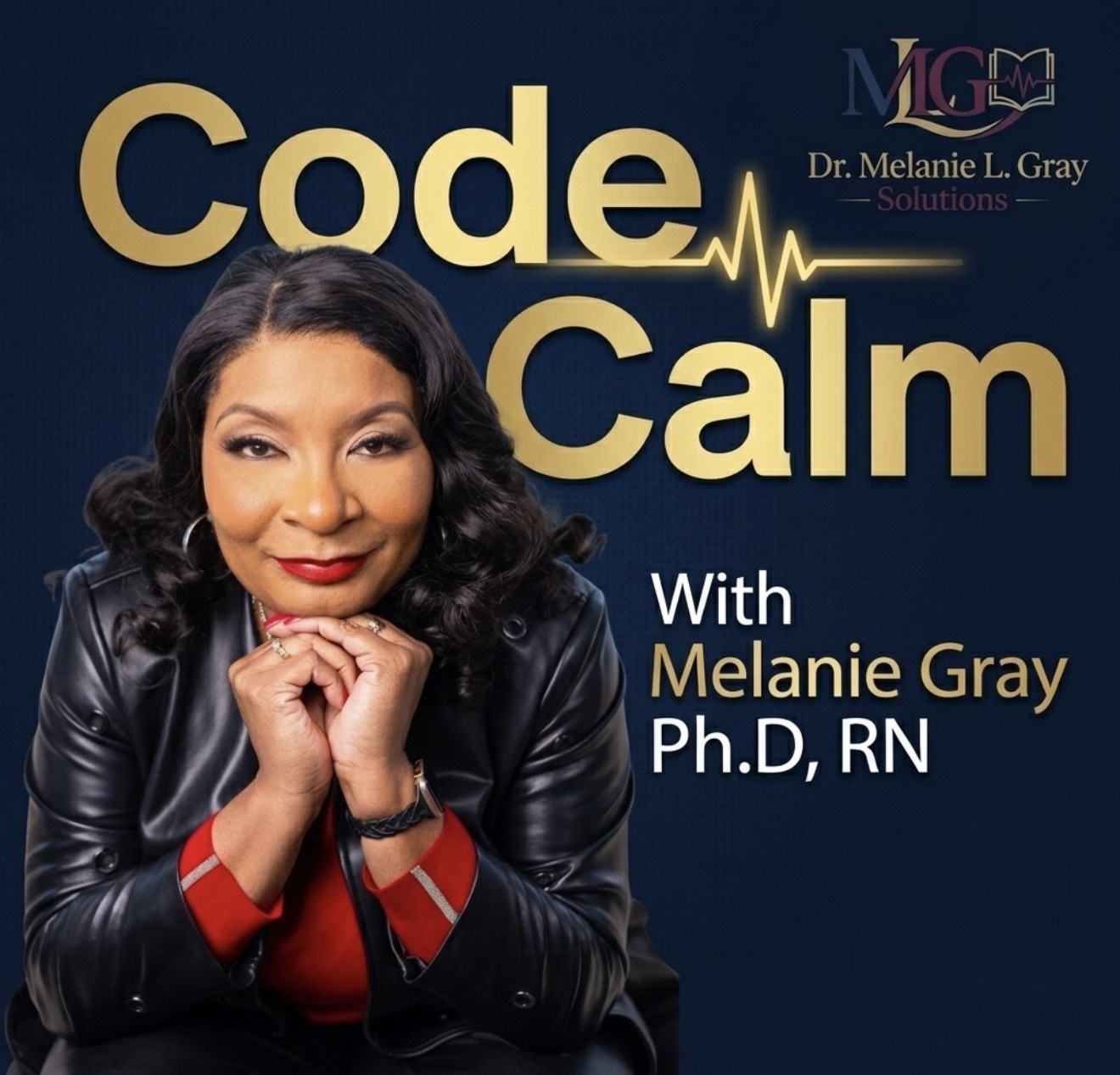
Code Calm With Melanie Gray Ph.D, RN
by Melanie Gray Ph.D, RN
Code Calm is a leadership podcast for people carrying the weight—executives, directors, managers, and culture-shapers responsible for both performance **and preventing burnout** in the humans who make results possible. Each episode features candid conversations with leaders navigating real-world stressors—rapid change, staffing strain, competing priorities, moral distress—and the invisible toll of always being “on,” where chronic pressure can quietly turn into **burnout, disengagement, and turnover**.On Code Calm, guests share how they manage stress **before it becomes burnout**, how they recognize early warning signs in themselves and their teams (irritability, withdrawal, errors, cynicism, depletion), and the practical, culture-level strategies they use to reduce risk and strengthen resilience. The focus isn’t “quick self-care tips.” It’s credible, evidence-informed leadership practices that address the **systems that fuel burnout**—workload, role clarity, psychological safety, boun
-
19
Breaking Free From Scrollamitis- Scrolling a Inflammation Causing Stress
In this episode of Code Calm, Dr. Melanie Gray interviews Dr. Darren Clare about the epidemic of chronic stress, its causes, and practical strategies to reduce stress and reclaim vitality. They explore the impact of social media, boundaries, and lifestyle changes on better mental and physical health. keywordsstress, chronic stress, mental health, lifestyle medicine, social media, boundaries, well-being, health tips key topics The impact of chronic stress on health Causes of modern stress including social media and societal pressures Practical strategies to reduce stress and set boundaries The role of lifestyle medicine in improving well-being guest nameDr. Darren Clare titles The Hidden Epidemic: How Chronic Stress Affects Your Health Reclaim Your Vitality: Practical Strategies to Reduce Stress Sound Bites "Stress is an unrecognized epidemic." "Women are natural guides and wise leaders." "You are enough, more than enough." Chapters 00:00Introduction to Stress and Its Impact 02:45The Role of Social Media in Chronic Stress 05:15Addressing Scrollamitis: Remedies and Strategies 07:53Setting Boundaries in a Digital World 10:23Understanding Gender Differences in Stress 13:08Lifestyle Adjustments for Stress Management 15:34Final Thoughts and Resources for Calm Living Resources Creating a Life of Vibrance (Book) Vibrance Health Website American College of Lifestyle Medicine Guest links https://www.vibrancehealth.com/index.html https://www.instagram.com/vibrancehealth/Instagram. Facebook
-
18
How To Leverage AI To Supercharge Your Leadership
keywordsleadership, calm, organizational wisdom, stress management, wisdom circles, organizational culture, burnout prevention, leadership coaching key topics The impact of AI on leadership stress Leveraging wisdom from all organizational levels Creating a culture of belonging and reflection The role of energy management in leadership The importance of self-awareness and boundaries guest nameBrian Gorman titles The 5 Keys to Cultivating Calm in Leadership How Wisdom Circles Transform Organizational Culture Sound Bites "Pay attention to your own energy" "Don't identify solely with your role" "Find what makes your heart sing" Chapters 00:00Navigating Leadership Stress in the Age of AI 02:31The Importance of People in Technology Implementation 04:50Creating a Culture of Wisdom and Belonging 06:58Leadership and Self-Introspection for Change 09:04Energy Management and Work-Life Balance 11:16Finding Your True Self Beyond Job Titles Resources Leading into the Age of Wisdom (Book) Transforming Lives Coaching Brian Gorman on LinkedIn Guest links https://www.linkedin.com/in/briangorman07030/Website https://transforminglives.coach/
-
17
Emotional Regulation Tips For The Stressors In Your Life
Chronic vs. acute stress and their impact The 3N model for emotional regulation Practical tools for self-regulation in meetings The role of social media in stress Setting boundaries and saying no takeaways Chronic stress keeps us in survival mode, impairing clear thinking. The 3N model helps recognize and interrupt stress responses. Simple practices like noticing sensations and activating the vagus nerve can calm the nervous system. Building habits of self-awareness over 90 days can rewire stress responses. Social media can be a source of chronic stress and confidence loss.
-
16
Unlocking Better Decisions - Your Code for Calm
Keywords decision intelligence, cognitive diversity, technology in decision making, organizational leadership, decision profiles, stress management, hiring practices, team dynamics, innovation, leadership development Summary In this episode of Cold Calm, Dr. Melanie Gray interviews Kylie Ingram, an expert in decision intelligence. They discuss the evolution of decision-making in organizations, the importance of cognitive diversity, and how technology can enhance decision-making processes. Kylie shares insights on decision profiles, the impact of biases, and the role of leaders in fostering inclusive environments. The conversation emphasizes the need for organizations to understand their decision-making processes and the value of diverse perspectives in achieving better outcomes. Takeaways Kylie Ingram has over 20 years of experience in creative and technology-driven organizations. Decision intelligence focuses on using technology to improve decision-making processes. Cognitive diversity is essential for effective decision-making and innovation. Organizations often suffer from decision fatigue due to a lack of diverse input. Kylie's software helps identify the right people for decision-making roles. Understanding one's own decision-making style is crucial for leaders. Biases in decision-making can lead to poor outcomes and groupthink. Diversity in teams can significantly reduce risk and increase innovation. Leaders should reflect on their own biases and decision-making processes. Kylie offers a free decision profile tool to help individuals understand their decision-making styles. Chapters 00:00 Introduction to Decision Intelligence 02:57 The Evolution of Decision-Making in Organizations 05:53 Cognitive Diversity and Its Importance 08:52 Understanding Decision Profiles 12:04 The Role of Technology in Decision-Making 15:08 Final Thoughts and Resources
-
15
Transforming Health: A Code for Calm-
Keywords health, transformation, stress, burnout, coping mechanisms, weight loss, intention, excellence, healthy habits, life coaching Summary In this episode of Cold Calm, Dr. Melanie Gray interviews Stanley Bronstein, who shares his transformative journey from obesity to health. He discusses the impact of stress on eating habits, the importance of creating healthy routines, and the power of intention in achieving excellence. Stanley emphasizes that change is possible and provides actionable strategies for listeners to improve their health and well-being. Takeaways Stanley Bronstein lost over 220 pounds without drugs or surgery. His journey began after a traumatic childhood experience. Stress eating was a major factor in his weight gain. He emphasizes the importance of starting change immediately. Quitting alcohol and unhealthy drinks was crucial for his health. Walking became his primary form of exercise for stress relief. Taking time for oneself is essential for busy professionals. Intention is key to creating a fulfilling life. Perfection is not the goal; excellence is what matters. Resources for healthy living are available on his website. sound bites "There's a way out." "I feel so good right now." "Cut yourself some slack." Chapters 00:00 Introduction to Health and Transformation 02:55 The Journey of Overcoming Obesity 06:05 Coping Mechanisms and Stress Eating 09:00 Creating Lasting Change and Healthy Habits 11:59 The Power of Intention and Excellence 14:56 Conclusion and Resources for Listeners
-
14
Lead Better by Managing Financial Stress
summary In this episode, Connie White shares insights on how personal financial stress impacts leadership and decision-making at work. Discover practical strategies to reduce financial stress, improve integrity, and lead more effectively. keywords financial stress, leadership, decision-making, stress reduction, financial planning, integrity, work relationships key topics Impact of financial stress on leadership and decision-making How personal finances affect work relationships and integrity Practical steps to reduce financial stress and improve leadership The importance of honesty and planning in financial health Titles How Financial Stress Sabotages Leadership and How to Fix It 5 Steps to Reduce Financial Stress and Lead Better sound bites "Honesty about your finances is the first step" "Small expenses add up to big savings" "Stress affects your health and your job" Chapters 00:00 Understanding Financial Stress in Leadership 06:00 Facing Financial Realities and Seeking Help 12:06 Strategies for Reducing Financial Stress 17:58 Final Thoughts on Reducing Stress and Achieving Goals resources Connie White - Financial Coach - mailto:[email protected]
-
13
From Me to We: Leading with Trust, Culture, and Vulnerability
Summary In this insightful interview, leadership expert Josh Block shares practical tools for managing stress, fostering a positive organizational culture, and leading with vulnerability. Discover how to shift from a 'me' to 'we' mindset, build trust, and create a thriving workplace culture. Key Topics The importance of culture as the lifeblood of an organization Shifting from a 'me' to 'we' leadership cycle Managing stress through self-awareness and breathing techniques The role of vulnerability in leadership and building trust Strategies for creating a healthy work culture with boundaries Takeaways Culture is the lifeblood of an organization and cannot be created in a vacuum. Shifting from a 'me' to 'we' cycle transforms leadership and team dynamics. Breathing deeply and self-awareness are key tools for managing stress. Leading with vulnerability fosters grace and authentic connections. Open communication and transparency are essential for setting boundaries and reducing stress. Josh Block Josh Block, Author of People Matter @ Work, brings a rare combination of real-world leadership experience and deeply human insight. He didn’t learn leadership from a classroom alone—he learned it by working every level of the job ladder, building companies from the ground up, and stepping unexpectedly into the role of president at age 29. Since then, he has helped grow Block Imaging from a 50-person family business into a 400+ person global organization while preserving a culture rooted in trust, purpose, and people-first leadership. LINKS: Amazon Book Link: https://a.co/d/cWfbXB8 Website: www.peoplematteratwork.com LinkedIn: https://www.linkedin.com/in/joshblock1/ Facebook: https://www.facebook.com/josh.block.5 Instagram: https://www.instagram.com/peoplematteratwork/
-
12
High Touch A Tool To Reduce Stress
In this episode of Code Calm, Dr. Melanie Gray interviews Makayla Anderson, founder of Loyalty Ops, about the critical role of people in organizational success, especially in the face of rapidly advancing technology. They discuss the importance of aligning technology with human capabilities, the symptoms of organizational stress, and the need for effective communication and feedback in leadership. Makayla emphasizes the significance of understanding individual strengths and fostering a culture that prioritizes people over processes. The conversation also touches on the challenges of remote work and generational differences in the workplace, concluding with practical advice for leaders seeking to improve their organizational culture.
-
11
Maintaining Safety
In this episode of Cold Calm, Dr. Melanie Gray interviews Dr. Julie Seamers, a nurse educator and founder of Life Beat Solutions, about the critical issues surrounding patient safety in healthcare. They discuss alarming statistics on patient harm, the importance of communication, the challenges in nursing education, and the need for transparency in healthcare systems. Dr. Seamers shares insights on creating a culture of psychological safety and the necessity of involving patients and families in safety discussions. The conversation emphasizes the urgent need for systemic changes to improve patient outcomes and reduce harm.
-
10
Pause and Break Free From Burnout -With Dr. Tamara White
Takeaways Dr. Tamara White has over 30 years of experience in helping women overcome stress. Identifying the root causes of stress is crucial for effective management. Breathing techniques can be a simple yet powerful tool for stress relief. Setting boundaries is essential for maintaining mental health. Coaching can provide personalized support in navigating life changes. Self-reflection is key to understanding one's true desires and needs. Dr. White emphasizes the importance of a supportive coaching relationship. Women often face unique challenges in leadership and personal development. A life change may be necessary to reduce burnout and stress. Dr. White offers complimentary consultations to explore coaching options. Titles Navigating Stress: Insights from Dr. Tamara White Empowering Women Through Stress Management Sound bites "It's about that pausing and breathing." "I dig it out of you." "It's not always nice to go back home." Chapters 00:00 Introduction to Burnout and Stress Management 01:47 Understanding the Framework for Overcoming Burnout 03:11 The Importance of Breathing and Pausing 04:59 Building Rapport and Authenticity in Coaching 06:18 Managing Stress in Leadership 07:37 Finding Purpose and Making Life Changes Keywords stress management, burnout, coaching, self-care, leadership, women empowerment, mental health, personal development, boundaries, breathing techniques
-
9
Speak and Get Paid -The Words You Speak Are Gold
In this episode of Code Calm, Dr. Melanie Gray interviews Jen Espinoza Goswami, a public speaking coach, about the fears surrounding public speaking, the importance of understanding audience motivations, and how to craft a compelling signature story. Jen shares her journey from being a fraud examiner to a professional speaker and emphasizes the significance of connecting with the audience. The conversation highlights the value of one's voice and the potential for impactful storytelling. takeaways Public speaking fear often stems from the fear of not being heard. It's essential to believe that your message is worth sharing. Understanding audience motivations is key to effective speaking. Crafting a signature story can enhance your speaking engagements. Connection with the audience is more important than just delivering a speech. You can build a business around your personal story. Not all followers are genuine supporters; focus on meaningful connections. Your speaking lifestyle should align with your personal goals. Feedback from the audience can help refine your message. There is a stage for everyone; find yours. titlesFinding Your Voice: Overcoming Public Speaking Fear Sound Bites "Public speaking is the one thing that many people fear." "It's not about me, it's about the audience." Chapters 00:00Introduction to Public Speaking and Fear 02:52Understanding the Value of Your Voice 06:04Transitioning from Fraud Examination to Speaking 08:53Crafting Your Signature Story 11:43Final Thoughts and Call to Action
-
8
When Girlfriends Aren't Enough: Why Leaders Need Therapy
Dr. Melanie Gray and therapist Simone Kilgore explore why professional counseling can do more than venting with friends—offering concrete plans to reduce burnout, set boundaries, and protect health. They discuss the Superwoman complex, the hidden costs of chronic stress, and the simple practice of giving yourself the "gift of the pause" to decide what to keep or let go.
-
7
Respond Don’t React: Leadership Lessons That Produce Calm and Reduce Stress
Summary In this episode of Code Calm, Dr. Melanie Gray interviews Mike McGlothlin, a seasoned leader in the financial services industry. They discuss the challenges of managing stress as an entrepreneur, practical techniques for stress reduction, and the importance of building a positive team culture. Mike shares insights on creating a trusted community within his organization, addressing industry stressors, and the significance of responding rather than reacting to stressful situations. The conversation emphasizes the need for self-care, time management, and the value of investing in oneself to lead effectively. Takeaways You have to test and understand where stress is coming from. Simple breathing techniques can significantly reduce stress. Focus on positive reinforcement to keep teams engaged. Building a community helps in managing stress. Time blocking is essential for maintaining work-life balance. Investing in yourself is crucial for personal and professional growth. Responding to stress is better than reacting to it. Involving family in work events can provide support. Consistency in actions leads to success. Prepare to win the day by planning and time blocking. Mike McGlothlin – Speaker Introduction Mike is known for being a team leader, an industry activist, and a Hoosier basketball devotee. His decades of experience in the financial services industry, dedication to lifelong learning and self-improvement, and a stint as a student manager under renowned Coach Bob Knight have shaped him into the leader he is today. His team has grown from $500 million in sales to over $4 billion in annual sales in the last 12 years. He has won the Trailblazer Award from Allego for his innovative vision on communication. In January of 2025, Mike was the recipient of the distinguished Ken Black, Jr award from FSP/NAIFA for his commitment to ethics, education, and relationships. Website: www.mcgspeaks.com Email: [email protected] Chapters 00:00 Introduction to Leadership and Stress Management 02:21 Navigating Stress as an Entrepreneur 04:50 Building a Supportive Team Culture 08:33 Managing Change and Stress in Business 11:53 Responding vs. Reacting to Stress 13:17 Addressing Vicarious Trauma in Sales 14:43 Setting Boundaries and Time Management 16:52 Final Thoughts on Stress Reduction and Success Chapters 00:00 Introduction to Leadership and Stress Management 02:21 Navigating Stress as an Entrepreneur 04:50 Building a Supportive Team Culture 08:33 Managing Change and Stress in Business 11:53 Responding vs. Reacting to Stress 13:17 Addressing Vicarious Trauma in Sales 14:43 Setting Boundaries and Time Management 16:52 Final Thoughts on Stress Reduction and Success Keywords stress management, entrepreneurship, leadership, team culture, wellness, time management, communication, Keywords stress management, entrepreneurship, leadership, team culture, wellness, time management, communication, community building, financial services, personal development
-
6
Know Your Worth: A Woman's Guide to Confident Salary Negotiation
Attorney Isioma Wabuzer joins Melanie Gray on Code Calm to guide women leaders through negotiation with clarity and calm. She shares practical tips: identify what matters to you, research your market value and legal protections, negotiate the whole compensation package, document wins, build a career plan with mentors, and know when to walk away. This episode is a concise roadmap for women aiming to negotiate compensation confidently and strategically, drawing on legal insight and real-world experience.
-
5
Understanding Your Blindspots to Prevent Burnout
In today's fast-paced corporate world, effective leadership goes beyond just managing teams and hitting targets; it requires a deep understanding of oneself. In a recent podcast episode of Cold Calm, Dr. Melanie Gray engages in a thought-provoking discussion with Dr. Vance Cooper, a leadership development consultant and mental health advocate, about the importance of self-assessment in leadership. This blog post distills their insights into actionable strategies for leaders looking to enhance their influence and authenticity. Understanding Self-Assessment in Leadership Dr. Vance Cooper emphasizes that self-assessment is crucial for effective leadership. He points out that many leaders fail to look inward, which hinders their growth and effectiveness. "Before you can lead other people, you have to look inward and go through a self-assessment and a self-discovery process to recognize your strengths and limitations," he states. This reflective process not only helps leaders understand their own behavior but also improves their communication with others, especially those who think differently. Overcoming Barriers to Self-Assessment Despite its importance, many individuals shy away from self-assessment because it requires hard work. Dr. Cooper likens the experience to therapy, in which individuals confront uncomfortable truths. He suggests that leaders often avoid this introspection because it necessitates accountability and the risk of uncovering blind spots—habits or tendencies they may not even be aware of. To facilitate this journey, Dr. Cooper recommends pairing up with a mentor or coach. He explains, "You want to have somebody that is holding your hand, walking side by side with you, that's able to hold you accountable." This support can help leaders navigate the challenging waters of self-discovery and ensure they remain authentic in their leadership approach. Recognizing Blind Spots A blind spot is defined as an unconscious behavior or habit that can negatively impact leadership effectiveness. Dr. Cooper notes that most of our behavior is subconscious, making it essential to have external perspectives to identify these areas. He encourages leaders to reach out to their networks for support and guidance, emphasizing that relationships are vital in leadership. The Role of Relationships in Leadership "Relationships are your currency," Dr. Cooper asserts. Building a network of supportive individuals is crucial for personal and professional growth. Leaders should seek out those who inspire them and can provide insight into their blind spots. Engaging with others at networking events or through online forums can lead to valuable connections that foster growth. Managing Triggers and Seeking Help For leaders dealing with past trauma or triggers, Dr. Cooper stresses the importance of addressing these issues to maintain authenticity in their roles. He suggests that recognizing when to seek professional help is vital. If self-reflection leads to overwhelming anxiety or triggers, it may be time to consult a therapist or counselor. Dr. Cooper highlights that having coping techniques in place is essential for managing these triggers effectively. Utilizing Employee Assistance Programs (EAPs) Dr. Cooper advocates for the use of Employee Assistance Programs, which often provide access to mental health resources at no cost. He points out that many employees underutilize these services, missing out on crucial support. "If you have an employee assistance program, I highly encourage you to utilize it," he says, underscoring the potential benefits of these programs for personal growth and well-being. Developing a Self-Care Routine Finally, Dr. Cooper emphasizes the significance of self-care in leadership. He shares that maintaining a consistent daily routine focused on long-term goals is essential for managing stress. By clearly defining objectives and adopting a structured approach, leaders can remain accountable and reduce the likelihood of feeling overwhelmed. Conclusion: In conclusion, effective leadership hinges on self-awareness, accountability, and the willingness to engage in self-assessment. By recognizing the importance of relationships, managing triggers, and using available resources such as EAPs, leaders can cultivate a more authentic and effective leadership style. Remember, you cannot pour from an empty cup—taking care of yourself is the first step to leading others successfully. Key Takeaways: 1. Self-assessment is crucial for effective leadership. 2. Overcoming barriers to self-reflection requires accountability and support from mentors or coaches. 3. Blind spots can hinder leadership effectiveness and should be addressed through external feedback. 4. Relationships are essential in leadership and personal growth. 5. Recognizing when to seek professional help is vital for managing triggers and maintaining authenticity. 6. Utilize Employee Assistance Programs for additional support. 7. Develop a structured self-care routine to manage stress and enhance leadership effectiveness.
-
4
Being A Fearless Leader In The Age Of AI
Keywords AI, women in leadership, technology, workforce transformation, generative AI, career development, organizational change, education, future of work, confidence Summary In this episode of Code Calm, Dr. Melanie Gray and Christy Broom discuss the intersection of AI and women's leadership. Christy shares her journey into the world of AI, emphasizing the importance of women engaging with technology to ensure their voices are heard in the future. They explore practical ways for women to embrace AI, the evolving nature of work, and how organizations can adapt to these changes. The conversation also touches on preparing the next generation for AI, emerging career opportunities, and practical tips for using AI effectively. Takeaways Women need to engage with AI to ensure their voices are heard. AI has been around for decades, but generative AI is new. Fear of AI often stems from privacy concerns and rapid technological changes. Start small with AI; it can be a great writing companion. AI will change the workforce, but human skills will remain essential. Educating children about AI is crucial for their future. Organizations are looking to retain employees and reskill them for new roles. Emerging careers in AI governance will be important. Don't get overwhelmed; focus on one main AI tool. AI can enhance decision-making but cannot replace human empathy. Sound bites "AI will change the way we work." "Rising Tide lifts all boats." "You can live whole and lead well." Learn More From Kristi https://content.buildxcl.com/?m=e5d4e61f-16ec-11f0-81a4-b6a0d3e132ab&n=bd6e8818-f17e-11f0-b847-7ec8010dfd8b
-
3
Theta Healing- Healing For Burnout When Work Expects Too Much
A simple truth about being re-regulated: reducing stress starts with the nervous system. In this episode, Dr. Melanie Gray talks with Henry Hawk, a holistic practitioner and Theta Healing guide, about how nervous system health shapes leadership, culture, and everyday behavior. Henry explains how chronic workplace demands, device overload, and unprocessed trauma drive dysregulation, and he outlines somatic approaches and Theta Healing work that help leaders move from reactive to regulated, resilient, and authentic responses. Listen for practical, science-aligned tips you can use immediately — breath work, grounding, a simple count-to-ten reset, limiting doomscrolling, and the 30-minute no-phone morning to set a calmer tone for your day. To learn more or book a session, visit www.Henry-Hawk.com
-
2
Are You Secretly Fueling a Toxic Culture? A Leadership Moment In The Mirror
In this episode of Code Calm, we will unpack “toxic culture” as a pattern, not a bad day: teams walking on eggshells, fear of speaking up, public shaming, cutting side comments, and constant urgency without clear priorities. You challenge the unspoken rule of “don’t bring problems, bring solutions” when it becomes an emotional threat that leads people to shut down, disengage, or leave. From there, the episode shifts into practical, trauma-informed leadership action. You guide a quick nervous system reset (jaw unclenched, shoulders down, slow inhale and longer exhale), reinforce that a regulated leader can deliver hard messages without harm, and offer a clarity script leaders can use immediately: “Here’s what we’re up to, what we’re up against, and what matters most right now.” You emphasize that culture change starts with systems, not slogans—clarifying decision rights, defining “good,” managing capacity (“What comes off the plate?”), and leading with consistency and protection so people feel safe to tell the truth. The closing message lands with power: systemic pressure may be unavoidable; toxicity is optional—because calm isn’t passive, it’s leadership.
-
1
Code Calm: 4 Steps to Lead Calmly Under Pressure
Dr. Melanie Gray welcomes leaders carrying heavy emotional and performance responsibilities and explains why calm is a leadership competency—not softness. This episode addresses rising workplace stress, uncertainty, and overload, drawing on recent workforce findings to show how these factors harm teams and decision quality. She introduces the trauma-informed Code Calm framework—Center, Observe, Decide, Engage—and offers short, practical strategies (10-second pause, body check, prioritizing the next 30 minutes, clear communication, and boundaries) leaders can use immediately to reduce preventable harm and model a healthy culture. Listeners are invited to try the framework now and name one moment in the next 24 hours to practice Code Calm, with the aim of protecting psychological safety, improving clarity, and sustaining performance. www.DrMelanieGrayTheConfidenceCoach.com
We're indexing this podcast's transcripts for the first time — this can take a minute or two. We'll show results as soon as they're ready.
No matches for "" in this podcast's transcripts.
No topics indexed yet for this podcast.
Loading reviews...
ABOUT THIS SHOW
Code Calm is a leadership podcast for people carrying the weight—executives, directors, managers, and culture-shapers responsible for both performance **and preventing burnout** in the humans who make results possible. Each episode features candid conversations with leaders navigating real-world stressors—rapid change, staffing strain, competing priorities, moral distress—and the invisible toll of always being “on,” where chronic pressure can quietly turn into **burnout, disengagement, and turnover**.On Code Calm, guests share how they manage stress **before it becomes burnout**, how they recognize early warning signs in themselves and their teams (irritability, withdrawal, errors, cynicism, depletion), and the practical, culture-level strategies they use to reduce risk and strengthen resilience. The focus isn’t “quick self-care tips.” It’s credible, evidence-informed leadership practices that address the **systems that fuel burnout**—workload, role clarity, psychological safety, boun
HOSTED BY
Melanie Gray Ph.D, RN
Loading similar podcasts...
Frequently Asked Questions
How many episodes does Code Calm With Melanie Gray Ph.D, RN have?
Code Calm With Melanie Gray Ph.D, RN currently has 19 episodes available on PodParley. New episodes are automatically indexed when they're published to the podcast feed.
What is Code Calm With Melanie Gray Ph.D, RN about?
Code Calm is a leadership podcast for people carrying the weight—executives, directors, managers, and culture-shapers responsible for both performance **and preventing burnout** in the humans who make results possible. Each episode features candid conversations with leaders navigating real-world...
How often does Code Calm With Melanie Gray Ph.D, RN release new episodes?
Code Calm With Melanie Gray Ph.D, RN has 19 episodes. Check the episode list to see recent publication dates and frequency.
Where can I listen to Code Calm With Melanie Gray Ph.D, RN?
You can listen to Code Calm With Melanie Gray Ph.D, RN on PodParley by clicking any episode. We provide an embedded audio player for direct listening, and you can also subscribe via your preferred podcast app using the RSS feed.
Who hosts Code Calm With Melanie Gray Ph.D, RN?
Code Calm With Melanie Gray Ph.D, RN is created and hosted by Melanie Gray Ph.D, RN.
URL copied to clipboard!