
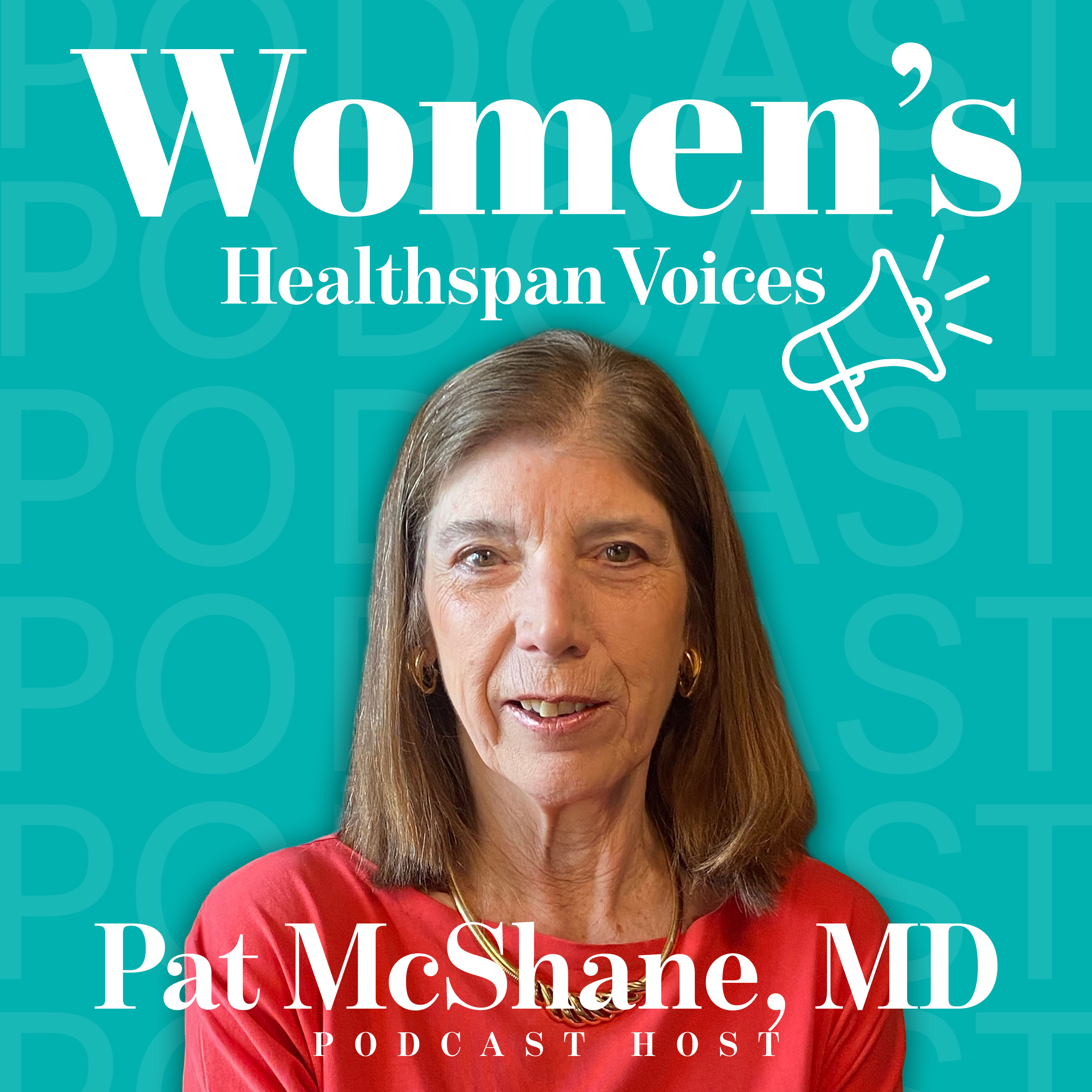
PODCAST · health
Women's Healthspan Voices with Dr. Pat McShane
by Pat McShane, MD
Welcome to The Women’s Healthspan Voices Podcast with Dr. Pat McShane, your trusted guide for the years after menopause. Too often, women over 50 are told their symptoms are a consequence of just aging. They’re not. With decades of expertise, Dr. McShane shares practical steps to protect your heart, strengthen bones, sharpen your memory, and reclaim energy. Clear answers, real conversations, and tools to help you thrive, because aging isn’t decline, it’s living smarter, longer, better.
-
33
How Women Can Reduce Fall Risk and Stay Independent Longer
In this episode of Women’s Healthspan Voices, I discuss why falls are one of the leading causes of injury and loss of independence in older women. I walk through the biggest contributors to fall risk, including medications, poor balance, muscle loss, low bone density, hearing and vision changes, sleep problems, and home hazards. I also share practical, evidence-based ways to reduce fall risk and protect long-term mobility, strength, and quality of life.- - - - - Dr. McShane is board-certified in obstetrics and gynecology as well as reproductive endocrinology and infertility. She earned her medical degree from Tufts University School of Medicine. She then pursued her residency in obstetrics and gynecology at Boston Hospital for Women, followed by completing her fellowship in reproductive endocrinology and infertility at Brigham and Women’s Hospital.In addition to Dr. McShane’s extensive experience with treating infertility, she has dedicated decades of her career to educating the next generation of reproductive endocrinologists. Dr. McShane has served as an instructor in OB/GYN at Boston Hospital for Women, Brigham and Women’s Hospital, Harvard Medical School, UMass Medical Center, and University of Colorado Health Sciences Center.After her initial practice with reproductive-aged women, mostly seeking fertility, Dr. McShane became focused on the health of postmenopausal women following her own life journey and founded a video series.She is a member of several professional organizations, including the American Society for Reproductive Medicine (ASRM) and the American Congress of Obstetricians and Gynecologists (ACOG). To further pursue her deep interest in women’s health in developing countries, Dr. McShane completed her Certificate in Global Public Health in May 2014 at Colorado School of Public Health. Dr. McShane has authored reports and abstracts on topics such as in vitro fertilization, preimplantation genetic testing, and fertility preservation.- - - - - Dr. Pat McShane, MDLinkedIn: https://www.linkedin.com/in/pat-mcshane-0535ba3/ Website: https://www.womenshealthspan.netYouTube: https://www.youtube.com/@mcshanepmcshane9303Produced by DrTalks: https://drtalks.com/podcast/
-
32
Inflammation: The Hidden Driver of Pain, Fatigue, and Irritability After Menopause
In this episode, I speak with Dr. Paula Kruppstad about how inflammation, toxins, and lifestyle factors shape women’s health after menopause. We explore common symptoms like pain, fatigue, and sleep issues, and why hormones alone are not the full answer. She shares a functional medicine approach that focuses on diet, detoxification, and personalized care to help women feel better and address root causes.- - - - - Dr. Paula Kruppstadt, MD, IFMCP, is a board-certified pediatrician and Certified Practitioner of Functional Medicine through The Institute for Functional Medicine. As the founder of Hope for Healing, she has dedicated her career to helping children and adults uncover the root causes of complex health challenges. One of the few pediatricians worldwide to hold IFMCP certification, Dr. Kruppstadt is also an expert in PANS/PANDAS and was appointed by Texas Governor Greg Abbott to the state’s Pediatric Acute-onset Neuropsychiatric Syndrome Advisory Council, where she advises on research, diagnosis, treatment, and education for these conditions.- - - - - 🎧 Get2TheRoot: Hope for Healing PodcastGet2TheRoot: Hope for Healing explores root-cause approaches to health and healing, sharing expert insights, real stories, and practical tools to help listeners uncover the “why” behind their symptoms and move toward lasting wellness.Listen on SpotifyListen on Apple PodcastsInstagram: https://www.instagram.com/get2theroot.coLinkedIn: https://www.linkedin.com/company/get2theroot-coFacebook: https://www.facebook.com/get2theroot.coYouTube: https://www.youtube.com/@get2theroot- - - - - Dr. Pat McShane, MDLinkedIn: https://www.linkedin.com/in/pat-mcshane-0535ba3/ Website: https://www.womenshealthspan.netYouTube: https://www.youtube.com/@mcshanepmcshane9303Produced by DrTalks: https://drtalks.com/podcast/
-
31
Why Heart Disease Is the #1 Killer of Women (And Why Most Don’t See It Coming)
In this episode, I sit down with Dr. Joel Kahn to explore why heart disease remains the leading cause of death in women and why it’s often missed until it’s too late. We discuss early screening, the impact of menopause and hormones, and how lifestyle choices like diet, sleep, and inflammation management can dramatically reduce risk. This conversation offers practical, science-backed steps to protect long-term heart health.- - - - - Joel Kahn, MD, FACC of Detroit, Michigan, is a practicing cardiologist and a Clinical Professor of Medicine at Wayne State University School of Medicine. He graduated Summa Cum Laude from the University of Michigan Medical School. Known as “America’s Healthy Heart Doc”. Dr. Kahn has triple board certification in Internal Medicine, Cardiovascular Medicine, and Interventional Cardiology. He was the first physician in the world to be certified in Metabolic Cardiology with A4M/MMI and the University of South Florida. He founded the Kahn Center for Cardiac Longevity in Bingham Farms, MI, in 2015.Dr. Kahn has authored scores of publications in his field, including articles, book chapters, and monographs. He writes health articles and has 6 books in publication, including Your Whole Heart Solution, Dead Execs Don’t Get Bonuses, The Plant-Based Solution, and Lipoprotein(a): The Heart’s Silent Killer. He has had appearances on Dr. Phil, The Doctors Show, Dr. Oz, Larry King Now, and the Joe Rogan Experience. He has been awarded a Health Hero award from Detroit Crain’s Business. His podcast, Heart Doc VIP, is listened to worldwide.- - - - - Dr. Pat McShane, MDLinkedIn: https://www.linkedin.com/in/pat-mcshane-0535ba3/ Website: https://www.womenshealthspan.netYouTube: https://www.youtube.com/@mcshanepmcshane9303Produced by DrTalks: https://drtalks.com/podcast/
-
30
A Chinese Medicine Perspective on Menopause, Mobility, and Longevity
In this episode, I speak with Dr. John Nieters about menopause through the lens of Chinese medicine, where it is seen as a “second spring” rather than a decline. We explore frailty, blood stasis, osteoporosis, overmedication, and why movement, protein, fiber, and social connection matter so much for women’s healthspan. It is a rich conversation about aging with more strength, clarity, and freedom.- - - - - John is nationally and internationally known for treating chronic and degenerative health conditions known as “knotty” diseases in Chinese Medicine. He has also written the definitive book, “The Sweet Spot: Increase Longevity Through Innovative Understanding of Blood Chemistry Labs,” on advanced functional medicine laboratory analysis.John has completed extensive post-graduate training. He is a Diplomate of the National Board of Acupuncture Orthopedics. Additionally, he completed certifications in Gynecology and Internal Medicine at Zhejiang Chinese Medical University in China. Dr. Nieters was in the first group of American acupuncturists to be certified in Integrated Diabetes Prevention and Treatment at the Xin Hua Hospital, China.Dr. Nieters has taught international courses in Integrative Cardiology. As a teacher of herbal medicine, he has developed mastery in creating custom herbal formulas.Inspired by the level of integration offered to patients in Chinese hospitals, John strives to provide integrative health care to his patients within the scope of his practice.- - - - - 🎧 The Balancing Point PodcastThe Balancing Point explores practical strategies for optimizing health, performance, and longevity by integrating modern medicine with lifestyle and root-cause approaches. Through thoughtful conversations and expert insights, the podcast helps listeners find clarity and balance in their personal health journey.Listen on SpotifyListen on Apple PodcastsWebsite: https://alamedaacupuncture.com/ YouTube: https://www.youtube.com/channel/UCZ58GpkcQHnSe4XaYmBTRJw Instagram: https://www.instagram.com/alameda.acupuncture/ Facebook: https://web.facebook.com/AlamedaAcupuncture- - - - - Dr. Pat McShane, MDLinkedIn: https://www.linkedin.com/in/pat-mcshane-0535ba3/ Website: https://www.womenshealthspan.netYouTube: https://www.youtube.com/@mcshanepmcshane9303Produced by DrTalks: https://drtalks.com/podcast/
-
29
Why Sleep Falls Apart During Menopause and What You Can Do About It
In this episode, I sit down with Dr. Audrey Wells to explore why sleep becomes such a struggle during menopause. We unpack the real physiological changes behind disrupted sleep, why insomnia is often misdiagnosed, and how conditions like sleep apnea are frequently missed in women. We also talk about practical ways to improve sleep, from hormone therapy to behavioral strategies and better sleep evaluation.- - - - - Dr. Wells is a sleep medicine physician. She is on a mission to promote healthy sleep as a foundation for a healthy life. In particular, she helps people with sleep apnea get fully treated without sacrificing their comfort. Through Super Sleep MD, she offers a comprehensive library of self-directed courses, a group coaching program, and a private Facebook community. There are free educational resources and more on her website SuperSleepMD.com.Website: https://www.supersleepmd.com/Facebook: https://web.facebook.com/supersleepmd/- - - - - Dr. Pat McShane, MDLinkedIn: https://www.linkedin.com/in/pat-mcshane-0535ba3/ Website: https://www.womenshealthspan.netYouTube: https://www.youtube.com/@mcshanepmcshane9303Produced by DrTalks: https://drtalks.com/podcast/
-
28
Why Bone Health Declines Faster After Menopause and What You Can Do About It
In this episode, I explore bone health with Kathy Basel and what women can do to protect their strength as they age. We discuss how bone loss accelerates after menopause, why early testing matters, and how targeted mechanical stress can help rebuild bone density. We also cover nutrition, balance, and lifestyle strategies that support long-term mobility and reduce fracture risk.- - - - - Kathy Basel is a holistic wellness coach and trainer at OsteoStrong, specializing in natural approaches to improving bone health. With a background in endurance sports and wellness coaching, she focuses on helping individuals strengthen their bodies through targeted mechanical stimulation, nutrition, and lifestyle strategies. Kathy is passionate about empowering women to maintain strength, balance, and vitality throughout aging.Website: https://www.osteostrong.me/ Facebook: https://www.facebook.com/osteostrong Instagram: https://www.instagram.com/iamosteostrong/ YouTube: https://www.youtube.com/user/osteostrong- - - - - Dr. Pat McShane, MDLinkedIn: https://www.linkedin.com/in/pat-mcshane-0535ba3/ Website: https://www.womenshealthspan.netYouTube: https://www.youtube.com/@mcshanepmcshane9303Produced by DrTalks: https://drtalks.com/podcast/
-
27
Is It Really Your Fault? The Science of Weight Loss Resistance in Women
In this episode, I explore why weight gain becomes more common during menopause and why traditional dieting often fails. I talk with Dr. Carolynn Francavilla about the role of hormones, insulin resistance, and metabolic adaptation, and how these changes impact body composition. We also discuss personalized treatment options, including nutrition, exercise, medications, and when surgery may be appropriate for long-term health.- - - - - Carolynn Francavilla, MD, FOMA, D-ABOM, is Board Certified in Family Medicine and a Diplomate of the American Board of Obesity Medicine. She owns and operates Green Mountain Partners for Health and Metabolic and More Colorado. Dr. Francavilla is a nationally recognized obesity expert, lecturing to clinicians on the topic of obesity as well as teaching through her platform HelpYourPatientsLoseWeight.com. She also hosts The Doctor Francavilla Show, a podcast about weight and health. She serves on the Obesity Medicine Association Board of Trustees and was awarded the Dr. Vernon B. Astler Award for dedicated service and support of OMA in 2017. Dr. Francavilla is an Assistant Professor at Rocky Vista University and a Volunteer Faculty at the University of Colorado School of Medicine.Website: https://www.thedrfrancavillashow.com/ Facebook: https://www.facebook.com/people/Carolynn-Francavilla-MD/100086226630098/ Instagram: http://instagram.com/DoctorFrancavilla LinkedIn: https://www.linkedin.com/in/Carolynn-francavilla-brown-md-6659079a/ X: https://x.com/Dr_Francavilla 🎧 The Dr. Francavilla Show Straightforward conversations on health, wellness, and lifestyle—Dr. Francavilla makes integrative medicine practical, helping listeners cut through the noise and take simple steps toward lasting vitality.Listen on SpotifyListen on Apple Podcasts- - - - - Dr. Pat McShane, MDLinkedIn: https://www.linkedin.com/in/pat-mcshane-0535ba3/ Website: https://www.womenshealthspan.netYouTube: https://www.youtube.com/@mcshanepmcshane9303Produced by DrTalks: https://drtalks.com/podcast/
-
26
Rethinking Menopause: Hormones, Detox, and the Missing Links to Feeling Like Yourself Again
In this episode, I sit down with Dr. Julia Ward to explore a functional medicine approach to menopause and midlife health. We discuss how bioidentical hormones, reducing toxic burden, and addressing root causes can transform symptoms like fatigue, brain fog, and poor sleep. Dr. Ward shares how small, practical changes can help women regain energy, clarity, and a sense of vitality during this transition.- - - - - Dr. Julia Ward is a compassionate and pioneering physician with over a decade of expertise in functional medicine, offering a holistic, patient-centered approach to health and wellness. After earning her medical degree from the University of Southern California and serving in the U.S. Navy, where she practiced general, urgent, and emergency medicine both domestically and abroad, she faced personal health challenges that led her to functional medicine. Frustrated by the limitations of conventional care, Dr. Ward embraced a root-cause approach, completing a fellowship with the American Board of Anti-Aging and Regenerative Medicine in 2016. She has since dedicated her career to empowering patients with knowledge, promoting sustainable lifestyle changes, and integrating cutting-edge science into her practice to address physical and environmental factors impacting health. A devoted wife and mother of five, Dr. Ward combines her passion for medicine with a steadfast commitment to improving lives through transformative care.- - - - - 🎧 The Functional Edge PodcastThe Functional Edge explores root-cause, functional medicine approaches to optimizing health, hormones, and overall well-being. Dr. Julia Ward shares expert insights and practical strategies to help listeners better understand their bodies and take a proactive, personalized approach to health.Listen on SpotifyListen on Apple PodcastsWebsite: https://drjuliaward.com/Instagram: https://www.instagram.com/drjuliaward/?hl=enFacebook: https://www.facebook.com/balancedbodyfunctionalmed/YouTube: https://www.youtube.com/channel/UCPz2YJi8Lw43i6XwNQiS6wg- - - - - Dr. Pat McShane, MDLinkedIn: https://www.linkedin.com/in/pat-mcshane-0535ba3/ Website: https://www.womenshealthspan.netYouTube: https://www.youtube.com/@mcshanepmcshane9303Produced by DrTalks: https://drtalks.com/podcast/
-
25
Why Your Body Runs on a 24-Hour Clock—and Why It Matters to Women’s Health
In this episode, I explore the science of circadian rhythm and why it plays such a vital role in healthspan. I discuss how our internal clocks regulate hormones, metabolism, sleep, and energy—and how modern lifestyles can disrupt these rhythms. I also share simple strategies to support better circadian alignment through light exposure, consistent sleep, exercise, and meal timing.- - - - - Dr. McShane is board-certified in obstetrics and gynecology as well as reproductive endocrinology and infertility. She earned her medical degree from Tufts University School of Medicine. She then pursued her residency in obstetrics and gynecology at Boston Hospital for Women, followed by completing her fellowship in reproductive endocrinology and infertility at Brigham and Women’s Hospital.In addition to Dr. McShane’s extensive experience with treating infertility, she has dedicated decades of her career to educating the next generation of reproductive endocrinologists. Dr. McShane has served as an instructor in OB/GYN at Boston Hospital for Women, Brigham and Women’s Hospital, Harvard Medical School, UMass Medical Center, and University of Colorado Health Sciences Center.After her initial practice with reproductive-aged women, mostly seeking fertility, Dr. McShane became focused on the health of postmenopausal women following her own life journey and founded a video series.She is a member of several professional organizations, including the American Society for Reproductive Medicine (ASRM) and the American Congress of Obstetricians and Gynecologists (ACOG). To further pursue her deep interest in women’s health in developing countries, Dr. McShane completed her Certificate in Global Public Health in May 2014 at Colorado School of Public Health. Dr. McShane has authored reports and abstracts on topics such as in vitro fertilization, preimplantation genetic testing, and fertility preservation.- - - - - Dr. Pat McShane, MDLinkedIn: https://www.linkedin.com/in/pat-mcshane-0535ba3/ Website: https://www.womenshealthspan.netYouTube: https://www.youtube.com/@mcshanepmcshane9303Produced by DrTalks: https://drtalks.com/podcast/
-
24
Lifespan vs Healthspan: Why Blood Sugar Control Changes Everything
In this episode, I speak with Dr. Beverly Yates about why diabetes risk rises during menopause and how blood sugar affects everything from energy to brain health. We explore the difference between lifespan and healthspan, the role of A1C testing and CGMs, and why strength training may be the most powerful prevention strategy. This conversation is about taking control before pre-diabetes turns into something more serious.- - - - - Dr. Beverly Yates, ND, is a licensed Doctor of Naturopathic Medicine and a leading authority in online care for type 2 diabetes. Through her virtual practice, she offers programs and supplements designed to help people lower blood sugar naturally from home, without ever needing to visit a clinic.She is on a mission to help 3 million people heal from type 2 diabetes and prediabetes, and has already helped thousands reverse type 2 diabetes through practical, sustainable lifestyle strategies.Dr. Yates is currently writing a new book on blood sugar, The Yates Protocol: 5 No-Shame Steps to Fix Your Blood Sugar and Eat the Food You Love.Her unique approach combines an MIT background in Electrical Engineering, experience as a Systems Engineer in Silicon Valley, and leadership of California’s first fully accredited Naturopathic and Integrative Medicine Residency Program. This blend of technology, systems thinking, and clinical expertise informs the effective online programs she developed to help people regain blood sugar control and improve their quality of life.An internationally recognized speaker and expert in diabetes and heart disease, Dr. Yates is the author of Heart Health for Black Women: A Natural Approach to Healing and Preventing Heart Disease and co-author of several books, including The Soul of Success, Vol. 2 with Jack Canfield.Her work has been featured across major media outlets including ABC, CBS, NBC, PBS, NPR, Fox, SiriusXM, MindBodyGreen, Essence, Good Housekeeping, Women’s World, and Reader’s Digest.- - - - - Dr. Pat McShane, MDLinkedIn: https://www.linkedin.com/in/pat-mcshane-0535ba3/ Website: https://www.womenshealthspan.netYouTube: https://www.youtube.com/@mcshanepmcshane9303Produced by DrTalks: https://drtalks.com/podcast/
-
23
Why Your Gut May Be the Root of Your Midlife Symptoms
In this episode, I speak with Daniel Chille about how the gut microbiome influences hormones, inflammation, brain health, and aging in women. We explore leaky gut, microbial imbalances, food sensitivities, and why many menopausal symptoms may start in the gut — not the ovaries. Daniel explains how testing, personalized nutrition, and bioidentical hormone therapy can work together to support long-term vitality.- - - - - Dr. Daniel Chille is a distinguished healthcare professional specializing in Integrative and Functional Medicine, with a mission to reverse chronic disease and optimize human health through a root-cause approach. He is the founder of TBD Fitness, a holistic wellness clinic based in Elk Grove Village, Illinois, serving patients both locally and across the country.Dr. Chille began his academic career at Northwestern University, where he earned his degree while also playing NCAA Division I soccer. After college, he pursued a professional soccer career in Europe—an experience that shaped his holistic perspective on performance, recovery, and whole-body health.Through TBD Fitness and his broader clinical practice, Dr. Chille leads a team of wellness professionals who integrate functional medicine, nutrigenomics, cellular and microbial medicine, and advanced lab diagnostics to deliver highly personalized care. Diagnostic services include in-depth testing such as blood, hormone, genetic, gut microbiome, micronutrient, and neurolymphatic assessments.🎧 The TBD PodcastThe TBD Podcast is where honest health conversations happen, rethinking wellness from the ground up through data, diagnostics, and the S.P.E.N.D. philosophy: Sleep, Play, Exercise, Nourish, and Donate. Blending advanced medicine—like peptides, hormones, and regenerative therapies—with lifestyle fundamentals and root-cause thinking, the show offers a grounded look at the new era of personalized care guided by people who live and practice it.Listen on SpotifyListen on Apple PodcastsWebsite: https://www.tbdfit.com/Facebook: https://www.facebook.com/TBDfit/Instagram: https://www.instagram.com/tbdfit/LinkedIn: https://www.tbdfit.com/#- - - - - Dr. Pat McShane, MDLinkedIn: https://www.linkedin.com/in/pat-mcshane-0535ba3/ Website: https://www.womenshealthspan.netYouTube: https://www.youtube.com/@mcshanepmcshane9303Produced by DrTalks: https://drtalks.com/podcast/
-
22
Pulsed Electromagnetic Therapy: The Missing Treatment in Women’s Health?
In this episode, I speak with Dr. Bill Pawluk about pulsed electromagnetic field therapy (PEMF) and how it may support women’s health after menopause. We explore its potential role in reducing inflammation, improving bone density, enhancing ATP production, and supporting cardiovascular and whole-body function. This conversation expands how we think about healthspan — moving beyond symptom management toward cellular support.William Pawluk, MD, MSc, author of “Supercharge Your Health with PEMF therapy”, was a holistic doctor near Baltimore, MD. Previous academic positions at Johns Hopkins and the University of Maryland. Training: acupuncture, homeopathy, hypnosis, energy medicine, nutrition, and bodywork. Considered the foremost authority on the practical use of Pulsed Electromagnetic Field (PEMF) therapy in North America and interested in holistic pain management, sleep, anxiety, anti-aging, tissue healing, and general health. He is interested in new solutions to stubborn, chronic, and frustrating health problems. He wants to try to resolve the cause of the problem and not simply put a Band-Aid on it. For example, for pain, most conventional treatments for pain rely on “numbing and dumbing”, that is, simply making the perception of pain better but not healing the cause. When on the Dr. Oz show, they both agreed that pain management should be focused on healing the cause. After 25 years in medical practice, seeing the risks and side effects of traditional approaches, and studying various healing approaches, he discovered that PEMFs provide the most benefit and allow safe, non-toxic, self-directed, self-controlled, at-home pain management.🎧 The PEMF Effect PodcastThe PEMF Effect is hosted by Dr. William Pawluk, a foremost medical authority on Pulsed Electromagnetic Field (PEMF) therapy. Drawing on decades of clinical experience, Dr. Pawluk speaks with leading experts in health, wellness, and biohacking to explore how PEMF is transforming approaches to chronic pain, recovery, sleep, and longevity through evidence-based, empowering conversations.Listen on SpotifyListen on Apple PodcastsWebsite: https://www.drpawluk.com/ Facebook: https://web.facebook.com/DrPawluk YouTube: https://www.youtube.com/user/DrPawluk Dr. Pat McShane, MDLinkedIn: https://www.linkedin.com/in/pat-mcshane-0535ba3/ Website: https://www.womenshealthspan.netYouTube: https://www.youtube.com/@mcshanepmcshane9303Produced by DrTalks: https://drtalks.com/podcast/
-
21
Menopause to Healthspan: Building Muscle, Mind & Metabolism
In this episode, I speak with Dr. Heidi Codino about what many women experience in perimenopause and postmenopause but rarely hear explained. We discuss overlooked symptoms like anxiety and palpitations, the evolving conversation around hormone therapy, and why resistance training and protein are essential for preserving muscle, bone, and brain health, and independence as we age.Dr. Heidi Codino is an award-winning speaker and expert in Women’s Health from puberty to post menopause. She is an advisory board member for the Menopause Association and is passionate about helping others thrive through perimenopause and menopause. She is also an industry-leading expert in Longevity Medicine and helps patients live their best lives!Website: https://www.blossominglongevity.com/ Facebook: Blossoming LongevityInstagram: https://instagram.com/blossominglongevity🎧 Hormone Heroines Dive into the real stories of hormone health, balance, and resilience—with women who share their journeys and experts who guide the way:Listen on SpotifyListen on Apple PodcastsListen on iHeart RadioDr. Pat McShane, MDLinkedIn: https://www.linkedin.com/in/pat-mcshane-0535ba3/ Website: https://www.womenshealthspan.netYouTube: https://www.youtube.com/@mcshanepmcshane9303Produced by DrTalks: https://drtalks.com/podcast/
-
20
How Photobiomodulation Supports Women’s Healthspan
In this episode, I speak with Tess Peterson about photobiomodulation, commonly known as red light therapy, and how it supports healing, pain reduction, and cellular regeneration. Tess shares her personal journey from chronic pain and autoimmune disease to recovery, and we explore how red and near-infrared light stimulate mitochondrial energy, improve tissue repair, and support women navigating peri- and post-menopause.Tess Peterson is the owner of Light Lounge, a medical-grade photobiomodulation studio. With a background in medical research, Tess was introduced to red light therapy after decades of chronic pain and autoimmune illness. Following profound personal results, she opened Light Lounge to increase access to clinically-applied photobiomodulation and now works with women and men seeking recovery, pain relief, and improved cellular health.Website: https://lightlounge.life/arvada LinkedIn: https://www.linkedin.com/in/tess-peterson-1a03ab89/ Facebook: https://web.facebook.com/lightloungearvada/ Instagram: https://www.instagram.com/lightloungearvada/Dr. Pat McShane, MDLinkedIn: https://www.linkedin.com/in/pat-mcshane-0535ba3/ Website: https://www.womenshealthspan.netYouTube: https://www.youtube.com/@mcshanepmcshane9303 Produced by DrTalks: https://drtalks.com/podcast/
-
19
Feeling Dizzy After Standing or Eating? It Might Be Low Blood Pressure
Low blood pressure can cause dizziness, falls, and fainting—learn the causes, symptoms, and practical steps to manage hypotension safely.In this episode, I walk you through what low blood pressure is, why it happens, and why it matters—especially as we age. We explore common causes like medications, dehydration, standing up too quickly, and even eating meals. I explain symptoms such as dizziness, lightheadedness, and fainting, and share practical steps you can take to reduce risk and know when to talk with your healthcare provider.Dr. McShane is board-certified in obstetrics and gynecology as well as reproductive endocrinology and infertility. She earned her medical degree from Tufts University School of Medicine. She then pursued her residency in obstetrics and gynecology at Boston Hospital for Women, followed by completing her fellowship in reproductive endocrinology and infertility at Brigham and Women’s Hospital.In addition to Dr. McShane’s extensive experience with treating infertility, she has dedicated decades of her career to educating the next generation of reproductive endocrinologists. Dr. McShane has served as an instructor in OB/GYN at Boston Hospital for Women, Brigham and Women’s Hospital, Harvard Medical School, UMass Medical Center, and University of Colorado Health Sciences Center.After her initial practice with reproductive-aged women, mostly seeking fertility, Dr. McShane became focused on the health of postmenopausal women following her own life journey and founded a video series.She is a member of several professional organizations, including the American Society for Reproductive Medicine (ASRM) and the American Congress of Obstetricians and Gynecologists (ACOG). To further pursue her deep interest in women’s health in developing countries, Dr. McShane completed her Certificate in Global Public Health in May 2014 at Colorado School of Public Health. Dr. McShane has authored reports and abstracts on topics such as in vitro fertilization, preimplantation genetic testing, and fertility preservation.Dr. Pat McShane, MDLinkedIn: https://www.linkedin.com/in/pat-mcshane-0535ba3/ Website: https://www.womenshealthspan.netYouTube: https://www.youtube.com/@mcshanepmcshane9303 Produced by DrTalks: https://drtalks.com/podcast/
-
18
The New Blood Pressure Numbers Every Woman Should Know
Learn why optimal blood pressure is now lower than before and how managing it after menopause reduces heart disease and dementia risk.In this episode, I focus on high blood pressure and why it matters so much for women after midlife. I explain why “normal” blood pressure is now considered lower than it used to be, how hypertension often has no symptoms, and why it dramatically increases the risk of heart disease and dementia. We also explore practical lifestyle steps—diet, exercise, stress reduction, and sleep—that can help bring blood pressure into a healthier range.Dr. McShane is board-certified in obstetrics and gynecology as well as reproductive endocrinology and infertility. She earned her medical degree from Tufts University School of Medicine. She then pursued her residency in obstetrics and gynecology at Boston Hospital for Women, followed by completing her fellowship in reproductive endocrinology and infertility at Brigham and Women’s Hospital.In addition to Dr. McShane’s extensive experience with treating infertility, she has dedicated decades of her career to educating the next generation of reproductive endocrinologists. Dr. McShane has served as an instructor in OB/GYN at Boston Hospital for Women, Brigham and Women’s Hospital, Harvard Medical School, UMass Medical Center, and University of Colorado Health Sciences Center.After her initial practice with reproductive-aged women, mostly seeking fertility, Dr. McShane became focused on the health of postmenopausal women following her own life journey and founded a video series.She is a member of several professional organizations, including the American Society for Reproductive Medicine (ASRM) and the American Congress of Obstetricians and Gynecologists (ACOG). To further pursue her deep interest in women’s health in developing countries, Dr. McShane completed her Certificate in Global Public Health in May 2014 at Colorado School of Public Health. Dr. McShane has authored reports and abstracts on topics such as in vitro fertilization, preimplantation genetic testing, and fertility preservation.Dr. Pat McShane, MDLinkedIn: https://www.linkedin.com/in/pat-mcshane-0535ba3/ Website: https://www.womenshealthspan.netYouTube: https://www.youtube.com/@mcshanepmcshane9303 Produced by DrTalks: https://drtalks.com/podcast/
-
17
How Your OB History Shapes Your Health After Menopause
How pregnancy complications like hypertension and diabetes predict women’s long-term health risks—and what to do now to protect your healthspan.In this episode, I’m joined by recently retired OB-GYN Diane Ryan to explore why your reproductive history matters long after menopause. We discuss how pregnancy complications like high blood pressure, gestational diabetes, PCOS, and missed periods can predict future risks for heart disease, diabetes, osteoporosis, and pelvic organ prolapse. This conversation is about awareness—not fear—and how knowing your OB-GYN history empowers you to protect your healthspan.Diane Ryan is a board-certified obstetrician-gynecologist with over 30 years of experience caring for women across the lifespan. After serving in military medicine, she practiced for more than two decades in Colorado Springs and delivered nearly 5,000 babies. Now retired, Dr. Ryan brings a lifetime of clinical insight to conversations about how reproductive history influences women’s long-term health and aging.Dr. Pat McShane, MDLinkedIn: https://www.linkedin.com/in/pat-mcshane-0535ba3/ Website: https://www.womenshealthspan.netYouTube: https://www.youtube.com/@mcshanepmcshane9303 Produced by DrTalks: https://drtalks.com/podcast/
-
16
Stroke, Dementia, and Menopause: What Every Woman Over 55 Must Know
Dr. Pat McShane explains stroke, TIA warning signs, and how viral infections may increase dementia risk in postmenopausal women.In this episode, I break down recent medical reports on stroke, transient ischemic attack (TIA), and dementia risk in postmenopausal women. I explain why one in five women over 55 will experience a stroke, how most strokes are preventable, and what warning signs should never be ignored—even if they resolve. I also review new data showing how severe viral infections may increase long-term dementia risk and what proactive steps we can take to protect our brain health.Dr. McShane is board-certified in obstetrics and gynecology as well as reproductive endocrinology and infertility. She earned her medical degree from Tufts University School of Medicine. She then pursued her residency in obstetrics and gynecology at Boston Hospital for Women, followed by completing her fellowship in reproductive endocrinology and infertility at Brigham and Women’s Hospital.In addition to Dr. McShane’s extensive experience with treating infertility, she has dedicated decades of her career to educating the next generation of reproductive endocrinologists. Dr. McShane has served as an instructor in OB/GYN at Boston Hospital for Women, Brigham and Women’s Hospital, Harvard Medical School, UMass Medical Center, and University of Colorado Health Sciences Center.After her initial practice with reproductive-aged women, mostly seeking fertility, Dr. McShane became focused on the health of postmenopausal women following her own life journey and founded a video series.She is a member of several professional organizations, including the American Society for Reproductive Medicine (ASRM) and the American Congress of Obstetricians and Gynecologists (ACOG). To further pursue her deep interest in women’s health in developing countries, Dr. McShane completed her Certificate in Global Public Health in May 2014 at Colorado School of Public Health. Dr. McShane has authored reports and abstracts on topics such as in vitro fertilization, preimplantation genetic testing, and fertility preservation.Dr. Pat McShane, MDLinkedIn: https://www.linkedin.com/in/pat-mcshane-0535ba3/ Website: https://www.womenshealthspan.netYouTube: https://www.youtube.com/@mcshanepmcshane9303 Produced by DrTalks: https://drtalks.com/podcast/
-
15
The Effects of Long-Term Hormone Therapy for Midlife Women
Learn when and how to stop hormone therapy, the real risks and benefits, and what research shows about menopause, aging, and long-term health.In this episode, I’m joined by Dr. Nanette Santoro to discuss how long women can safely use hormone therapy and how to approach tapering off. We explore how age, duration, and hormone type affect risk, what the Women’s Health Initiative and SWAN studies have taught us, and why the menopause transition is a critical time for cardiovascular and metabolic health. We also talk about treating symptoms and staying proactive with preventive care.Dr. Nanette Santoro is an internationally recognized menopause researcher, clinician, and Professor of Obstetrics and Gynecology at the University of Colorado, where she holds the E. Stewart Taylor Chair. She is a member of the Division of Reproductive Endocrinology and Infertility. She has served as a principal investigator in major NIH-funded studies, including the SWAN study, which has followed women through the menopause transition for more than two decades.Dr. Pat McShane, MDLinkedIn: https://www.linkedin.com/in/pat-mcshane-0535ba3/ Website: https://www.womenshealthspan.netYouTube: https://www.youtube.com/@mcshanepmcshane9303 Produced by DrTalks: https://drtalks.com/podcast/
-
14
The Loneliness Epidemic: A Hidden Threat to Women’s Health
Loneliness affects up to 40% of adults over 60 and increases risks for heart disease, dementia, depression, and early death—learn why connection matters.In this episode, I explore the growing epidemic of loneliness and social isolation and why it has become a serious health risk for women after midlife. We look at how loneliness impacts the brain, immune system, stress hormones, and chronic disease risk—including heart disease, stroke, dementia, depression, and anxiety. I also share practical ways to rebuild social connection, purpose, and community to protect your healthspan as you age.Dr. McShane is board-certified in obstetrics and gynecology as well as reproductive endocrinology and infertility. She earned her medical degree from Tufts University School of Medicine. She then pursued her residency in obstetrics and gynecology at Boston Hospital for Women, followed by completing her fellowship in reproductive endocrinology and infertility at Brigham and Women’s Hospital.In addition to Dr. McShane’s extensive experience with treating infertility, she has dedicated decades of her career to educating the next generation of reproductive endocrinologists. Dr. McShane has served as an instructor in OB/GYN at Boston Hospital for Women, Brigham and Women’s Hospital, Harvard Medical School, UMass Medical Center, and University of Colorado Health Sciences Center.After her initial practice with reproductive-aged women, mostly seeking fertility, Dr. McShane became focused on the health of postmenopausal women following her own life journey and founded a video series.She is a member of several professional organizations, including the American Society for Reproductive Medicine (ASRM) and the American Congress of Obstetricians and Gynecologists (ACOG). To further pursue her deep interest in women’s health in developing countries, Dr. McShane completed her Certificate in Global Public Health in May 2014 at Colorado School of Public Health. Dr. McShane has authored reports and abstracts on topics such as in vitro fertilization, preimplantation genetic testing, and fertility preservation.Dr. Pat McShane, MDLinkedIn: https://www.linkedin.com/in/pat-mcshane-0535ba3/ Website: www.womenshealthspan.net YouTube: https://www.youtube.com/@mcshanepmcshane9303 Produced by DrTalks: https://drtalks.com/podcast/
-
13
Menopause, Adrenal Burnout, and the Missing Root Cause
How adrenal depletion, gut health, and hormone imbalance shape menopause—and why root-cause care matters more than symptom control.In this episode, I speak with Dr. Joanna Maytree about menopause through a functional and integrative lens. We explore how chronic stress, adrenal depletion, gut health, and hormone metabolism shape women’s health long before symptoms appear. Dr. Maytree explains why urine hormone testing offers clearer insight than blood work, how estrogen dominance develops, and why treating the root—not the branch—creates lasting change for women navigating menopause and beyond.Dr. Joanna Maytree has a doctorate in both Traditional Chinese Medicine and Classical Homeopathy, in addition to being a certified Acupuncturist. She’s been practicing natural healing modalities for over 35 years. Her practice is multifaceted and includes nutrition, genetics, fertility, hormonal assessment, and care, to name a few. Her passion is helping women thrive through optimal self-care.Having always been a seeker, Dr. Joanna continues to study and research traditional and new forms of therapeutics for her patients. The profound intelligence of the human body and Nature’s capacities to assist in healing the body never cease to amaze Dr. Joanna. This intelligence inspires her passion for ongoing clinical research, continuing education, product development, and providing workshops for her patients.Dr. Pat McShane, MDLinkedIn: https://www.linkedin.com/in/pat-mcshane-0535ba3/ Website: www.womenshealthspan.net YouTube: https://www.youtube.com/@mcshanepmcshane9303 Produced by DrTalks: https://drtalks.com/podcast/
-
12
The Brain Fog Fix: Sleep, Gut Health & Amino Acids for Menopause
Discover how inflammation, sleep, gut health, and amino acids impact brain fog, mood, and identity during menopause — and how to restore balance naturally.----In this episode, I talk with Laurie Hammer about the brain changes many women face during menopause — from fog and anxiety to feeling disconnected or “not themselves.” We explore how inflammation, sleep quality, gut health, movement, and amino acid therapy can rebalance neurotransmitters and calm the nervous system. Laurie shares simple, practical steps to restore clarity, mood, and vitality in midlife.----As a Functional Nutritional Therapist and founder of the Calm Mom Method, Laurie Hammer focuses on helping clients navigate depression, anxiety, eating disorders, and other neurological conditions. Her work is driven by her own healing journey—overcoming cancer, celiac disease, bulimia, and depression through holistic approaches. Today, she supports clients around the world, both virtually and in person, offering hope and practical strategies for moms facing anxiety, depression, and the overwhelming demands of daily life.----Laurie Hammer, FNTP, NNTSWebsite: https://www.lauriehammer.com/Instagram: https://www.instagram.com/takebackmybrainFacebook: https://facebook.com/takebackmybrain/LinkedIn: https://www.linkedin.com/in/laurie-hammer-ab84ab8/Take Back My Brain with Laurie Hammer A compassionate, empowering journey into brain health, trauma recovery, and whole-body healing:Listen on SpotifyListen on Apple PodcastsListen on iHeart RadioWatch on YouTube----Dr. Pat McShane, MDLinkedIn: https://www.linkedin.com/in/pat-mcshane-0535ba3/ Website: www.womenshealthspan.net YouTube: https://www.youtube.com/@mcshanepmcshane9303 Produced by DrTalks: https://drtalks.com/podcast/
-
11
The Eye-Health Blueprint for Women Over 40
Discover how to protect your vision after 40 as Dr. Rani Banik shares functional and medical strategies for preventing cataracts, dry eye, glaucoma, and more.----In this episode, I talk with Dr. Rani Banik about what really happens to our eyes as we age and why women over 40 face higher risks for cataracts, glaucoma, dry eye, and vision decline. She explains how lifestyle, diet, hormones, UV exposure, and even the gut microbiome shape long-term eye health. We also cover presbyopia, night vision, and new treatments that may help you maintain clarity and comfort as you move through midlife.----Dr. Rudrani Banik is a Board-certified Ophthalmologist, fellowship-trained Neuro-Ophthalmologist, and Functional Medicine expert. She is fully trained in ophthalmic surgery and Botox, and she has a special interest in treating headaches and migraines. Dr. Banik manages a wide spectrum of conditions affecting vision, as well as the complex connections between the eye and brain.Dr. Banik has specialized training in Functional Medicine. She applies principles of complementary and alternative medicine in conjunction with traditional medical approaches to treat chronic diseases affecting the visual system. She offers a unique approach to managing conditions such as dry eye, macular degeneration, blepharitis, migraine, multiple sclerosis, myasthenia gravis, thyroid eye disease, uveitis, and other autoimmune conditions.Dr. Banik is sought out as an expert in the media and has been featured in The New York Times, Good Morning America, CBS Evening News, ABC 7 Eyewitness News, CBS NY with Dr Max Gomez, Fox 5 News with Ernie Anastos, NY Magazine’s Best Doctors 2017, 2018, and 2019, The Washington Post, New Tang Dynasty TV, and Real Simple magazine. She was voted Castle Connolly Top Doctor 2017, 2018, and 2019 by her peers.----Dr. Rudrani BanikWebsite: https://www.drranibanik.com/ YouTube: https://www.youtube.com/channel/UC8mil8P9tXSRXwEdNX6aRw Instagram: https://www.instagram.com/dr.ranibanik/ Facebook: https://www.facebook.com/EnVisionHealthNYC/?_rdc=1&_rdr#The Eye-Q Podcast with Dr. Rani Banik Explore the brain-eye connection through integrative neuro-ophthalmology, nutrition, and holistic wellness:Listen on SpotifyListen on Apple PodcastsListen on iHeart RadioWatch on YouTube----Patricia McShane, MDLinkedIn: https://www.linkedin.com/in/pat-mcshane-0535ba3/ Website: www.womenshealthspan.net YouTube: https://www.youtube.com/@mcshanepmcshane9303 Produced by DrTalks: https://drtalks.com/podcast/
-
10
Why Vegetarians Face Higher Hip Fracture Risk
New research reveals why vegetarians face a higher hip fracture risk and what women can do to protect bone health with diet, exercise, and fall prevention.----In this episode, I break down new research showing that vegetarians have a higher risk of hip fracture and why nutrients like protein, calcium, and key minerals matter for bone strength. I explain the major risk factors women face as they age, the role of exercise and fall prevention, and practical steps to protect bone health. This is your guide to staying mobile, strong, and safe as you move through the menopausal years and beyond.----Dr. McShane is board-certified in obstetrics and gynecology as well as reproductive endocrinology and infertility. She earned her medical degree from Tufts University School of Medicine. She then pursued her residency in obstetrics and gynecology at Boston Hospital for Women, followed by completing her fellowship in reproductive endocrinology and infertility at Brigham and Women’s Hospital.In addition to Dr. McShane’s extensive experience with treating infertility, she has dedicated decades of her career to educating the next generation of reproductive endocrinologists. Dr. McShane has served as an instructor in OB/GYN at Boston Hospital for Women, Brigham and Women’s Hospital, Harvard Medical School, UMass Medical Center, and University of Colorado Health Sciences Center.After her initial practice with reproductive-aged women, mostly seeking fertility, Dr. McShane became focused on the health of postmenopausal women following her own life journey and founded a video series.She is a member of several professional organizations, including the American Society for Reproductive Medicine (ASRM) and the American Congress of Obstetricians and Gynecologists (ACOG). To further pursue her deep interest in women’s health in developing countries, Dr. McShane completed her Certificate in Global Public Health in May 2014 at Colorado School of Public Health. Dr. McShane has authored reports and abstracts on topics such as in vitro fertilization, preimplantation genetic testing, and fertility preservation.----Patricia McShane, MDLinkedIn: https://www.linkedin.com/in/pat-mcshane-0535ba3/ Website: www.womenshealthspan.net YouTube: https://www.youtube.com/@mcshanepmcshane9303 Produced by DrTalks: https://drtalks.com/podcast/
-
9
Inside Direct Primary Care: A Better Way to Practice and Receive Care
Discover how Dr. Clint Carter uses personalized medicine, hormones, and lifestyle care to transform women’s health in midlife and beyond.----In this episode, I speak with Dr. Clint Carter about his journey from ER burnout to building a direct primary care practice that gives patients time, access, and personalized support. We explore hormone therapy, thyroid health, toxins, lifestyle medicine, and how women in midlife can finally get answers when conventional care falls short. His insight brings hope and clarity to anyone who has ever felt unheard or dismissed.----Dr. Clint Carter is a board-certified physician with a passion for patient-driven, holistic care. After graduating from medical school in 2004, he pursued a career in medicine to serve his community in a meaningful and autonomous way. However, during his training, he quickly realized that the traditional healthcare system often restricted doctors from providing the kind of care their patients truly needed.Determined to make a difference, Dr. Carter entered emergency medicine after completing his residency in 2007. For a decade, he worked in ERs across Texas, helping patients in their most critical moments. However, the lack of continuity and deep patient relationships left him disillusioned with the system, leading him to consider leaving medicine altogether.But God—and his wife, Stephanie—had other plans. Through a series of doors that only God could open, Dr. Carter was inspired to return to medicine in a new way. Joining with his mentor, Dr. Jeremy Smith, he founded MyMD Select, a direct primary care practice in his hometown. Together, they built a model that prioritizes holistic, timely, and patient-centered care, allowing doctors and healthcare providers to practice medicine the way it was meant to be—focused on relationships, not red tape.Today, Dr. Carter is on a mission to grow and expand this model so that more doctors, nurses, staff, and, most importantly, patients can experience a healthcare system that truly works. His podcast serves as a platform to discuss medicine, business, faith, and personal growth, all while challenging the status quo of modern healthcare.----Clint Carter, MDWebsite: https://mymdselect.com/ Facebook: https://www.facebook.com/tylertxmymdselect Instagram: https://www.instagram.com/mymdselect/ Podcasts: MyMD UnscriptedReal conversations on medicine, mindset, and modern health:Listen on SpotifyListen on Apple PodcastsListen on iHeart Radio----Pat McShane, MDLinkedIn: https://www.linkedin.com/in/pat-mcshane-0535ba3/ Website: www.womenshealthspan.net YouTube: https://www.youtube.com/@mcshanepmcshane9303 Produced by DrTalks: https://drtalks.com/podcast/
-
8
What’s Your Brain Care Magic? How to Prevent Dementia Before It Starts
Discover how Dr. Pat McShane’s 21-point Brain Score helps women reduce dementia risk through lifestyle and preventive brain health strategies.----In this episode of Women’s Healthspan Voices, I dive into the science of dementia prevention and introduce the 21-point Brain Score—a simple test that helps you assess your brain health. We’ll explore how everyday habits like diet, exercise, and alcohol use impact memory and why midlife is the best time to act. You’ll also learn how lifestyle coaching can improve your brain performance and help you stay sharp for years to come.In this episode of Women’s Healthspan Voices, I dive into the science of dementia prevention and introduce the 21-point Brain Score—a simple test that helps you assess your brain health. We’ll explore how everyday habits like diet, exercise, and alcohol use impact memory and why midlife is the best time to act. You’ll also learn how lifestyle coaching can improve your brain performance and help you stay sharp for years to come.----Dr. Pat McShane is board-certified in obstetrics and gynecology as well as reproductive endocrinology and infertility. She earned her medical degree from Tufts University School of Medicine. She then pursued her residency in obstetrics and gynecology at Boston Hospital for Women, followed by completing her fellowship in reproductive endocrinology and infertility at Brigham and Women’s Hospital.In addition to Dr. McShane’s extensive experience with treating infertility, she has dedicated decades of her career to educating the next generation of reproductive endocrinologists. Dr. McShane has served as an instructor in OB/GYN at Boston Hospital for Women, Brigham and Women’s Hospital, Harvard Medical School, UMass Medical Center, and University of Colorado Health Sciences Center.After her initial practice with reproductive-aged women, mostly seeking fertility, Dr. McShane became focused on the health of postmenopausal women following her own life journey and founded a video series.She is a member of several professional organizations, including the American Society for Reproductive Medicine (ASRM) and the American Congress of Obstetricians and Gynecologists (ACOG). To further pursue her deep interest in women’s health in developing countries, Dr. McShane completed her Certificate in Global Public Health in May 2014 at Colorado School of Public Health. Dr. McShane has authored reports and abstracts on topics such as in vitro fertilization, preimplantation genetic testing, and fertility preservation.----Patricia McShane, MDLinkedIn: https://www.linkedin.com/in/pat-mcshane-0535ba3/ Website: www.womenshealthspan.net YouTube: https://www.youtube.com/@mcshanepmcshane9303 Produced by DrTalks: https://drtalks.com/podcast/
-
7
Waist-to-Hip Ratio: The Overlooked Measure of Women’s Metabolic Health
Find out how waist-to-hip ratio reveals hidden metabolic risks and why it’s a more accurate measure of women’s health than BMI.----Dr. Pat McShane explores why BMI doesn’t tell the full story of women’s health. She reveals how waist-to-hip ratio offers a clearer picture of metabolic risk, inflammation, and internal fat distribution—especially in postmenopausal women. Learn how to measure it, what your numbers mean, and simple lifestyle steps to support better metabolic health.----Dr. McShane is board-certified in obstetrics and gynecology as well as reproductive endocrinology and infertility. She earned her medical degree from Tufts University School of Medicine. She then pursued her residency in obstetrics and gynecology at Boston Hospital for Women, followed by completing her fellowship in reproductive endocrinology and infertility at Brigham and Women’s Hospital.In addition to Dr. McShane’s extensive experience with treating infertility, she has dedicated decades of her career to educating the next generation of reproductive endocrinologists. Dr. McShane has served as an instructor in OB/GYN at Boston Hospital for Women, Brigham and Women’s Hospital, Harvard Medical School, UMass Medical Center, and University of Colorado Health Sciences Center.After her initial practice with reproductive-aged women, mostly seeking fertility, Dr. McShane became focused on the health of postmenopausal women following her own life journey and founded a video series.She is a member of several professional organizations, including the American Society for Reproductive Medicine (ASRM) and the American Congress of Obstetricians and Gynecologists (ACOG). To further pursue her deep interest in women’s health in developing countries, Dr. McShane completed her Certificate in Global Public Health in May 2014 at Colorado School of Public Health. Dr. McShane has authored reports and abstracts on topics such as in vitro fertilization, preimplantation genetic testing, and fertility preservation.Pat McShane, MDLinkedIn: https://www.linkedin.com/in/pat-mcshane-0535ba3/ Website: www.womenshealthspan.net YouTube: https://www.youtube.com/@mcshanepmcshane9303 Produced by DrTalks: https://drtalks.com/podcast/
-
6
Beyond the Kegel: Understanding Pelvic Organ Prolapse
Discover how pelvic floor therapy, pessaries, and lifestyle strength training can restore function and confidence in women with pelvic organ prolapse.----Dr. Pat McShane brings together pelvic health experts Dr. Ellie Allen and Dr. Rochelle Bernstein to demystify pelvic organ prolapse—a condition affecting millions of women. They explore what happens when the pelvic floor weakens, how physical therapy and pessaries can help, and why strength training, not surgery, is often the first line of healing.----Dr. McShane is board-certified in obstetrics and gynecology as well as reproductive endocrinology and infertility. She earned her medical degree from Tufts University School of Medicine. She then pursued her residency in obstetrics and gynecology at Boston Hospital for Women, followed by completing her fellowship in reproductive endocrinology and infertility at Brigham and Women’s Hospital.In addition to Dr. McShane’s extensive experience with treating infertility, she has dedicated decades of her career to educating the next generation of reproductive endocrinologists. Dr. McShane has served as an instructor in OB/GYN at Boston Hospital for Women, Brigham and Women’s Hospital, Harvard Medical School, UMass Medical Center, and University of Colorado Health Sciences Center.After her initial practice with reproductive-aged women, mostly seeking fertility, Dr. McShane became focused on the health of postmenopausal women following her own life journey and founded a video series.She is a member of several professional organizations, including the American Society for Reproductive Medicine (ASRM) and the American Congress of Obstetricians and Gynecologists (ACOG). To further pursue her deep interest in women’s health in developing countries, Dr. McShane completed her Certificate in Global Public Health in May 2014 at Colorado School of Public Health. Dr. McShane has authored reports and abstracts on topics such as in vitro fertilization, preimplantation genetic testing, and fertility preservation.----Pat McShane, MDLinkedIn: https://www.linkedin.com/in/pat-mcshane-0535ba3/ Website: www.womenshealthspan.net YouTube: https://www.youtube.com/@mcshanepmcshane9303 Produced by DrTalks: https://drtalks.com/podcast/
-
5
From Fertility to Menopause: The Lifelong Impact of PCOS
In this episode, Dr. Pat McShane explores how polycystic ovary syndrome (PCOS) affects women long after their fertility years are over. She discusses new research showing that women with PCOS remain at greater risk for high blood pressure, diabetes, and heart disease after menopause, but also enjoy some bone-strength benefits. Tune in to learn how to stay proactive and maintain long-term health.Dr. McShane is board-certified in obstetrics and gynecology as well as reproductive endocrinology and infertility. She earned her medical degree from Tufts University School of Medicine. She then pursued her residency in obstetrics and gynecology at Boston Hospital for Women, followed by completing her fellowship in reproductive endocrinology and infertility at Brigham and Women’s Hospital.In addition to Dr. McShane’s extensive experience with treating infertility, she has dedicated decades of her career to educating the next generation of reproductive endocrinologists. Dr. McShane has served as an instructor in OB/GYN at Boston Hospital for Women, Brigham and Women’s Hospital, Harvard Medical School, UMass Medical Center, and University of Colorado Health Sciences Center.After her initial practice with reproductive-aged women, mostly seeking fertility, Dr. McShane became focused on the health of postmenopausal women following her own life journey and founded a video series.She is a member of several professional organizations, including the American Society for Reproductive Medicine (ASRM) and the American Congress of Obstetricians and Gynecologists (ACOG). To further pursue her deep interest in women’s health in developing countries, Dr. McShane completed her Certificate in Global Public Health in May 2014 at Colorado School of Public Health. Dr. McShane has authored reports and abstracts on topics such as in vitro fertilization, preimplantation genetic testing, and fertility preservation.-----Pat McShane, MDLinkedIn: https://www.linkedin.com/in/pat-mcshane-0535ba3/ Website: www.womenshealthspan.net YouTube: https://www.youtube.com/@mcshanepmcshane9303 Produced by DrTalks: https://drtalks.com/podcast/
-
4
The Sunshine Vitamin: Why Vitamin D Is Key to Women’s Healthspan
In this episode of Women’s Healthspan Voices, Dr. Pat McShane explores the essential role of vitamin D in women’s overall health. From stronger bones to sharper minds, she explains how a deficiency in this “sunshine vitamin” increases risks of heart disease, autoimmune disorders, and dementia. Drawing from new research, Dr. McShane shares practical ways to measure, maintain, and optimize your vitamin D levels to protect your healthspan.Dr. McShane is board-certified in obstetrics and gynecology as well as reproductive endocrinology and infertility. She earned her medical degree from Tufts University School of Medicine. She then pursued her residency in obstetrics and gynecology at Boston Hospital for Women, followed by completing her fellowship in reproductive endocrinology and infertility at Brigham and Women’s Hospital.In addition to Dr. McShane’s extensive experience with treating infertility, she has dedicated decades of her career to educating the next generation of reproductive endocrinologists. Dr. McShane has served as an instructor in OB/GYN at Boston Hospital for Women, Brigham and Women’s Hospital, Harvard Medical School, UMass Medical Center, and University of Colorado Health Sciences Center.After her initial practice with reproductive-aged women, mostly seeking fertility, Dr. McShane became focused on the health of postmenopausal women following her own life journey and founded a video series.She is a member of several professional organizations, including the American Society for Reproductive Medicine (ASRM) and the American Congress of Obstetricians and Gynecologists (ACOG). To further pursue her deep interest in women’s health in developing countries, Dr. McShane completed her Certificate in Global Public Health in May 2014 at Colorado School of Public Health. Dr. McShane has authored reports and abstracts on topics such as in vitro fertilization, preimplantation genetic testing, and fertility preservation.-----Pat McShaneLinkedIn: https://www.linkedin.com/in/pat-mcshane-0535ba3/ Website: www.womenshealthspan.net YouTube: https://www.youtube.com/@mcshanepmcshane9303 Produced by DrTalks: https://drtalks.com/podcast/
-
3
Mind Your Muscle
Discover why the muscle is your most vital organ for aging well—and how protein and resistance training protect women’s healthspan.-----In this episode of Women’s Healthspan Voices, I explore why muscle is the body’s most underrated organ. You’ll learn how skeletal muscle acts as an endocrine system powerhouse—regulating metabolism, glucose, and even brain function. I’ll share practical ways to prevent muscle loss after menopause through balanced protein intake and resistance exercise so you can stay strong, energetic, and independent as you age.-----Dr. McShane is board-certified in obstetrics and gynecology as well as reproductive endocrinology and infertility. She earned her medical degree from Tufts University School of Medicine. She then pursued her residency in obstetrics and gynecology at Boston Hospital for Women, followed by completing her fellowship in reproductive endocrinology and infertility at Brigham and Women’s Hospital.In addition to Dr. McShane’s extensive experience with treating infertility, she has dedicated decades of her career to educating the next generation of reproductive endocrinologists. Dr. McShane has served as an instructor in OB/GYN at Boston Hospital for Women, Brigham and Women’s Hospital, Harvard Medical School, UMass Medical Center, and University of Colorado Health Sciences Center.After her initial practice with reproductive-aged women, mostly seeking fertility, Dr. McShane became focused on the health of postmenopausal women following her own life journey and founded a video series.She is a member of several professional organizations, including the American Society for Reproductive Medicine (ASRM) and the American Congress of Obstetricians and Gynecologists (ACOG). To further pursue her deep interest in women’s health in developing countries, Dr. McShane completed her Certificate in Global Public Health in May 2014 at Colorado School of Public Health. Dr. McShane has authored reports and abstracts on topics such as in vitro fertilization, preimplantation genetic testing, and fertility preservation.-----Pat McShaneLinkedIn: www.linkedin.com/in/pat-mcshane-0535ba3Website: https://www.womenshealthspan.net/-----Produced by DrTalks: https://drtalks.com/podcast/
-
2
Too Many Medications?
In this episode, Dr. Pat McShane explains how multiple medications can undermine women’s healthspan. She highlights the dangers of side effects, why deprescribing is often overlooked, and practical steps women can take to review medications, ask the right questions, and explore safer alternatives.-----Dr. McShane is board-certified in obstetrics and gynecology as well as reproductive endocrinology and infertility. She earned her medical degree from Tufts University School of Medicine. She then pursued her residency in obstetrics and gynecology at Boston Hospital for Women, followed by completing her fellowship in reproductive endocrinology and infertility at Brigham and Women’s Hospital.In addition to Dr. McShane’s extensive experience with treating infertility, she has dedicated decades of her career to educating the next generation of reproductive endocrinologists. Dr. McShane has served as an instructor in OB/GYN at Boston Hospital for Women, Brigham and Women’s Hospital, Harvard Medical School, UMass Medical Center, and University of Colorado Health Sciences Center.After her initial practice with reproductive-aged women, mostly seeking fertility, Dr. McShane became focused on the health of postmenopausal women following her own life journey and founded a video series.She is a member of several professional organizations, including the American Society for Reproductive Medicine (ASRM) and the American Congress of Obstetricians and Gynecologists (ACOG). To further pursue her deep interest in women’s health in developing countries, Dr. McShane completed her Certificate in Global Public Health in May 2014 at Colorado School of Public Health. Dr. McShane has authored reports and abstracts on topics such as in vitro fertilization, preimplantation genetic testing, and fertility preservation.-----Pat McShaneLinkedIn: www.linkedin.com/in/pat-mcshane-0535ba3Website: https://www.womenshealthspan.net/-----Produced by DrTalks: https://drtalks.com/podcast/
-
1
Women’s Healthspan Voices with Dr. Pat McShane
In this first episode of The Women’s Healthspan Voices Podcast, Dr. Pat McShane explains the critical difference between lifespan and healthspan — and why quality of life matters more than just years lived. She explores the most common health challenges women face in later life and highlights proven strategies like better sleep, diet, exercise, and social connection to help extend your years of vitality.Dr. McShane is board-certified in obstetrics and gynecology as well as reproductive endocrinology and infertility. She earned her medical degree from Tufts University School of Medicine. She then pursued her residency in obstetrics and gynecology at Boston Hospital for Women, followed by completing her fellowship in reproductive endocrinology and infertility at Brigham and Women’s Hospital.In addition to Dr. McShane’s extensive experience with treating infertility, she has dedicated decades of her career to educating the next generation of reproductive endocrinologists. Dr. McShane has served as an instructor in OB/GYN at Boston Hospital for Women, Brigham and Women’s Hospital, Harvard Medical School, UMass Medical Center, and University of Colorado Health Sciences Center.After her initial practice with reproductive aged women, mostly seeking fertility, Dr. McShane became focussed on the health of postmenopausal women following her own life journey and founded a video series.She is a member of several professional organizations, including the American Society for Reproductive Medicine (ASRM) and the American Congress of Obstetricians and Gynecologists (ACOG). To further pursue her deep interest in women’s health in developing countries, Dr. McShane completed her Certificate in Global Public Health in May 2014 at Colorado School of Public Health. Dr. McShane has authored reports and abstracts on topics such as in vitro fertilization, preimplantation genetic testing, and fertility preservation.-----Pat McShaneLinkedIn: www.linkedin.com/in/pat-mcshane-0535ba3Website: https://www.womenshealthspan.net/-----Produced by DrTalks: https://drtalks.com/podcast/
No matches for "" in this podcast's transcripts.
No topics indexed yet for this podcast.
Loading reviews...
ABOUT THIS SHOW
Welcome to The Women’s Healthspan Voices Podcast with Dr. Pat McShane, your trusted guide for the years after menopause. Too often, women over 50 are told their symptoms are a consequence of just aging. They’re not. With decades of expertise, Dr. McShane shares practical steps to protect your heart, strengthen bones, sharpen your memory, and reclaim energy. Clear answers, real conversations, and tools to help you thrive, because aging isn’t decline, it’s living smarter, longer, better.
HOSTED BY
Pat McShane, MD
Loading similar podcasts...
URL copied to clipboard!