
PODCAST · health
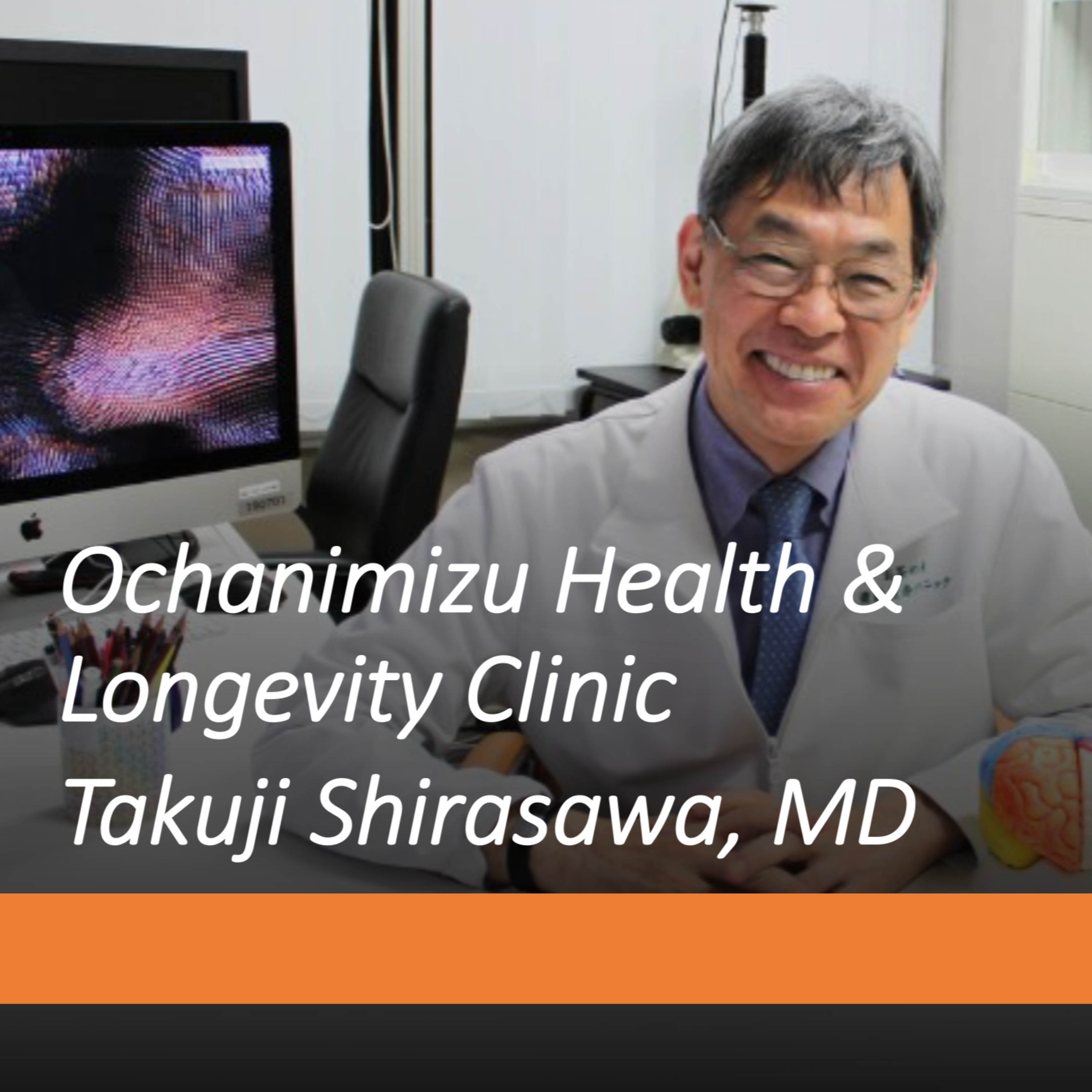
Medical Journal Club with Dr. Takuji Shirasawa
by Takuji Shirasawa, MD
This Channel Presents the Update of Medical Journal on Regenerative Medicine, AntiAging Medicine, and Longevity Medicine.
-
17
Sjögren’s Syndrome with Polyserositis, Gastrointestinal Findings and Ascending Aortic Aneurysm
Sjögren’s syndrome (SS) is an autoimmune disease with glandular and extraglandular manifestations. Pleuraland pericardial effusions in association with SS are rare. Similarly, ascites is rare and it can occur in SS whencombined with primary biliary cirrhosis (PBC). Inflammatory Abdominal Aortic Aneurysm together with SS has beendescribed only in one case. We report herein the case of a 70-year-old man with SS presenting with polyserositis(pleural and pericardial effusion and ascites) and gastrointestinal manifestations (atrophic gastritis and candidaesophagitis) and ascending aorta aneurysm. SS was diagnosed based on xerophthalmia, xerostomia,extraglandular manifestations, positive results for the Schirmer test, ocular surface staining score, histopathologicexamination of labial buccal mucosa revealing focal lymphocytic sialadenitis and unstimulated salivary flow rate. Theonly positive autoantibody was against smooth muscle cells (ASMA). We thought that pleural, pericardial effusions,ascites, gastrointestinal findings and ascending aortic aneurysm may be related with autoimmunologicalinflammation of SS. To evaluate the extent of aortic vasculitis, we performed a whole body 18-Fluorodeoxyglucosepositronemission tomography (FDG-PET) and showed increased uptake of FDG in aneurysmal section of theascending aorta. Treatment with high dose corticosteroid was proved to be successful in both clinically andlaboratory.
-
16
Long‑term clinical course and outcome in patients with primary Sjögren syndrome‑associated interstitial lung disease
Interstitial lung disease (ILD) is the most common lung manifestation in patients with Sjögrensyndrome (SJS) and is associated with poor outcomes. This study aimed to investigate the longtermclinical course and prognostic factors in patients with SJS-ILD. Clinical data and high-resolutioncomputed tomography (HRCT) images of 62 patients with primary SJS-ILD were retrospectivelyanalyzed (biopsy-proven cases, n = 16). The mean patient age was 59.8 years; 83.9% of the patientswere females, and 38.7% showed a usual interstitial pneumonia (UIP) pattern on HRCT. The medianfollow-up period was 61.5 months. During follow-up, 15 patients (24.2%) died, 7 (11.3%) experiencedacute exacerbation (AE), and 27 (43.5%) progressed. The 1-, 3- and 5-year survival rates were 93.5%,85.8%, and 81.1%, respectively. Age (hazard ratio [HR]: 1.158, P = 0.003), C-reactive protein (CRP)level (HR: 1.212, P = 0.045), FVC (HR: 0.902, P = 0.005), and a UIP pattern on HRCT (HR: 4.580,P = 0.029) were significant prognostic factors in multivariable Cox analysis. In conclusion, death, AE,and ILD progression occurred in 25%, 10%, and 50% of the patients with SJS-ILD, respectively. Olderage, higher CRP level, lower FVC, and a UIP pattern on HRCT indicated poor prognosis.Primary Sj.gren syndrome (SJS) is a chronic systemic inflammatory disorder characterized by impaired
-
15
Potential Roles in Vascular Repair, Endothelial Recovery, and Thromboinflammatory Modulation
The CORAGENmay be understood as a complex biological preparation enriched withregenerative growth factors (GFs), cytokines (CKs), extracellularvesicles/exosomes, and regulatory microRNAs (miRs) that collectivelyexert cardiovascular, endothelial, anti-inflammatory, reparative, andpotentially indirect antithrombotic effects.
-
14
The role of B cells in Sj¨ogren's syndrome and their impact on the nervous system
Primary Sj¨ogren's syndrome is an autoimmune disease characterized by the dryness of exocrine glands. Recent studies emphasizes the significant role of B cells in its pathogenesis. This review provides an overview of the functions of B cells in Sj¨ogren's syndrome and their impact on the nervous system. Current studies on the association between B cell-mediated immune responses and neurological symptoms are reviewed, aiming to offer new insights for diagnosing and treating. Understanding these connections is crucial for addressing the complex interplay between the immune system and neurological manifestations in affected individuals. A critical gap remains in determining whether B cell dysregulation initiates neuropathology or amplifies pre-existing neural inflammation, highlighting the need for mechanistic studies to guide targeted therapies.
-
13
Glucocorticoid drivwn neural Rewiring
Glucocorticoid drivwn neural Rewiring
-
12
Glucocorticoid driven Neural Rewiring
Glucocorticoid driven Neural Rewiring
-
11
School Refusal
Considering the problems associated with school attendance, school refusal is an adjustment problem that tends to becomeincreasingly prevalent. The present study identifies the patterns reported in the literature on school refusal and outlines thestructure and sub-components of school refusal. Therefore, the systematic review method was selected as the research methodfor this study. The data sources of this study consist of 40 research articles that fell within the purview of WoS and were eitherincluded or excluded according to predetermined inclusion and exclusion criteria. Using MAXQDA 2020, both content anddescriptive analyses were conducted in synthesizing the data sources. As a result of the analysis, the study year, method, datacollection tool, data collection procedure, data analysis, and sample were examined as descriptive characteristics. Analyzingthe content characteristics, five themes were identified: risk factors for school refusal, school refusal symptoms, schoolrefusal protective factors, approaches, and techniques for intervention in school refusal, and consequences of school refusal.The findings are provided by discussing the related literature
-
10
Dorsal Dentate Gyrus, a Key Regulator for Mood and Psychiatric Disorders
ABSTRACTThe dentate gyrus, a “gate” that controls the flow of information into the hippocampus, is critical for learning, memory,spatial navigation, and mood regulation. Several lines of evidence have demonstrated that deficits in dentate granulecells (DGCs) (e.g., loss of DGCs or genetic mutations in DGCs) contribute to the development of various psychiatricdisorders, such as depression and anxiety disorders. Whereas ventral DGCs are believed to be critical for moodregulation, the functions of dorsal DGCs in this regard remain elusive. Here, we review the role of DGCs, in particularthe dorsal DGCs, in the regulation of mood, their functional relationships with DGC development, and the contributionsof dysfunctional DGCs to mental disorders.
-
9
Newborn Neurons Separates Similar Memories
Adult-born granule cells (abGCs) have been implicated in memory discrimination through a neural computationknown as pattern separation. Here, using in vivo Ca2+ imaging, we examined how chronic ablation oracute chemogenetic silencing of abGCs affects the activity of mature granule cells (mGCs). In both cases,we observed altered remapping of mGCs. Rather than broadly modulating the activity of all mGCs, abGCspromote the remapping of place cells’ firing fields while increasing rate remapping of mGCs that representsensory cues. In turn, these remapping deficits are associated with behavioral impairments in animals’ abilityto correctly identify new goal locations. Thus, abGCs facilitate pattern separation through the formation ofnon-overlapping representations for identical sensory cues encountered in different locations. In theabsence of abGCs, the dentate gyrus shifts to a state that is dominated by cue information, a situationthat is consistent with the overgeneralization often observed in anxiety or age-related disorders.
-
8
Adult hippocampal neurogenesis and its impairment in Alzheimer’s disease
Adult neurogenesis is the creation of new neuronswhich integrate into the existing neural circuit of theadult brain. Recent evidence suggests that adulthippocampal neurogenesis (AHN) persiststhroughout life in mammals, including humans.These newborn neurons have been implicated tohave a crucial role in brain functions such as learningand memory. Importantly, studies have also foundthat hippocampal neurogenesis is impaired inneurodegenerative and neuropsychiatric diseases.Alzheimer’s disease (AD) is one of the most commonforms of dementia affecting millions of people.Cognitive dysfunction is a common symptom of ADpatients and progressive memory loss has beenattributed to the degeneration of the hippocampus.Therefore, there has been growing interest inidentifying how hippocampal neurogenesis isaffected in AD. However, the link between cognitivedecline and changes in hippocampal neurogenesis inAD is poorly understood. In this review, wesummarized the recent literature on AHN and itsimpairments in AD.
-
7
Cytokine-Induced Liver Regeneration for Alcoholic Cirrhosis Therapy
AbstractAlcoholic liver cirrhosis is a chronic, progressive liver disease characterized by the formation of scar tissue, ultimately resulting in liver failure. This condition is prevalent, affecting millions of individuals worldwide. In this case report, we present a case study of a 63-year-old male patient diagnosed with decompensated alcoholic liver cirrhosis, accompanied by significant complications such as massive ascites, massive pleural effusion, hyperammonemia, renal failure, cardiopulmonary failure, and repeated hepatic coma. The cytokine-induced liver regeneration process was achieved by means of a cytokine cocktail composed of porcine hepatocyte growth factor (HGF) and FGF21. HGF and FGF21 has been shown to stimulate hepatocyte regeneration in murine models of fatty liver disease. Following a period of nine months during which the patient received cytokine treatment, there were indications of hepatic recovery. Concurrently, there was resolution of cardiopulmonary failure, cognitive dysfunction, renal failure, and hypercoagulability. This constitutes a novel strategy for the treatment of decompensated alcoholic liver cirrhosis, an incurable liver disease. To the best of our knowledge, this is the first case report providing evidence that cytokine-induced liver regeneration can ameliorate the symptoms of decompensated alcoholic liver cirrhosis. To definitively ascertain the efficacy of cytokine therapy in promoting liver regeneration as a treatment for cirrhosis, further case studies and a controlled clinical trial are imperative.
-
6
The mechanism of adrenal insufficiency
Prioritize autoimmune diseases and genetic factors.Provide the clinical indicators necessary for differentiation from secondary adrenal insufficiency.Clearly explain the precautions for patients currently undergoing steroid therapy.Describe the emergency signs that suggest an adrenal crisis and the appropriate responses.Briefly explain the differences in pathophysiology between primary and secondary adrenal insufficiency.Propose specific disease examples and diagnostic procedures frequently encountered in actual outpatient practice.
-
5
From Cattle Tool to AI Expert
1. The importance of digitizing theknowledge of Japanese experts The biggest bottleneck in raising premium beefcattle in China is the severe shortage of human experts who systematicallyunderstand the entire lifecycle of breeds like Angus and Wagyu. By digitizingthe tacit knowledge and 50 years of experience of Japanese experts like Mr.Kinjo, the system creates a computable, replicable, and scalable "digitaltwin consultant". This allows ordinary farm managers to achieve over 80%of a top expert's skill level through AI assistance, effectively solving theindustry's critical human resource disconnect and removing the reliance onindividual "cattlemen".2. Future market expansion and revenuestructure The target market in China alone consists of 3 to 5 million premiumbeef cattle, a number that is rapidly growing. Assuming a 20-30% penetrationrate (approximately 1 million cattle), the business model involves a one-timehardware revenue (AI collars, sensors) of about 1,000 RMB per cow, totaling 1billion RMB. More importantly, the annual SaaS fee is estimated at 500-800 RMBper cow, generating a potential recurring revenue of 600 million RMB annually. Inthe mid-term (3-5 years), the goal is to reach a valuation of $5-10 billion. Inthe long term, the system aims to become the data infrastructure for the entirebeef industry, expanding into breeding, finance, and meat processing to achievea market capitalization comparable to top AgTech companies.3. The decisive technological differencesbetween this system and existing tools like Halter While Halter is valued at $2billion, it is primarily a "pasture management tool" for dairy cowsthat solves basic issues like location tracking, movement, and estrusdetection. In contrast, this system focuses on individual cattle precisiondiagnosis and nutritional management for beef cattle, solving problems that aremore than five times as complex. The AI system covers areas Halter does not,such as dynamic feed and nutrition adjustment, precise disease diagnosis,comprehensive reproductive lifecycle management, and meat quality prediction.Ultimately, Halter is merely a herd management tool, whereas this system servesas a direct substitute for a human expert, justifying a significantly highervaluation.4. Unique data assets and competitive advantages that investorsshould pay attention to The system possesses a strong data barrier built on the"expert IP"—the unreplicable 50-year experience of Japanese experts.Gathering this scenario-based decision-making data requires deep collaborationand trust, making it impossible for competitors to replicate quickly.Furthermore, the system benefits from a data
-
4
Cytokine-Induced Neurogenesis in Charcot-Marie-Tooth neuropathy with Connexin 32 Gene Mutation
Charcot-Marie-Tooth (CMT) neuropathy is one of the most common neuromuscular disorders. Despite the identification of more than 100 causative genes, there are few therapeuticoptions are still missing. We present the case of a 66-yeayear-old man carrying a CMT mutation in the connexin 32 gene andwith the APOE genotype ε4/ε3, has symptom who hadhad exhibited symptoms of slowly progressive muscle weakness and atrophy in the hands and feet and recently developed memory impairment. The symptomsymptoms of muscle weakness, motor dysfunctions, and memory impairment symptoms were significantly improved by cytokine-induced neurogenesis combined with physical wave therapy by with Arbitrary Waveform Generator (AWG). We discuss here an arbitrary waveform generator (AWG). Here, we discuss the possible mechanistic basis of how this new treatment ameliorates the symptomsymptoms of CMT and propose the a novel clinical application for the treatment ofstrategy for CMT
-
3
Cytokine-induced Neurogenesis Can Reverse Cognitive Decline in Alzheimer’s Disease
Alzheimer’s disease (AD) is a progressive neurodegenerative disease for which no curative treatment has yet been established. We applied cytokine-induced neurogenesis treatment to a 69-year-old female AD patient carrying APOE ε4/ε4 alleles to regenerate residual neuronal stem cells, resulting in the successful regeneration of the atrophied cerebral cortex and hippocampus associated with improved cognitive function and the resolution of electrophysiological abnormalities. To the best of our knowledge, this is the first case report demonstrating that cytokine-induced neurogenesis can reverse cognitive decline due to AD.
-
2
Common Vaccines and the Risk of Incident Dementia: A Population-based Cohort Study
Background. Observational studies suggesting that immunizations strongly decrease the risk of dementia had several methodological limitations. We assessed whether common vaccines are associated with the risk of dementia.Methods. We assembled a population-based cohort of dementia-free individuals aged ≥50 years in the United Kingdom’s Clinical Practice Research Datalink between 1988 and 2018. Using a nested case-control approach, we matched each patient with dementia with 4 controls. Conditional logistic regression yielded confounder-adjusted odds ratios (ORs) with 95% confidence intervals (CIs) of dementia associated with common vaccines >2 years before the index date compared with no exposure during the study period.Moreover, we applied a 10-year lag period and used active comparators (participation in breast or prostate cancer screening) to account for detection bias.Results. Common vaccines were associated with an increasedrisk of dementia (OR, 1.38 [95% CI, 1.36–1.40]), compared with no exposure. Applying a 10-yearlag period (OR, 1.20 [95% CI, 1.18–1.23]) and comparing versus prostate cancer screening (1.19 [1.11–1.27]) but not breast cancer screening (1.37 [1.30–1.45]) attenuated the risk increase.Conclusions. Common vaccines were not associated with a decreased risk of dementia. Unmeasured confounding and detection bias likely accounted for the observed increased risk.Keywords. epidemiology; immunization; public health; real-world evidence.
-
1
Cytokine-Induced Neurogenesis for Bipolar Disorder: A Case Study
ABSTRACT Bipolar disorder (BPD), formally called manic depression, is a mental health condition that causes extreme mood swings for which specific brain pathology has not yet been precisely defined. We administered cytokine-induced neurogenesis treatment to a 60-year-old male BPD patient to regenerate GABAergic neurons as well as glutamatergic neurons, which resulted in a successful regeneration of the atrophied hippocampus and disorganized cortical structures of the prefrontal cortex and anterior cingulate cortex, which was associated with improved emotional control and the resolution of electrophysiological abnormalities. To the best of Äsl201Äslmult0 our knowledge, this is the first case report demonstrating that cytokine-induced GABAergic and glutamatergic neurogenesis repairs brain pathology due to BPD and improves emotional control.
-
0
IL-10 and HGF for Ulcerative Colitis
This Audio Clip present the cytokines, IL-10 and HGF, can be applied for the treatment of Ulcerative Colitis.
We're indexing this podcast's transcripts for the first time — this can take a minute or two. We'll show results as soon as they're ready.
No matches for "" in this podcast's transcripts.
No topics indexed yet for this podcast.
Loading reviews...
Loading similar podcasts...
Frequently Asked Questions
How many episodes does Medical Journal Club with Dr. Takuji Shirasawa have?
Medical Journal Club with Dr. Takuji Shirasawa currently has 18 episodes available on PodParley. New episodes are automatically indexed when they're published to the podcast feed.
What is Medical Journal Club with Dr. Takuji Shirasawa about?
This Channel Presents the Update of Medical Journal on Regenerative Medicine, AntiAging Medicine, and Longevity Medicine.
How often does Medical Journal Club with Dr. Takuji Shirasawa release new episodes?
Medical Journal Club with Dr. Takuji Shirasawa has 18 episodes. Check the episode list to see recent publication dates and frequency.
Where can I listen to Medical Journal Club with Dr. Takuji Shirasawa?
You can listen to Medical Journal Club with Dr. Takuji Shirasawa on PodParley by clicking any episode. We provide an embedded audio player for direct listening, and you can also subscribe via your preferred podcast app using the RSS feed.
Who hosts Medical Journal Club with Dr. Takuji Shirasawa?
Medical Journal Club with Dr. Takuji Shirasawa is created and hosted by Takuji Shirasawa, MD.
URL copied to clipboard!