
PODCAST · health
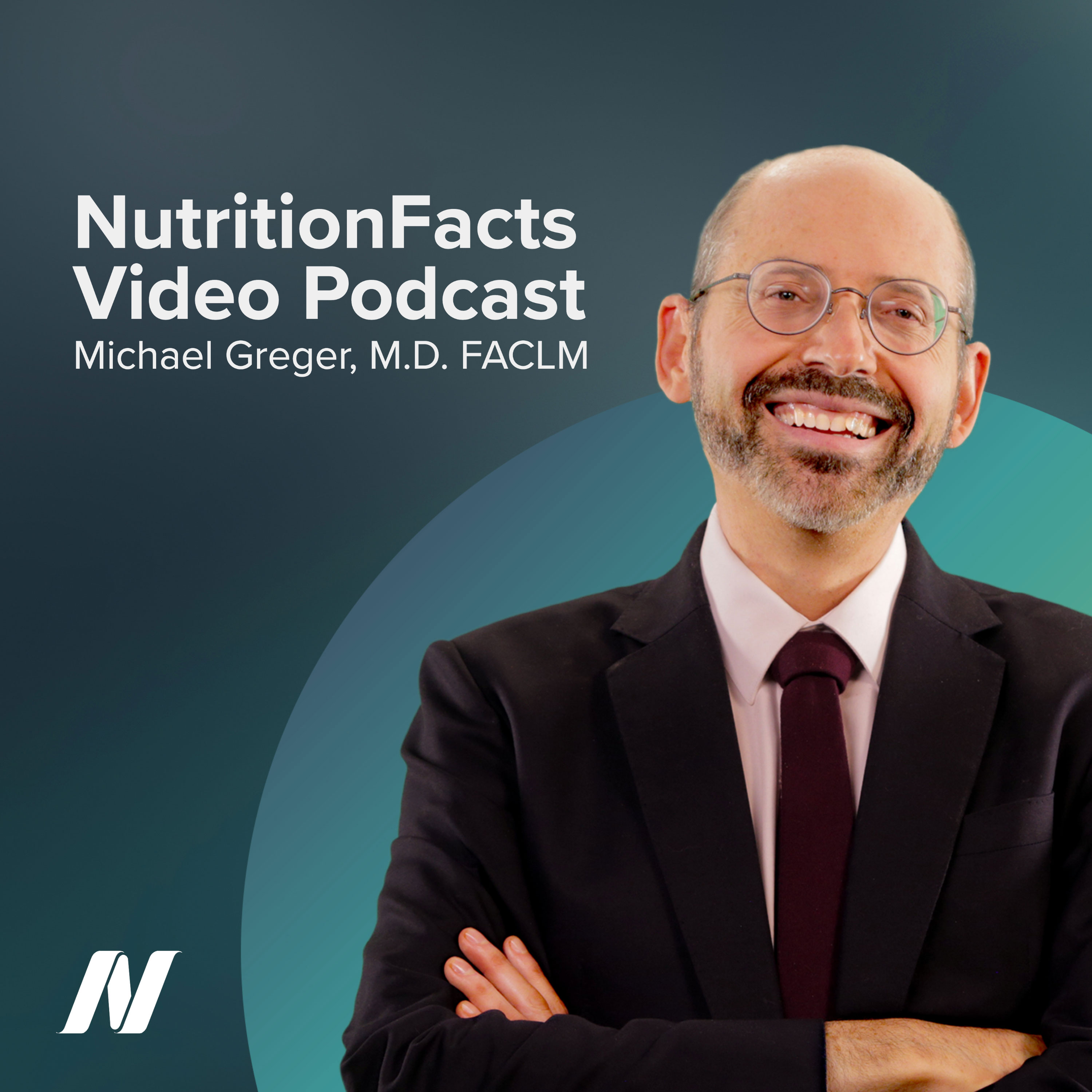
NutritionFacts.org Video Podcast
by Michael Greger, M.D. FACLM
Michael Greger, M.D. FACLM, founder of NutritionFacts.org and New York Times best-selling author of How Not to Die, How Not to Diet, and the just-released How Not to Age, brings you the latest in evidence-based nutrition research, delivered in easy to understand video segments. NutritionFacts.org is a non-profit and non-commercial public health organization, and more than 2,000 videos on virtually every aspect of healthy eating are available on our website. New videos and blogs are uploaded every day–always without any sponsors, ads, brand partnerships, or paid subscriptions.
Episodes
-
HOW NOT TO HURT Trailer for Dr. Greger’s New Book on Chronic Pain Relief
A trailer for Dr. Greger’s forthcoming book on dietary approaches to pain management.
-
Friday Favorites: How Much Licorice Is Safe?
Eating licorice or drinking licorice tea can cause the loss of body fat by blocking the effects of a stress hormone, but at what cost?
-
Dietary Treatment of Trigeminal Neuralgia Pain
One of the most extraordinary findings in all of pain medicine had been lost down the memory hole.
-
The Best Source of Iodine to Avoid Deficiency
Iodine is essential for thyroid health. Many people rely on iodized salt or dairy for iodine—but there are healthier sources.
-
Friday Favorites: Are Banana Smoothies Blocking Polyphenol Absorption? Banana vs. Mango Explained
An enzyme in bananas can destroy some of the phytonutrients in berries and cocoa, but there is a way to reduce the effect. How can we mediate the phytonutrient-destroying enzyme in avocados, bananas, and mushrooms?
-
Foods That May Help Protect Against Fine Particulate Matter (Air Pollution)
What is the evidence that plant-based dietary patterns may reduce the detrimental impacts of air pollution, including one plant in particular?
-
Limit Outdoor Activity on High Air Pollution Days for Heart and Lung Health
Globally, air pollution is the second leading killer of humanity. What can we do about it?
-
Friday Favorites: Epigenetic Clocks for Testing Your Biological Age
Epigenetic clocks have become established as robust measures of chronological age, surpassing telomere length as the best age predictor.
-
Are Ultra-Processed Foods Addictive?
Our cravings aren’t an accident. They’re a business model.
-
How Ultra-Processed Foods Could Cause Disease: Addictive Properties
Ultra processed food corporations didn’t just use the tobacco industry playbook—they were the tobacco industry.
-
Friday Favorites: Comparing Vegetarian and Vegan Athletic Performance, Endurance, and Strength
Long-term plant-based eating may improve exercise capacity and endurance.
-
Dietary Supplements for Treating Tinnitus
Most over-the-counter tinnitus supplements promise relief but lack solid evidence and may even carry risks.
-
Alternative and Lifestyle Treatments for Tinnitus Relief
What everyday strategies can make tinnitus easier to live with?
-
Friday Favorites: Do Vitamin D Supplements Help Prevent Diabetes, Cancer Mortality, and Overall Mortality?
Randomized interventional trials are necessary to establish cause and effect.
-
Conventional Treatments for Tinnitus Relief
Cognitive behavioral therapy may reduce tinnitus distress, while most drugs fall short.
-
What Causes Tinnitus and How to Prevent It
Why do hundreds of millions of people hear sounds others can’t?
-
Friday Favorites: Any Benefits to Ear Candling? What’s the Best Way to Remove Ear Wax?
Photographs are taken inside the ear canal before and after ear candling to put it to the test. And irrigation? Also called ear syringing, it involves flushing out ear wax with a low-pressure jet of warm (body temperature) water and works up to 70% to 90% of the time.
-
How to Form Good Habits
Learn how to use implementation intentions.
-
How to Break Bad Habits
There are two ways to break a bad habit: change the cue or change the action.
-
Friday Favorites: Why Do Milk Drinkers Live Shorter Lives on Average?
How might we reduce the risk of premature death from dairy consumption?
-
How Long Does It Take to Form Healthy Habits?
The idea that habits form in 21 days is a myth.
-
The Effects of Glyphosate on Children and How to Reduce Exposure
Could low-level glyphosate exposure affect pregnancy or metabolic health in children?
-
Friday Favorites: Does Aluminum Cause Alzheimer’s Disease?
Although aluminum isn’t necessarily benign, what convinced me that it does not play a role in Alzheimer’s disease?
-
Are Consumers of GMO Crops Exposed to Enough Glyphosate to Increase Cancer Risk?
If most glyphosate exposure comes from food, how much do we actually absorb?
-
What Explains the Different Glyphosate Safety Conclusions?
If glyphosate was deemed “probably carcinogenic,” why did regulators still approve its use?
-
Friday Favorites: Acid Reflux Medicine May Cause Osteoporosis
Stomach acid–blocking proton pump inhibitor drugs—PPIs with brand names like Prilosec, Prevacid, Nexium, Protonix, and AcipHex—appear to significantly increase the risk of bone fractures.
-
Should You Supplement with Vitamin K2?
Vitamin K supplements are touted for bone, brain, and heart health, but have they actually been shown to help?
-
Glyphosate Declared a Probable Human Carcinogen
What does the glyphosate controversy show us about conflicts of interest in science?
-
Friday Favorites: Exercise Before or After Meals for More Weight Loss and Better Blood Sugar Control?
If people burn more fat on the days they exercise before (rather than after) eating, why doesn’t this translate into more weight loss?
-
How to Maximize the Cephalic Phase of Digestion to Lose Weight
Why might taking smaller bites and drinking thicker smoothies through narrower straws help us feel fuller faster?
-
Does Eating Too Fast Affect Weight Loss?
Extending meal duration by even four minutes may facilitate weight loss.
-
Friday Favorites: Does Sunscreen Cause or Prevent Skin Cancer? Which Type Is Best to Use?
Sunscreen is put to the test in a randomized controlled trial to see if it can actually prevent skin cancer. According to the U.S. Food and Drug Administration, only two sunscreen ingredients can be considered safe: zinc oxide and titanium dioxide.
-
How to Lower Cholesterol with Dr. Greger’s Portfolio Plus Powder Recipes
There’s a simple way to try to fit all the cholesterol-lowering foods into your daily diet.
-
How to Lower Cholesterol with Herbs and Spices
Can small daily doses of herbs and spices really drop LDL cholesterol by double digits?
-
Friday Favorites: How Hot Peppers May Extend Your Life
Spice can hack your brain by making foods taste saltier.
-
Foods That Lower Cholesterol
Adding specific nuts, beans, and fruits to our diet can drive LDL cholesterol even lower—often with drug-like effects.
-
Statin Drugs vs. Cholesterol-Lowering Dietary Supplements
What happened when rosuvastatin was pitted against six common dietary supplements?
-
Friday Favorites: Fecal Transplants for Ulcerative Colitis, MS, Depression, Bipolar, and Alcoholism
I go over randomized, controlled trials and case reports of stool transplants for various clinical conditions.
-
Barberries Rather Than Berberine to Lower Cholesterol
How many dried barberries do you need to eat to get the cholesterol-lowering dose of berberine?
-
How to Lower Cholesterol with Supplements That Actually Work
What are the whole-food equivalents of some of the most powerful cholesterol-lowering supplements?
-
Friday Favorites: Dietary Cholesterol and Inflammation from Abdominal Obesity
The optimal intake of dietary cholesterol may be zero.
-
Why I Don’t Recommend Red Yeast Rice Cholesterol-Lowering Supplements
Red yeast rice contains the drug lovastatin and may also contain kidney toxins.
-
Why I Don’t Recommend Policosanol Cholesterol-Lowering Supplements
Sometimes, looking at the latest meta-analysis can lead you astray.
-
Friday Favorites: The Return on Investment (ROI) for Employee Health and Wellness Programs Put to the Test
Workplace wellness programs report an average ROI of 3, returning $3 for every $1 invested. Why do so many workplace wellness programs fail to deliver?
-
The Latest Clinical Trial of Turmeric Curcumin for Alzheimer’s Disease Treatment
Can turmeric really sharpen memory within hours?
-
How Ultra-Processed Foods Could Cause Disease: Changes in Structure
Why does preserving the food matrix make a difference?
-
Friday Favorites: Vitamin D Supplements Tested for COPD, Heart Disease, Depression, Obesity, and Cancer Survival
Before watching the video, can you guess which conditions vitamin D has actually been proven to work for in randomized, double-blind, placebo-controlled trials?
-
How Ultra-Processed Foods Could Cause Disease: Calorie Density
The biological mechanisms our bodies use to regulate our weight likely evolved in the context of eating at least four or five pounds of food a day.
-
How Ultra-Processed Foods Could Cause Disease: Changes in Texture
The average rate of caloric intake of ultra-processed foods is about double that of unprocessed foods.
-
Friday Favorites: Is Spicy Food Good for You?
Those who regularly eat spicy foods tend to live longer, but is it cause and effect?
We're indexing this podcast's transcripts for the first time — this can take a minute or two. We'll show results as soon as they're ready.
No matches for "" in this podcast's transcripts.
No topics indexed yet for this podcast.
Loading reviews...
ABOUT THIS SHOW
Michael Greger, M.D. FACLM, founder of NutritionFacts.org and New York Times best-selling author of How Not to Die, How Not to Diet, and the just-released How Not to Age, brings you the latest in evidence-based nutrition research, delivered in easy to understand video segments. NutritionFacts.org is a non-profit and non-commercial public health organization, and more than 2,000 videos on virtually every aspect of healthy eating are available on our website. New videos and blogs are uploaded every day–always without any sponsors, ads, brand partnerships, or paid subscriptions.
HOSTED BY
Michael Greger, M.D. FACLM
CATEGORIES
Loading similar podcasts...
Frequently Asked Questions
How many episodes does NutritionFacts.org Video Podcast have?
NutritionFacts.org Video Podcast currently has 100 episodes available on PodParley. New episodes are automatically indexed when they're published to the podcast feed.
What is NutritionFacts.org Video Podcast about?
Michael Greger, M.D. FACLM, founder of NutritionFacts.org and New York Times best-selling author of How Not to Die, How Not to Diet, and the just-released How Not to Age, brings you the latest in evidence-based nutrition research, delivered in easy to understand video segments. NutritionFacts.org...
How often does NutritionFacts.org Video Podcast release new episodes?
NutritionFacts.org Video Podcast has 100 episodes. Check the episode list to see recent publication dates and frequency.
Where can I listen to NutritionFacts.org Video Podcast?
You can listen to NutritionFacts.org Video Podcast on PodParley by clicking any episode. We provide an embedded audio player for direct listening, and you can also subscribe via your preferred podcast app using the RSS feed.
Who hosts NutritionFacts.org Video Podcast?
NutritionFacts.org Video Podcast is created and hosted by Michael Greger, M.D. FACLM.
URL copied to clipboard!