Recovery Daily Podcast
by Rachel (Miller) Abbassi
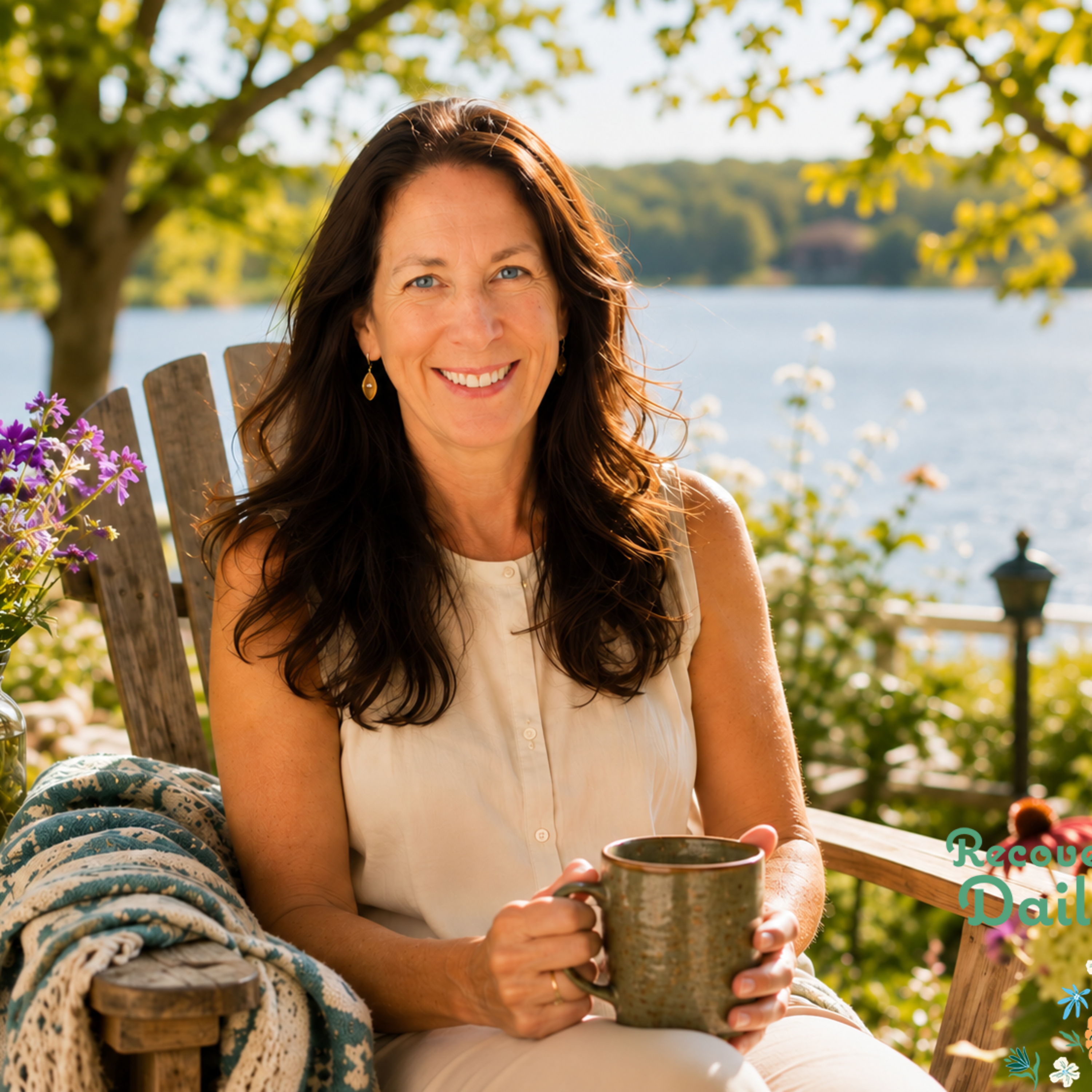
I’m Rachel Abbassi, creator and host of the Recovery Daily Podcast, where I’ve shared more than 1,000 episodes documenting long-term recovery, invisible illness and disability, chronic pain, mental health, and the daily practice of surfacing joy.I’m a stroke survivor and a grateful recovering alcoholic with ten years of sobriety. I have a central vestibular disorder, chronic migraines, and cognitive deficits in language and memory. If you’re recovering from addiction, navigating life after stroke, living with a chronic illness, or simply looking for hope, you’re welcome here. Stay.
Episodes
-
I Know That Feeling
First, I want to thank our veterans. To everyone who has served in the U.S. Armed Forces, thank you for your service. When I was drinking, I could be in a room full of people and feel alone. I hear people in my recovery meetings tell their unique stories with not-so-unique feelings. Somebody can...
-
Emotional Sobriety After Stroke: Sitting With the Hard Stuff
A friend invited me to walk in the park, and my first thought was, Yes, I want to go. Then I had to think about what a 20-minute car ride can do to my head and whether I’d have enough left for the art studio I’d been looking forward to going to the next day. That’s what emotional sobriety looks...
-
Managing Anxiety: Being Anxious About Anxiety
For years, every time I felt anxious, it was evidence that something was wrong with me. My sobriety program helped me to start instead looking at what I do when I’m scared. Sometimes I try to control the outcome. Sometimes I rehearse arguments that haven’t even happened. Hard stuff happens, and...
-
Putting Yourself First: Needs Before Wants
Putting Yourself First: Needs Before Wants Putting yourself first doesn't mean putting everyone else last. But in recovery, learning the difference between self-centeredness and self-care can be surprisingly complicated. Today I'm exploring what it really means to prioritize our physical,...
-
Rehearsing Recovery: What If Everything Goes Perfectly?
What if, instead of imagining everything goes wrong, we practiced imagining that it could go right? In today's episode, I'm exploring how visualization, neuroplasticity, and the tools of recovery can help us change our responses to fear, anxiety, and discomfort. I share advice an addiction...
-
Do the Opposite—and Decide Quickly
My first instinct isn't always my best instinct. Recovery has taught me to recognize old patterns and do the opposite before I can talk myself out of doing what's good for me. I practice reaching out instead of isolating, listening instead of defending, surrendering instead of controlling, and...
-
Into Action Upon Awakening
Every morning, we have a choice. We can retreat into our thoughts, resist our circumstances, or take one small action that moves us toward recovery. In today's episode, I share how waking up with chronic pain and dizziness after my stroke reminds me of the difficult mornings I experienced before...
-
Falling Backward Into Faith: Learning to Trust Through Fear and Pain
What if fear and pain aren't tests of our sobriety, but opportunities to practice our faith? In today's episode, I share how the debilitating anxiety I experienced after my stroke challenged everything I thought I knew about surrender, control, and trusting a Power greater than myself. I reflect…
more -
How Did I Come to Believe? From Willingness to Faith
How do we come to believe in something greater than ourselves, especially when we don't fully understand what we're believing in? In today's episode, I reflect on how a simple willingness to believe helped me get sober and later became one of my greatest sources of strength after my stroke. I…
more -
Staying in the Middle of My Recovery
Recovery has given me practices that act like bumpers, keeping me from drifting too close to the edge. Meetings, prayer, meditation, reaching out to others, service, creativity, and connection all help keep me in the middle, not only of my sobriety, but of my mental, emotional, and spiritual...
-
Trusting the Plan When I Don’t Like the Journey
I heard someone say this morning, “I’m an actor, and I’m trying to fix the lights on me.” And immediately I thought: That’s it. How often am I trying to control the entire production instead of simply playing my part? In this episode of Recovery Daily, I talk about surrender, acceptance,...
-
Holding Grief With a Gentle Grip: Learning to Carry What I Cannot Change
I used to believe grieving meant stopping my life to get over a loss, resolve it, let it go, and figure out how to make it hurt less. But, I’m learning that we instead carry grief while we continue to live. We respond to loss in very different ways and none of them are wrong. Today I reflected on…
more -
When Disability Means I Can’t Be There
What happens when you desperately want to show up for someone you love, but your disability makes it unsafe to do so? Facing the reality as someone I care about enters hospice, my first instinct was, I have to be there. I am fast forwarding the tape and want to be present for friends and family....
-
Only Through Acceptance Can We Change
Accepting myself exactly where I am is the very thing that allows me to change? Reflecting on Carl Rogers’ “curious paradox” of acceptance, it resonates so much to both my sobriety and stroke recovery. Last night I reached my cognitive and physical limit while trying to make one of my world…
more -
What Judging Others Says About Me
The things I judge most harshly in other people are actually telling me something about myself? It’s uncomfortable to say, but if I’m being honest, I have a tendency to default toward judgment. My recovery program is teaching me how to choose compassion instead. My insecurities, assumptions,...
-
Letting Go of the Arguments in My Head
So much of life is outside of my control, but that doesn’t mean I’m without choices. Sobriety taught me how to separate what I can change from what I need to accept or surrender, and stroke recovery has made that practice even more important. I’ve learned how much energy I can waste arguing with...
-
What Does Right-Sized Mean? Finding My Place Between Ego and Insecurity
What does it mean to be “right-sized”? Sobriety taught me to see myself, my problems, and my place in the world more accurately. I can make myself too big by trying to control everything, taking responsibility for other people, or believing every interaction is more important than it really is. I...
-
Seeking What We Already Have
How often am I searching for something I already have? By thinking about what I believe those things will give me and where might that already exist in my life, I can hold what I desire loosely enough to see what I already have. My words and desires can reveal where my attention is living....
-
Fear in Disguise
Fear doesn't always look like fear. It can be dressed up as anger, control, denial, depression, bargaining, or perfectionism. After coming to this realization, I try to look beneath the costumes fear wears in my own sobriety and stroke recovery. Losing the ability to drive, accepting permanent...
-
Thy Will Be Done: Leaving Room for What I Cannot See
When I say, “Thy will be done, not mine,” I have a tendency to brace myself for whatever bad thing might happen next. But what about all the beautiful things I never planned for either? In this episode, I talk about surrender in a different way—loosening my grip on what I think my life should…
more -
The Architect of New Instincts: How Steps 6, 7 & 10 Change My Behavior
Knowing what I need to change about my behavior and actually changing are two very different things. Steps 6, 7, and 10 work together to help me recognize old behaviors, surrender my need to control everything, and practice choosing differently. These steps have helped me through sobriety, stroke...
-
Moving Through Anger, Grief, and Frustration
Anger can color everything we see? In this episode, I talk about the anger and sadness that can come from living a life I never expected—wanting to drive, work, travel, shop, and simply be like everybody else. I’m learning not to compare the life I have today to the life I thought I would have. I...
-
Our Ripple Effect: What Are You Putting Into the Water?
We all leave something behind in the people we encounter. In this episode, I talk about the fundamental attribution error, our tendency to judge someone’s character without knowing the circumstances behind their behavior, and what stroke recovery has taught me about the things we simply cannot…
more -
Show-n-Tell Before the Art Show: Recovery Upcycling
It’s show-n-tell day! Before I head to the Lake of the Woods Fine Arts Show & Sale tomorrow, I’m giving you a peek at what I’ve been creating, from Christmas ornaments made with vintage jewelry to Spoon & Cup Theory bracelets and my newest obsession of handmade junk journals. Everything at my…
more -
Learning to Laugh Again After Stroke
After my stroke, there wasn't much room for laughter. My life was consumed by pain, fear, doctors, visual disability, and trying to understand what happened to me and if I’d get better. Over time, thanks to my husband, laughter found its way back in. Laughing at some of the ridiculous moments of...
-
When I Feel Like I’m Not Enough
I wondered what I had left to offer without alcohol in my life. After my stroke, that same fear came back. So much of what I could do had changed that I started questioning what I could still bring to my relationships and my life. I must separate my limitations from my worth, let go of the “I...
-
Staying Active with a Vestibular Disorder and Chronic Pain
Living with a vestibular disorder has changed what being active looks like for me. Movement itself can provoke my symptoms, so exercise isn't as simple as pushing harder, going farther, or trying to get back to what I could do before my stroke. I have to consider what I can do with the brain and...
-
Listen to the Whisper Before It Becomes a Scream
I’m pretty good at coping once I’m already overwhelmed. The harder part is recognizing what my mind and body are telling me before I get there. Today I’m talking about proactive coping—recognizing the physical and emotional warning signs before they become emergencies. I look at the difference...
-
Let Yourself Be Known: Stop Holding Back What’s Wrong
Why do I say “I’m fine” when I’m not? Sometimes I hold back because I don’t want to burden anyone, seem dramatic, be misunderstood, or admit that I need help. But what I refuse to talk about doesn’t disappear. It usually finds somewhere else to go. Sobriety taught me that connection requires my...
-
I Need to Do Happiness
Boris takes over the podcast today. Don't miss it. I spend a lot of time paying attention to difficult emotions, like fear, anger, sadness, resentment, anxiety, but the emotion wheel goes both ways. Joy and love have a whole vocabulary of their own, and I deserve to experience those feelings...
-
Humility: Knowing Where My Job Ends
Humility used to feel a lot like humiliation to me. My recovery program helps me to know what belongs to me, do my part, and trust God with the rest. In this episode, I talk about how sobriety and stroke recovery have challenged my need for control, how pride can disguise itself as independence,...
-
When a Hobby Becomes an Obsession: Taming the Creative High
I didn’t want to record today. I wanted to run into my art studio and make handmade journals—my newest creative obsession. But recovery skill I learned in sobriety kicked in: do the next right thing. I’m learning how to put a container my enthusiasm in order to not abandon my purpose in recovery...
-
What Would Make Today 10% Easier?
Living with stroke-related disabilities, chronic pain, and fluctuating capacity means my mind and my brain don’t always agree about how much I can do. I need to notice when my brain needs a slower pace and adjust before I reach the point of crashing. Slowing down doesn’t mean I have to stop…
more -
Change the Direction of Your Thinking
For the longest time I tried to change everything around me and thought that I couldn’t change me. I was a victim of my thoughts and emotions. I had it totally backward. I can't change anything beyond my fingertips, but I can change what's happening between my ears. Even thought when I can't…
more -
Learning to Rest in Stroke Recovery
I know I need to rest. I just don't want to. It can be for me to stop, take a nap, or simply sit without thinking about everything else I could be doing. After stroke, things people normally do to relax, like watching TV or reading, aren't options for me because using my eyes hurts. Meditation...
-
Just Because I Can Doesn’t Mean I Should
Being able to do something and deciding whether I should do it are two very different things. In sobriety, I look ahead at the consequences of my choices. In stroke recovery, I’m still learning how to do that with my physical and cognitive capacity, especially when the consequences don’t show up...
-
Busy Body: Freedom To Do Nothing
Being busy can make us feel important, productive, and needed. But when productivity becomes part of our identity, stopping can feel frustrating and uncomfortable. Stroke recovery teaches me lot about the physical, mental, emotional, recreational, and spiritual rest we need to stay well.…
more -
When Your World Gets Smaller: The Hopelessness of Feeling Homebound
When illness or disability limits our independence, home can change from a place of comfort into a place that feels confining. There is grief in losing spontaneity and watching ordinary life continue without me. As someone painfully experienced in the isolation that comes with alcoholism, the...
-
Willingness Is What Changes Us: The Lesson of Step Six
Willingness is what actually changes us. Being “entirely ready” is learning to recognize them character defects show up, stop defending them, and make a repeated, consistent decisions to choose a healthier response. Fear can become faith. Ego can become humility. Resentment can become…
more -
What Is False Pride? The Fear of Being Fully Seen
False pride can look like courage to others while fear is running the show. In this episode, I explore how trying to control what other people think of us can keep us from asking for help, admitting what we need, and allowing ourselves to be fully known. I share the parallels between sobriety and...
-
Taking Care of Tomorrow’s Me Today
Sobriety doesn't make life painless. I get to feel all the things, good and bad, without reaching for the escape I know would give me temporary relief. In this episode, I talk about the difference between relief and resolution, learning how to feel pain better, and remembering that whatever I...
-
Haven Point by Virginia Hume: Alcoholism, Family Secrets, and Generational Recovery
In this Reads and Recovery episode, I review Haven Point by Virginia Hume, a multigenerational story about grief, alcoholism, family secrets, resentment, and belonging. I reflect on how one person’s unprocessed pain affects an entire family, why honest conversations matter, and how understanding...
-
I Survived
The clot buster worked. My words returned for the most part. There was no brain bleed. I was 46 years old, five years sober, and I had survived a stroke. I genuinely believed I could go home and get back to my normal life. In this episode, I look back at those first days after my stroke and the...
-
You Don’t Look Disabled
Five years ago, a nurse walked past my room in the ICU after my stroke and said, “You belong here.” My outward appearance didn’t match the seriousness of your medical condition. That moment became significant in shaping my understanding of invisible illnesses. It was my first glimpse of what I...
-
When My Enthusiasm Exceeds Capacity
I have a lot going on right now, all of it is stuff I want to do. I'm writing, painting, volunteering, crafting, decorating, and apparently I've added learning to fish now too. So I was walking the other day feeling completely overwhelmed. How have I somehow managed to achieve being overwhelmed…
more -
Maslow’s Hierarchy of Needs Through the Lens of Disability
Living with a vestibular disorder has made Maslow’s hierarchy of needs very apropos to me. Every day, I have to consider how much energy I have and where I need to spend it, from taking care of my basic physical needs and navigating my environment safely to participating in relationships,...
-
What Are the Four Absolutes?
Four questions have guided people many folks in recovery for generations since the Oxford Group began: How loving have I been? How unselfish (kind) have I been? How honest have I been? How pure have I acted? Known as the Four Absolutes, these influenced early AA and still offer a practical way to...
-
Don't Wait Until Things Fall Apart
Last night, a massive tree crashed to the ground just feet from our house, somehow falling in the only direction that didn't cause damage. It became the perfect reminder that I spend far too much time trying to control outcomes that were never mine to control. In today's episode, I talk about...
-
Giving Yourself Grace: Live the Moment You Have, Not the One You Planned
What does it really mean to "give yourself grace"? It's a phrase we hear all the time, but I don't think I truly understood it until I found myself fighting against the reality of my own limitations. In this episode, I share how recovery is teaching me to let go of the invisible rules I've…
more -
What is Sitting on the Throne of Your Life?
When I got sober, alcohol stepped off the throne of my life. But that left me with a new question: What would take its place? In this episode, I share insights inspired by a recent church sermon and translate it into the language of recovery. We explore how addiction doesn't necessarily…
more
About this show
I’m Rachel Abbassi, creator and host of the Recovery Daily Podcast, where I’ve shared more than 1,000 episodes documenting long-term recovery, invisible illness and disability, chronic pain, mental health, and the daily practice of surfacing joy.I’m a stroke survivor and a grateful recovering alcoholic with ten years of sobriety. I have a central vestibular disorder, chronic migraines, and cognitive deficits in language and memory. If you’re recovering from addiction, navigating life after stroke, living with a chronic illness, or simply looking for hope, you’re welcome here. Stay.
Hosted by
Rachel (Miller) Abbassi