
PODCAST · health
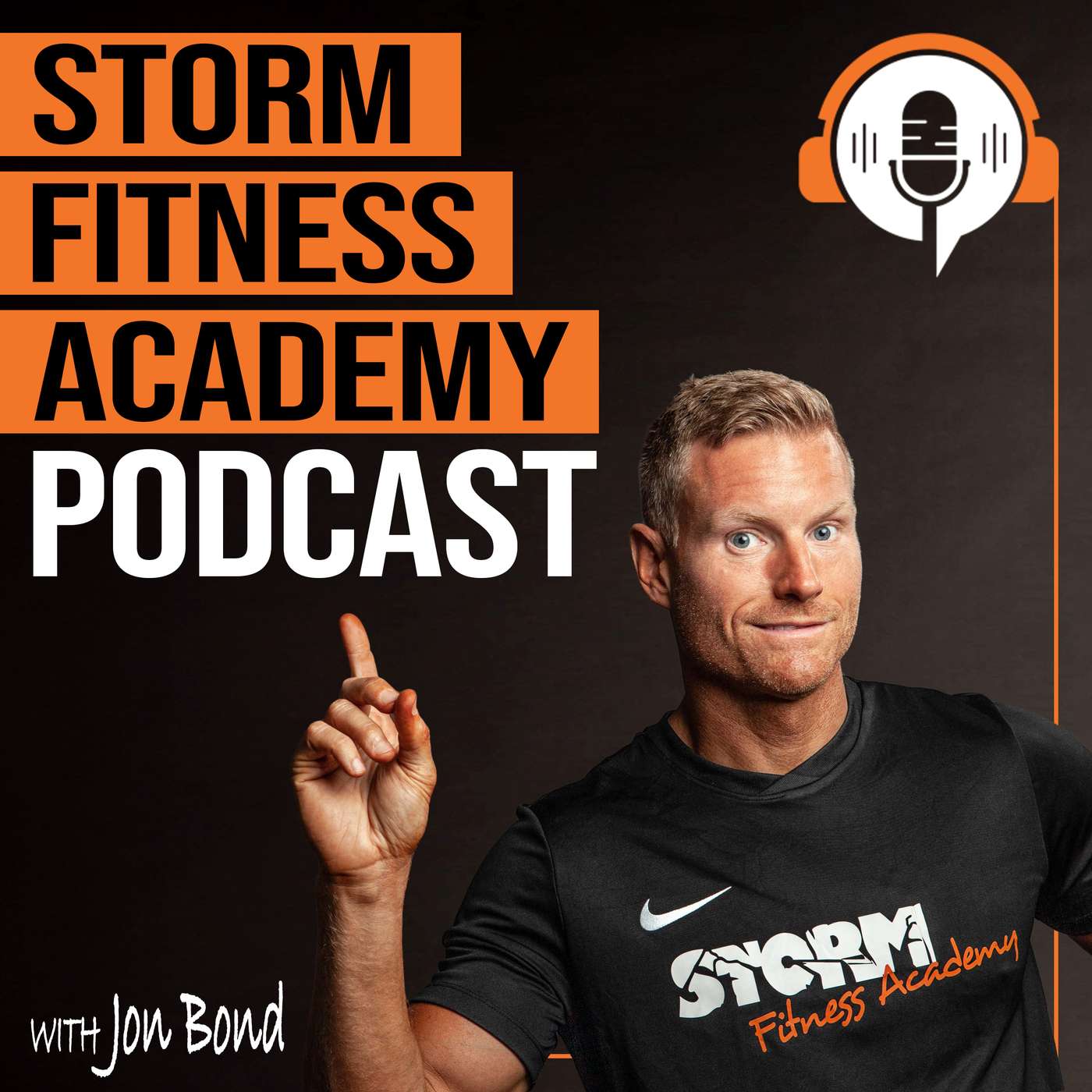
The Storm Fitness Academy Podcast
by Jon Bond BSc (Hons), MSc, PGCE, QTS
Welcome to The Storm Fitness Academy Podcast, the ultimate show for fitness enthusiasts, aspiring personal trainers, and coaches looking to build a thriving career in the industry. Hosted by Jon Bond—fitness educator, entrepreneur, and strength coach—this podcast dives deep into everything from training principles and business strategies to industry insights and real-world success stories.Each episode is packed with expert advice, no-nonsense discussions, and plenty of humour, making learning both engaging and actionable. Whether you're considering becoming a personal trainer, already qualified, or just passionate about fitness, this podcast will help you navigate the industry with confidence.Expect inspiring interviews, myth-busting conversations, and practical tips to take your training, coaching, and business to the next level. If you want a career in fitness that’s fulfilling, financially rewarding, and flexible, you’re in the right place.Listen, learn, and level up with The
-
108
How Do You Get Clients When Nobody Knows Who You Are?
SummaryIn this episode, Jon Bond shares practical strategies for new trainers to attract clients, build reputation, and grow their fitness business from scratch. Learn how to leverage conversations, social media, and personal stories to stand out and succeed.Key topicsStarting with zero clients and building trustUsing conversations and networking as marketing toolsTargeting specific client niches for better resultsLeveraging social proof and testimonialsFollowing up without being pushySharing your personal story to connect with clientsCreating free workshops and tasters to attract clientsBuilding reputation one person at a time
-
107
Why Sleep Might Be More Important Than Your Training Programme
SummaryDiscover why sleep is a crucial component of fitness and recovery, often overlooked in training routines. Learn practical tips to improve sleep quality and how it impacts muscle growth, hormone regulation, and overall performance.Key TopicsThe importance of sleep in recovery and muscle growthHow sleep affects hormones like cortisol and testosteronePractical tips for improving sleep hygieneThe impact of sleep deprivation on training performanceThe relationship between sleep and appetite regulationSleep strategies for athletes and fitness enthusiasts
-
106
Why Walking Might Be the Most Underrated Exercise
SummaryJon explores the underrated benefits of walking as a simple, accessible, and effective form of exercise that can significantly improve health and well-being. He discusses guidelines, misconceptions, and practical tips to incorporate walking into daily routines. Key topicsThe health benefits of walking and physical activity guidelinesWalking as a sustainable and accessible exerciseThe misconception that exercise must be intense to be effectivePractical tips for incorporating walking into daily routinesThe role of walking in weight management and mental health
-
105
What’s the Minimum Effective Dose of Exercise?
SummaryThis episode explores the concept of the minimum effective dose of exercise, emphasising that even small amounts of activity can significantly improve health. It discusses UK guidelines, resistance training, activity timing, and practical strategies for beginners and busy individuals. Key topicsMinimum effective dose of exerciseUK physical activity guidelinesResistance training for strength and hypertrophyImpact of activity timing and frequencyBehavioural strategies for beginners and busy adultsSedentary behavior and health risksExercise for weight management vs health benefits
-
104
Thinking About Becoming a Personal Trainer? Your Questions Answered Before You Enrol
SummaryIn this episode, Jon from Storm Fitness Academy shares comprehensive insights into becoming a personal trainer, addressing common questions about fitness, qualifications, and career pathways. Perfect for anyone considering a career shift into fitness, this episode offers practical advice and encouragement.Key TopicsQualifications and certifications for personal trainersBalancing study with work and family commitmentsPractical assessments and workshops explainedBuilding confidence and coaching skillsCareer pathways and specialisations in fitnessSupport and community at Storm Fitness AcademyThe importance of experience and continuous learning
-
103
How to Build a Personal Training Business That Fits Your Life: Esther’s Story
SummaryIn this episode, Esther shares her journey from leisure centre trainer to successful entrepreneur, highlighting the importance of saying yes, managing imposter syndrome, and focusing on client-centred training. Discover practical insights on building confidence, handling challenging clients, and expanding your expertise in health and fitness. Key topicsJourney from leisure centre to business ownerThe power of saying yes and managing fearExpanding expertise through additional qualificationsThe role of confidence and imposter syndrome in successClient-centred training and real-life resultsGuest linkshttps://www.eternal-fitness.co.uk/https://www.facebook.com/EternalFitnessPersonalTraining
-
102
What Should a Newly Qualified Personal Trainer Do in Their First 90 Days?
SummaryThis episode guides newly qualified personal trainers through their first 90 days, emphasising action, confidence-building, and strategic positioning to kickstart their careers effectively. Key topicsFirst 90 days focus on confidence, visibility, and client acquisitionImportance of taking action over waiting to feel readyNiche positioning and simple offers for clarity and marketingPractising consultations and building coaching skillsCreating content and leveraging social media for visibilityThe value of real-world coaching experienceHandling pricing and sales confidentlyRefining services based on client feedback and dataContinuing education and professional growth
-
101
You Can’t Out-Exercise a Bad Diet: How PTs Can Explain It Kindly
SummaryIn this episode, Jon explores the nuanced relationship between exercise, diet, and effective coaching. He emphasises the importance of language, understanding client psychology, and realistic habit changes for successful fat loss and health improvement. Key topicsThe importance of language and tone in coachingEnergy balance and calorie consumptionThe role of nutrition in fat lossClient psychology and emotional eatingHabits and behaviour change strategiesThe impact of supportive environments on successBalancing exercise and diet for health goalsThe importance of realistic and gradual changes
-
100
How Positive Coaching Creates Better Results
SummaryIn this episode, Jon Bond chats with George Horlock about the power of positivity, self-love, and how these principles can transform personal training and life. They explore how mindset influences results, the importance of internal peace, and practical ways to incorporate positivity into coaching.Key topicsThe impact of positive coaching on resultsHow mindset influences physical and mental healthPractising gratitude to rewire the brainThe importance of self-love and acceptanceHandling life's ups and downs with resilienceFollow George HorlockIf you enjoyed George's perspective on positivity, gratitude, and living with greater intention, you can find more of his content here:YouTube: https://www.youtube.com/@georgehorlockInstagram: https://www.instagram.com/george_horlockGeorge regularly shares thoughtful videos on mindset, resilience, self-worth, and finding more peace and perspective in everyday life. If today's conversation resonated with you, his content is well worth exploring.
-
99
How to Stay Motivated as a Coach When Your Client Isn't
SummaryIn this episode, Jon explores the challenges of maintaining motivation as a coach, the importance of setting boundaries, and how to support clients without taking responsibility for their actions. He shares practical insights on managing expectations, measuring progress, and staying resilient in the coaching profession. Key topicsThe nature of motivation and its fluctuationsThe coach's role versus client responsibilityManaging client expectations and progressSelf-care and maintaining work-life balance for coachesBehaviour change psychology and dopamine's roleThe importance of consistency over motivationSetting boundaries to prevent burnoutMeasuring progress beyond scales and metrics
-
98
Can You Build Muscle and Lose Fat at the Same Time?
SummaryThis episode explores the possibility of building muscle and losing fat simultaneously, debunking myths and sharing practical strategies for effective body recomposition.Key topicsBody recomposition processRole of fat stores as fuelImportance of resistance trainingProtein intake for muscle growthSensible calorie deficitsCommon mistakes in body recompositionProgress tracking beyond scalesImpact of training frequency and intensityPatience and realistic expectations
-
97
How Do Personal Trainers Get Their First Clients WITHOUT Social Media?
SummaryThis episode dispels myths about social media marketing for personal trainers and offers practical offline and online strategies to attract your first clients. Learn how to leverage your network, community, and reputation to build a thriving fitness business without relying solely on social media. Key topicsMyth-busting social media marketing for trainersLeveraging personal networks and communityEffective offline marketing strategiesThe importance of referrals and testimonials
-
96
Why is Progressive Overload Important?
SummaryThis episode explores the fundamental principle of progressive overload in fitness training, emphasising its importance for continuous progress and effective program design. Host Jon Bond simplifies complex concepts and offers practical tips for trainers and enthusiasts alike. Key topicsPrinciple of progressive overloadMethods of increasing training demandsImportance of measurable progressCommon mistakes in training progressionTakeawaysProgressive overload is the key mechanism driving adaptation in training.There are multiple ways to apply overload: increasing weight, reps, sets, or exercise density.Consistency and measurement are crucial for long-term progress.Without overload, progress plateaus and motivation declines.
-
95
When Does Personal Training Stop Feeling Like a Side Hustle?
SummaryJon Bond discusses the journey of becoming a personal trainer, emphasising the identity shift, confidence building, and sustainable growth in the industry. He shares insights on overcoming uncertainty, the importance of human connection, and practical steps for success. Key topicsIdentity shift in becoming a personal trainerBuilding confidence through experienceSustainable career growth in fitnessThe role of human connection and trustPractical steps for transitioning to full-time
-
94
How Fitness Changed My Life, From ADHD to MSc
SummaryThis episode dives into my personal journey of overcoming fears and self-doubt to build a fulfilling career in fitness. If you're considering becoming a personal trainer or exploring a career shift in health and fitness, this story offers motivation and practical advice to get started.Key Topics:The common fears and doubts aspiring trainers face, especially imposter syndrome and self-judgmentHow fitness became a transformative catalyst in my life, mental health, and careerThe importance of finding meaning and purpose in your fitness journeyOvercoming childhood challenges and labelsPractical next steps for starting a career in fitness, regardless of current confidence or experienceThe significance of not waiting for perfection to begin helping othersEmbracing the messy, slower process of growth and learning in your fitness career
-
93
Do Personal Trainers Need Counselling Skills? What Qualifications Actually Help?
SummaryThis episode explores the importance of counselling skills for personal trainers, emphasising communication, empathy, and behaviour change techniques to enhance client success and retention. Key topicsCounselling skills for personal trainersBehaviour change and client adherenceCommunication and empathy in coaching TakeawaysDeveloping communication skills such as empathy and active listening can significantly improve coaching effectiveness.Good trainers become excellent people skills professionals who use exercise as a tool.Most clients already know the basics; the real challenge is behaviour change.Counselling skills such as active listening and rapport building are crucial for client retention.Personal trainers should focus on supporting healthy lifestyle change, not therapy.
-
92
What If I Try to Be a Personal Trainer and Fail?
SummaryThis episode tackles common fears and self-doubt faced by aspiring and new personal trainers, emphasising that confidence is built through action and persistence. It offers practical advice on overcoming mental barriers, understanding that failure is part of growth, and highlights the importance of authenticity and continuous learning in the fitness industry.Key topicsSelf-doubt and limiting beliefs in personal trainingThe role of failure and learning in successBuilding confidence through action and experienceThe impact of social media on perceptions of successAuthenticity and relatability in coachingTakeawaysMost trainers start with uncertainty, not confidence.Failure is just part of the learning process, not a sign of defeat.Confidence comes after taking action, not before.Social media often creates unrealistic expectations.Authenticity and relatability are more valuable than perfection.
-
91
Is It Ever OK to Refer a Personal Training Client to Another Coach?
SummaryIn this episode, Jon Bond explores the importance of ethical client referrals, when to refer clients to other professionals, and how doing so can enhance your reputation as a personal trainer. Learn how to handle client relationships professionally and build a trusted network. Key topicsWhen to refer clients to other professionalsHandling client relationships ethicallyBuilding a referral networkSpecialisation and scope of practiceProfessional boundaries and ethicsTakeawaysReferring clients to specialists demonstrates confidence and ethics.Knowing your scope of practice is crucial for client safety.Building a referral network enhances your reputation.Not every client is a good fit for your coaching style. Sometimes clients outgrow your services, and that's a success.
-
90
Weight-Loss Injections, Magic Solution or Dangerous Shortcut?
SummaryThis episode explores the truth about weight loss injections like Ozempic and Mounjaro, their benefits, risks, and the importance of behaviour change for sustainable health. Host Jon Bond discusses medical insights, ethical considerations, and practical advice for fitness professionals and individuals considering these treatments.Key topicsGLP-1 receptor agonists and their role in appetite controlThe difference between fat burners and appetite suppressantsLong-term effects and weight regain after stopping injectionsThe importance of lifestyle habits and behaviour changeRisks of black market weight loss drugs and side effectsTakeawaysWeight loss injections like Ozempic and Mounjaro help control appetite but are not fat burners.Most people regain weight after stopping injections if lifestyle habits are not changed.Behaviour change and healthy habits are crucial for long-term weight management.Black market injections are risky due to contamination, incorrect dosage, and legal issues.Medical supervision and credible sources are essential when considering weight loss medications.
-
89
What Most New Personal Trainers Overthink (And What Actually Matters)
SummaryIn this episode, Jon Bond shares practical insights for personal trainers on simplifying their approach, focusing on fundamentals, and building a successful coaching career without unnecessary complexity.TakeawaysOvercoming the Overwhelm of Becoming a Personal TrainerSimplifying Programme Design for SuccessThe Importance of Knowledge and SpecialisationNavigating Personal Struggles and Imposter SyndromeBuilding Credibility Beyond Physical AppearanceSocial Media: A Tool, Not a NecessityDelivering Value to First ClientsThe Power of Simplicity in CoachingNext stepsIf you’ve been thinking about becoming a personal trainer but keep second-guessing yourself, this is your sign to stop overthinking and start moving forward.Visit the Storm Fitness Academy website to explore our courses or fill out the contact form for guidance on the best pathway for you.And if this episode helped you, make sure you subscribe to the podcast and share it with someone who’s been thinking about turning their passion for fitness into a career.
-
88
The Questions Every New Personal Trainer Gets Asked, And How to Answer Them With Confidence
SummaryIn this episode, Jon Bond shares expert advice on how personal trainers can confidently answer common client questions, build trust, and enhance their coaching skills. Discover practical tips on handling questions about exercise, fat loss, alcohol, and more, to elevate your fitness career.Chapters00:00 Introduction to Common Questions for Personal Trainers01:04 Understanding Client Goals and Preferences02:31 Nutrition's Role in Fat Loss03:43 Educating Clients on Fat Loss Myths04:43 Navigating Alcohol Consumption with Clients07:36 Addressing Weight Loss Concerns10:40 The Importance of Nutrition Over Exercise11:29 Building Confidence as a Personal Trainer14:13 Creating a FAQ Bank for Client Questions
-
87
Why You’re Overthinking Becoming a Personal Trainer
SummaryIn this episode, Jon Bond shares practical insights on overcoming overthinking when starting a career as a personal trainer. He emphasises the importance of action, prioritisation, and learning through doing to build a successful and sustainable fitness career.TakeawaysAction is more valuable than endless planning.Prioritise one goal and focus on it until completion.Learning and growth come from doing, not just thinking.Overthinking can delay progress; start with small steps.Developing a habit of action is a superpower.
-
86
How to Know Whether Personal Training Is the Right Career for You
SummaryConsidering a career in personal training? This episode offers a comprehensive overview of what it takes to succeed, the qualities needed, and how to get started on your journey. Whether you're just curious or ready to dive in, these insights will help you determine if this rewarding career aligns with your passions and strengths. TakeawaysEssential skills for personal trainers: communication, anatomy knowledge, and client managementTraits that make a successful PT: patience, connection, consistency, and a growth mindset The importance of stepping out of your comfort zone and embracing continuous learningSigns that personal training might not be for you, including issues with discipline, self-doubt, and social interactionThe proper qualifications needed in the UK: Level 2 Gym Instruction and Level 3 Personal Training, plus optional advanced certificationsHow to choose quality training providers that offer support, structure, and personalised feedbackThe transformative power of a career in fitness: helping others while building your own confidence and purpose
-
85
Why Does Social Media Make New Personal Trainers Feel Behind?
SummaryThis episode tackles the common confidence traps faced by new personal trainers on social media, emphasising the importance of real-world coaching and relationships over online popularity. TakeawaysSocial media's impact on new trainers' confidenceThe highlight reel versus reality in fitness careersThe importance of client relationships over online fameDeveloping confidence through real-world experienceAvoiding comparison and imposter syndrome
-
84
How do you motivate a client who clearly doesn’t want to be there
SummaryThis episode explores how personal trainers can motivate disengaged clients by understanding human behaviour, adjusting coaching strategies, and fostering discipline. Learn practical techniques for creating achievable sessions, asking better questions, and reconnecting clients with their goals.TakeawaysMotivation is often a result, not a starting point, in training.Lower the barrier to effort to help clients start moving.Ask better questions to understand clients' mental state.Create small wins to boost confidence and motivation.Reconnect clients with their 'why' to reinforce purpose.Not every session will feel great; consistency is key.Model discipline by showing up even when motivation is low.Flexibility in session planning is crucial for client safety and engagement.Help clients see progress in small, achievable steps.The future of personal training is rooted in understanding psychology.
-
83
Why Charging for Personal Training Feels So Awkward (And How to Reframe It)
SummaryIn this conversation, Jon Bond explores the common discomfort personal trainers feel when it comes to charging for their services. He delves into the reasons behind this awkwardness, emphasising the importance of separating guilt from value and understanding the true nature of what clients are paying for. Bond encourages trainers to reframe their mindset around pricing, highlighting that confidence in charging comes from experience and repetition. He stresses the need for a sustainable business model in the fitness industry and the significance of professional identity in overcoming pricing challenges. TakeawaysCharging for personal training often feels awkward due to guilt and identity conflict.Most trainers enter the fitness industry to help, not to sell.Helping for free is a hobby; professional coaching requires a business model.Clients pay for outcomes, not just time spent in the gym.Undercharging attracts clients who don't value the service.Building a sustainable business means charging appropriately.Integrity in pricing removes emotional discomfort.Confidence in pricing comes with practice and repetition.Professional identity grows through action, not waiting.Coaching encompasses communication, boundaries, and professionalism.
-
82
What Do You Do After Qualifying as a Personal Trainer?
SummaryIn this episode, Jon Bond discusses the journey of newly qualified personal trainers and the challenges they face after obtaining their certification. He emphasises the importance of building confidence through action, establishing a professional identity, and focusing on helping clients rather than selling. Jon shares practical steps for overcoming self-doubt, embracing imperfection, and continuously learning in the fitness industry. He encourages trainers to seek support, measure progress differently, and remain authentic in their coaching approach.TakeawaysQualifying as a personal trainer is a significant achievement.Many newly qualified PTs feel uncertain about their next steps.Confidence comes from taking action, not waiting to feel ready.It's essential to start acting like a personal trainer immediately.Focus on helping clients rather than selling services.Embrace imperfection and accept that mistakes will happen.Continuous learning is vital, but apply what you learn.Create a supportive environment with fellow fitness professionals.Measure progress by actions taken, not just income or followers.Be authentic and true to yourself in your coaching journey.
-
81
How Do Personal Trainers Get Their First Clients Without Feeling Salesy?
SummaryIn this conversation, Jon Bond discusses the challenges personal trainers face when trying to acquire their first clients without feeling salesy. He emphasises the importance of building trust, being authentic, and focusing on the client's needs rather than traditional sales tactics. The discussion covers various aspects of personal training, including consultations, listening skills, marketing oneself, and overcoming self-doubt regarding pricing and value. Jon encourages trainers to be themselves, build relationships, and seek community support as they navigate their careers.TakeawaysGetting your first client doesn't require slick tactics or uncomfortable selling.Building trust and consistency is key to client relationships.Personal trainers guide clients rather than sell to them.Listening to clients is crucial for understanding their needs.Marketing is about communicating who you are to the right audience.Reframing the sales conversation can reduce anxiety.Valuing your services is essential for self-confidence.Navigating client conversations requires honesty and clarity.Building relationships is more important than traditional sales techniques.Community support can help trainers gain confidence and share experiences.
-
80
When Do You Start Acting Like a Professional Personal Trainer?
SummaryIn this episode, Jon Bond explores the common mental barriers faced by new and aspiring personal trainers. He emphasizes that professionalism is about action, not just qualifications, and offers practical advice on building confidence, making progress, and supporting your growth in the fitness industry.Key Topics:The gap between feeling capable and acting like a professionalWhy waiting for confidence delays your progressThe importance of acting before feeling readyHow to build confidence through consistent actionThe role of doubt and comparison in professional growthPractical steps to help clients within your scopeThe significance of seeking support and communityEmbracing mistakes and failures as part of developmentHow environment influences progressOvercoming the myth that you need to be perfect before starting
-
79
Am I Just Moving the Goalposts in My Fitness Career?
SummaryIn this episode, we explore the internal dialogue that holds many back from taking action, especially in their fitness journeys. Jon Bond shares insights on how fear, perfectionism, and social media distortions contribute to delaying progress and how to overcome them.Key Topics:The common internal voice that sabotages progress in fitness and lifeWhy people say "not yet" instead of fear, and how this becomes procrastinationThe myth that confidence must come before actionHow social media creates unrealistic expectations and distorted standardsPractical ways to build confidence through action and supportWhy chasing perfection is futile and progress is the true goalStrategies for recognising and overcoming self-doubtThe importance of support networks in personal growthNext steps: how to reframe your thinking and take action regardless of doubts
-
78
Do I Need to Be Fit Before Starting a Personal Training Course?
SummaryIn this episode, Jon Bond addresses the common question: "Do I need to be fit before starting a personal training course?" He emphasises that fitness is not a prerequisite for becoming a personal trainer and debunks myths about the industry. Jon shares insights on the importance of passion, education, and a supportive network in personal training, highlighting that confidence and competence grow through action and learning, not pre-existing fitness levels.TakeawaysFitness is not a prerequisite for personal training courses.Passion and willingness to learn are more important than pre-existing fitness.Confidence grows through action and learning, not before.The fitness industry has unrealistic expectations about trainers' appearances.Support networks are crucial for success in personal training.Personal training courses focus on education and development.Real coaches are made through experience, not aesthetics.Clients value empathy and understanding over perfect physiques.Your fitness journey can be a strength, not a barrier.Education should feel supportive and welcoming.
-
77
How to Overcome Imposter Syndrome as a Personal Trainer
SummaryIn this episode, Jon Bond discusses overcoming imposter syndrome and building confidence as a coach. He shares insights on managing expectations, the importance of action over waiting for confidence, and practical tools like graded exposure and positive data logging. Jon emphasises the value of self-reflection, understanding biases, and focusing on personal growth rather than comparison.TakeawaysOvercome imposter syndrome by recognising it and applying simple tools.Confidence is built through action, not waiting.Reflect on past successes to boost confidence.Avoid comparison culture; focus on personal growth.Graded exposure helps in taking manageable steps.Positive data logging reinforces confidence.Challenge unhelpful thoughts with rational evidence.Self-reflection aids in understanding personal biases.Confidence comes from competence and mastery experiences.Failure is part of success, not its opposite.
-
76
7 Principles for a Meaningful and Sustainable Fitness Career in 2026
SummaryJon Bond discusses the seven principles for a meaningful and sustainable fitness career in 2026, emphasising the importance of character, quiet credibility, creating value, respecting people, grounded gratitude, playing the long game, self-discipline, and intentional identity. He shares personal insights and experiences from his journey in the fitness industry, encouraging listeners to focus on internal growth rather than external validation.TakeawaysCharacter is more important than achievements.Quiet credibility is built through consistent hard work.Focus on creating value, not chasing validation.Respect people, not just metrics.Gratitude helps combat comparison.Play the long game for sustainable success.Self-discipline supports true health and values.Intentional identity guides decision-making.Social media should not define your worth.Internal growth is more important than external validation
-
75
Find Your Why and Transform Your Fitness Career
SummaryJon Bond discusses the importance of understanding one's 'why' in the fitness industry, emphasising that a deeper purpose drives success and client engagement. He references Simon Sinek's TED Talk on the power of 'why' and shares personal insights on how finding one's purpose can transform a fitness career. Jon Bond highlights the significance of emotional connection and authenticity in marketing and client relationships, urging fitness professionals to lead with their purpose rather than just their services.TakeawaysFind your why and transform your fitness career.Trainers thrive by understanding their deeper purpose.Simon Sinek's TED Talk emphasises the power of 'why'.Emotional connection is key in fitness marketing.Purpose-driven messaging attracts the right clients.Clients choose trainers who resonate with their values.Your 'why' is more important than your job title.Purpose leads to confidence and client trust.Understanding your 'why' helps overcome career fears.Storm Fitness Academy supports purpose-driven careers.
-
74
The Iron Age Principles of Old-school Strength
SummaryJon Bond discusses the principles of strength training from the Iron Age, emphasising simplicity, consistency, and the importance of foundational exercises. He highlights the benefits of training the body as a connected system, the value of progressive overload, and the significance of maintaining a healthy lifestyle. Jon Bond also reflects on the evolution of strength training, women's attitudes to strength, and the importance of training for life rather than short-term goals.TakeawaysThe Iron Age principles of strength emphasise simplicity and consistency.Modern training often overcomplicates with unnecessary variety.Training the body as a connected system is more effective.Progressive overload is key to sustainable strength gains.Women have increasingly embraced strength training.Training should be a lifelong commitment, not a short-term goal.Foundational exercises like squats and deadlifts remain pivotal.Quality over quantity in training leads to better results.Grip strength is a good marker of overall strength.Old school lifters focused on sustainable progress.
-
73
Am I Good Enough to Become a Personal Trainer?
SummaryJon Bond discusses the journey and challenges of becoming a personal trainer, emphasising the importance of self-doubt as a motivator for growth. He shares personal experiences and insights on competence leading to confidence, the value of empathy and relatability in coaching, and the flexibility of the fitness industry. Jon encourages aspiring trainers to embrace learning and take action, highlighting the diverse career paths available in personal training.TakeawaysSelf-doubt is normal and can motivate growth.Competence leads to genuine confidence.Empathy and relatability are key in coaching.The fitness industry offers diverse career paths.Learning and taking action are crucial for success.You don't need to be the fittest to be a great trainer.Personal experiences make trainers relatable.Coaching is about guiding, not being the hero.Social media isn't essential for success.Start small and build your personal training career.
-
72
Hypercholesterolaemia and Exercise: A Practical Guide for Personal Trainers
SummaryThis episode provides a comprehensive guide for personal trainers on managing hypercholesterolemia through exercise. It covers the role of cholesterol in cardiovascular disease, the importance of balancing LDL and HDL cholesterol, and the impact of lifestyle factors such as diet, exercise, and smoking. The episode emphasises the benefits of aerobic and resistance training in improving cholesterol levels and reducing cardiovascular risk, while also highlighting contraindications and the importance of medical supervision for clients with high cholesterol.TakeawaysHigh cholesterol is a major contributor to cardiovascular disease.LDL cholesterol can lead to atherosclerosis by narrowing arteries.HDL cholesterol helps remove LDL cholesterol from the bloodstream.Triglycerides are fats used for energy but can increase cardiovascular risk.Exercise reduces LDL cholesterol and increases HDL cholesterol.Aerobic and resistance training are effective for improving cholesterol levels.Consistent exercise is better than intermittent high doses.Dietary changes can significantly impact cholesterol levels.Smoking and excessive alcohol consumption increase cardiovascular risk.Medical supervision is crucial for clients with high cholesterol.
-
71
Hyrox: What Fitness Professionals Need to Know
SummaryIn this episode, Jon Bond discusses the growing popularity of Hyrox, a fitness challenge that combines running and functional strength exercises. He highlights its inclusivity and simplicity compared to CrossFit, making it accessible to a wider audience. Jon shares insights on how personal trainers can leverage Hyrox to enhance their business and engage clients. He also provides training tips for Hyrox, emphasising running conditioning, functional strength endurance, and race simulation. The episode concludes with the benefits of Hyrox preparation, including enhanced aerobic fitness, improved functional strength, and increased mental resilience.TakeawaysHyrox is a popular fitness challenge in the UK.It combines running with functional strength exercises.Hyrox is more inclusive and simpler than CrossFit.Personal trainers can leverage Hyrox to grow their business.Training for Hyrox involves running conditioning and strength endurance.Race simulation is crucial for Hyrox preparation.Hyrox improves aerobic fitness and functional strength.Participants gain mental resilience through Hyrox training.Hyrox fosters a supportive community among participants.Proper technique and client screening are essential for safety.
-
70
Hypertension and Exercise: A Practical Guide for PTs
SummaryThis recording by Jon Bond provides a comprehensive guide for personal trainers on managing clients with hypertension. It covers the importance of screening for high blood pressure, understanding its causes, and recognising red flags during exercise. The discussion includes lifestyle changes to manage hypertension, the role of aerobic and resistance training, and the significance of proper medication management. Jon emphasises the need for trainers to be well-informed and possibly pursue further qualifications to handle such clients effectively.TakeawaysHypertension is often symptom-free, making screening crucial.Fitness professionals should regularly check clients' blood pressure.High blood pressure increases risks of heart attacks and strokes.Lifestyle changes can quickly improve blood pressure levels.Avoid high-intensity exercises for clients with hypertension.Monitor clients for red flags like chest pain or breathlessness.Genetics play a role, but lifestyle choices are key.Aerobic training helps normalise blood pressure.Resistance training should be done 2-3 times a week.Proper medication management is essential for client safety.
-
69
Face-to-Face vs Online Personal Training: Which Is Best for You and Your Clients?
SummaryThe discussion explores the evolution of personal training, comparing face-to-face and online methods. It highlights the pros and cons of each approach, offering insights for trainers and clients to determine the best fit for their needs. The conversation also touches on the potential for a hybrid model that combines elements of both methods.TakeawaysFace-to-face training offers real-time feedback and correction.Online training provides flexibility and scalability.Hybrid models can offer the best of both worlds.Face-to-face PT fosters stronger human connections.Online PT allows access to global expertise.Face-to-face training can be more motivating for clients.Online coaching is cost-effective and accessible.Face-to-face PT has location and scheduling constraints.Online PT can lead to lower client engagement.Hybrid approaches can enhance trainer satisfaction.
-
68
How to Build Strong Relationships with Clients and Inspire Long-Term Success
SummaryJon Bond discusses the importance of building strong relationships with clients in the fitness industry, emphasising trust, communication, and emotional intelligence. He shares personal anecdotes and insights on how to inspire long-term success through genuine connections.TakeawaysBuild genuine connections to inspire long-term success.Trust is key for clients to open up about goals.Complimenting strengths boosts client confidence.Relationships can keep clients coming back.Passion in coaching inspires client motivation.Adapt communication style to client needs.Emotional intelligence is crucial in coaching.Diversity and inclusion enhance the fitness industry.Competency, care, and character retain clients.Communication is essential for client success.
-
67
How to Help Clients Overcome Barriers to Exercise and Stay Motivated
SummaryJon Bond explores the common barriers to exercise and how fitness professionals can help clients overcome them. He emphasises the importance of understanding clients' psychological and social barriers, and the role of motivation and environment in achieving fitness goals.Jon shares strategies for personal trainers to enhance client adherence and success.TakeawaysHelp clients overcome barriers to exercise and stay motivated.Understanding barriers is crucial for fitness professionals.Consistency is key to successful fitness programmes.Identify and address clients' psychological and social barriers.Incorporate client preferences to boost motivation.Celebrate client progress and milestones.Use SMART goals for effective fitness planning.Strengthen social support for better adherence.Educate clients on the benefits of healthy habits.Adapt training programmes to client needs and circumstances.
-
66
Carbs, Fats, and Protein: How Your Body Uses Fuel for Aerobic and Anaerobic Energy
SummaryIn this episode of the Storm Fitness Academy podcast, Jon Bond delves into the role of macronutrients—carbohydrates, fats, and proteins—in energy production and fitness performance. He explains how different energy systems in the body utilise these macronutrients based on exercise intensity and duration, and offers practical advice for trainers and athletes on optimising nutrition for performance and recovery.TakeawaysCarbohydrates are the body's preferred fuel for high-intensity activities.Fats are used for energy during low-intensity, long-duration activities.Proteins serve as a backup energy source and are crucial for muscle repair.The body relies on three energy systems: ATP-PC, lactic acid, and aerobic.No macronutrient is inherently bad; balance is key.Creating a calorie deficit is essential for fat loss, not cutting specific macronutrients.Match your fuel intake to your activity level for optimal performance.Hydration is crucial for efficient energy metabolism.Individualise nutrition plans based on personal preferences and goals.Understanding macronutrients can enhance training and client outcomes.
-
65
How Autumn Fitness Outdoors Boosts Your Health
SummaryIn this episode of the Storm Fitness Academy podcast, Jon Bond explores the benefits of outdoor fitness during autumn. He discusses how nature can boost physical and mental well-being, offering practical tips for incorporating outdoor activities into your routine.TakeawaysSpending time outdoors lowers cortisol levels, boosting immunity.Nature improves mood and reduces anxiety and depression symptoms.Outdoor activities enhance creativity and cognitive function.Autumn offers a perfect environment for outdoor fitness.Outdoor exercise provides a functional challenge, building resilience.Fresh air supports immune regulation and lowers inflammation.Outdoor circuits can be simple yet effective workouts.Hiking offers a mindful connection with nature.Outdoor training can be less intimidating than gyms.Enjoyment is key to long-term exercise commitment.
-
64
NHS Guidelines vs. Blue Zones: Lessons for Health and Longevity
SummaryIn this episode of the Storm Fitness Academy podcast, Jon Bond discusses the NHS physical activity guidelines and compares them to the lifestyle practices of the Blue Zones, areas known for their high number of centenarians. He explores the benefits of moderate and vigorous activities, strength training, and the importance of integrating movement into daily life. Jon also highlights the role of community, purpose, and nutrition in achieving long-term health.TakeawaysNHS guidelines recommend 150 minutes of moderate activity weekly.Vigorous activity can be substituted for moderate activity at a 2:1 ratio.Strength training should be done at least twice a week.Blue Zones integrate physical activity naturally into daily life.Community and social connections are vital for longevity.Nutrition in Blue Zones is largely plant-based with an 80% rule.Moderate alcohol consumption is common in Blue Zones.Purpose and stress management contribute to longevity in Blue Zones.NHS guidelines provide a structured approach to health.Blue Zones offer a lifestyle model for long-term health.
-
63
The Science Behind Speed: How Strength and Conditioning Shapes F1 Drivers
In this episode of the Storm Fitness Academy podcast, Jon Bond delves into the intricacies of athlete profiling using Formula One as a case study. He explores the importance of understanding the specific demands of a sport and how personal trainers can apply these insights to enhance their clients' performance. The discussion covers energy systems, strength endurance, body composition, and the role of a multidisciplinary team in optimising athlete performance.TakeawaysAthlete profiling is crucial for understanding sport-specific demands. Formula One drivers require a unique blend of endurance, strength, and cognitive skills. Energy systems like aerobic and anaerobic play a key role in performance. Body composition is critical; drivers need low body fat and optimal weight. Strength endurance, especially in neck and core, is vital for drivers. Reaction times in Formula One are faster than average athletes. A multidisciplinary team enhances athlete performance and longevity. Data from wearables can guide training adjustments and prevent overtraining. Sleep is essential for recovery and performance enhancement. Personal trainers should specialise in areas they are passionate about.Chapters00:00:00 Introduction to Athlete Profiling 00:00:33 Importance of Athlete Profiling 00:01:27 Understanding Formula One Demands 00:02:44 Energy Systems in Formula One 00:05:09 Strength and Endurance Needs 00:07:32 Body Composition and Reaction Time 00:09:26 Testing and Normative Data 00:11:52 Multidisciplinary Team Approach 00:15:23 Data and Technology in Training 00:16:13 Conclusion and Takeaways
-
62
The Rule That Makes or Breaks Client Progress
In this episode of the Storm Fitness Academy podcast, Jon Bond discusses the critical concept of progressive overload in training. He explains its importance in achieving client results, avoiding burnout, and building resilience. The conversation delves into the psychology behind challenging oneself, the guidelines for effective training, and the necessity of recovery and individualisation in fitness programs. Jon emphasises that while guidelines are helpful, real coaching involves adapting to the unique needs of each client.TakeawaysProgressive overload is essential for client progress.The body requires new challenges to continue changing.Subjecting the body to stress is key to growth.Individualisation is crucial in training programs.Beginners tend to progress faster than advanced athletes.Recovery is as important as training intensity.Deload weeks can prevent injuries and promote faster progress.Tracking progress helps avoid overtraining.Guidelines should be adapted to individual needs.Real coaching involves personalising the approach for each client.Chapters00:00 Understanding Progressive Overload03:19 The Psychology of Challenge and Resilience12:43 Guidelines for Effective Training17:44 The Importance of Recovery and Individualisation
-
61
Most Popular Episode Ever: The Secret to Boosting Happy Hormones
SummaryOur most popular episode since launching the Storm Fitness Academy Podcast! Discover how exercise and being part of a fitness community can supercharge your “happy hormones” — dopamine, serotonin, oxytocin, and endorphins. We break down the science and share how the right training and social connections can lift your mood, reduce stress, and boost motivation. If you want to feel better, train harder, and enjoy the mental health benefits of being part of an active community, this is the episode you need to hear.TakeawaysHappy hormones are crucial for mental well-being.Endorphins act as natural painkillers during exercise.Dopamine is linked to feelings of accomplishment.Tracking workouts can enhance dopamine release.Serotonin boosts self-esteem and mental health.Oxytocin fosters community and connection in fitness.Challenging workouts can maximise endorphin release.Data tracking shows progress and improves motivation.Community support enhances oxytocin levels.Celebrating small victories is essential for motivation.Chapters00:00 Introduction to Happy Hormones00:54 Understanding Endorphins and Their Role in Happiness04:39 The Power of Dopamine in Accomplishment09:03 Boosting Self-Esteem with Serotonin12:48 The Love Hormone: Oxytocin and Community16:38 Recap and Next Steps
-
60
Heart Rate Training Zones: What Every PT Needs to Know
SummaryIn this episode, Jon Bond breaks down the concept of heart rate zones and their significance in fitness training. He simplifies the complexities of heart rate training, explaining the five distinct heart rate zones and their benefits. The discussion includes practical applications for personal trainers and fitness enthusiasts, common mistakes to avoid, and the importance of listening to one's body during training. Jon emphasises that understanding and utilising heart rate zones can enhance training effectiveness and client results.TakeawaysHeart rate training can simplify understanding workout intensity.There are five heart rate zones, each with unique benefits.Zone one focuses on recovery and warming up.Zone two builds an aerobic base and improves fat metabolism.Zone three enhances stamina and endurance.Zone four is about lactate threshold training.Zone five improves VO2 max and peak power.Beginners should focus on zones one, two, and three.Common mistakes include overusing HIIT and neglecting aerobic base.Listening to your body is crucial for effective training.Chapters00:00 Understanding Heart Rate Zones01:35 The Importance of Heart Rate Training08:25 Exploring the Five Heart Rate Zones15:07 Practical Applications for Clients17:32 Common Mistakes in Heart Rate Training20:18 Listening to Your Body During Training
-
59
Why Storm Fitness Academy Has Been Named One of the Best Personal Trainer Courses in the UK
SummaryIn this episode, Jon Bond shares the exciting news that Storm Fitness Academy has been recognised as one of the best personal training course providers in the UK for 2025. He discusses the importance of this recognition, emphasising the quality of education, support, and successful career outcomes for students. Jon highlights the personalised learning experience offered by the academy, catering to busy individuals looking to pursue a career in fitness, whether as a full-time job or a side hustle. He also explains the academy's customer-centric approach, which sets it apart from larger competitors, and reflects on his journey in the fitness industry.TakeawaysStorm Fitness Academy has been recognised as a top training provider.Recognition is based on quality, support, and career outcomes.Students have a high chance of success with guaranteed interviews.The academy encourages entrepreneurship in fitness.The elite package offers comprehensive training and business coaching.Flexibility is key for students balancing other commitments.Personalised support is a major advantage over larger competitors.The academy fosters a fun and engaging learning environment.Students can easily communicate with instructors via WhatsApp.Many students turn their side hustles into full-time careers.Chapters00:00 Celebrating Recognition: Storm Fitness Academy's Achievement02:54 Quality and Support: What Sets Us Apart05:48 Personalised Learning Experience: Flexibility for Real People08:07 Building a Successful Fitness Career: From Side Hustle to Main Job11:05 Customer-Centric Approach: Why Choose Storm Fitness Academy?13:55 Reflecting on Success: A Journey of Passion and GrowthPlease visit our website to get more information: https://www.stormfitnessacademy.co.uk/ 🔔Take your fitness career to the next level! Subscribe now for expert training tips, expert health guidance and exclusive premier fitness courses.https://www.youtube.com/@StormFitnessAcademyLtd/?sub_confirmation=1 ✅Important Links to Follow🔗Linktreehttps://linktr.ee/stormfitnessacademy ✅ Stay Connected With Us.👉Facebook: https://www.facebook.com/StormFitnessAcademy?fref=ts 👉Instagram: https://www.instagram.com/stormfitnessacademy/ 👉Website: https://www.stormfitnessacademy.co.uk/ 👉Podcast Website:https://www.stormfitnessacademy.co.uk/podcast/ 📩 For Business Inquiries: [email protected] =============================✅ About Storm Fitness Academy Ltd.Storm Fitness Academy is the premier provider of personal training and fitness instructor courses in Brighton, Sussex and online – we have the experience and know-how to qualify you. As the premier training provider in the area, we offer nationally accredited REPs and CIMSPA-approved fitness qualifications that ensure you meet the UK’s required standard to work in the fitness industry. If you are interested in learning with us, get in touch today.Our training is available at affordable prices, and we can arrange payment plans that you can repay interest-free over 12 months, so if you want to get started, there is no reason to delay. You can start your training as soon as we receive your deposit. As an added incentive, we offer guaranteed interviews for all academy graduates.For Collaboration and Business inquiries, please use the contact information below:📩 Email: [email protected] 🔔Are you ready to master fitness training with the experts? Subscribe & never miss an update on premier fitness courses, expert training tips, and exclusive conditioning tips! https://www.youtube.com/@StormFitnessAcademyLtd/?sub_confirmation=1 =================================⚠️DISCLAIMER: We do not accept any liability for any loss or damage incurred from you acting or not acting as a result of watching any of our publications. You acknowledge that you use the information we provide at your own risk. Do your research. Copyright Notice: This video and our YouTube channel contain dialogue, music, and images that are the property of Storm Fitness Academy Ltd. You are authorised to share the video link and channel and embed this video in your website or others as long as a link back to our YouTube channel is provided. © Storm Fitness Academy Ltd
We're indexing this podcast's transcripts for the first time — this can take a minute or two. We'll show results as soon as they're ready.
No matches for "" in this podcast's transcripts.
No topics indexed yet for this podcast.
Loading reviews...
ABOUT THIS SHOW
Welcome to The Storm Fitness Academy Podcast, the ultimate show for fitness enthusiasts, aspiring personal trainers, and coaches looking to build a thriving career in the industry. Hosted by Jon Bond—fitness educator, entrepreneur, and strength coach—this podcast dives deep into everything from training principles and business strategies to industry insights and real-world success stories.Each episode is packed with expert advice, no-nonsense discussions, and plenty of humour, making learning both engaging and actionable. Whether you're considering becoming a personal trainer, already qualified, or just passionate about fitness, this podcast will help you navigate the industry with confidence.Expect inspiring interviews, myth-busting conversations, and practical tips to take your training, coaching, and business to the next level. If you want a career in fitness that’s fulfilling, financially rewarding, and flexible, you’re in the right place.Listen, learn, and level up with The
HOSTED BY
Jon Bond BSc (Hons), MSc, PGCE, QTS
CATEGORIES
Loading similar podcasts...
Frequently Asked Questions
How many episodes does The Storm Fitness Academy Podcast have?
The Storm Fitness Academy Podcast currently has 50 episodes available on PodParley. New episodes are automatically indexed when they're published to the podcast feed.
What is The Storm Fitness Academy Podcast about?
Welcome to The Storm Fitness Academy Podcast, the ultimate show for fitness enthusiasts, aspiring personal trainers, and coaches looking to build a thriving career in the industry. Hosted by Jon Bond—fitness educator, entrepreneur, and strength coach—this podcast dives deep into everything from...
How often does The Storm Fitness Academy Podcast release new episodes?
The Storm Fitness Academy Podcast has 50 episodes. Check the episode list to see recent publication dates and frequency.
Where can I listen to The Storm Fitness Academy Podcast?
You can listen to The Storm Fitness Academy Podcast on PodParley by clicking any episode. We provide an embedded audio player for direct listening, and you can also subscribe via your preferred podcast app using the RSS feed.
Who hosts The Storm Fitness Academy Podcast?
The Storm Fitness Academy Podcast is created and hosted by Jon Bond BSc (Hons), MSc, PGCE, QTS.
URL copied to clipboard!