
PODCAST · religion
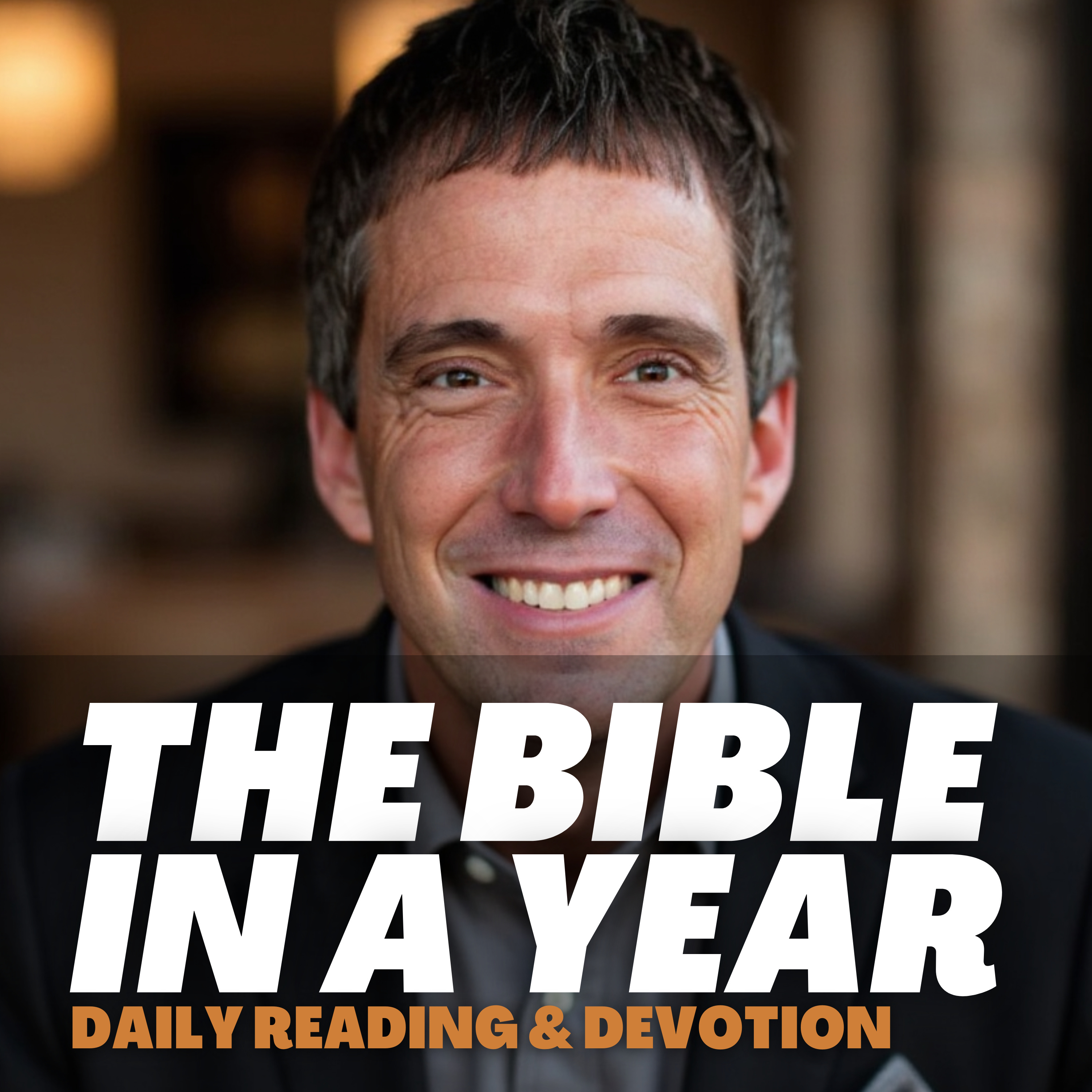
The Bible in a Year: Daily Reading & Devotion
by Kevin Harrison
Bible in a Year: Daily Reading & Devotion invites you to read and listen through the entire Bible in one year, one day at a time, without falling behind or feeling overwhelmed. Each episode features that day’s Scripture reading from the Fusion Bible, created by Kevin Harrison, followed by a focused three-minute devotional that helps you understand what you read and apply it to real life. Kevin serves as President of Mosaic Christian College and guides listeners with a pastoral, practical approach to Scripture, helping God’s Word shape everyday faith, one day at a time.
-
165
August 18 | Remember That You Are IN Christ
Today’s reading from Psalm 100–102 and 1 Corinthians 1 invites us to reflect on where our identity, confidence, and perspective are being formed. Both passages turn our attention away from the measurements and pressures surrounding us and toward the reality of who God is and what He has already provided, reminding us that spiritual formation happens as we repeatedly learn to see our lives through His faithfulness rather than through circumstances.In Psalm 100–102, worship, dependence, and honest prayer create a rhythm that keeps bringing the heart back to God. Praise reminds God’s people who they belong to, obedience flows from that identity, and even moments of distress are brought into God’s presence rather than allowed to become the final definition of life. These psalms form a steady posture of remembering who God is when circumstances could easily distort what we see.In 1 Corinthians 1, Paul speaks to believers who were being shaped by cultural ideas about wisdom, strength, status, and significance. He redirects their awareness toward the cross and reminds them of their calling, ultimately telling them that they are in Christ Jesus. Their identity is not something they must manufacture through achievement or recognition because Christ has already become for them wisdom, righteousness, sanctification, and redemption.Together, these passages invite us to notice the lenses through which we have learned to view ourselves and our circumstances. They remind us that formation often begins with awareness, especially when we discover that we have been living beneath the weight of assumptions that no longer define us. As we remain present to God’s Word, we learn over time to see ourselves less through what surrounds us and more through what God has already made true in Christ.
-
164
August 17 | Partners in the Faith
Today’s reading from Psalm 97–99 and Romans 16 invites us to consider what it means to belong to a people who share in God's worship and work. Both passages move our attention away from individual importance and toward a life formed over time by recognizing God as King, seeing ourselves as part of His people, and valuing the faithful contributions of others.In Psalms 97–99, the repeated declaration that the Lord reigns creates a rhythm of worship, reverence, obedience, and identity. God’s people are reminded again and again that He is holy, righteous, just, and worthy of praise. That repeated rhythm forms them by locating their identity not in individual recognition, but in belonging to a people whose life is centered on the reign and character of God.In Romans 16, Paul closes his letter by naming people who served the gospel in remarkably different ways. Some opened their homes, some worked tirelessly, some endured imprisonment, some supported others, some became like family, and some are remembered only by name. Paul’s greetings invite us to become more aware of the many people God uses and to recognize that our calling is always lived within a larger community of faithful partners.Together, these passages invite us to reflect on how God forms His people through shared worship, shared service, and shared faithfulness. They encourage us to notice the people around us whose contributions may never receive much attention and to consider how our understanding of significance changes when we see the work of God as something carried by the whole body of Christ.
-
163
August 16 | Keep Your Heart Turned Toward the Lost
Today’s reading from Psalm 94–96 and Romans 15:14–33 invites us to think about the movement of God’s truth beyond ourselves. Both passages remind us that God’s people are formed over time not merely to receive His goodness, but to live with an awareness that His glory and His salvation are meant to be known among people who have not yet recognized Him.In Psalms 94–96, worship becomes something larger than personal encouragement. God’s people are called to remember who He is, walk faithfully before Him, and declare His glory among the nations. The rhythm of worship shapes identity by reminding God’s people that belonging to Him also changes how they see the world around them.In Romans 15, Paul describes a calling that keeps drawing him toward people who have not heard about Christ. His ambition is not simply to strengthen an existing platform or gather believers around himself. His awareness remains fixed on places where Jesus is not yet known, revealing how deeply the gospel has shaped the direction of his life.Together, these passages invite us to consider whether our experience of Christianity has gradually turned inward. They ask us to notice whether our hearts still recognize the people around us who do not know Jesus, and whether the good news that has formed us is continuing to shape the way we see those who have not yet heard.
-
162
August 15 | You're Safe
Today’s reading from Psalm 91–93 and Romans 15:1–13 invites us to consider where our sense of security comes from and how life changes when our confidence is rooted in God's presence and faithfulness. Both passages remind us that spiritual formation happens over time as we learn to trust God, remain aware of His presence, and allow that security to shape the way we relate to the people around us.In Psalm 91, the writer describes the steady rhythm of choosing to live close to God and finding shelter in His care. The Psalm does not ignore danger, sickness, fear, or trouble, but it forms an identity rooted more deeply than circumstances. Over time, trust becomes a way of living as God’s people learn that His presence remains dependable even when life feels uncertain.In Romans 15, Paul turns that inward security outward by calling believers to bear with one another, pursue unity, welcome one another, and become people whose lives are increasingly shaped by hope. Our response to others reveals what has been forming within us, and Paul reminds us that awareness of God’s grace changes the way we carry responsibility, difference, and weakness within the community of faith.Together, these passages invite us to reflect on where we look for safety and what that security is producing within us. They encourage us to notice whether fear, uncertainty, or disappointment has quietly shaped our posture toward God and others, and to consider what it means to become people who rest more deeply in His presence over time.
-
161
August 14 | Think About Others
Today’s reading from Psalm 89–90 and Romans 14 invites us to reflect on how a life centered on God gradually reshapes the way we see ourselves and the people around us. Across these passages, formation happens as we remember who God is, recognize the limits of our own perspective, and learn to live with a growing awareness that our lives are connected to others.In Psalm 89–90, we encounter the enduring faithfulness of God alongside the brevity and limitations of human life. These psalms create a rhythm of remembrance, humility, and dependence that reminds God’s people that their identity is rooted in Him, not in their ability to control every circumstance or understand everything they experience.In Romans 14, Paul addresses believers who hold different convictions about food and sacred days, and he refuses to allow those differences to become reasons for judgment or contempt. Instead, he calls believers to remember that they belong to the Lord and to become increasingly aware of how their choices, freedoms, and attitudes affect the faith of the people around them.Together, these passages invite us to reflect on the kind of people we are becoming as God forms us over time. They ask us to notice whether our convictions are producing greater humility, patience, and awareness, and to consider whether love for another person sometimes matters more than exercising every freedom we possess.
-
160
August 13 | Submitting to Authority
Today’s reading from Psalm 87–88 and Romans 13 invites us to reflect on how faith is formed when we are living within circumstances, structures, and realities we did not choose. These passages approach that tension from very different directions, but together they remind us that spiritual formation happens over time as we learn to trust God when our environment is not completely under our control.In Psalm 87–88, we encounter both the security of belonging to God and the painful honesty of remaining faithful when life feels dark. These psalms remind us that identity is formed through the repeated rhythm of returning to God, whether we are celebrating His faithfulness or bringing Him questions we cannot resolve. Obedience does not require pretending that every circumstance feels good; it means continuing to locate our identity in God.In Romans 13, Paul asks believers to consider their response to governing authorities and the posture developing within them as they live under people who may not share their convictions. His words call attention to respect, conscience, submission, and the awareness that our response to authority is also part of our Christian formation and calling.Together, these passages invite us to notice what happens inside us when circumstances or authorities move in directions we would not choose. They encourage us to reflect on whether resistance, fear, anger, trust, humility, or confidence in God is slowly becoming the posture that shapes the way we live.
-
159
August 12 | Keep Placing Your Life Before God
Today’s reading from Psalm 84–86 and Romans 12 invites us to consider what it means to keep placing our lives before God and allowing His presence and Word to shape who we are becoming. Both passages draw our attention toward a life centered on God, where formation happens gradually as our hearts, desires, thoughts, and identity are continually brought before Him.In Psalms 84–86, we encounter the rhythm of people whose hearts continually return toward God. There is longing for His presence, dependence upon His direction, and an awareness that life makes sense when God remains at the center. These Psalms remind us that obedience and identity develop through a steady rhythm of returning, listening, trusting, and allowing our desires to become increasingly aligned with God.In Romans 12, Paul describes that same posture through the language of becoming a living sacrifice. Rather than being pressed into the patterns surrounding us, we are invited to remain open to the renewing work of God within our minds. Our response to God's kindness becomes an ongoing surrender in which we gradually learn to recognize what He desires and allow that understanding to shape the people we are becoming.Together, these passages invite us to reflect on what has been forming us lately and where our attention has been resting. They remind us that discipleship is not simply about a single moment of surrender, but about continuing to place our lives before God with enough openness, awareness, and trust to let Him shape us over time.
-
158
August 11 | God Is Watching
Today’s reading from Psalm 81–83 and Romans 11:19–36 invites us to reflect on the reality that God remains fully aware of His people, their choices, and the ways power and responsibility are used. Both passages remind us that spiritual formation includes learning to live with a growing awareness that God sees clearly, judges rightly, and remains faithful even when circumstances seem unresolved.In Psalm 81–83, Israel is repeatedly confronted with the importance of listening to God, walking in obedience, and remembering who they are under His authority. Psalm 82 places particular attention on leaders who had been entrusted with responsibility but distorted justice, reminding God’s people that authority was never meant to serve personal advantage and that every leader ultimately stands accountable before Him.In Romans 11, Paul warns Gentile believers not to become arrogant about their place in God’s redemptive work. Their response should be marked by humility, awareness, and gratitude because they stand by faith rather than personal superiority. Paul’s words remind us that calling should never produce pride, but should continually form a posture of dependence on the mercy and wisdom of God.Together, these passages invite us to reflect on what it means to live knowing that God sees what is happening around us and within us. They encourage us to remain aware of His presence when injustice seems unresolved, to resist the temptation to believe power removes accountability, and to trust that the God whose wisdom is beyond our understanding remains attentive to every person, every decision, and every hidden place.
-
157
August 10 | You Are God’s Remnant
Today’s reading from Psalm 79–80 and Romans 11:1–18 invites us to consider what it means for God to preserve His people in seasons when loss, spiritual decline, and uncertainty seem to dominate the landscape. Both passages remind us that God’s faithfulness is not measured only by what we can presently see, and that His people are formed over time by returning to Him, trusting His grace, and remembering His covenant faithfulness.In Psalm 79–80, God’s people are looking at devastation and asking Him to restore what appears broken. Their prayers emerge from a place where identity, worship, and national life have all been shaken, yet they continue turning toward God. That rhythm of lament, dependence, and remembrance reveals a people whose identity is still tied to the God who called them, even when their circumstances make His purposes difficult to understand.In Romans 11, Paul addresses the question of whether God has rejected Israel and points back to Elijah, who believed he was the only faithful person remaining. God reminds Elijah that He has preserved thousands who have not bowed to Baal, and Paul uses that moment to explain that there is still a remnant chosen by grace. The passage invites awareness of God’s hidden work and reminds us that calling and preservation begin with grace rather than human achievement.Together, these passages invite us to notice the places where life and faithfulness remain even when much of the surrounding landscape appears spiritually dry. They encourage us to reflect on the quiet ways God continues forming people through His Word, preserving faithful communities, and reminding us that His work is often much larger than what we can immediately see.
-
156
August 9 | How to Have Beautiful Feet
Today’s reading from Psalm 77–78 and Romans 10 invites us to consider how the truth of God moves from one generation and one person to another. Both passages remind us that faith is formed over time as we remember what God has done, speak about His faithfulness, and remain attentive to the truth we have received.In Psalm 77–78, God’s people are repeatedly called to remember His works and refuse the forgetfulness that caused earlier generations to wander. The psalmist looks back at God’s faithfulness, rehearses His mighty acts, and emphasizes the responsibility of telling the next generation so that obedience and identity continue to be shaped by remembering who God is.In Romans 10, Paul turns our attention toward the way people hear and respond to the gospel. Faith involves calling on the Lord, but Paul reminds us that calling begins with hearing, hearing requires someone to speak, and speaking grows from the calling to carry the good news of Jesus into the lives of others.Together, these passages invite us to reflect on what we have received and what we are carrying forward. They remind us that God’s truth is meant to be remembered, treasured, and shared, and they invite us to notice how our own lives are being formed into places where His good news can continue moving toward others.
-
155
August 8 | Judgment Is Coming
Today’s reading from Psalm 74–76 and Romans 9:16–33 invites us to consider what happens inside us when God’s justice seems delayed. Both passages confront the limits of human perspective and remind us that spiritual formation includes learning to trust God’s character even when His timing, decisions, and purposes remain difficult for us to understand.In Psalm 75, God’s people are reminded that arrogance, power, and apparent success never place anyone beyond God’s authority. The psalm establishes a steady rhythm of gratitude and trust because God Himself determines when judgment comes, who rises, and who falls. That truth forms an identity rooted not in immediate circumstances, but in confidence that God continues to govern justly.In Romans 9, Paul confronts the human tendency to evaluate God’s choices according to our own expectations of fairness and control. His words call us toward humility, awareness, and a willingness to recognize that God’s purposes extend beyond what we can presently understand, while still inviting a genuine response of faith.Together, these passages invite us to reflect on what happens within us when justice does not arrive quickly. They encourage us to notice our impatience, our assumptions, and our desire for immediate resolution, while slowly learning to trust that God sees completely, judges fairly, and remains faithful even when we are still waiting.
-
154
August 7 | How Justice and Peace are Related
Today’s reading from Psalm 72–73 and Romans 9:1–15 invites us to reflect on the justice, mercy, and sovereign character of God. Both passages reveal that spiritual formation happens over time as we learn to trust God’s character, recognize the weight of His authority, and allow His concerns to reshape our own.In Psalm 72–73, Israel’s worship teaches God’s people to view leadership, prosperity, suffering, and justice through the character of God. The righteous king is called to protect the vulnerable, rescue those in need, and use authority for the good of others, while the worshiper learns to remain grounded in God’s presence when the apparent success of the wicked creates confusion.In Romans 9, Paul responds to Israel’s spiritual condition with deep sorrow rather than detached argument. His words reveal an awareness of God’s calling, mercy, and freedom, while also showing how a heart shaped by God continues to grieve for people who remain separated from His promises.Together, these passages invite us to consider how God’s justice and mercy are shaping our awareness. They encourage us to notice whose suffering captures our attention, how we respond when God’s ways remain difficult to understand, and whether our lives are gradually reflecting His concern for truth, righteousness, and vulnerable people.
-
153
August 6 | Victory Rests in Christ’s Love
Today’s reading from Psalm 70–71 and Romans 8:22–39 invites us to reflect on what it means to remain grounded in God when life includes waiting, weakness, opposition, and uncertainty. Both passages reveal that lasting confidence is formed over time as we learn to depend upon God’s presence rather than measuring our lives only by visible outcomes.In Psalm 70–71, the psalmist repeatedly turns toward God as his help, refuge, and source of hope. The rhythm of honest prayer reveals an obedience that keeps returning to God across changing seasons, while the psalmist’s identity is gradually shaped by the conviction that God has remained faithful throughout his life.In Romans, Paul acknowledges the groaning of creation, the weakness of human experience, and the pressures that can make believers feel defeated. His response is not denial but a deeper awareness of God’s intercession, purpose, and unbreakable love, reminding us that our calling is lived within a relationship that suffering cannot destroy.Together, these passages invite us to consider how we define victory, where we look for reassurance, and whether our confidence rests in changing circumstances or in the enduring love of God. They encourage us to reflect upon the quiet ways trust is being formed as we continue returning to God through every season.
-
152
August 5 | Stop Condemning Yourself
Today's reading from Psalms 68-69 and Romans 8:1-21 invites us to reflect on where we find our identity and how God forms us through His presence rather than through the labels the world places upon us. Both passages remind us that God is our defender, our deliverer, and the One who speaks the final word over our lives.In Psalms 68 and 69, David celebrates God as the One who rescues the vulnerable, defends the oppressed, and remains faithful even in the midst of suffering and rejection. These psalms reveal that our confidence is rooted not in how others see us, but in the steadfast character of God who never abandons His people.In Romans 8, Paul declares that there is now no condemnation for those who are in Christ Jesus because God has accomplished through His Son what the Law could never accomplish. Life in the Spirit is no longer defined by guilt or failure, but by a new identity grounded in Christ's finished work and God's continuing presence.Together, these passages invite us to consider whose voice is shaping the way we see ourselves. As we return to God's Word day after day, He gently forms us to live from the freedom of His grace rather than from the condemnation of our past or the labels of others.
-
151
August 4 | The Heart Behind the Law
Today’s reading from Psalm 66–67 and Romans 7 invites us to consider the heart behind God’s instruction and the way His Word forms our understanding over time. These passages remind us that God’s commands are not disconnected rules, but part of His work of shaping a people who trust Him, reflect His character, and recognize their need for His grace.In Psalm 66–67, God’s people remember His mighty works, respond with worship, and ask for His blessing so that His ways may be known throughout the earth. Their obedience is rooted in identity and rhythm as they remember who God is, what He has done, and how their lives are meant to reveal His goodness to the nations.In Romans 7, Paul explains that the law is holy, just, and good, yet it exposes the sin already at work within the human heart. The command reveals what we often fail to notice, making us aware of our resistance and showing us that knowing what is right is not the same as having the power to live it.Together, these passages invite us to reflect on how we receive God’s instruction. They ask us to notice where we see only restriction, where we assume we know better, and how trust is slowly formed as we learn to recognize the wisdom and love behind what God says.
-
150
August 3 | When Sin Calls, You Don’t Have to Answer
Today’s reading from Psalm 63–65 and Romans 6 invites us to reflect on what holds our attention and shapes our inner lives. Both passages show that spiritual formation happens over time as we learn to recognize God's voice, rest in His presence, and understand our new identity in Him.In Psalm 63–65, David repeatedly turns his attention toward God through longing, remembrance, prayer, praise, and trust. His circumstances do not always change immediately, but his heart is continually reoriented through the rhythm of seeking God, remembering His faithfulness, and resting in the truth of who God is.In Romans 6, Paul reminds believers that they have been united with Christ in His death and resurrection. Sin may still call, temptation may still appear, and old patterns may still feel familiar, but believers are no longer required to answer because sin is no longer their master. They are called to become increasingly aware that they are dead to sin’s authority and alive to God.Together, these passages invite us to consider which voices receive our attention and how the steady practices of Scripture, prayer, remembrance, and worship shape us over time. They remind us that we do not have to respond to every old pattern that calls and that our deepest identity is now found in the life we have received through Christ.
-
149
August 2 | When Defeat Clouds Your Vision
Today's reading from Psalm 60–62 and Romans 5 reminds us that defeat has a way of shaping how we see our circumstances, ourselves, and even God. Yet throughout Scripture, the Lord continually calls His people to anchor their confidence in His unchanging character rather than in changing circumstances.In Psalm 60, David writes after Israel experienced a painful military setback while fighting battles on multiple fronts. Although the nation felt abandoned, God reminded His people that His covenant, His authority, and His rule over every nation had never changed. Their circumstances were shaken, but their God was not.As we read these passages together, we're invited to remember that disappointment does not define God's faithfulness. Even in seasons where life feels uncertain, He remains our ʿezer, our help, and the One who is able to strengthen His people when their own strength is gone.
-
148
August 1 | Justification: Stop Trying to Earn It
Today's reading from Psalm 57-59 and Romans 4 reminds us that God is both our refuge in times of trouble and the One who graciously declares us righteous through faith. Together, these passages invite us to grow in confidence, not in ourselves, but in God's faithful character and His gracious provision.In Psalm 57-59, David repeatedly turns to God while surrounded by enemies and uncertainty. Rather than relying on his own strength, he finds refuge in God's steadfast love, trusting that the Lord sees his circumstances and will act in His perfect time. These psalms shape our hearts to depend on God's protection instead of our own abilities.In Romans 4, Paul points to Abraham as the example of faith, showing that righteousness has always come through trusting God's promise rather than earning His approval through works. Through Jesus' death and resurrection, God freely justifies those who believe, giving them a right standing with Him as a gift of grace.Together, these passages invite us to rest in God's faithfulness rather than striving to secure His acceptance. As we continue returning to His Word each day, He forms in us a deeper confidence that our hope has always rested in Him and never in ourselves.
-
147
July 31 | Receiving Righteousness
Today’s reading from Psalm 54–56 and Romans 3 invites us to reflect on what it means to depend on God for what we cannot provide for ourselves. Both passages show how faith is formed over time as we learn to move away from self-reliance and place our confidence in God’s character, faithfulness, and grace.In Psalm 54–56, David brings fear, betrayal, danger, and uncertainty honestly before God. His prayers reveal a steady rhythm of crying out, remembering God’s faithfulness, and allowing trust to shape his identity even while the pressures surrounding him remain unresolved.In Romans 3, Paul explains that every person has sinned and fallen short of God’s glorious standard. Righteousness cannot be earned through law, morality, religious effort, or personal achievement, but is given freely by God through faith in Jesus Christ.Together, these passages invite us to reflect on where we continue trying to produce what only God can provide. They ask us to notice whether our confidence rests in our performance or in God’s grace, and to consider what it means to receive righteousness as a gift rather than treating it as something we must earn.
-
146
July 30 | Do-Overs
Today’s reading from Psalm 51–53 and Romans 2 brings us face-to-face with sin, judgment, repentance, and the patient work of God within the human heart. Both passages remind us that spiritual formation doesn’t happen through appearances, excuses, or comparison, but through an honest response to what God reveals over time.In Psalm 51, David stops defending himself and asks God to create a clean heart within him. His prayer reveals a rhythm of confession, cleansing, renewal, and restored obedience, reminding us that our identity isn’t secured by hiding failure but by returning honestly to the God who continues forming us.In Romans 2, Paul warns against recognizing sin in others while remaining unaware of the same patterns within ourselves. God’s kindness is meant to lead us toward repentance, calling us to greater awareness of our own hearts rather than using truth primarily to evaluate everyone around us.Together, these passages invite us to reflect on the places where we may want to erase the past, defend our choices, or avoid what has been exposed. They remind us that while we can’t undo what has happened, we can remain open to the creating and renewing work God still desires to accomplish within us.
-
145
July 29 | Don't Settle for the Counterfeit
Today's reading from Psalm 49-50 and Romans 1 invites us to consider the difference between what God creates and what humanity attempts to recreate apart from Him. Both passages remind us that true life is found in trusting the Creator rather than placing our confidence in ourselves, our possessions, or the substitutes that so easily capture our attention.In Psalm 49-50, the psalmist reminds us that wealth, status, and religious activity cannot replace genuine trust and worship. God desires hearts that recognize His authority and respond with gratitude, reminding His people that everything they have ultimately belongs to Him.In Romans 1, Paul explains how humanity's rejection of God begins with exchanging truth for a lie. Rather than worshiping the Creator, people begin worshiping created things and gradually embrace distorted versions of God's good design. The passage reveals that evil rarely invents something new. Instead, it counterfeits what God has already made good.Together, these passages invite us to reflect on where we may be trusting substitutes instead of the Creator. They encourage us to slow down, recognize the goodness of God's design, and allow His truth to shape the way we see the world and ourselves.
-
144
July 28 | Making Room for Healing
Today's reading from Psalms 46-48 and Acts 28 reminds us that God is our refuge in every season and that His work often begins when we make room for His presence. Both passages invite us to consider how trust, openness, and steady dependence on God shape our lives over time.In Psalms 46-48, we are reminded that God remains our strength and security even when the world around us feels unstable. These songs call us to be still, remember His faithfulness, and anchor our identity in His unchanging presence rather than our changing circumstances.In Acts 28, Paul arrives on Malta after the shipwreck and experiences both misunderstanding and unexpected favor. When Publius welcomes Paul into his home, God uses that act of hospitality to bring healing first to his father and then to many others on the island, reminding us that making room for God's work often opens the door for His blessing.Together, these passages invite us to reflect on what may be occupying the space God wants to fill. As we continue returning to His Word each day, He gently forms us by teaching us to trust Him enough to let go of what no longer belongs and make room for His restoring work.
-
143
July 27 | Trusting God in the Suspense
Today's reading from Psalm 43-45 and Acts 27:27-44 reminds us that much of life is lived without knowing what comes next, yet God is never surprised by the chapters that leave us feeling uncertain. These passages invite us to become people who trust God's character even when we can't yet see His purposes unfolding.In Psalms 43-45, the psalmists move between longing, worship, and confident hope. They continue to seek God, remember His faithfulness, and anchor their identity in His steadfast love even while waiting for Him to act. Their words reveal that trust is formed through a steady rhythm of turning our hearts toward God.In Acts 27, Paul and the others aboard the ship endure days of uncertainty before finally reaching land. Although the ship is destroyed, God's promise is fulfilled exactly as He said it would be. Their survival comes as they remain obedient to God's instructions through Paul, even when the outcome is still hidden from them.Together, these passages encourage us to reflect on how we respond when life feels uncertain. Rather than demanding to know the ending, we are invited to trust the Author of the story, allowing His faithfulness to shape our hearts one chapter at a time.
-
142
July 26 | The Lord Will Protect You
Today’s reading from Psalm 40–42 and Acts 27:1–26 invites us to consider where we look for security when life becomes uncertain. Both passages show people facing circumstances they can’t fully control, and they remind us that trust is formed over time as we learn to depend on God rather than the things we normally use to steady ourselves.In the Psalms, David moves through waiting, weakness, betrayal, discouragement, and renewed hope. Psalm 41 describes the Lord as the One who protects and sustains His people, forming an identity rooted not in comfort or public approval, but in the steady care of God.In Acts 27, Paul travels through increasingly dangerous conditions while others around him struggle to understand how they should respond. Paul remains aware of God’s presence and calling, even when the journey becomes threatening, and the outcome appears uncertain.Together, these passages invite us to reflect on what we’ve been depending on to carry the weight of our lives. They remind us that jobs, success, health, relationships, and recognition may change, but God remains present, attentive, and faithful.
-
141
July 25 | Telling Your Story
Today’s reading from Psalm 37–39 and Acts 26 invites us to reflect on the stories our lives are telling and how faith is formed as we learn to recognize God’s presence across changing circumstances. Both passages reveal people looking honestly at their experiences and finding language for the ways God has sustained, corrected, and directed them over time.In Psalms 37–39, David reflects on injustice, waiting, weakness, sin, and the brevity of life. His words reveal a steady rhythm of bringing his full experience before God rather than hiding it, allowing trust and obedience to shape his identity even when his circumstances remain unresolved.In Acts 26, Paul stands before King Agrippa and responds to the accusations against him by sharing his testimony. He explains who he was, how Jesus met him, and how that encounter gave him a new calling, showing an awareness that his story is ultimately a witness to the grace and purpose of Christ.Together, these passages invite us to consider the story that has been forming through our own lives. They encourage us to notice where God has met us, how He has shaped us, and what it means to speak about His work with honesty, humility, and Jesus at the center.
-
140
July 24 | Trust God With Justice
Today's reading from Psalm 35–36 and Acts 25 reminds us that God's people are not immune from injustice, but they are never outside of God's care. Both passages encourage us to entrust our lives to the Lord, whose justice is perfect and whose faithfulness remains constant even when earthly systems fail.In Psalm 35, David cries out to God while facing false accusations and relentless opposition. Rather than seeking personal revenge, he places his case before the righteous Judge and finds hope in God's promise to vindicate those who trust Him.In Acts 25, Paul stands before another unjust hearing, facing political pressure and false accusations. Though human leaders fail to act with integrity, Paul continues to trust God's sovereign purpose while faithfully bearing witness to Christ.Together, these passages invite us to remember that justice ultimately belongs to God. As we continue walking with Him, He forms hearts that can remain faithful, patient, and confident even when life doesn't seem fair.
-
139
July 23 | You Have a Reason to Praise the LORD
Today’s reading from Psalm 33–34 and Acts 24 invites us to consider where our attention rests when life becomes uncertain or repetitive. Both passages show how a steady awareness of God’s character forms us over time, allowing praise, integrity, and trust to become settled postures rather than temporary responses to favorable circumstances.In Psalm 33–34, praise becomes a rhythm rooted in God's identity and faithfulness. David’s words emerge from fear and vulnerability, yet he chooses to remember God’s goodness, speak openly of His deliverance, and invite others to exalt the LORD with him. His experience reveals that praise is formed as we repeatedly turn our attention from ourselves toward the One who hears, protects, and remains close.In Acts 24, Paul stands before Governor Felix and responds to serious accusations with patience, clarity, and a clear conscience. His circumstances remain unresolved, but his calling hasn’t changed. Paul’s response reflects an inner life shaped by sustained faithfulness, allowing him to remain aware of God’s purposes even while facing delay and uncertainty.Together, these passages invite us to reflect on what occupies our attention during long, ordinary, or difficult seasons. They remind us that every breath offers another opportunity to recognize God’s presence and that a life of praise is formed as we learn to notice His goodness along the entire journey.
-
138
July 22 | Stop Living Under Guilt
Today's reading from Psalm 31–32 and Acts 23:16–35 reminds us that God is both our refuge and our Redeemer. Whether we are weighed down by guilt or surrounded by uncertainty, He is continually at work, shaping our trust through His faithful care and His gracious forgiveness over time.In Psalm 31–32, David moves from distress to joy as he discovers the freedom that comes through honest confession. Rather than hiding his sin, he brings it before the Lord and experiences the relief of having the burden lifted. These psalms remind us that God's forgiveness restores not only our relationship with Him but also the peace within our hearts.In Acts 23, Paul finds himself at the center of a dangerous conspiracy, yet God quietly protects him through unexpected people and ordinary circumstances. The Lord's guidance is evident even when Paul cannot see the entire path ahead, demonstrating that God's purposes continue to unfold through His faithful provision.Together, these passages invite us to slow down and remember that God removes the burdens we confess and faithfully guides the lives we entrust to Him. As we continue returning to Him day after day, He forms hearts that know both the freedom of forgiveness and the confidence of His care.
-
137
July 21 | God Is Speaking in Your Storm
Today’s reading from Psalm 29–30 and Acts 23:1–15 invites us to reflect on how we remain attentive to God when life becomes loud, unstable, or threatening. Both passages show people surrounded by forces they cannot control, and they remind us that formation happens over time as we learn to hear God’s voice and remain grounded in His presence.In Psalm 29, the voice of the LORD is heard over the waters, through thunder, lightning, wind, and shaking ground. The repeated name of the LORD becomes a steady rhythm that shapes the identity of God’s people, reminding them that obedience and worship begin with recognizing who still reigns in the middle of the storm.In Acts 23, Paul stands in the middle of conflict, accusation, and a plot against his life. His response reveals a growing awareness of God’s calling and presence, even when the people around him are divided, and the path ahead is uncertain.Together, these passages invite us to reflect on which voice has our attention when life feels unsettled. They ask us to consider how returning to God’s Word can slowly form a deeper awareness that He is still present, still speaking, and still reigning.
-
136
July 20 | Living with Integrity
Today’s reading from Psalm 26–28 and Acts 22 invites us to consider how integrity is formed when we are misunderstood, examined, or falsely accused. Both passages reveal the tension between what others believe about us and what God knows to be true, while reminding us that a faithful life is shaped through steady trust and honest self-examination over time.In Psalm 26, David asks God to declare him innocent, but he also invites God to test his heart and mind. His prayer reflects a rhythm of trust, examination, and obedience that has shaped his identity before God. Integrity is not presented as perfection, but as a life that keeps returning to God’s truth and allowing Him to realign what has drifted.In Acts 22, Paul responds to accusation by telling the truth about his past, his encounter with Jesus, and the calling he received. He speaks clearly, but the crowd still refuses to listen. His experience reminds us that faithfulness does not guarantee that others will understand us, and that calling sometimes requires us to remain grounded even when explanation does not bring acceptance.Together, these passages invite us to reflect on the condition of our own hearts when our reputation feels threatened. They ask us to notice whether we are more consumed with changing other people’s opinions or with remaining open before God, trusting that He sees clearly and continues forming integrity within us over time.
-
135
July 19 | Trusting the Shepherd
Today’s reading from Psalms 23–25 and Acts 21:18–40 invites us to consider what it means to live under the faithful care and direction of God. Both passages reveal that spiritual formation takes place over time as we learn to trust God’s presence, follow His leading, and remain steady when the path becomes difficult.In Psalms 23–25, David returns again and again to the rhythm of dependence, guidance, confession, and trust. Psalm 23 presents the LORD as the Shepherd who provides, leads, restores, protects, and remains near, shaping the identity of His people as those who belong to Him and live under His faithful care.In Acts 21, Paul enters Jerusalem knowing that tension and danger may be waiting for him. His response is shaped by an awareness of his calling and a willingness to remain faithful even when his motives are misunderstood and the situation quickly becomes hostile.Together, these passages invite us to reflect on where we are being led, how we respond when the path feels uncertain, and whether we are becoming people who trust the presence of God more deeply over time.
-
134
July 18 | Hope Holds in the Middle of Suffering
Today's reading from Psalms 20-22 and Acts 21:1-17 reminds us that hope is not the absence of suffering but the steady confidence that God remains faithful through it. Both passages show believers who face hardship honestly while remaining anchored in the Lord, allowing Him to shape their trust over time.In Psalm 22, David cries out from a place of deep anguish, yet his words become one of the clearest prophetic pictures of Jesus' suffering on the cross. The psalm reminds us that even when God's people feel abandoned, He is still accomplishing His redemptive purposes and remains worthy of our trust.In Acts 21, Paul continues his journey toward Jerusalem even after repeated warnings that suffering awaits him. His willingness to obey God's calling despite the cost demonstrates a faith that is anchored not in comfort, but in confidence that God's purposes are greater than temporary hardship.Together, these passages invite us to reflect on where our hope is anchored. They remind us that suffering is not evidence that God has left us, but an opportunity to discover His faithfulness in deeper ways as He forms our hearts to trust Him.
-
133
July 17 | Entrusting Those We Love to God
Today’s reading from Psalm 18–19 and Acts 20:17–38 invites us to reflect on what it means to trust God as relationships, seasons, and familiar experiences change. Both passages remind us that faith is formed over time as we learn to rely on God’s strength, listen for His direction, and release what we cannot continue holding.In Psalm 18–19, David reflects on God’s faithfulness through danger, deliverance, and the steady revelation of His character. His words reveal a rhythm of dependence shaped through years of trusting God as his rock, protector, and source of strength. That trust became part of David’s identity because he repeatedly experienced God’s presence in uncertain seasons.In Acts 20, Paul meets with the Ephesian elders and prepares them for his departure. He reminds them how he lived, calls them to remain watchful, and entrusts them to God’s grace. His goodbye is filled with tears, prayer, affection, and awareness that his calling is leading him forward even though leaving those he loves is deeply painful.Together, these passages invite us to reflect on the people and seasons we may be struggling to let go of. They remind us that saying goodbye does not mean love has ended, but that we are learning to place what matters most into the faithful care of God.
-
132
July 16 | Rest in Your Father's Protection
Today's reading from Psalm 16-17 and Acts 20:1-16 invites us to reflect on the confidence that grows when we learn to trust God's faithful care. Both passages remind us that our lives are formed not by the absence of difficulty, but by the steady presence of God as we continue walking with Him.In Psalm 16-17, David expresses deep confidence in the Lord even while surrounded by danger. His prayer for God to guard him as the apple of His eye reveals a heart that has learned to depend on God's faithful protection rather than his own strength. David's trust was formed over years of walking with God through both peace and adversity.In Acts 20, Paul continues his missionary journey with remarkable purpose and perseverance. Even as he faces uncertainty about what lies ahead, he remains committed to encouraging believers and faithfully completing the work God has entrusted to him. His life reflects quiet confidence that God's hand is guiding each step.Together, these passages invite us to slow down and remember that our Heavenly Father has never stopped watching over His children. As we continue returning to His Word each day, we are gradually formed into people who trust His care even when we cannot yet see how He is working.
-
131
July 15 | Don't Mistake Volume for Truth
Today's reading from Psalm 13-15 and Acts 19:21-41 invites us to consider the difference between the loud voices of the world and the steady truth of God's Word. Both passages remind us that spiritual formation happens as we learn to trust God's perspective rather than being shaped by fear, pressure, or popular opinion.In Psalm 13-15, David honestly brings his questions, fears, and desires before the Lord while also reflecting on the kind of life that dwells in God's presence. These psalms remind us that faith is formed through honest dependence on God and a growing commitment to walk in integrity before Him.In Acts 19, the gospel begins transforming lives in Ephesus, exposing the false security people had placed in the worship of Artemis. As the truth threatens their idols and their livelihoods, a chaotic crowd attempts to drown out the message through sheer volume. Yet the noise of the crowd cannot change the reality of God's truth.Together, these passages invite us to notice which voices are shaping our hearts. As we continue returning to God's Word day after day, we learn to recognize His voice above the noise and allow His truth to quietly form us into people who faithfully follow Christ.
-
130
July 14 | Trust God When Life Shakes
Today’s reading from Psalms 10–12 and Acts 19:1–20 invites us to consider what happens when the world around us feels unstable and uncertain. Both passages remind us that spiritual formation doesn't come from pretending life is easy, but from learning to trust God steadily as we walk through seasons of opposition, confusion, and change.In Psalms 10–12, David wrestles honestly with injustice, evil, and the feeling that the foundations of society are giving way. Yet in the middle of those questions, he anchors himself in the unchanging character of God. Rather than allowing fear to define his perspective, he chooses to remember that the Lord is still on His throne, faithfully seeing, judging, and preserving His people through every generation.In Acts 19, the gospel begins reshaping lives in Ephesus as people respond to Christ with genuine repentance and growing spiritual awareness. Old ways of living are left behind, hidden practices are brought into the light, and the message of Jesus continues to spread with quiet but undeniable power. The passage reminds us that lasting transformation happens as God's truth steadily reshapes our hearts over time.Together, these passages invite us to reflect on where our confidence is rooted when life feels unsettled. They encourage us to remember that while circumstances may shift and foundations may seem to shake, God's presence remains constant, forming in us a deeper trust that grows stronger as we continue walking with Him.
-
129
July 13 | Formed Through Others
Today’s reading from Psalm 7–9 and Acts 18 invites us to notice how God forms His people through trust, shared responsibility, and the presence of others. Both passages show that faith develops over time as we learn to depend on God while receiving the support, wisdom, and encouragement He provides through community.In Psalms 7–9, David repeatedly turns to God as his refuge, defender, and righteous judge. This steady rhythm of prayer shapes his identity by teaching him to bring fear, opposition, gratitude, and praise before God rather than carrying those burdens alone or responding entirely from his own strength.In Acts 18, Paul, Priscilla, Aquila, and Apollos each respond to God’s calling through different gifts and responsibilities. Priscilla and Aquila help Apollos understand the way of God more accurately, and Apollos receives their guidance with enough humility to continue growing and become an even greater help to other believers.Together, these passages invite us to reflect on the people God has placed around us and the ways those relationships may be shaping our faith. They remind us that formation is deeply personal, but it was never intended to happen in isolation.
-
128
July 12 | Mercy in the Pain
Today’s reading from Psalm 4–6 and Acts 17:16–34 invites us to reflect on mercy, suffering, and the way God forms His people when life feels heavy or uncertain. Both passages remind us that formation often happens as we, over time, learn to bring our weaknesses, questions, and longing before God with honesty.In the Psalms, David gives language to distress, prayer, and dependence, showing us rhythms of crying out to God while remaining rooted in His character. Psalm 6 especially reveals an identity shaped not by strength or control, but by the humble willingness to ask for mercy in the middle of agony.In Acts, Paul stands in Athens surrounded by spiritual confusion and responds with awareness, patience, and clarity. His calling is expressed not through anger or contempt, but through a faithful invitation for people to know the God who is near, merciful, and not far from any of us.Together, these passages invite us to notice where we are weak, troubled, or spiritually unsettled. They ask us to reflect on whether we are willing to receive God’s mercy in pain and to let that mercy slowly shape how we see ourselves, others, and God.
-
127
July 11 | God Is Still Your Shield
Today’s reading from Psalm 1–3 and Acts 17:1–15 invites us to reflect on how God forms trust in His people when opposition, misunderstanding, and pressure surround them. Both passages remind us that victory is not always first seen in changed circumstances, but in the steady formation of identity, rhythm, and confidence before God.In the Psalms, we enter the prayer book of God’s people, where worship, grief, fear, obedience, and hope are brought honestly before the Lord. Psalm 3 especially shows David learning to remember who God is while facing betrayal, danger, and public shame, allowing his identity to be held by God rather than defined by defeat.In Acts, Paul and Silas continue proclaiming Christ while facing resistance from those who reject their message. Their calling requires awareness, discernment, and perseverance as they move from city to city, trusting that God is still working even when opposition rises.Together, these passages invite us to sit with the places where life feels exposed or uncertain. They ask us to notice what voices are shaping our sense of defeat, and to remember that God remains our shield even before the battle feels resolved.
-
126
July 10 | Praise Before the Pain Passes
Today’s reading from Job 41–42 and Acts 16:24–40 invites us to reflect on how faith is formed in places of pain, limitation, and unanswered questions. Both passages remind us that worship is shaped not only in moments of relief but also in the slow formation of trust when life feels confusing, unjust, or heavy.In Job, we see a man who has suffered deeply and is brought face to face with the greatness of God. His story reminds us that obedience and identity are not formed only by explanations, but by learning to remain before God with humility, honesty, and reverence when we do not fully understand.In Acts, Paul and Silas sit wounded in a prison cell, locked in stocks after being publicly beaten without justice. Yet in the middle of their pain, they pray and sing praises to God, showing that praise can become a deliberate response of trust before circumstances change.Together, these passages invite us to consider what rises in us when pain is still present. They ask us to notice where our emotions may be trying to define God for us, and to reflect on what it means to praise Him before the prison doors open.
-
125
July 9 | Trust God When Life Feels Unfair
Today’s reading from Job 38–40 and Acts 16:1–23 invites us to wrestle with one of the hardest questions we face in life: What do we do when life feels unfair? Both passages remind us that following God does not guarantee a life free from hardship, confusion, or injustice. Instead, they invite us to trust God's character even when we cannot understand His purposes. Formation often takes place not when everything makes sense, but when we continue walking with Him through the things we cannot explain.In Job 38–40, God finally answers Job, but He does not begin by explaining Job's suffering. Instead, He asks a series of questions that reveal the vast difference between God's wisdom and human understanding. Job is reminded that the One who created the heavens, established the earth, and governs every part of creation sees a much larger picture than any of us ever could. Rather than receiving the explanation he longed for, Job encounters the greatness of the God who has been present all along. Sometimes God's greatest answer is not an explanation but a reminder of who He is.In Acts 16, Paul and Silas faithfully obey God's leading, deliver a young woman from spiritual bondage, and immediately find themselves falsely accused, publicly beaten, and thrown into prison. Nothing about their circumstances seems fair. They are not suffering because they failed God but because they faithfully served Him. Their experience reminds us that obedience does not always remove hardship. There are moments when doing the right thing still leads to misunderstanding, opposition, or pain. Yet even in those moments, God remains at work in ways that cannot yet be seen.Together, these passages invite us to slow down before concluding that God has abandoned us simply because life feels unfair. They encourage us to remember that our understanding is always limited while God's wisdom is complete. As we continue spending time in His Word each day, He forms within us a deeper trust that is not dependent on having every question answered, but on knowing the One who holds every answer.
-
124
July 8 | How to Handle Conflict
Today’s reading from Job 36–37 and Acts 15:22–41 invites us to reflect on how we respond when we don't have all the answers. Both passages remind us that spiritual formation is shaped by humility, especially when circumstances are confusing, relationships become strained, and our perspective is limited. We grow as we learn to trust God's wisdom more than our own understanding.In Job 36–37, Elihu speaks passionately about the greatness, power, and wisdom of God. Much of what he says about God's majesty is true, yet he also assumes he fully understands why Job is suffering. His words remind us that it is possible to speak truth about God while still misunderstanding what God is doing in a particular situation. The passage calls us to stand in awe of God's greatness while recognizing the limits of our own perspective.In Acts 15, the church experiences a beautiful moment of unity as the believers unanimously affirm Paul and Barnabas and send them out together with encouragement. Yet only a short time later, those same ministry partners become involved in such a sharp disagreement over John Mark that they separate and continue their ministries in different directions. The conflict was real, but God's mission continued through both men, reminding us that even sincere believers sometimes see situations differently.Together, these passages invite us to approach conflict, uncertainty, and disagreement with humility rather than confidence in our own conclusions. They remind us that we rarely see the whole picture, but God always does. As we continue to walk with Him, He forms in us a quiet trust that rests not in having every answer, but in knowing the One who does.
-
123
July 7 | How to Handle Disagreement
Today’s reading from Job 34–35 and Acts 15:1–21 invites us to reflect on how disagreement can reveal what is taking shape within us over time. Both passages show people wrestling with difficult questions, strong opinions, and the need for wisdom that goes deeper than personal reaction.In Job, Elihu continues speaking into Job’s suffering with confidence, correction, and theological claims about God’s justice. His words remind us that even when people speak about God, they can still struggle to understand the full weight of another person’s pain, and that wisdom requires humility, patience, and careful listening.In Acts 15, the early Church faces a serious disagreement over whether Gentile believers must follow the law of Moses in order to be saved. Instead of avoiding the conflict, the apostles and elders gather, listen, debate, remember what God has done, and return to Scripture for direction.Together, these passages invite us to consider how we respond when disagreement surfaces. They ask us to notice whether we rush to defend, avoid, or control the conversation, and to reflect on how God may use honest tension to form patience, humility, and discernment in us.
-
122
July 6 | Pay Attention to What God Is Doing
Today’s reading from Job 32–33 and Acts 14 invites us to slow down and pay attention to the ways God speaks and works, even through people and moments we might otherwise overlook. Both passages remind us that spiritual formation often begins with careful observation before it leads to deeper understanding.In Job 32–33, Elihu enters the conversation after patiently listening to everyone else speak. Whether his conclusions are ultimately right or wrong, his willingness to listen before speaking highlights the importance of attentiveness and reminds us that wisdom often grows through careful observation rather than quick reactions.In Acts 14, Paul notices something others do not. He observes that a man listening to the message has faith for healing, and God works powerfully in that moment. When the crowd tries to give Paul and Barnabas the credit, they immediately redirect the glory to the living God, reminding everyone that He alone is the source of healing and life.Together, these passages invite us to reflect on whether we are moving through life with awareness or distraction. As we learn to notice God's work in His Word, in the lives of others, and in the ordinary moments of each day, He forms in us hearts that are attentive, humble, and ready to recognize His presence.
-
121
July 5 | Expiration Date
Today’s reading from Job 30–31 and Acts 13:26–52 invites us to reflect on suffering, endurance, and the hope that even pain has a limit before God. Both passages remind us that formation often happens over time, especially when life feels unresolved, and we’re learning to trust God before we can see the ending.In Job 30–31, Job continues to wrestle honestly with grief, humiliation, physical pain, and unanswered prayer. His words reveal the deep rhythm of a wounded soul still crying out to God, and they remind us that obedience doesn’t always remove suffering quickly, but it can keep us turned toward God in the middle of it.In Acts 13, Paul proclaims the message of Jesus to people who have to decide how they’ll respond to the good news. Some receive the Word with joy, while others reject it, showing how awareness and calling are formed as people recognize what God’s doing through Christ.Together, these passages invite us to sit with the truth that suffering may be real, but it isn’t ultimate. They call us to reflect on the pain we carry, the hope we need, and the steady confidence that resurrection means even death itself doesn’t get the final word.
-
120
July 4 | Where True Wisdom Is Found
Today's reading from Job 28–29 and Acts 13:1–25 reminds us that while humanity can accomplish remarkable things, true wisdom has always come from God. Both passages point us beyond human achievement and invite us to recognize God's faithful direction throughout history as He forms His people over time.In Job 28, the search for wisdom concludes when Job declares that wisdom cannot be mined, purchased, or discovered through human effort. Only God knows the path to true wisdom, and the fear of the Lord becomes the foundation for living according to His design.In Acts 13, Paul recounts Israel's history and shows that God has been directing His redemptive plan across generations, ultimately fulfilling His promises through Jesus Christ. History is not merely the story of human accomplishment but of God's faithful work unfolding according to His purposes.Together, these passages invite us to reflect on where we seek wisdom. They encourage us to appreciate human knowledge while remembering that lasting wisdom is found only as we humbly return to God and allow His Word to shape our lives day by day.
-
119
July 3 | Believe What You’re Saying
Today’s reading from Job 25–27 and Acts 12 invites us to reflect on the gap that can sometimes exist between what we say and what we truly believe. Both passages remind us that formation happens over time as our words, prayers, convictions, and trust are tested under pressure.In Job, we hear continued wrestling over righteousness, suffering, integrity, and the difficulty of holding steady when life does not make sense. Job’s words reveal a man under pressure who is still trying to remain faithful to what he believes about God, himself, and the truth.In Acts, the church prays sincerely for Peter while living under the fear of real persecution. Yet when God answers and Peter stands at the door, the believers struggle to receive the very answer they had been asking for. Their response reveals how pressure can expose the places where faith and fear coexist.Together, these passages invite us to notice whether we really believe what we’re saying. They ask us to reflect on the words we pray, the vows we make, the convictions we confess, and the patient work of God forming those words into a life of deeper trust.
-
118
July 2 | Don't Hesitate
Today's readings from Job 22–24 and Acts 11 invite us to consider what it means to trust God's work even when we don't immediately understand it. Both passages remind us that faith is often formed through perseverance, humility, and a willingness to follow God's leading without hesitation.In Job 22–24, Job continues to wrestle with his friends' accusations while holding fast to the conviction that God sees what others cannot. Even without immediate answers, he refuses to abandon his pursuit of the Lord, reminding us that faithfulness is not dependent on having every question resolved.In Acts 11, Peter explains why he entered the home of Gentiles and witnessed God's Spirit being poured out on them. Although many Jewish believers initially questioned his actions, Peter recounts how the Holy Spirit instructed him to go "without hesitation," leading the church to recognize that God was extending His gift of salvation beyond what they had expected.Together, these passages invite us to reflect on the places where we may be tempted to hesitate because God's work doesn't unfold according to our expectations. They remind us that spiritual formation often begins by trusting God's leading before we fully understand where He is taking us.
-
117
July 1 | Letting God Reshape Your Perspective for His Purpose
Today's reading from Job 20–21 and Acts 10:24–48 invites us to reflect on the assumptions we carry and the ways God patiently reshapes our understanding over time. Both passages remind us that spiritual formation often requires us to loosen our grip on familiar conclusions so we can see more clearly through the truth of God's Word.In Job 20–21, Job challenges the confident assumptions of his friends, who believed life always worked according to a simple formula of reward and punishment. Their conclusions could not account for the complexity of God's wisdom, reminding us that human understanding is often more limited than we realize.In Acts 10, Peter enters Cornelius's home after God transforms the way he sees both people and God's unfolding plan. Before an entire Gentile household receives the gospel and the Holy Spirit, Peter himself is being formed. God gently dismantles years of assumptions so that Peter can participate in a work far greater than he ever imagined.Together, these passages invite us to approach God's Word with humility. As we continue returning to Scripture day after day, God doesn't simply give us more information. He reshapes the lens through which we see Him, ourselves, and the people around us. That's the slow, beautiful work of spiritual formation.
-
116
June 30 | Choose Compassion Before You Speak
Today's reading from Job 17–19 and Acts 19:1–23 reminds us that God forms us not only through what we believe, but through the way we care for people who are hurting. Both passages reveal the importance of truth, compassion, and allowing the Holy Spirit to shape how we respond to the people around us.In Job 17–19, Job continues to express the deep pain of his suffering while pleading with his friends for mercy rather than accusation. His words remind us that those walking through grief often need compassion more than explanations and that God's people are called to reflect His gracious heart in moments of suffering.In Acts 19, Paul faithfully proclaims the gospel in Ephesus, where the Holy Spirit transforms lives and confronts deeply rooted patterns of false worship. The passage reminds us that God's truth doesn't merely inform us; it reshapes our hearts, our priorities, and the way we live among others.Together, these passages invite us to become people who are rooted in God's Word and attentive to the needs of those around us. As God continues forming us, may our lives increasingly reflect His truth through genuine compassion, patient presence, and words that bring hope to those who need it most.
We're indexing this podcast's transcripts for the first time — this can take a minute or two. We'll show results as soon as they're ready.
No matches for "" in this podcast's transcripts.
No topics indexed yet for this podcast.
Loading reviews...
ABOUT THIS SHOW
Bible in a Year: Daily Reading & Devotion invites you to read and listen through the entire Bible in one year, one day at a time, without falling behind or feeling overwhelmed. Each episode features that day’s Scripture reading from the Fusion Bible, created by Kevin Harrison, followed by a focused three-minute devotional that helps you understand what you read and apply it to real life. Kevin serves as President of Mosaic Christian College and guides listeners with a pastoral, practical approach to Scripture, helping God’s Word shape everyday faith, one day at a time.
HOSTED BY
Kevin Harrison
CATEGORIES
Loading similar podcasts...
Frequently Asked Questions
How many episodes does The Bible in a Year: Daily Reading & Devotion have?
The Bible in a Year: Daily Reading & Devotion currently has 50 episodes available on PodParley. New episodes are automatically indexed when they're published to the podcast feed.
What is The Bible in a Year: Daily Reading & Devotion about?
Bible in a Year: Daily Reading & Devotion invites you to read and listen through the entire Bible in one year, one day at a time, without falling behind or feeling overwhelmed. Each episode features that day’s Scripture reading from the Fusion Bible, created by Kevin Harrison, followed by a focused...
How often does The Bible in a Year: Daily Reading & Devotion release new episodes?
The Bible in a Year: Daily Reading & Devotion has 50 episodes. Check the episode list to see recent publication dates and frequency.
Where can I listen to The Bible in a Year: Daily Reading & Devotion?
You can listen to The Bible in a Year: Daily Reading & Devotion on PodParley by clicking any episode. We provide an embedded audio player for direct listening, and you can also subscribe via your preferred podcast app using the RSS feed.
Who hosts The Bible in a Year: Daily Reading & Devotion?
The Bible in a Year: Daily Reading & Devotion is created and hosted by Kevin Harrison.
URL copied to clipboard!