
PODCAST · sports
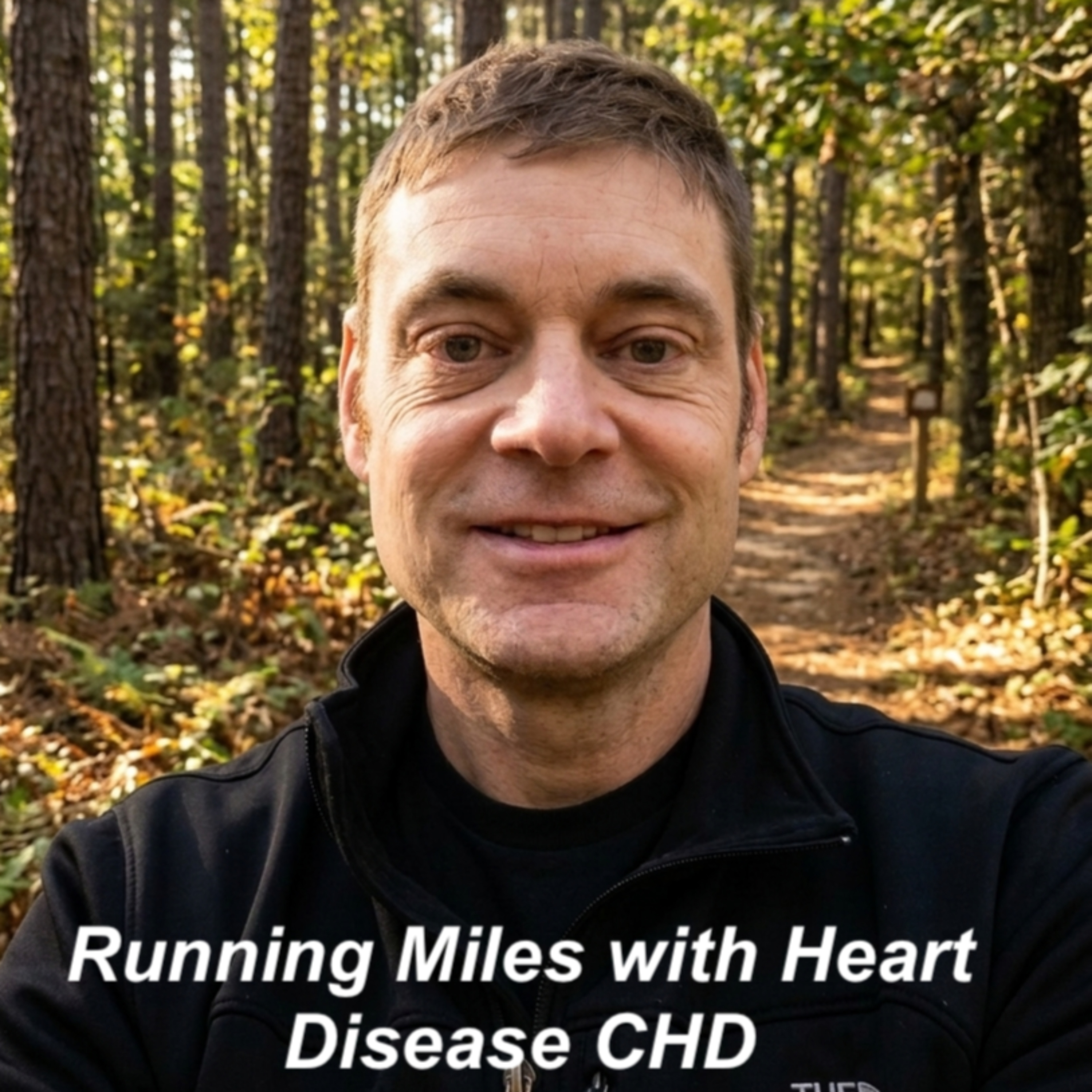
Running Miles With Heart Disease CHD
by Josh Sain
In this podcast i'll be going over different running distances. I will share my trials and errors! Also hope to encourage other people with heart Disease to get out there and run, exercise and eat whole food! please consult a doctor before getting started!
-
72
How Do I Pick the Right Race with AI?
Show Notes — The First-Timer’s Guide to UltramarathonsReady to go beyond 26.2 miles? In this episode, we explore what runners need to know when making the jump from marathoner to ultrarunner.Ultrarunning is more than simply running farther. We break down the major distances—from the 50K and 50 miles to the 100K and 100 miles—and discuss why a 50K can be an excellent starting point. We also look at 6-, 12-, and 24-hour timed events, which can offer beginners frequent access to aid and support.We explore how terrain and elevation can completely change a race. A flat 100-miler can be dramatically different from a technical mountain 50K, so we discuss climbing, descending, power hiking, technical trails, and ways runners without hills can prepare using stairs, incline treadmills, and strength work.We also cover aid stations, drop bags, crews, pacers, cutoffs, cupless racing, nighttime running, and backup lighting. Safety topics include rhabdomyolysis, acute kidney injury, hyponatremia, dehydration, and the importance of not running through injuries.Finally, we discuss the mental side of ultrarunning—breaking a huge distance into manageable sections, focusing on the next aid station, using visualization, and learning to keep moving when things get difficult.Looking for your first ultra? Check out:UltraSignupRunning in the USAUltra Running MagazineFind a Race (UK)GB Ultra RunnerAhotu (Worldwide)Run Ultra (International)Ultra Race CalendarAustralian Ultra & Trail Runners Association (AURA)100% Pure New ZealandWhether you're considering your first 50K or dreaming about 100 miles, this episode will help you choose the right race, understand the challenges, and prepare for the adventure beyond 26.2.The marathon may have been the destination once. In ultrarunning, it's just the [email protected]://teamrunrun.com/coach/josh-sain-raleigh-running-coach/United States & North AmericaUltraSignup — One of the best-known platforms for U.S. trail and ultramarathon races. You can search by distance, location, and race type. Running in the USA — Large U.S. race directory with ultras as well as shorter distances.Ultra Running Magazine – Race Calendar — Excellent for finding U.S. and Canadian ultras, with filters for 50K, 50 miles, 100K, 100 miles, timed events, and more. Ultra Race USA — U.S.-focused ultramarathon directory that lets runners search by location, distance, date, and race type. United Kingdom & IrelandFind a Race – Ultra Marathons — Very useful UK ultramarathon calendar with 100+ ultras listed annually. Running Calendar UK – Ultramarathons — UK-focused race calendar with ultra-specific listings. GB Ultra Runner — Large UK ultra calendar covering England, Scotland and Wales. UK Ultra — Race organizer with a substantial selection of UK trail and ultramarathon events. Europe & WorldwideAhotu — Probably the best one to add for international runners. It covers endurance events in more than 198 countries and specifically allows filtering for ultramarathons and fixed-time races. Run Ultra — International ultra calendar with races across multiple countries and distances. Ultra Race Calendar — International database that can be filtered by country and distance, including Australia, New Zealand, Canada, Europe and the U.S. AustraliaAustralian Ultra & Trail Runners Association (AURA) — This is the one I'd definitely include for Australia. It maintains a calendar of AURA-approved ultra-running events across Australia. Ultra Race Calendar – Australia — Australia-specific ultra listings, including 50K, 100K and longer events. New ZealandUltra Race Calendar – New Zealand — New Zealand-specific ultramarathon listings. 100% Pure New Zealand – Trail Running Events — Official New Zealand tourism site featuring major trail and ultra events.
-
71
Recovery Is an Ultramarathon- Top 10 Ways to Break Free from Addiction with AI
Show NotesThe Warrior's Path: Addiction Recovery, Brain Science & the 10 Keys to Lasting ChangeWhat if the same brain that once fueled addiction could become the greatest tool for healing?In this episode of Running Miles with Heart Disease, we explore the fascinating intersection of addiction recovery, neuroscience, and ultrarunning. We discuss why so many endurance athletes have overcome addictions to alcohol, drugs, nicotine, gambling, and ultra-processed foods, and how the brain can be rewired through purposeful movement, healthy habits, and supportive community.Recovery isn't simply about quitting a substance—it's about becoming a different person. Through the science of neuroplasticity, dopamine, habit formation, and identity change, we explain why lasting transformation requires far more than willpower. We also discuss how endurance sports can become a powerful recovery tool while recognizing the importance of balance to prevent replacing one addiction with another.Make one non-negotiable decision to change instead of relying on motivation.Build a new identity focused on who you want to become, not who you were.Exercise consistently to support brain health, mood, and resilience.Stack healthy habits onto routines you already do every day.Learn to regulate emotions instead of escaping them through addictive behaviors.Replace shame with accountability and practice radical honesty.Find a supportive community that encourages growth and recovery.Identify and avoid personal triggers while creating healthier coping strategies.Fuel your body with whole, minimally processed foods whenever possible.Stay patient. Lasting change is measured in months and years—not days.• Why addiction and endurance sports often overlap• How dopamine influences motivation and cravings• What neuroplasticity teaches us about changing our lives• Why willpower eventually runs out—and what works instead• How exercise supports brain health and recovery• Warning signs of exercise addiction• The connection between ultra-processed foods and addictive behaviors• Why community is one of the strongest predictors of long-term recovery• Practical, science-based strategies you can begin using todayAlcohol & Drug SupportSAMHSA National Helpline (24/7)☎ 1-800-662-HELP (4357)Mental Health or Suicide Crisis☎ Call or text 988Smoking & Nicotine☎ 1-800-QUIT-NOW (1-800-784-8669)Problem Gambling☎ 1-800-GAMBLERCompulsive Overeating & Food AddictionOvereaters Anonymous: OA.orgRecovery is possible. No matter where you are today, asking for help is a courageous first step.Disclaimer: This podcast is for educational purposes only and is not intended to diagnose, treat, or replace medical, psychological, or nutritional care. Please consult a qualified healthcare professional regarding your individual health and recovery.If this episode encouraged you, please follow the podcast, leave a five-star review, and share it with someone who could use a little hope today. Together, we can help more people discover that healing is possible—one mile, one habit, and one day at a time.#RunningMilesWithHeartDisease #Ultrarunning #AddictionRecovery #MentalHealth #BrainHealth #Neuroscience #BehaviorChange #Recovery #TrailRunning #HeartHealth #HealthyHabits #PersonalGrowth #FoodAddiction #Sobriety #EnduranceSportsTop 10 Ways to Overcome Addiction and Build Lasting ChangeIn This Episode You'll LearnRecovery Resources
-
70
The Ultrarunner's Philosophy with AI
In this episode, we explore one of the most fascinating questions in endurance sports: What truly limits human performance? Is it the body—or is it the mind?Drawing from philosophy, neuroscience, psychology, and the experiences of elite ultra-endurance athletes, we examine how modern research is changing our understanding of fatigue. You'll discover why perceived effort—not just VO₂ max or muscle fatigue—may be the ultimate regulator of endurance, and how the brain continuously balances physical sensations with motivation to determine when you slow down or stop.We discuss the Central Governor Theory, the Psychobiological Model, and the growing evidence that mental fatigue can reduce physical performance even when the body is capable of much more. You'll also learn about Brain Endurance Training (BET) and how deliberately training the mind can improve endurance, resilience, and performance.This episode is packed with practical strategies used by elite athletes, including segmentation ("chunking"), positive self-talk, mindfulness, body scans, visualization, breathing techniques, and powerful mental frameworks such as Courtney Dauwalter's "Pain Cave," David Goggins' 40% Rule, the Cookie Jar, and the Accountability Mirror. These tools can help you manage discomfort, stay present, and continue moving forward when your mind tells you to quit.Beyond performance, we dive into timeless philosophy from Aristotle, Viktor Frankl, Jean-Paul Sartre, and James Clear to explore how identity is built through repeated actions rather than fixed labels. You'll learn why excellence is a habit, why purpose gives suffering meaning, and how every small decision becomes a vote for the person you are becoming.We also examine how endurance training physically changes the brain through neuroplasticity, strengthens executive function, and builds resilience. You'll discover the important difference between resilience—returning to who you were—and post-traumatic growth, where adversity fundamentally transforms your perspective, relationships, purpose, and appreciation for life.Whether you're training for your first 5K, an ultramarathon, or simply trying to become a stronger version of yourself, this episode offers science-backed insights and practical tools to help you redefine your limits. The greatest breakthroughs often begin not by changing your body, but by changing your relationship with effort, discomfort, and identity. Every challenge becomes an opportunity to grow, every obstacle becomes a teacher, and every step forward becomes another vote for the person you're striving to become.Recommended Philosophy & Personal Growth BooksJim Rohn – The Five Major Pieces to the Life PuzzleRyan Holiday – The Obstacle Is the WayMarcus Aurelius – MeditationsSeneca – Letters from a StoicEpictetus – The Discourses (or The Enchiridion)Viktor E. Frankl – Man's Search for MeaningMiyamoto Musashi – The Book of Five RingsJames Clear – Atomic HabitsStephen R. Covey – The 7 Habits of Highly Effective PeopleSimon Sinek – Start With WhyBrené Brown – Daring GreatlyJordan B. Peterson – 12 Rules for LifeNaval Ravikant – The Almanack of Naval RavikantCal Newport – Deep WorkJocko Willink – Discipline Equals FreedomDavid Goggins – Can't Hurt Mehttps://teamrunrun.com/coach/josh-sain-raleigh-running-coach/email - [email protected]
-
69
LDL, HDL, Triglycerides, and the Endurance Athlete with AI
Cholesterol, Ultra Running, and Heart Health: What Every Endurance Athlete Should KnowCan you be one of the fittest people on Earth and still have high cholesterol?In this episode of Running Miles with Heart Disease, we explore one of the most debated topics in sports cardiology: the relationship between cholesterol, endurance exercise, and long-term cardiovascular health. While many runners assume that logging countless miles guarantees a healthy heart, emerging research paints a more complex picture.We begin by discussing the 2026 ACC/AHA Multisociety Guidelines for Dyslipidemia, including updated LDL cholesterol treatment goals, why earlier intervention matters, and the growing importance of advanced cardiovascular markers like Apolipoprotein B (ApoB) and Lipoprotein(a) [Lp(a)].Next, we examine the Athletic Lipid Paradox. Why do some marathoners and ultramarathon runners have elevated LDL cholesterol despite exceptional fitness, low body fat, and excellent metabolic health? We explore the emerging Lean Mass Hyper-Responder (LMHR) phenotype, the proposed Lipid Energy Model, and the ongoing debate surrounding high LDL cholesterol in low-carbohydrate and ketogenic endurance athletes.You'll also learn how endurance exercise affects cholesterol metabolism, including why triglycerides often decrease after races, HDL may temporarily increase, and how lipoprotein particles can shift following marathon and ultramarathon events.Beyond standard cholesterol numbers, we discuss why lipoprotein particle quality matters. Learn the difference between small, dense LDL and large, buoyant LDL, why particle size may influence cardiovascular risk, and how exercise, nutrition, and metabolic health affect these changes.We also cover nutrition strategies that may influence cholesterol, including Mediterranean-style eating, healthy fats, refined carbohydrates, fasting strategies, and how different dietary approaches affect LDL particles.Another fascinating topic is Paraoxonase-1 (PON1), an antioxidant enzyme carried primarily on HDL particles. PON1 helps protect LDL from oxidative damage and may explain why HDL function—not simply HDL quantity—is becoming an important area of cardiovascular research. We discuss how inflammation, diabetes, diet, exercise, and medications may influence PON1 activity and why researchers believe HDL functionality could become an important future biomarker.Finally, we discuss coronary artery calcium (CAC) scoring, statin-associated muscle symptoms, non-statin cholesterol therapies, and when endurance athletes should consider advanced lipid testing or consultation with a lipid specialist.Whether you're training for your first marathon, preparing for a 100-mile ultramarathon, following a ketogenic diet, or simply interested in improving your heart health, this episode provides an evidence-based look at one of preventive cardiology's most misunderstood topics.Topics Covered:• 2026 ACC/AHA cholesterol guidelines• LDL, HDL, ApoB, and Lipoprotein(a)• Lean Mass Hyper-Responders (LMHR)• The Athletic Lipid Paradox• Lipoprotein particle size and cardiovascular risk• Exercise and cholesterol metabolism• Nutrition strategies for endurance athletes• Paraoxonase-1 (PON1) and HDL function• Coronary artery calcium (CAC) scoring• Statins and non-statin cholesterol therapiesIf you enjoyed this episode, please subscribe, leave a review, and share it with another runner or endurance athlete. Every conversation helps us better understand how to balance performance, longevity, and heart health.Disclaimer: This podcast is for educational purposes only and is not intended to provide medical advice. Always consult your healthcare provider before making changes to your diet, medications, or exercise program.https://www.mcmillanrunning.com/?utm_source=chatgpt.comhttps://teamrunrun.com/coach/josh-sain-raleigh-running-coach/
-
68
Heart Inflammation in Ultrarunners- What Every Endurance Athlete Needs to Know with AI
❤️ Heart Inflammation in Ultrarunners: Lifestyle Strategies That Support Heart HealthIf you're an ultrarunner, marathoner, or endurance athlete, taking care of your heart is just as important as logging miles. While nutrition and healthy habits can't replace medical treatment for heart inflammation, research suggests they can support cardiovascular health and help reduce chronic, systemic inflammation.Extra-virgin olive oil – Rich in heart-healthy monounsaturated fats and polyphenols.Salmon, sardines & mackerel – Excellent sources of omega-3 fatty acids.Blueberries & mixed berries – Packed with antioxidants and polyphenols.Leafy greens – Spinach, kale, arugula, and Swiss chard provide nitrates and vitamins.Walnuts – High in omega-3 fats and plant compounds.Beans & lentils – Great sources of fiber, protein, and minerals.Oats – Rich in beta-glucan fiber that supports cardiovascular health.Tomatoes – A source of lycopene and other antioxidants.Avocados – Healthy fats, fiber, and potassium.Cruciferous vegetables – Broccoli, Brussels sprouts, cauliflower, and cabbage.Zone 2 aerobic trainingEasy recovery runsWalking on recovery daysStrength training 2–3 times per weekMobility and flexibility workCore stability exercisesCross-training (cycling, swimming, rowing)Gradual mileage progressionPlanned recovery weeksReturning to training only after adequate recovery from illness or injurySleep 7–9 hours every night.Eat mostly whole, minimally processed foods.Include colorful fruits and vegetables daily.Stay hydrated throughout the day.Prioritize recovery after hard workouts.Manage stress with mindfulness, breathing, or prayer.Avoid smoking and limit alcohol.Maintain healthy blood pressure, cholesterol, and blood sugar.Listen to your body—don't ignore persistent symptoms like chest pain, unusual shortness of breath, or palpitations.Stay consistent. Small healthy choices repeated daily have a bigger impact than occasional perfect days.• Train hard—but recover even harder.• Nutrition supports recovery just as much as training builds fitness.• Heart health is a lifelong investment, not just preparation for your next race.• If you've recently had a viral illness or have symptoms suggestive of heart inflammation, seek medical evaluation before returning to intense training.• The goal isn't simply to finish your next ultramarathon—it's to keep enjoying the trails, roads, and adventures for decades to come.If you found this episode helpful, please follow Running Miles with Heart Disease CHD, leave a review, and share it with another runner. Every mile is an opportunity to train smarter, recover better, and take care of the heart that's carrying you through life.🥗 Top 10 Whole Foods That Support Heart Health🏃 Top 10 Exercise Habits That Support Heart Health🌿 10 Daily Habits That Support Heart Health🎯 Key Takeaways
-
67
Ultra Running Ingrown toenails with AI
🎙️ Foot Health for Runners: Ingrown Toenails, Black Toenails, Blisters, and Ultra-Marathon SurvivalYour heart, lungs, and legs may carry you through training, but your feet are the foundation of every mile. In this episode of Running Miles with Heart Disease CHD, we take a deep dive into one of the most overlooked aspects of running performance: foot health.From ingrown toenails and black toenails to blisters, shoe fit, moisture management, and ultra-marathon foot care, we explore practical strategies that can help runners avoid preventable injuries and stay on the road or trail longer.In this episode, you'll learn:✅ Why many runners wear shoes that are too small✅ The thumb-width shoe fitting test that could save your toenails✅ How foot swelling affects marathon and ultra-marathon performance✅ The biggest myths surrounding ingrown toenails and nail trimming✅ Why trimming your nails too short can create problems✅ How proper lacing techniques can reduce toe trauma and black toenails✅ Why thick calluses may actually increase blister risk✅ The role of moisture, socks, and friction in foot breakdown✅ The importance of addressing hot spots before they become race-ending injuries✅ When it's time to seek professional help from a podiatristKey Takeaways:• Trim toenails straight across and avoid rounding the corners• Leave adequate room in your shoes for foot swelling• Use moisture-wicking socks instead of cotton• Address hot spots and irritation immediately• Test foot-care strategies during training, not on race day• Replace worn-out shoes before they lose structure and support• Small foot problems can become major problems if ignoredWe also discuss practical foot-care routines, race-week preparation, blister prevention strategies, callus management, toe protection, and lessons learned from experienced marathoners and ultrarunners.Whether you're training for your first 5K, your next marathon, or a 100-mile ultramarathon, this episode will provide actionable tips to help protect your feet and keep you moving toward your goals.Remember: your feet aren't just along for the ride—they are the ride.If you enjoyed this episode, please follow Running Miles with Heart Disease CHD and share it with a fellow runner. Your support helps us continue bringing conversations about running, heart health, nutrition, recovery, longevity, and healthy living to runners around the world.Keep moving forward—one step, one mile, and one healthy foot at a time.https://teamrunrun.com/coach/josh-sain-raleigh-running-coach/[email protected]
-
66
Ultra running The Menstrual Advantage: Why Your Cycle Can Be a Performance Superpower with AI
🎙️ Ultra Running, Menstrual Cycles, Menopause & Female PerformanceFor decades, women have been given training plans, nutrition advice, and recovery protocols built largely on research conducted on men. In this episode of Running Miles with Heart Disease CHD, we explore why women are not "small men" and how understanding female physiology can unlock better performance, recovery, and long-term health.We dive into the menstrual cycle, menopause, nutrition, strength training, injury prevention, and the science behind training with your hormones instead of fighting them.Topics Discussed:• Training around the menstrual cycle• The performance advantages of the follicular phase• Recovery and fueling during the luteal phase• Relative Energy Deficiency in Sport (RED-S)• Iron deficiency and endurance performance• Bone health and stress fracture prevention• Strength training for female runners• Pelvic floor health• Pregnancy, postpartum running, and menopause• Protein requirements and carbohydrate fueling• Fasted training and cortisol• Menstrual management during races• AI and the future of female-specific training🏃♀️ Top 10 Takeaways for Female RunnersWomen are not small men—female physiology requires a unique training approach.Your menstrual cycle is a valuable health and performance indicator.The follicular phase can be ideal for hard workouts, speed sessions, and heavy lifting.During the luteal phase, recovery, protein, and carbohydrate needs increase.RED-S can negatively impact hormones, recovery, bone health, and performance.Iron deficiency is one of the most overlooked performance limiters in female athletes.Heavy resistance training improves strength, bone density, and longevity.Menopause requires adjustments in training, nutrition, and recovery.Fasted training may increase cortisol and impair recovery for many women.Long-term performance starts with long-term health.💪 The Menstrual Advantage: 5 Performance SuperpowersHigher pain tolerance during the early follicular phase.Better recovery and muscle repair.Greater ability to handle high-intensity training.Improved adaptation to strength training.Better understanding of personal performance patterns.🥗 Top 10 Whole Foods for Female Runners & Menopause SupportEdamameSoybeansLentilsChickpeasBlack beansFlaxseedsChia seedsOatsBerriesDark leafy greens🏃 Top 10 Tips for Running During Your PeriodTrack your cycle and symptoms.Plan key workouts around energy levels when possible.Prioritize hydration and electrolytes.Increase iron-rich foods.Consume adequate protein.Fuel before and after training.Adjust training when necessary.Practice race-day fueling strategies well in advance.Use technical menstrual gear to prevent chafing.Remember that your cycle is information—not a limitation.⚠️ Common Mistakes Female Athletes Make• Under-fueling• Ignoring cycle-related changes• Training fasted too frequently• Neglecting strength training• Waiting until race day to test nutrition• Missing iron deficiency warning signs• Viewing menopause as the end of performance rather than a new phase of training🔥 Final MessageThe future of female endurance performance isn't about training harder—it's about training smarter. By understanding hormones, fueling appropriately, prioritizing recovery, and building strength, women can improve performance while protecting their health for years to come.Train with your physiology. Fuel your body. Build strength. Use your cycle as an advantage—not an obstacle.
-
65
Ultra Running depression after a race with AI
Mental Health & Depression Resources988 Suicide & Crisis Lifeline (24/7)Call or Text: 988Website: 988 LifelineFree, confidential support for emotional distress, depression, anxiety, substance use concerns, or suicidal thoughts. Available 24/7. National Alliance on Mental Illness (NAMI)Phone: 1-800-950-NAMI (6264)Text: NAMI to 62640Website: NAMIProvides support, education, and referrals for individuals and families dealing with mental health conditions. Crisis Text LineText: HOME to 741741Website: Crisis Text LineFree 24/7 text support with trained crisis counselors. SAMHSA National HelplinePhone: 1-800-662-HELP (4357)Website: SAMHSA Treatment LocatorFree, confidential treatment referral and information service for mental health and substance use concerns. Mental Health Support & Community ResourcesCall 211Website: United Way 211 Mental Health ResourcesCan connect people with local counseling, support groups, and mental health services. If you are struggling with depression, anxiety, emotional distress, or thoughts of self-harm, please reach out for help. You do not have to face it alone. If you are in immediate crisis, call or text 988 for free, confidential support available 24 hours a day, 7 days a week. Free workouts with great people!F3nation.com - MenFIAnation.com - [email protected]://teamrunrun.com/coach/josh-sain-raleigh-running-coach/
-
64
Strength Training with Jason Fitzgerald
Strength Training for Runners with Jason Fitzgerald | Running Miles with Heart Disease CHDShould runners lift heavy weights? How much strength training is enough? When should you schedule your gym workouts around running? Can lifting actually make you faster, healthier, and help you stay injury-free for years?In this episode of Running Miles with Heart Disease CHD, I sit down with Jason Fitzgerald, founder of Strength Running, USATF-certified running coach, 2:39 marathoner, author, and host of the Strength Running Podcast. Jason has helped hundreds of thousands of runners become stronger, faster, and more resilient through practical, science-based coaching.Whether you're training for your first 5K, chasing a marathon PR, preparing for an ultramarathon, or simply staying active, this conversation is packed with practical advice you can apply immediately.1. Lift Heavy, Not Just High RepsRunning already develops muscular endurance. Jason explains why heavier lifting and progressive overload improve running economy, strengthen muscles and connective tissue, and reduce injury risk better than endless light-weight circuits.2. Strength Training Should Be PeriodizedYour lifting should evolve just like your running plan. Build a foundation with moderate weights, then gradually increase intensity while lowering repetitions as race day approaches.3. Always Warm Up Before RunningSkip static stretching. Jason recommends a dynamic warm-up before every run to improve mobility, activate key muscles, and prepare your body for quality training.4. Recovery Is Part of the Training PlanLearn how to schedule strength sessions around workouts and long runs, why easy runs should actually be easy, and how proper fueling, protein, carbohydrates, hydration, and sleep all work together to maximize adaptation.5. Train for the Rest of Your LifeOne of my favorite parts of our conversation was discussing why strength training matters beyond racing. It's about staying independent as you age—lifting luggage into an overhead bin, hiking with your family, preventing falls, maintaining muscle mass, and continuing to enjoy the sport you love for decades.• The biggest strength-training mistakes runners make• Why progressive overload beats constantly changing exercises• How often runners should lift weights• Foot strength and whether barefoot running has a place• Carbon-plated shoes and foot health• Creatine for endurance athletes• Nutrition myths and how runners should actually fuel• Injury prevention strategies Jason used to overcome years of setbacks• The marathon training priorities that matter most• Why consistency beats perfection every single time📚 Jason Fitzgerald's Books• 101 Simple Ways to Be a Better Runner• Running for Health & Happiness• The Performance Training Journal📖 Jason's Recommended Reading• Run Faster — Brad Hudson & Matt Fitzgerald• Born to Run — Christopher McDougall• Why We Run — Bernd Heinrich🔗 Connect with Jason Fitzgerald🌐 Website:https://strengthrunning.com🎙️ Strength Running Podcast:https://strengthrunning.com/podcast/📸 Instagram:https://www.instagram.com/jasonfitz1/▶️ YouTube:https://www.youtube.com/@StrengthRunning📘 Facebook:https://www.facebook.com/StrengthRunning💼 Coaching:https://strengthrunning.com/coaching/If you're serious about becoming a healthier, stronger, and more resilient runner, this is an episode you'll want to save and revisit. Jason shares practical coaching advice that can benefit every runner—from beginners to experienced marathoners and ultrarunners.If you enjoyed this conversation, please follow Running Miles with Heart Disease CHD, leave a review, and share this episode with another runner. Together we can build a stronger, healthier running community—one mile at a time.Five Lessons Every Runner Should KnowWe Also DiscussBooks MentionedJason Fitzgerald's BooksJason's Recommended ReadingConnect with Jason Fitzgerald
-
63
Ultra Running running schedule part 2, 50k, 100k, 100 Miles, 200 Miles with AI
Top 10 Best Things to Put on Your Schedule (50K to 200 Miles)These apply whether you're training for a 50K, 100K, 100-mile, or 200-mile race.The foundation of ultra running. Long runs build endurance, confidence, and race-specific fitness.Fitness grows during recovery, not during the workout itself.If there's one thing most runners underestimate, it's sleep. Recovery starts in bed.Strong runners stay healthy longer and handle higher mileage better.Practice fueling during training, not on race day.One of the best ways to prepare for ultras without destroying your body.A little mobility work consistently beats trying to fix problems after they start.Your training should support your life, not take over your life.Take 10–15 minutes each week to evaluate what's working and what isn't.Learn how to handle setbacks, discomfort, boredom, bad weather, and self-doubt.The fastest path to injury.Many runners think more is always better. It isn't.Easy days should be easy.Their life, recovery, genetics, and goals are different from yours.You can't out-train poor recovery.Jumping from one training plan to another destroys consistency.A classic ultra-running mistake.Every race takes recovery time away from training.Small injuries become big injuries when ignored.Motivation comes and goes. A schedule should work even on days you don't feel like running.1. Long Runs2. Recovery Days3. Sleep4. Strength Training5. Nutrition Practice6. Back-to-Back Long Runs7. Mobility and Stretching8. Family and Personal Time9. Weekly Schedule Reviews10. Mental TrainingTop 10 Worst Things to Put on Your Schedule1. Too Much Mileage Too Soon2. Skipping Recovery Days3. Running Every Workout Hard4. Comparing Your Schedule to Someone Else's5. Ignoring Sleep6. Constantly Changing the Plan7. Testing New Nutrition on Race Day8. Scheduling Too Many Races9. Ignoring Warning Signs10. Letting Motivation Run the Schedule
-
62
Heart Health with Holistic Cardiologist & Author Joel Kahn M.D
🎙️ Episode SummaryIn this episode of Running Miles with Heart Disease CHD, Josh Sain sits down with Dr. Joel Kahn, triple board-certified cardiologist, author, and founder of the Kahn Center for Cardiac Longevity.Dr. Kahn shares evidence-based strategies for preventing and reversing heart disease through nutrition, exercise, sleep, and advanced cardiovascular screening. His message is simple: "Test, don't guess."One of his strongest recommendations is that adults age 40+ consider a Heart Calcium CT Scan, a quick, affordable test that can detect silent heart disease years before symptoms develop. Dr. Kahn explains why even healthy-looking athletes and runners can have significant arterial plaque and discusses the importance of testing Lipoprotein(a), a genetic cholesterol risk factor affecting millions of people.Topics discussed include:• Heart Calcium CT Scans and cardiovascular screening• Lipoprotein(a) and hidden heart disease risk• Why endurance athletes may still develop heart disease• Atrial fibrillation and long-distance running• Plant-based nutrition and heart health• Dr. Fuhrman's GBOMBS framework:GreensBeansOnionsMushroomsBerriesSeeds & Spices• Foods that reduce inflammation• Concerns with carnivore and ketogenic diets• HIIT training vs. traditional cardio• Strength training and longevity• Sleep optimization and recovery• Gut health and dietary diversity• Supplements including Vitamin D, Omega-3s, CoQ10, B12, Magnesium, and Melatonin• The lifestyle habits that dramatically reduce heart disease riskDr. Kahn also shares inspiring patient success stories, his personal health routine, and practical steps listeners can take today to improve their cardiovascular health.Key Takeaway:You cannot assume you're healthy simply because you feel healthy. Proper screening, nutrition, exercise, sleep, and lifestyle choices can dramatically improve long-term health outcomes.🌐 Dr. Joel Kahn Websiteshttps://www.drjoelkahn.comhttps://www.kahnlongevitycenter.com📚 Books by Dr. Joel Kahn• The Whole Heart Solution• Dead Execs Don't Get Bonuses• The Plant-Based Solution• The No B.S. Diet• Lipoprotein(a): The Heart's Quiet Killer🎥 Recommended Resources• Forks Over Knives• What the Health• You Are What You Eat (Netflix)• The Game Changers📱 Follow Dr. Joel KahnInstagram:@drjkahnX / Twitter:@drjkahnFacebook:Dr. Joel KahnYouTube:Joel Kahn YouTube Channel👨⚕️ About Dr. Joel KahnDr. Joel Kahn is a board-certified cardiologist, author, speaker, and pioneer in preventive and integrative cardiovascular medicine. Known as "America's Healthy Heart Doc," he has spent more than 40 years helping patients prevent and reverse heart disease through evidence-based lifestyle medicine, nutrition, exercise, stress management, and advanced cardiovascular testing. He is the founder of the Kahn Center for Cardiac Longevity and a leading advocate for whole-food, plant-based nutrition.
-
61
Ultra running training schedule Part 1, 5k,10k, Half Marathon, & Marathon with AI
Beginner 5K Training Plan (8 Weeks)Week 1: Run/Walk 20 min (3x), Walk 30 min (2x)Week 2: Run/Walk 25 min (3x), Walk 30 min (2x)Week 3: Run 15-20 min continuous (3x), Walk/Cross-train (2x)Week 4: Run 20-25 min (3x), Walk/Cross-train (2x)Week 5: Run 25 min (2x), Long Run 30 min (1x)Week 6: Run 30 min (2x), Long Run 35 min (1x)Week 7: Run 30 min (2x), Long Run 40 min (1x)Week 8: Easy Runs + 5K Race/Time TrialRest at least 1-2 days per week.Advanced 5K Training Plan (8 Weeks)Week 1: Intervals, Tempo, Easy Run, Long Run (25-30 mi total)Week 2: 6x800m Intervals, Tempo Run, Long Run (28-32 mi)Week 3: 8x400m Intervals, Tempo Run, Long Run (30-35 mi)Week 4: Recovery Week (25-28 mi)Week 5: 5x1000m Intervals, Tempo Run, Long Run (32-38 mi)Week 6: 10x400m Intervals, Tempo Run, Long Run (35-40 mi)Week 7: Race-Specific Workouts, Reduced Volume (28-32 mi)Week 8: Taper + 5K RaceInclude strength training 2x weekly and 1-2 recovery days.Beginner 10K Training Plan (8 Weeks)Week 1: Mon Rest, Tue Run/Walk 20 min, Wed Walk 30 min, Thu Run/Walk 20 min, Fri Rest, SatRun/Walk 25 min, Sun Walk 30 min.Week 2: Tue 25 min run/walk, Thu 25 min run/walk, Sat 30 min run/walk. Easy walking on otherdays.Week 3: Tue 2 miles easy, Thu 2 miles easy, Sat 3 miles long run.Week 4: Tue 2 miles, Thu 2.5 miles, Sat 4 miles long run.Week 5: Tue 3 miles, Thu 3 miles, Sat 5 miles long run.Week 6: Tue 3 miles, Thu 3 miles with pickups, Sat 5.5 miles long run.Week 7: Tue 3 miles, Thu 2 miles easy, Sat 6 mile long run.Week 8: Two short easy runs, then 10K race or time trial.Advanced 10K Training Plan (8 Weeks)Week 1: 5x800m intervals, tempo run, long run 8 miles.Week 2: 6x800m intervals, 4-mile tempo, long run 9 miles.Week 3: 8x400m intervals, hill workout, long run 10 miles.Week 4: Recovery week with reduced mileage.Week 5: 5x1000m intervals, tempo run, long run 10 miles.Week 6: 10x400m intervals, threshold workout, long run 11 miles.Week 7: Race pace workouts and reduced volume.Week 8: Taper and race week.Beginner Half Marathon Plan (12 Weeks)Weeks 1-2: Long runs 4 and 5 miles.Weeks 3-4: Long runs 6 and 7 miles.Weeks 5-6: Long runs 8 and 9 miles.Weeks 7-8: Long runs 10 and 8 miles (recovery week).Weeks 9-10: Long runs 11 and 12 miles.Week 11: Long run 8 miles.Week 12: Race week with reduced mileage and half marathon raceAdvanced Half Marathon Plan (12 Weeks)Build mileage from 35 to 55 miles per week.Include weekly intervals, tempo runs, and long runs.Long runs progress from 8 to 15 miles.Every fourth week is a recovery week.Final two weeks include a taper before race day.Beginner Marathon Plan (18 Weeks)Long runs progress: 6, 8, 10, 12, 14, 16, 18, and 20 miles.Run 4 days per week with 1 long run.Include recovery weeks every 3-4 weeks.Final 3 weeks are taper weeks before the marathon.Advanced Marathon Plan (18 Weeks)Mileage builds from 50 to 70 miles per week.Weekly speed workout, marathon pace workout, and long run.Long runs progress up to 22 miles.Recovery week every fourth week.Three-week taper before marathon.https://teamrunrun.com/coach/josh-sain-raleigh-running-coach/[email protected]
-
60
Ultra running Turning ultra running into life practices with AI
Top Takeaways From This EpisodeConsistency beats motivationMotivation comes and goes. Long-term growth comes from building habits and showing up even when you don’t feel like it.Learn to be comfortable being uncomfortableUltrarunning teaches how to handle suffering, setbacks, fatigue, and difficult moments — skills that carry into work, family, and life.Patience creates long-term successBig goals are achieved one step at a time. Progress compounds over weeks, months, and years.Break overwhelming challenges into smaller piecesYou don’t run 100 miles all at once. You get to the next aid station. Life works the same way.Discipline creates freedomTraining consistently builds confidence. Confidence creates opportunity.Mental toughness is built, not bornHard training teaches you that limits are often farther away than you think.The process matters more than the outcomeGrowth happens during the work — not just crossing the finish line.Your identity shapes your actionsWhen running becomes part of who you are, healthy choices become easier.Failure and setbacks are part of growthBad races, missed goals, and hard days teach lessons success sometimes cannot.Ultrarunning becomes a practice for lifeThe lessons learned on the trail or road can improve leadership, relationships, career growth, and personal development.Closing Thought:"The person you become training for the race matters more than the race itself."https://teamrunrun.com/coach/josh-sain-raleigh-running-coach/[email protected]
-
59
Ultra Running Overeating with AI
here are 10 practical best practices to avoid overeating (simple and actually doable):Eat enough protein at each mealProtein helps keep you full longer and reduces cravings later. Think eggs, Greek yogurt, chicken, fish, beans, tofu, etc.Don’t skip mealsSkipping breakfast or lunch can backfire and lead to overeating at night.Slow down when eatingIt takes about 20 minutes for your brain to register fullness. Put the fork down between bites if needed.Drink water before mealsSometimes thirst feels like hunger. Try a glass of water 20–30 minutes before eating.Prioritize whole foodsFoods high in fiber (fruit, vegetables, oats, potatoes, rice, beans) tend to be more filling than ultra-processed snacks.Don’t eat straight from the bag/containerPortion snacks onto a plate or bowl so you know how much you’re actually eating.Manage your environmentKeep trigger foods out of immediate reach and make healthier options easier to grab.Get enough sleepPoor sleep increases hunger hormones and cravings for high-calorie foods.Identify emotional eating triggersStress, boredom, and anxiety can drive overeating. Ask: Am I physically hungry or emotionally triggered?Use the 80% full ruleStop eating when you feel satisfied—not stuffed. You can always eat more later if you’re truly still hungry.Bonus ultra-runner tip:After long runs, have a recovery meal ready. Many runners accidentally under-fuel after training and then binge later because they waited too long to [email protected]://teamrunrun.com/coach/josh-sain-raleigh-running-coach/
-
58
Red Light Therapy with Bill Wiedemann, Founder & President of Lumara Systems
A huge thank you to Bill Wiedemann, Founder & President of Lumara Systems, for joining the podcast and sharing his expertise on the science and technology behind red light therapy.Bill did an outstanding job educating our audience on how red light therapy works, what separates high-quality devices from underpowered products, and the importance of engineering, wavelength accuracy, LED coverage, and performance. We appreciate Bill taking the time to help listeners better understand how to evaluate red light therapy products and make informed decisions when investing in their health, recovery, and wellness.If you're interested in recovery, inflammation support, skin health, performance optimization, or learning more about the science behind red light therapy, this is an episode you won't want to miss.Top 10 Takeaways from This EpisodeRed light therapy is rooted in real science and research, including studies that trace back to NASA's work with plant growth and light exposure.Not all red light therapy devices are created equal. Engineering, power output, wavelength accuracy, and LED placement matter.Coverage is one of the most overlooked factors in red light therapy effectiveness.Many LED masks on the market have significant spacing between LEDs, resulting in uneven treatment areas.Lumara's VISO FDA-Certified Red Light Therapy Mask was designed with 470 micro-LEDs to provide more complete and consistent facial coverage.Professional-grade performance was a major focus in the development of Lumara products.Wavelength accuracy plays an important role in delivering the intended therapeutic benefits.Red light therapy applications extend beyond skincare and may support recovery, wellness, inflammation management, and overall health optimization.Full-body systems such as the Illuminate V2 provide broader treatment options for users seeking whole-body benefits.The future of red light therapy continues to grow as research expands and more people seek evidence-based wellness solutions.Products Mentioned During the Episode• VISO FDA-Certified Red Light Therapy Mask• Illuminate V2 Full-Body Panel• Lumara PRO Clinical Multi-Wavelength SystemConnect with Lumara SystemsWebsite:https://lumarasystems.comInstagram:https://www.instagram.com/lumarasystems/Facebook:https://www.facebook.com/Lumarasystems/Thank you again to Bill Wiedemann and the entire Lumara Systems team for joining us and sharing valuable insights into the science, technology, and future of red light therapy.
-
57
Ultra Running Weight Loss 100lb, 50lbs, 20lbs, 10lbs with AI
A 100-lb weight loss goal is achievable, but the safest and most sustainable approach is long-term: usually 12–24 months depending on your starting weight, training history, recovery, and nutrition consistency.A good setup combines:walking for calorie expenditure and recoveryrunning for fitness and endurancestrength training to preserve musclemoderate calorie deficitsleep and recoveryAim for:1–2 lbs/week on averageThat typically requires:~500–1,000 calorie daily deficit from food + activity combinedFaster loss often increases:injury riskmuscle lossburnoutrebound weight gainGoal: build consistency and avoid injury.5–7 days/weekStart: 30–45 min/dayBuild toward: 8,000–12,000 steps/day3 days/week:Run/walk intervals initially if neededExample:Progress gradually toward:3 days/week full body:squatslungesdeadliftspushupsrowsoverhead pressplanksFocus:2–3 sets8–12 repsprogressive overload10 min/dayhips, calves, ankles, thoracic spineBuild toward:150–300 min/week moderate cardioor combination of running + brisk walkingEventually:15–25 miles/week if toleratedmostly easy paceAvoid increasing:mileagepacelong runall at once.Critical for muscle retention.Target:0.7–1.0 g protein per lb of goal body weightGood sources:chickenfishGreek yogurteggstofuprotein shakesA moderate deficit works best.Typical approach:Calculate maintenance caloriesSubtract 500–750/day initiallyAvoid crash dieting.Prioritize:lean proteinvegetablesfruitpotatoes/rice/oatshealthy fatshigh-fiber foodsLimit:liquid caloriesultra-processed snacksbinge/restrict cyclesEspecially important if running regularly.Lifting helps:preserve metabolismmaintain muscleimprove running economyreduce loose-skin appearanceimprove long-term maintenanceCompound lifts are most effective:squat patternshinge patternspushingpullingcarriesSleep: 7.5–9 hours1–2 easier days weeklyDeload every 6–8 weeks if training hardProgress is rarely linear.running too hard too ofteneating too littleskipping strength trainingweighing daily and panickingtrying to “earn” food through exerciseincreasing mileage too quicklyThe most effective combination for large weight loss is usually:daily walkingmoderate calorie deficitstrength traininggradual running progressionconsistency over intensityIf you want, I can also build:a beginner-to-ultra-running weight loss roadmapa detailed weekly gym/running schedulea calorie/macronutrient targeta home-gym-only versiona plan tailored to your current weight, height, and fitness levelCore targetsWeight loss paceWeekly training structurePhase 1: Foundation (Weeks 1–8)WalkingRunningStrength trainingMobilityPhase 2: Fat-loss acceleration (Months 3–8)Weekly exampleDayTrainingMonStrength + walkTueEasy runWedStrength + incline walkThuIntervals or tempo runFriStrength + recovery walkSatLong walk or long easy runSunEasy walk/restCardio goalsRunning progressionNutrition frameworkProteinCaloriesFood qualityHydrationStrength training matters more than most people thinkRecovery targetsRealistic timelineTimeExpected Loss3 months12–25 lbs6 months25–45 lbs12 months50–90 lbs18–24 months100 lbsCommon mistakesBest strategy for long-term [email protected]://teamrunrun.com/coach/josh-sain-raleigh-running-coach/
-
56
Ultra Running under-eating with AI
1. Persistent fatigue that doesn’t match your trainingIt’s normal to feel tired during heavy blocks, but if you’re constantly drained—even on easy days or after rest—it can point to low energy availability. Your body simply doesn’t have enough fuel to recover.2. Declining performance despite consistent trainingIf your pace is slowing, long runs feel harder than they should, or you’re not adapting to training, underfueling might be the culprit. Without enough calories, your body can’t rebuild stronger.3. Frequent illness or lingering injuriesLow energy intake weakens immune function and slows tissue repair. Repeated colds, nagging injuries, or things like stress fractures can be tied to chronic under-eating.4. Hormonal disruptionsIn endurance athletes, this can show up as missed or irregular periods (linked to Relative Energy Deficiency in Sport), low libido, or other hormonal imbalances. It’s a serious sign your body is conserving energy for survival rather than performance.5. Constant hunger or, paradoxically, loss of appetiteYou might feel ravenous all the time—or the opposite, where your hunger cues become blunted. Both can happen when your body is out of sync from long-term calorie [email protected]://teamrunrun.com/coach/josh-sain-raleigh-running-coach/
-
55
Ultra running GLP-1 & Peptides with AI
1. Train Your Gut (Seriously)GLP-1s slow digestion, which can make race-day fueling uncomfortable or inadequate. During training:Practice eating carbs at race intensity (30–60g/hour minimum; some ultras go higher).Use the exact fuels you’ll race with.Expect a longer adaptation period than usual.Solid food may sit heavy. Lean on:Sports drinks, gels, carb mixesSimple carbs (rice-based snacks, bananas, broth)Avoid high-fat or high-fiber foods mid-raceLiquids are often better tolerated when gastric emptying is slowed.GLP-1s can reduce thirst cues too.Set a schedule (don’t rely on “feeling thirsty”)Include sodium (300–600 mg/hour depending on conditions)Watch for signs of dehydration or hyponatremiaSome runners:Skip or delay a dose leading into race dayTime injections to minimize peak side effectsThis should always be discussed with your healthcare provider—especially for diabetes management.Because appetite is suppressed:You may underfuel before the race without realizing itFocus on carb loading even if you’re not hungryTrack body weight, fatigue, and recovery markers during trainingLow energy availability over time can hurt performance and health.GLP-1 meds change the fueling equation more than most runners expect. The biggest risk in an ultra isn’t the drug itself—it’s underfueling and GI distress. Treat nutrition like a core part of your training, not an afterthought.If you want, I can help you build a sample race fueling plan tailored to your pace, distance, and which GLP-1 you’re on.2. Prioritize Liquid & সহজ-to-digest Calories3. Be Proactive About Electrolytes & Hydration4. Adjust Medication Timing (with your clinician)5. Monitor Energy Availability & Bonking RiskBottom lineThe provided sources offer a medical and athletic guide to peptide therapy, specifically focusing on its role in muscle growth, fat loss, and injury recovery. These biological signaling molecules, such as CJC-1295, Ipamorelin, and BPC-157, are highlighted for their ability to stimulate natural growth hormone production and accelerate tissue repair. The texts compare various administration methods, including subcutaneous injections and oral supplements like collagen, while emphasizing the importance of physician supervision to manage risks like immunogenicity. Furthermore, the documents detail the legal and regulatory landscape, noting that while these substances offer performance benefits, many are prohibited by organizations like WADA. Strategic peptide stacking is also explored as a method to achieve synergistic results for enhanced physical resilience and [email protected]://teamrunrun.com/coach/josh-sain-raleigh-running-coach/
-
54
Ultra running mental toughness with AI
1. Train your brain like you train your bodyMental toughness improves with repetition under stress. During long runs, deliberately practice staying calm when you’re uncomfortable—fatigue, boredom, bad weather. This is tied to concepts from cognitive behavioral techniques, where you notice negative thoughts (“I can’t keep this pace”) and actively reframe them (“Just get to the next mile marker”).2. Break the race into small, manageable chunksThinking about 50–100 miles all at once can crush motivation. Elite ultrarunners often use “aid station to aid station” thinking. This aligns with the goal setting theory—short, achievable goals keep your brain engaged and reduce overwhelm.3. Practice discomfort intentionallyYou don’t want every run to be miserable—but some should be strategically hard. Run in heat, hills, or when slightly fatigued. This builds resilience and taps into stress inoculation, where controlled exposure to stress improves your ability to handle bigger challenges later.4. Develop a strong “why”When things fall apart at mile 70, motivation matters more than fitness. Whether it’s personal growth, competition, or proving something to yourself, having a clear purpose helps anchor you. Many runners draw inspiration from figures like David Goggins, who emphasizes identity and purpose as drivers of endurance.5. Master your self-talk and emotional controlYour inner dialogue can either drain you or carry you forward. Practice using simple, repeatable cues like “steady,” “relax,” or “forward.” This connects to the self regulation framework—controlling attention and emotions under pressure is a core part of endurance [email protected]://teamrunrun.com/coach/josh-sain-raleigh-running-coach/
-
53
Ultra running Red light therapy with AI
The Dosing FormulaTo determine how many minutes you need in front of a device to hit a specific target, use the following calculation:[Irradiance (mW/cm2) × Time (seconds)] ÷ 1,000 = Surface Dose (J/cm2)For example, if your device provides an irradiance of 50 mW/cm2 at 12 inches and you want to receive a dose of 15 J/cm2, you would need to treat the area for 300 seconds (5 minutes).
-
52
Ultra Running foot strength training with AI - 4/18/26, 10.01 PM
[email protected]://teamrunrun.com/coach/josh-sain-raleigh-running-coach/Foot strength so important please find room for it in your routine!
-
51
Zero drop 100k final whole foods with AI
https://teamrunrun.com/coach/josh-sain-raleigh-running-coach/[email protected]://zoe.com/en-us?srsltid=AfmBOoqjT4qNnbnNJi1kpjJAoyTcrw9I6BPRe9PVyBOf55KR7EdXzEaS
-
50
Zero Drop 100k Retrocalcaneal Bursitis with AI
https://youtu.be/B1LMKwEZ5mo?si=BEGFm6YEmEZikyMphttps://teamrunrun.com/coach/josh-sain-raleigh-running-coach/
-
49
Zero drop 100k creatine with AI
[email protected]://teamrunrun.com/coach/josh-sain-raleigh-running-coach/
-
48
Zero drop 100k NSAIDs with AI
you can reach me at [email protected] https://teamrunrun.com/coach/josh-sain-raleigh-running-coach/alternatives to trytart cherryturmericcaffeine
-
47
Zero drop 100k achilles tendonitis with AI
https://teamrunrun.com/coach/josh-sain-raleigh-running-coach/[email protected]
-
46
Zero drop 100k Electrolytes with AI
[email protected] pills - RE-LYTE or Salt stickelectrolyte drink mix - LMNT or go to the feed.com and try some different ones to try
-
45
Zero drop 100k Sleep with AI
[email protected]://teamrunrun.com/coach/josh-sain-raleigh-running-coach/
-
44
Zero drop 100k caffeine with AI
https://thefeed.com
-
43
Zero Drop 100k Heart disease with AI
https://teamrunrun.com/coach/josh-sain-raleigh-running-coach/email- [email protected]
-
42
100 Miles Final
Please put sleep before training! Eat clean whole food!Exercices 30 to 40 per day!Meditation!Socializing!These 5 things can help you live a long healthy life!5 Things I would do different to have a better race if I was to do it again!1. stretch the legs and calf muscles! I say that as I had achilles tendonitis and during the week seem to hurt more if I would stretch so that is why I decided not to stretch, but in the end maybe I should have my legs would have worked better! 2. I should double my fuel intake I was takinging pure cane sugar 1\4 cup 50 grams of carbs, one scoop of huel black, 5 grams of creatine every two hours. I had no stomach problems with this intake but I was under fueled.3. should have used extra clothes at night as I almost had hyperthermia! I think the reason why was the water was cold from the cold air and I was drinking my food so was extra cold from that plus it was cold outside.4. wake up earlier so I can be at the start of the race 30 minutes early for pictures and less stress. I say this as I almost missed the race as I was way behind took longer to get ready then I thought it would!5. If your taking supplements in pill form on your race make sure if two different ones are the same color make sure you label them!
-
41
100 Miles Race Week. Achilles tendonitis. Mental Focus
Mental Focus 1. Think Positive2. Visualize the race inside your head3. Put a picture of the finish line or a medal on your mirror
-
40
100 Miles wholefoods.Achilles tendonitis
ZOE.com Try to eat whole foods with any lifestyle choice you choose carnivore lifestylePaleolithic lifestyleketogenic lifestylevegetarian lifestylevegan lifestyle
-
39
100 Miles being healthy does not mean run 100 miles. Achilles Tendonitis
4 workouts for Achilles Tendonitis 1. Calf raises 2 legs , 2 legs with weights, 1 leg, 1 leg with weights 2. sitting calf raises , with weights on knees3. jumping two legs, jumping one leg, jumping one leg weights4. calf stretch in long sitting band1 . Try one new whole food a week
-
38
100 Miles Red Light Therapy, Achilles Tenonitis
YouTube,Running With Achilles Tendonitis :Treat my achillesHow to fix Achilles Tendonitis: Squat universityBest Running Shoes For Achilles Tendonitis: Spark Healthy RunnerRedlight660nm and 850nm in "red light AI" refers to red light therapy (RLT) wavelengths that provide complementary benefits: the 660nm deep red light promotes skin rejuvenation and superficial tissue repair by stimulating cell repair and collagen production, while the 850nm near-infrared (NIR) light penetrates deeper into the body to reduce muscle pain, relieve joint pain, and promote wound healing. The term "AI" is likely a misstatement for "and," as these wavelengths are often combined in RLT devices for comprehensive, synergistic effects, rather than being related to artificial intelligence.
-
37
100 Miles waterpack
Hydration1. RE-LYTE2. Salt Stickwaterpack1. Haimont2. Salomon
-
36
100 Miles Running in the elements
Running in the rain 4 items to bring1. extra dry socks2. extra dry shoes3. extra dry clothes4. rain jacket
-
35
100 Miles Overnight Training
Safety items to help you feel safeLight = Lepro LEknife with clippepper spraybear spraymini gunlighted vest = noxgear
-
34
100 Miles Electrolytes, Carbs, Fat, Protein
Start off 1. Find how much sweat you lose with a sweat test2. Try 500 grams of sodium per lb of sweat3. Try different foods start off 90 grams carbs, 20-25 grams fat, 10-15 grams of protein 4. Keep trying don't give up!
-
33
100 Miles Socks, ROI
5 toe sock companiesAonijieInjinjiUYNxnocs
-
32
100 Miles Running shorts, Vo2 Max
Some Running Shorts brands 2 in 1 shortsAsics NikeGymsharkAdidas HokaFableticsUnder ArmourOn
-
31
100 Miles Running Shoes
Some big brands of shoes;AsicsNew BalanceNikeHOKA AdidasSauconyBrooksAltraOnMizuno
-
30
100 Miles pronation
3 thing to know about Pronation1. Neutral pronation: The foot rolls inward about 15%2. Underpronation: The foot rolls inward less than 15%, most likely High arch feet.3. Overpronation: The foot rolls inward more than 15%, most likely flat feet.
-
29
100 Miles Running Gear
5 things to know1. What will you take for music / audiobooks / podcast?2. Make sure your watch battery life can last 32 hours!3. Make sure you have the right watervest for you!4. Carbon fiber trekking poles are super lightweight!5. Take safety equipment with you like, knife, bear spray, light, pepper spray!
-
28
100 Miles Finding your why?
5 things to help finding your why?1. Doing something you're never done before!2. Learning about your body!3. overcoming a medical condition! 4. overcoming a relationship!5. overcoming of a death in the family!
-
27
100 Miles Foot Care
5 Things to know!1. 5 minute exercises each day with your feet!2. Use resistance bands 3. Don't pick your toe nails4. Stay out of your shoes as much as possible!5. Find the right pair of shoes and socks!
-
26
100 Miles weight lifting / Running work outs
5 Running workouts1. Sprinting Hills vo2 max2. Sprinting vo2 max3. easy runs 120 heart rate4. weights for leg workout5. weights for upper body and ab workout
-
25
100 Miles Cost of Race
6 items to buy before race day!1. Shoes 4 pairs 100 dollars - 400 dollars per pair2. Music / audio book/ podcast/ 200 - 1000 to phone/ Ipod3. Watch to last 32 hours 500 - 1000 dollars4. Running Socks 30 - 100 dollars 4 pairs5. Hydration pack 70 - 300 dollars6. Race to sign up 150 - 400 dollarsbefore you sign up could cost you 1000 to 2500
-
24
100 Miles Being Committed
5 Things to consider1. Do the work out if you don't want to !2. Could make the work out less stressful!3. Change the type of work out!4. Your 10 year old self will thank you!5. It will pay off on race day!
-
23
100 Miles picking a schedule
5 key points1. overnight run2. back to back day runs3. cross train4. run in elements5. taper
We're indexing this podcast's transcripts for the first time — this can take a minute or two. We'll show results as soon as they're ready.
No matches for "" in this podcast's transcripts.
No topics indexed yet for this podcast.
Loading reviews...
ABOUT THIS SHOW
In this podcast i'll be going over different running distances. I will share my trials and errors! Also hope to encourage other people with heart Disease to get out there and run, exercise and eat whole food! please consult a doctor before getting started!
HOSTED BY
Josh Sain
Loading similar podcasts...
Frequently Asked Questions
How many episodes does Running Miles With Heart Disease CHD have?
Running Miles With Heart Disease CHD currently has 50 episodes available on PodParley. New episodes are automatically indexed when they're published to the podcast feed.
What is Running Miles With Heart Disease CHD about?
In this podcast i'll be going over different running distances. I will share my trials and errors! Also hope to encourage other people with heart Disease to get out there and run, exercise and eat whole food! please consult a doctor before getting started!
How often does Running Miles With Heart Disease CHD release new episodes?
Running Miles With Heart Disease CHD has 50 episodes. Check the episode list to see recent publication dates and frequency.
Where can I listen to Running Miles With Heart Disease CHD?
You can listen to Running Miles With Heart Disease CHD on PodParley by clicking any episode. We provide an embedded audio player for direct listening, and you can also subscribe via your preferred podcast app using the RSS feed.
Who hosts Running Miles With Heart Disease CHD?
Running Miles With Heart Disease CHD is created and hosted by Josh Sain.
URL copied to clipboard!